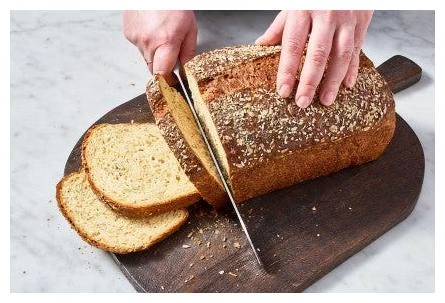
3 high-protein recipes to help hit your January goals : Pancakes, flatbreads, and sandwich loaves that deliver a big protein hit.
Discover delicious high-protein recipes like pancakes, flatbreads, and sandwich loaves to boost your protein intake and achieve your January fitness goals.
Are you looking for high-protein recipes to kickstart your January goals? Whether you’re aiming to build muscle, lose weight, or simply eat healthier, these protein-packed recipes are perfect for you. From fluffy pancakes to hearty flatbreads and sandwich loaves, these dishes are designed to keep you energized and satisfied throughout the day.
Protein is an essential macronutrient that plays a crucial role in muscle repair, immune function, and overall health. Incorporating high-protein meals into your diet can help you stay full longer, reduce cravings, and support your fitness goals. Let’s dive into these delicious and nutritious recipes that will make your January healthier and tastier.
Why High-Protein Recipes Matter
High-protein recipes are not just for athletes or bodybuilders. They are beneficial for everyone, especially those looking to improve their overall health. Protein helps in muscle repair, supports immune function, and keeps you feeling full and satisfied. This makes it easier to stick to your dietary goals without feeling deprived.
The Benefits of Protein-Packed Meals
Protein-packed meals provide sustained energy throughout the day. They help stabilize blood sugar levels, reducing the likelihood of energy crashes and cravings. Additionally, protein is essential for muscle repair and growth, making it a vital component of any fitness regimen. For more information on the benefits of protein, check out this guide from the Academy of Nutrition and Dietetics.
Ingredients for High-Protein Recipes
Creating high-protein recipes requires a mix of quality ingredients. Here’s what you’ll need for each of the recipes we’ll cover:
- Protein Pancakes: Oats, protein powder, eggs, cottage cheese, baking powder, and a pinch of salt. For a gluten-free option, consider using almond flour as mentioned in our almond cake recipe.
- Cottage Cheese Flatbread: Cottage cheese, flour, eggs, olive oil, and a dash of salt. You can also use Greek yogurt as a substitute, similar to our Greek salad pizza recipe.
- Protein Bread Loaf: Whole wheat flour, protein powder, yeast, water, olive oil, and a pinch of sugar. For a low-carb version, try using almond flour as in our almond cake.
How to Make Protein Pancakes
Start your day with a stack of fluffy protein pancakes. These pancakes are not only delicious but also packed with protein to keep you full and energized.
Step 1: Mix Dry Ingredients
In a large bowl, combine oats, protein powder, baking powder, and a pinch of salt. Mix well to ensure even distribution of the ingredients.
Step 2: Add Wet Ingredients
In a separate bowl, whisk together eggs and cottage cheese. Pour the wet mixture into the dry ingredients and stir until just combined. Be careful not to overmix.
Step 3: Cook the Pancakes
Heat a non-stick skillet over medium heat. Pour 1/4 cup of batter onto the skillet for each pancake. Cook until bubbles form on the surface, then flip and cook until golden brown. For more tips on making perfect pancakes, check out this guide from Bon Appétit.
How to Make Cottage Cheese Flatbread
This cottage cheese flatbread is a versatile and protein-rich option for any meal. It’s easy to make and pairs well with a variety of toppings.
Step 1: Prepare the Dough
In a large bowl, combine cottage cheese, flour, eggs, olive oil, and a dash of salt. Mix until a dough forms. Knead the dough lightly on a floured surface until smooth.
Step 2: Roll Out the Dough
Divide the dough into small balls and roll each one out into a thin circle. Heat a skillet over medium heat and cook each flatbread for 2-3 minutes on each side, or until golden brown. For more flatbread ideas, check out our omelette pizza recipe.
How to Make Protein Bread Loaf
A protein bread loaf is a fantastic addition to your meal prep. It’s perfect for sandwiches, toast, or as a side to your favorite dishes.
Step 1: Mix the Ingredients
In a large bowl, combine whole wheat flour, protein powder, yeast, water, olive oil, and a pinch of sugar. Mix until a dough forms.
Step 2: Knead and Rise
Knead the dough on a floured surface for about 10 minutes, or until smooth and elastic. Place the dough in a greased bowl, cover, and let it rise for about an hour, or until doubled in size.
Step 3: Bake the Bread
Preheat your oven to 375°F (190°C). Shape the dough into a loaf and place it in a greased loaf pan. Bake for 30-35 minutes, or until the bread is golden brown and sounds hollow when tapped. For more baking tips, check out this baking guide from King Arthur Baking.
Tips for Perfect High-Protein Recipes
Creating high-protein recipes can be simple and enjoyable with the right tips. Here are some expert suggestions to ensure your dishes turn out perfectly every time.
- Use Quality Protein Powder: Opt for a high-quality protein powder that blends well with other ingredients. This ensures a smooth texture and better taste in your recipes.
- Don’t Overmix the Batter: When making pancakes or bread, avoid overmixing the batter. This can lead to dense and tough results. Mix just until the ingredients are combined.
- Experiment with Toppings: Add a variety of toppings to your flatbreads and pancakes to keep meals interesting. Think avocado, smoked salmon, or fresh berries.
- Let the Dough Rest: Allowing dough to rest before baking or cooking helps improve texture and flavor. This is especially important for bread and flatbread recipes.
- Store Properly: Store your high-protein bread and flatbreads in an airtight container to maintain freshness. They can also be frozen for longer storage.
Serving Suggestions
These high-protein recipes are versatile and can be enjoyed in various ways. Here are some serving suggestions to inspire you:
- Protein Pancakes: Top with fresh berries, a drizzle of honey, or a dollop of Greek yogurt for added protein. For more pancake ideas, check out our blueberry grunt cake recipe.
- Cottage Cheese Flatbread: Serve with hummus, sliced vegetables, or grilled chicken for a balanced meal. For more flatbread ideas, check out our omelette pizza recipe.
- Protein Bread Loaf: Use for sandwiches with lean meats, avocado, or as a side to soups and salads. For more bread ideas, check out our garlic bread recipe.
Storage Instructions
Proper storage is key to maintaining the freshness and quality of your high-protein recipes. Here’s how to store each dish:
- Protein Pancakes: Store in an airtight container in the refrigerator for up to 3 days. Reheat in a toaster or microwave before serving.
- Cottage Cheese Flatbread: Keep in an airtight container in the refrigerator for up to 5 days. Reheat in a skillet or microwave.
- Protein Bread Loaf: Store in an airtight container at room temperature for up to 3 days or freeze for up to a month.
Variations and Substitutions
Feel free to customize these recipes to suit your dietary preferences or ingredient availability. Here are some variations and substitutions:
- Protein Pancakes: Use almond flour instead of oats for a gluten-free option. Add cinnamon or vanilla extract for extra flavor.
- Cottage Cheese Flatbread: Substitute cottage cheese with Greek yogurt for a tangier taste. Use whole wheat flour for added fiber.
- Protein Bread Loaf: Replace whole wheat flour with almond flour for a low-carb version. Add seeds like flax or chia for extra nutrition.
Nutritional Benefits
These high-protein recipes offer a range of nutritional benefits. They are rich in essential amino acids, vitamins, and minerals that support overall health. Protein helps in muscle repair, boosts metabolism, and keeps you feeling full, making these recipes ideal for weight management and fitness goals. For more information on the nutritional benefits of protein, check out this guide from Harvard T.H. Chan School of Public Health.
Common Questions About High-Protein Recipes
Here are some frequently asked questions about high-protein recipes to help you get the most out of your meals.

- Use Room Temperature Ingredients: Bring ingredients like eggs and cottage cheese to room temperature before mixing. This ensures a smoother batter and better texture in your recipes.
- Don’t Overcook the Pancakes: Cook pancakes on medium heat to avoid burning. Flip them as soon as bubbles form on the surface for perfectly fluffy pancakes.
- Add Flavor with Herbs: Incorporate fresh herbs like parsley or chives into your flatbread dough for added flavor and nutrition.
- Use a Kitchen Scale: Measure ingredients by weight for accuracy, especially when baking bread. This ensures consistent results every time.
- Let the Bread Cool: Allow your protein bread loaf to cool completely before slicing. This prevents it from becoming gummy.
- Experiment with Protein Sources: Try different protein powders like whey, casein, or plant-based options to find the one that suits your taste and dietary needs.
- Preheat Your Skillet: Always preheat your skillet before cooking pancakes or flatbreads. This ensures even cooking and prevents sticking.
- Store Properly: Use airtight containers to store your high-protein recipes. This keeps them fresh and prevents them from drying out.