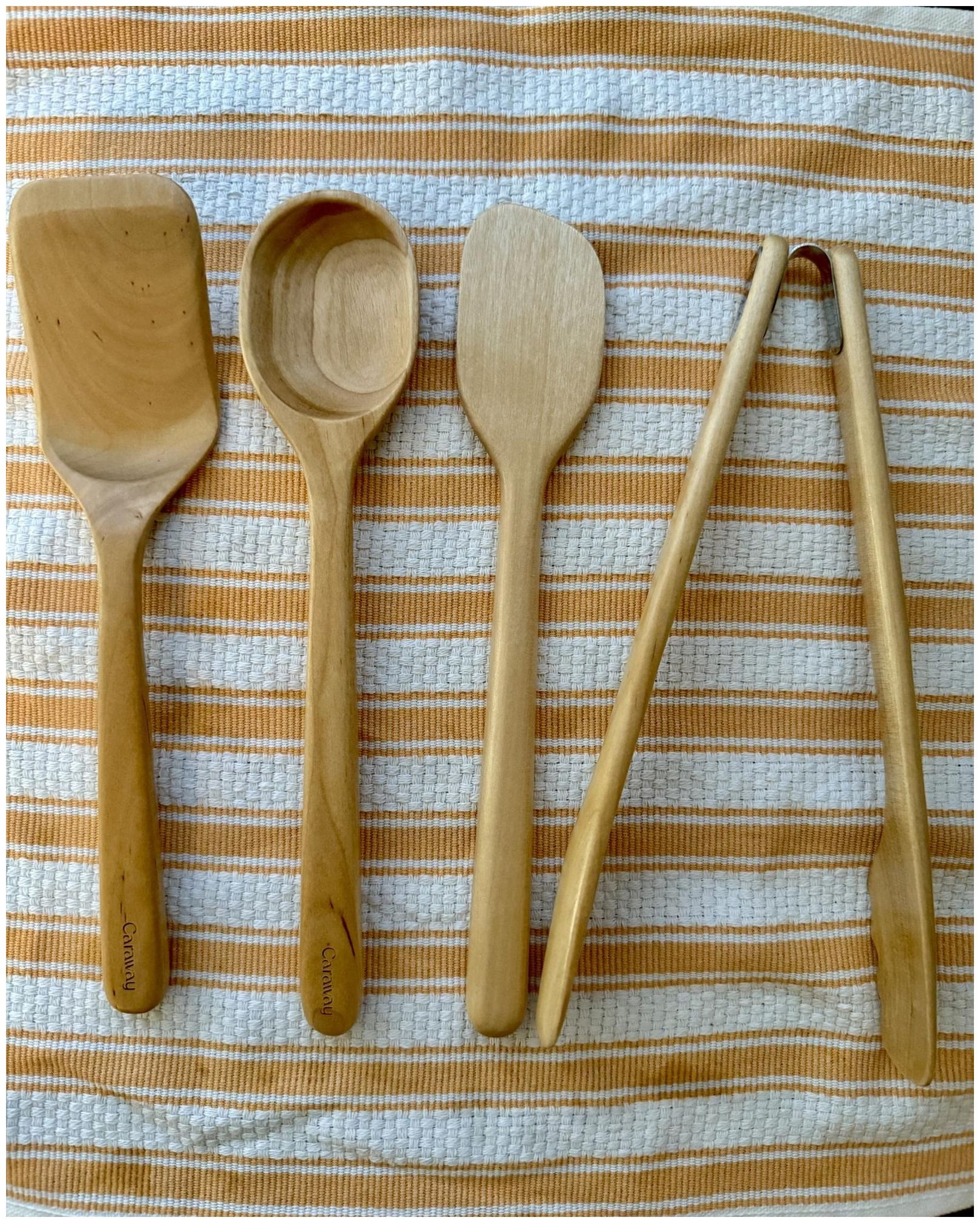
I Swapped My Plastic Utensils for This Sleek Wood Set
Discover the benefits of switching to a wooden utensil set. Eco-friendly, non-toxic, and stylish, these sustainable cooking tools are perfect for any kitchen.
Have you ever considered swapping your plastic utensils for a sleek wooden utensil set? If not, now is the perfect time to make the switch. Wooden utensils are not only eco-friendly but also add a touch of elegance to your kitchen. They are durable, non-toxic, and gentle on your cookware, making them an ideal choice for sustainable cooking.
In this guide, we’ll explore the benefits of using a wooden utensil set, how to choose the best one for your needs, and why they are a must-have for any modern kitchen. Whether you’re a seasoned chef or a home cook, these utensils will elevate your cooking experience while being kind to the environment.
Why Choose a Wooden Utensil Set?
A wooden utensil set is more than just a stylish addition to your kitchen. These utensils are crafted from natural materials, making them an eco-friendly alternative to plastic. Unlike plastic utensils, wooden ones do not leach harmful chemicals into your food, ensuring that your meals are safe and healthy.
Additionally, wooden utensils are gentle on your cookware. They won’t scratch or damage your non-stick pans, cast iron skillets, or ceramic dishes. This makes them a versatile choice for any type of cooking. For example, when preparing delicate dishes like fettuccine alfredo, wooden utensils ensure your cookware remains in pristine condition.
The Environmental Impact
One of the biggest advantages of using a wooden utensil set is its positive impact on the environment. Plastic utensils contribute to pollution and take hundreds of years to decompose. In contrast, wooden utensils are biodegradable and made from renewable resources, making them a sustainable choice for eco-conscious consumers. According to the U.S. Environmental Protection Agency, reducing plastic waste is crucial for environmental sustainability.
What to Look for in a Wooden Utensil Set
When shopping for a wooden utensil set, there are a few key factors to consider. First, look for utensils made from high-quality, durable wood such as bamboo, olive wood, or beechwood. These materials are known for their strength and longevity.
Next, consider the design and functionality of the utensils. A good set should include a variety of tools such as spoons, spatulas, and tongs to cover all your cooking needs. Ergonomic handles and smooth finishes are also important for comfort and ease of use. For instance, when making dishes like chicken tikka masala, having the right utensils can make the process smoother.
Types of Wood Used
Different types of wood offer unique benefits. Bamboo is lightweight and naturally antibacterial, making it a popular choice. Olive wood is dense and resistant to moisture, while beechwood is known for its durability and smooth finish. Choose the type of wood that best suits your cooking style and preferences. For more information on sustainable materials, you can refer to Forest Stewardship Council guidelines.
How to Care for Your Wooden Utensil Set
Proper care is essential to ensure the longevity of your wooden utensil set. Always hand wash your utensils with mild soap and warm water, and avoid soaking them for extended periods. After washing, dry them thoroughly to prevent moisture from seeping into the wood, which can cause warping or cracking.
To maintain the beauty and functionality of your utensils, occasionally treat them with food-grade mineral oil. This helps to keep the wood hydrated and prevents it from drying out or becoming brittle. For more tips on maintaining wooden utensils, check out this guide from The Kitchn.
Storing Your Utensils
Store your wooden utensils in a dry, well-ventilated area. Avoid keeping them in enclosed spaces or drawers where moisture can accumulate. A utensil holder or a wall-mounted rack is an excellent way to keep your utensils organized and easily accessible. For example, when preparing a classic Caesar salad, having your utensils within reach can streamline the process.
Top Benefits of Using a Wooden Utensil Set
Using a wooden utensil set offers numerous benefits beyond just being eco-friendly. These utensils are naturally non-toxic, meaning they won’t release harmful chemicals into your food. They are also heat-resistant, making them safe to use with hot cookware.
Another advantage is their aesthetic appeal. Wooden utensils add a rustic, natural charm to your kitchen, enhancing its overall look. They are also lightweight and comfortable to hold, reducing hand fatigue during prolonged cooking sessions. For instance, when making a dish like beef stroganoff, wooden utensils provide a comfortable grip.
Non-Toxic and Safe
Unlike plastic utensils, which can melt or warp when exposed to high heat, wooden utensils remain stable and safe to use. They are free from harmful chemicals like BPA and phthalates, ensuring that your food remains uncontaminated. For more information on food safety, you can refer to the FDA’s guidelines on safe food handling.
Serving Suggestions and Uses
A wooden utensil set is incredibly versatile and can be used for a variety of cooking tasks. From stirring sauces to flipping pancakes, these utensils are up to the task. They are also perfect for serving dishes, adding a touch of elegance to your table setting.
Use wooden spoons for mixing ingredients, spatulas for flipping delicate foods, and tongs for serving salads or pasta. The possibilities are endless, and their natural beauty will enhance any meal presentation. For example, when serving a dish like penne alla vodka, wooden utensils add a touch of sophistication.
Storage and Maintenance Tips
Proper storage and maintenance are key to extending the life of your wooden utensil set. Always ensure that your utensils are completely dry before storing them. This prevents the growth of mold and mildew, which can damage the wood.
If your utensils start to look dull or dry, apply a thin layer of food-grade mineral oil to restore their shine and protect the wood. This simple step will keep your utensils looking new and functioning at their best for years to come. For more tips on maintaining kitchen tools, you can refer to Good Housekeeping’s guide.
Variations and Customizations
Wooden utensil sets come in a variety of styles and designs, allowing you to choose a set that matches your kitchen decor. Some sets feature intricate carvings or unique finishes, adding a personal touch to your cooking tools.
You can also find customizable sets where you can mix and match different utensils to create a collection that suits your specific needs. Whether you prefer a minimalist look or a more rustic design, there’s a wooden utensil set for every taste. For example, when preparing a dish like stuffed bell peppers, having the right utensils can make the process more enjoyable.
Personalized Sets
For a truly unique touch, consider purchasing a personalized wooden utensil set. Many artisans offer custom engraving services, allowing you to add your name, initials, or a special message to your utensils. This makes them a thoughtful gift for friends and family who love to cook.
Common Questions About Wooden Utensil Sets
If you’re new to using wooden utensils, you might have some questions about their care and use. Below, we address some of the most common queries to help you get the most out of your wooden utensil set.
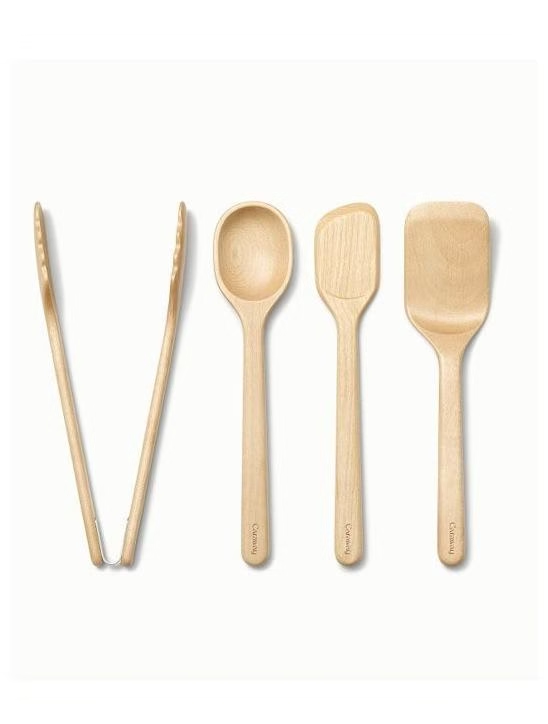
- Hand Wash Only: Always wash your wooden utensils by hand using mild soap and warm water. Avoid using a dishwasher, as the high heat and moisture can cause the wood to warp or crack.
- Dry Thoroughly: After washing, dry your utensils immediately with a clean towel. Allowing them to air dry can lead to moisture absorption, which may damage the wood over time.
- Apply Mineral Oil: Regularly treat your wooden utensils with food-grade mineral oil to keep them hydrated and prevent drying or cracking. This is especially important if you use your utensils frequently.
- Avoid Soaking: Never soak wooden utensils in water for extended periods. Prolonged exposure to moisture can cause the wood to swell, warp, or develop mold.
- Use Separate Utensils for Raw Meat: To prevent cross-contamination, designate specific wooden utensils for raw meat and others for cooked foods. This helps maintain food safety in your kitchen.
- Store Properly: Store your wooden utensils in a dry, well-ventilated area. A utensil holder or wall-mounted rack is ideal for keeping them organized and accessible.
- Sand Lightly if Needed: If your utensils develop rough spots over time, lightly sand them with fine-grit sandpaper to restore their smooth finish. This will also help prevent splinters.
- Avoid High Heat: While wooden utensils are heat-resistant, avoid leaving them in direct contact with high heat sources for prolonged periods. This can cause the wood to dry out or become brittle.
- Choose the Right Wood: Opt for utensils made from hardwoods like bamboo, olive wood, or beechwood. These materials are durable, resistant to moisture, and less likely to warp or crack.
- Replace When Necessary: If your wooden utensils become heavily stained, cracked, or develop deep grooves, it’s time to replace them. Using damaged utensils can harbor bacteria and affect food safety.