17 Stir-Fry Recipes
Discover 17 easy stir-fry recipes for quick, healthy meals. Perfect for busy weeknights, these homemade stir-fry dishes are packed with flavor and nutrients.
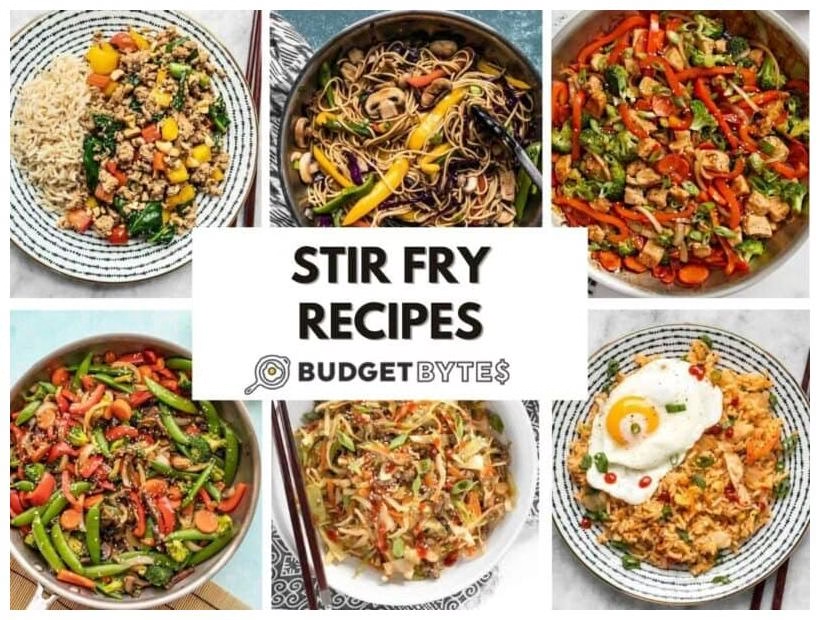
Stir-frying is one of the quickest and healthiest ways to prepare a meal. Whether you’re a busy professional, a parent on the go, or someone who loves flavorful dishes, stir-fry recipes are a perfect choice. These 17 easy stir-fry recipes will inspire you to create delicious meals in no time.
Stir-frying involves cooking ingredients quickly over high heat, which helps retain their nutrients and vibrant colors. It’s a versatile cooking method that allows you to use a variety of proteins, vegetables, and sauces. From classic chicken stir-fry to creative vegetable stir-fry dishes, there’s something for everyone. For more inspiration, check out our chicken cacciatore recipe.
Why Stir-Fry Recipes Are Perfect for Busy Weeknights
Stir-fry recipes are ideal for busy weeknights because they are quick to prepare and cook. Most stir-fry dishes can be made in under 30 minutes, making them a convenient option for those with tight schedules. Additionally, stir-frying requires minimal cleanup, as everything is cooked in one pan. For a hearty meal, consider pairing your stir-fry with baked lasagna rolls.
Essential Ingredients for Stir-Fry Recipes
To create delicious stir-fry dishes, you’ll need a few essential ingredients:
- Protein: Chicken, beef, shrimp, tofu, or tempeh.
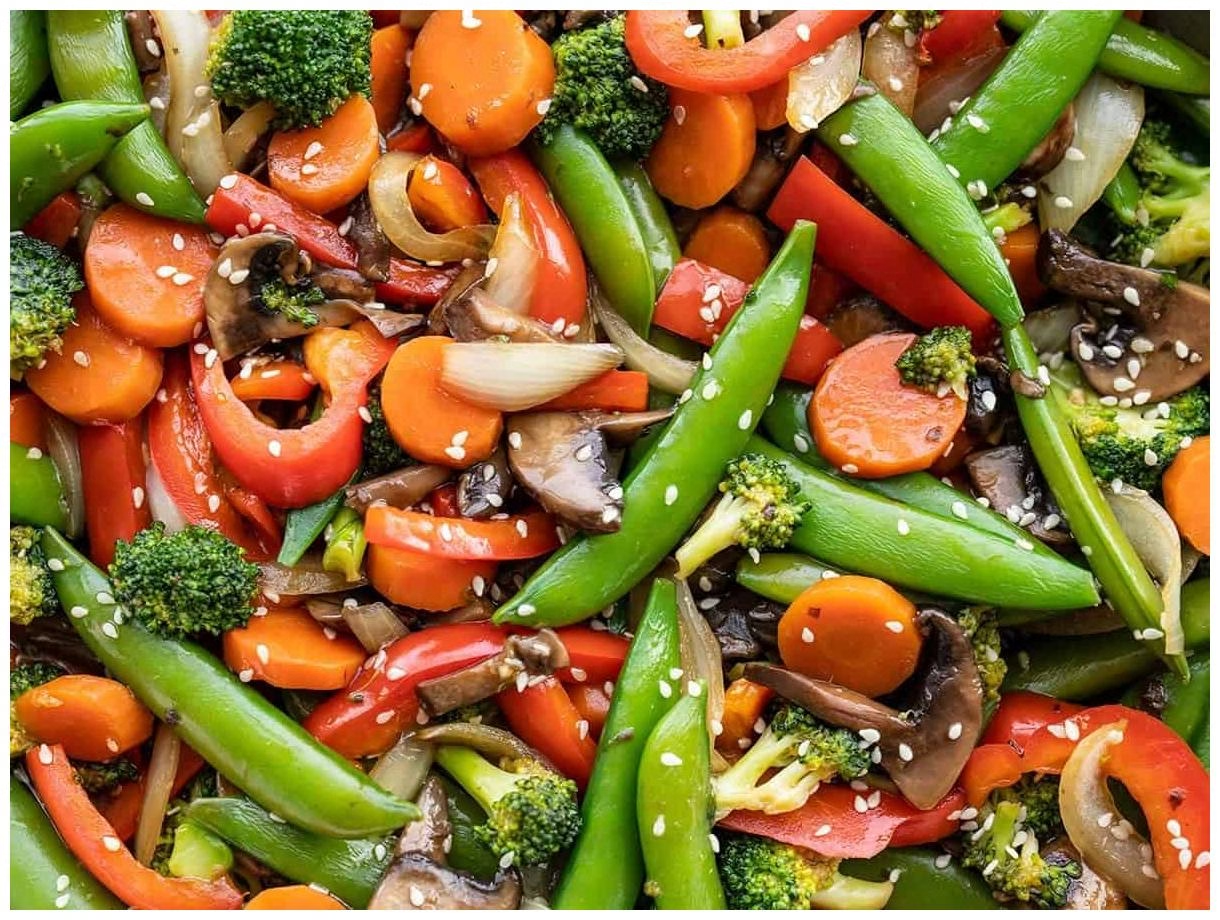
- Vegetables: Bell peppers, broccoli, carrots, snap peas, and mushrooms.
- Sauces: Soy sauce, oyster sauce, teriyaki sauce, or a homemade stir-fry sauce.
- Aromatics: Garlic, ginger, and green onions.
- Oil: Sesame oil, peanut oil, or vegetable oil.
How to Make the Perfect Stir-Fry
Creating the perfect stir-fry involves a few key steps:
Step 1: Prepare Your Ingredients
Before you start cooking, make sure all your ingredients are prepped and ready to go. This includes chopping vegetables, slicing protein, and measuring out sauces. Stir-frying is a fast process, so having everything prepared will ensure smooth cooking. For tips on prepping ingredients, refer to Serious Eats’ guide on stir-frying.
Step 2: Heat Your Pan
Use a large skillet or wok and heat it over high heat. Add a small amount of oil and let it get hot before adding your ingredients. This will help prevent sticking and ensure even cooking. For more details on choosing the right oil, check out Food Network’s guide on cooking with oil.
Step 3: Cook Your Protein
Start by cooking your protein. Whether it’s chicken, beef, shrimp, or tofu, cook it until it’s browned and cooked through. Remove the protein from the pan and set it aside. For a delicious protein option, try our braised short ribs recipe.
Step 4: Stir-Fry Your Vegetables
Add your vegetables to the pan and stir-fry them until they are tender but still crisp. This usually takes about 3-5 minutes, depending on the vegetables you’re using. For a unique twist, consider adding stuffed artichokes to your stir-fry.
Step 5: Combine Everything
Return the cooked protein to the pan and add your sauce. Stir everything together and cook for an additional 1-2 minutes, until the sauce has thickened and everything is well-coated. For a flavorful sauce, try our penne alla vodka sauce.
Tips for Perfect Stir-Fry Recipes
Here are some tips to help you create the perfect stir-fry:
- Use High Heat: Stir-frying requires high heat to cook ingredients quickly and retain their texture and nutrients.
- Cut Ingredients Evenly: Ensure all your ingredients are cut into even-sized pieces for consistent cooking.
- Don’t Overcrowd the Pan: Overcrowding can lead to steaming instead of stir-frying, resulting in soggy ingredients.
- Use a Wok or Large Skillet: A wok is ideal for stir-frying, but a large skillet will work as well.
Serving Suggestions
Stir-fry dishes are versatile and can be served in various ways:
- Over Rice: Serve your stir-fry over steamed white or brown rice.
- With Noodles: Pair your stir-fry with noodles for a heartier meal.
- As a Side Dish: Serve stir-fried vegetables as a side dish to complement your main course. For a refreshing side, try our cucumber salad.
Storage and Reheating
Stir-fry dishes can be stored in the refrigerator for up to 3-4 days. To reheat, simply warm the stir-fry in a skillet over medium heat or microwave it until heated through. Avoid freezing stir-fry dishes with high water content vegetables, as they may become mushy upon thawing. For more information on food storage, refer to the FDA’s guide on safe food handling.
Variations and Substitutions
Stir-fry recipes are highly customizable. Here are some variations and substitutions you can try:
- Protein Swaps: Swap chicken for beef, shrimp, or tofu based on your preference.
- Vegetable Swaps: Use seasonal vegetables or whatever you have on hand.
- Sauce Variations: Experiment with different sauces like teriyaki, peanut, or sweet and sour. For a unique sauce, try our spaghetti carbonara sauce.
Nutritional Benefits of Stir-Fry Dishes
Stir-fry dishes are not only delicious but also packed with nutrients. They are rich in vitamins, minerals, and antioxidants from the vegetables. Additionally, using lean proteins and healthy oils makes stir-fry a balanced and nutritious meal option. For more information on the health benefits of stir-fry ingredients, check out EatRight’s guide on the health benefits of vegetables.
Common Questions About Stir-Fry Recipes
Here are some common questions about stir-fry recipes:
- Prep Ahead: Chop and measure all ingredients before you start cooking. Stir-frying is a fast process, so having everything ready will make it smoother.
- Use High Heat: High heat is essential for stir-frying. It ensures that ingredients cook quickly and retain their texture and nutrients.
- Cut Ingredients Evenly: Ensure all your ingredients are cut into even-sized pieces for consistent cooking.
- Don’t Overcrowd the Pan: Overcrowding can lead to steaming instead of stir-frying, resulting in soggy ingredients.
- Use a Wok or Large Skillet: A wok is ideal for stir-frying, but a large skillet will work as well.
- Experiment with Sauces: Try different sauces like teriyaki, peanut, or sweet and sour to keep your stir-fry dishes exciting.
- Add Aromatics: Garlic, ginger, and green onions add depth of flavor to your stir-fry.
- Use Fresh Ingredients: Fresh vegetables and proteins will give your stir-fry the best flavor and texture.