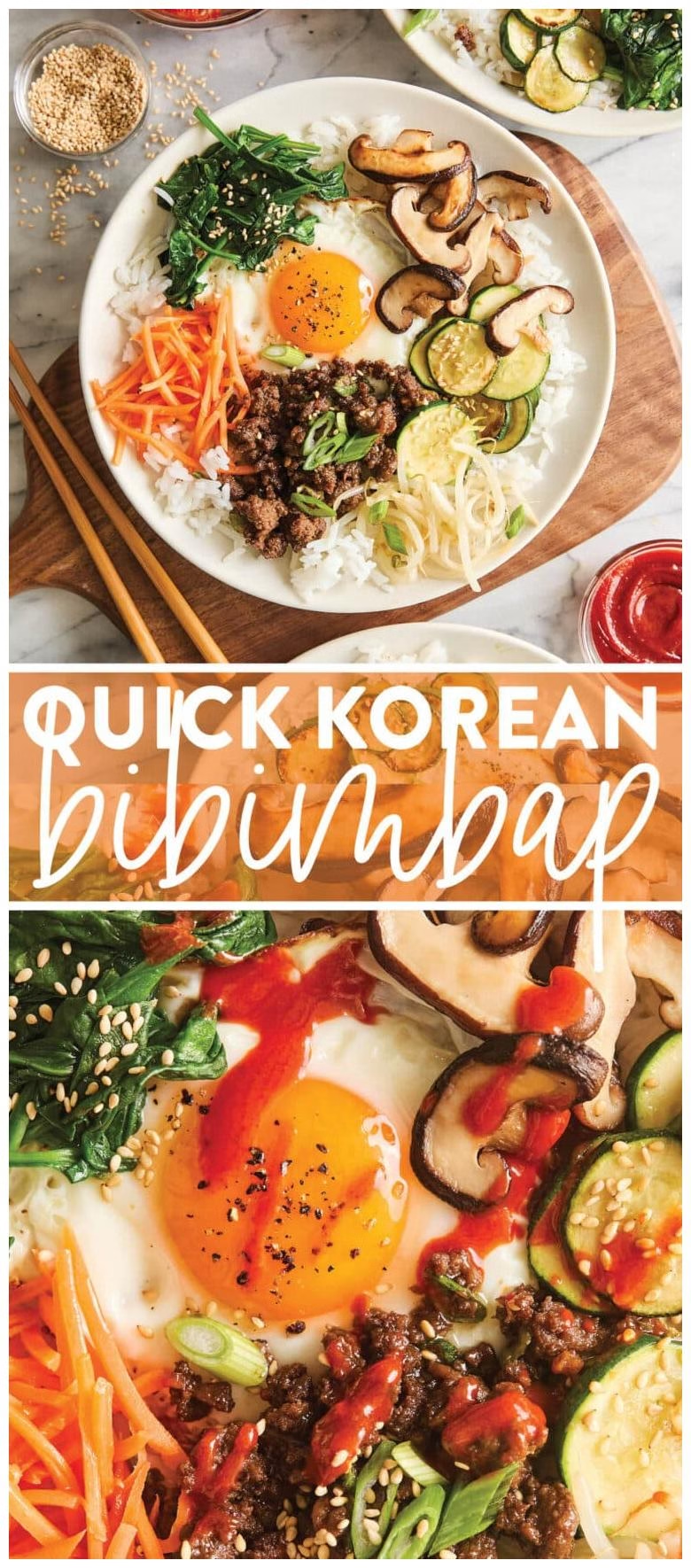
Quick Korean Bibimbap (Korean Rice Bowl)
Discover how to make Quick Korean Bibimbap at home with this easy recipe. Packed with veggies, protein, and spicy sauce for a healthy, delicious meal!
Craving a quick, flavorful meal that’s healthier than takeout? Look no further than this Quick Korean Bibimbap recipe. Packed with fresh vegetables, protein, and a spicy kick, this Korean rice bowl is a perfect balance of flavors and textures. Whether you’re a beginner or a seasoned cook, this easy bibimbap recipe will become a staple in your kitchen.
Bibimbap, which translates to “mixed rice,” is a beloved Korean dish that’s as versatile as it is delicious. You can customize it with your favorite ingredients, making it ideal for vegetarians, meat lovers, and everyone in between. Plus, it’s ready in minutes, making it a fantastic option for busy weeknights.
In this guide, we’ll walk you through everything you need to know to create the perfect homemade Korean rice bowl. From selecting the best ingredients to mastering the spicy bibimbap sauce, we’ve got you covered. Let’s dive in!
What Is Quick Korean Bibimbap?
Quick Korean Bibimbap is a simplified version of the traditional Korean rice bowl. It’s a one-bowl meal that combines steamed rice with an array of sautéed and fresh vegetables, protein (such as beef, chicken, or tofu), and a spicy-sweet sauce. The dish is typically topped with a fried egg, adding a rich, creamy element that ties everything together.
What makes this version “quick” is the use of pre-prepped ingredients and a streamlined cooking process. You can easily adapt it to suit your taste preferences or dietary needs, making it a versatile and convenient meal option.
Why You’ll Love This Easy Bibimbap Recipe
This homemade Korean rice bowl is not only delicious but also incredibly easy to make. Here’s why you’ll love it:
- Quick and Easy: Ready in under 30 minutes, this recipe is perfect for busy weeknights.
- Customizable: Swap in your favorite vegetables or proteins to make it your own.
- Healthy: Packed with fresh veggies and lean protein, it’s a balanced meal.
- Flavorful: The spicy bibimbap sauce adds a tangy, savory kick that elevates every bite.
Ingredients for Quick Korean Bibimbap
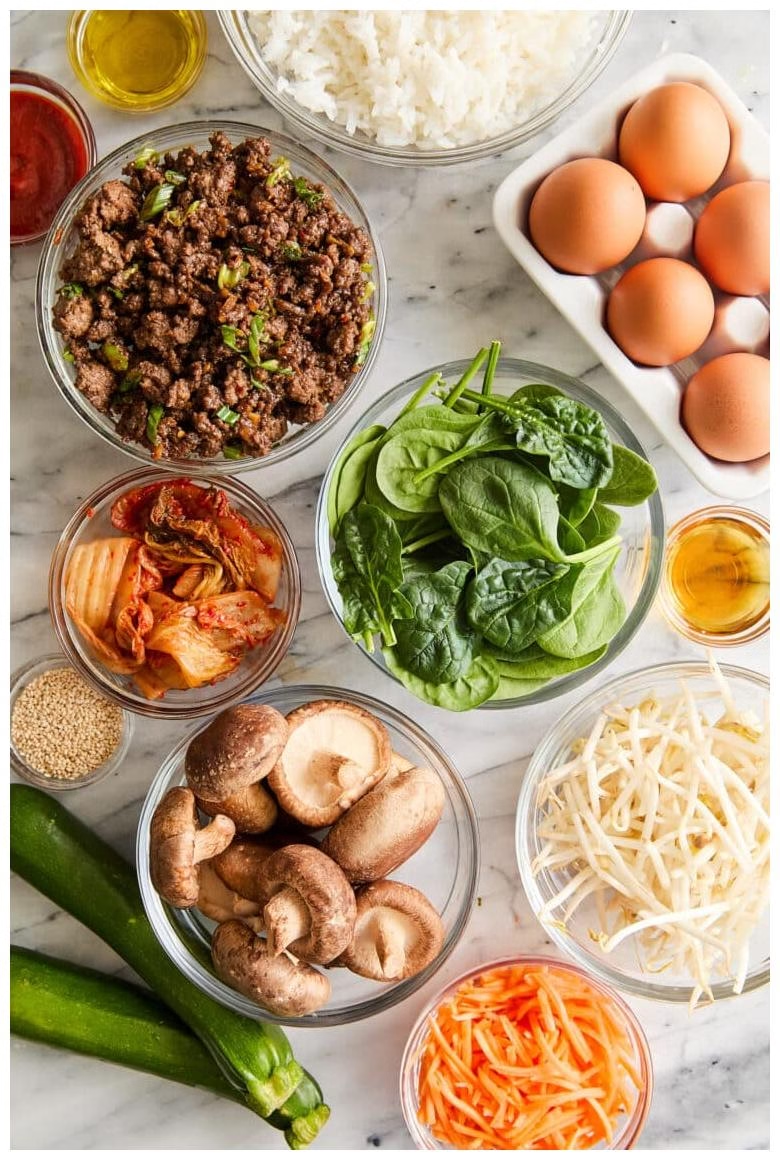
To make this easy bibimbap recipe, you’ll need a mix of fresh vegetables, protein, and pantry staples. Here’s what to gather:
For the Rice Bowl:
- 2 cups cooked white rice (short-grain preferred)
- 1 cup spinach, blanched
- 1 carrot, julienned
- 1 zucchini, julienned
- 1 cup bean sprouts, blanched
- 1/2 cup mushrooms, sliced
- 1/2 lb ground beef or tofu (for vegetarian option)
- 2 eggs, fried
- 2 tbsp sesame oil
- 2 cloves garlic, minced
- Salt and pepper to taste
For the Spicy Bibimbap Sauce:
- 3 tbsp gochujang (Korean red pepper paste)
- 1 tbsp soy sauce
- 1 tbsp honey or sugar
- 1 tbsp rice vinegar
- 1 tsp sesame oil
- 1 clove garlic, minced
How to Make Quick Korean Bibimbap – Step by Step
Follow these simple steps to create your own homemade Korean rice bowl:
Step 1: Prepare the Vegetables
Start by prepping your vegetables. Blanch the spinach and bean sprouts in boiling water for 1-2 minutes, then drain and set aside. Sauté the carrots, zucchini, and mushrooms in a pan with a drizzle of sesame oil and minced garlic until tender. Season with salt and pepper.
Step 2: Cook the Protein
In a separate pan, cook the ground beef (or tofu) over medium heat until fully cooked. Season with salt, pepper, and a dash of soy sauce for extra flavor. Set aside.
Step 3: Make the Spicy Bibimbap Sauce
In a small bowl, whisk together the gochujang, soy sauce, honey, rice vinegar, sesame oil, and minced garlic. Adjust the sweetness or spiciness to your liking by adding more honey or gochujang.
Step 4: Assemble the Bibimbap
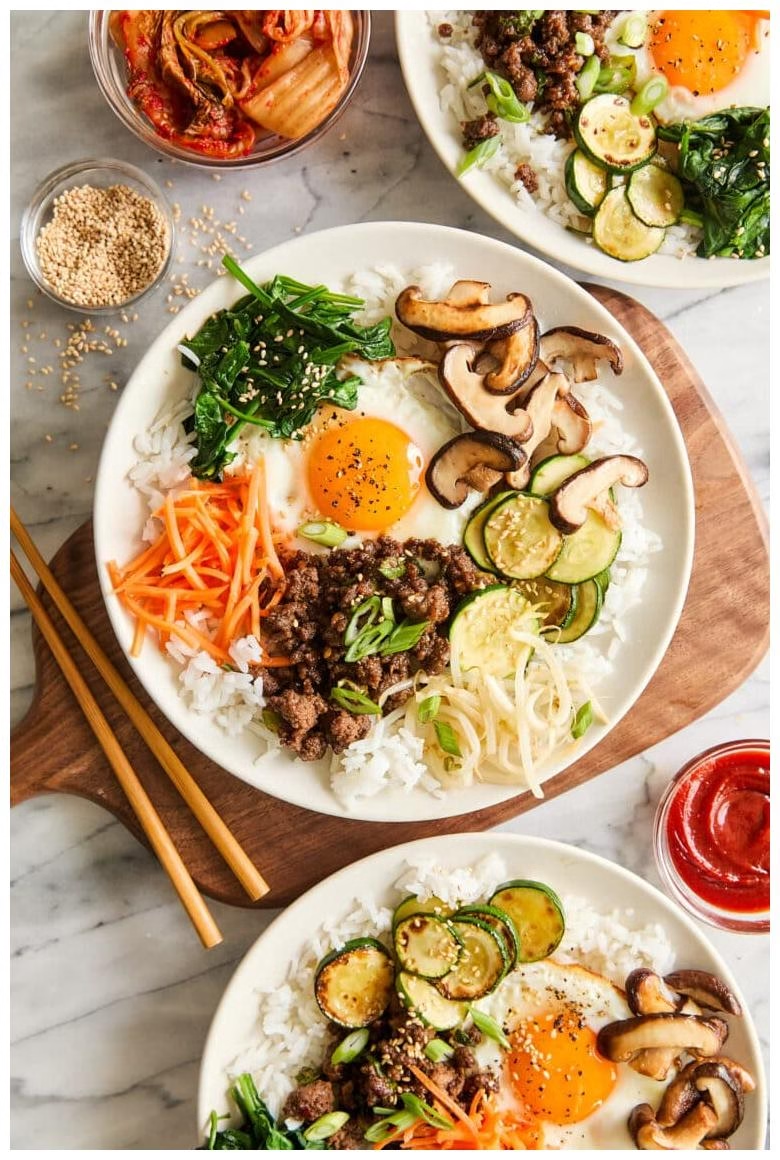
Divide the cooked rice among serving bowls. Arrange the sautéed vegetables and protein on top of the rice. Place a fried egg in the center of each bowl.
Step 5: Serve and Enjoy
Drizzle the spicy bibimbap sauce over the top of each bowl. Mix everything together before eating to combine all the flavors. Serve immediately and enjoy your delicious, homemade Korean rice bowl!
Expert Tips for Perfect Quick Korean Bibimbap
To take your bibimbap to the next level, keep these tips in mind:
- Use Short-Grain Rice: Short-grain rice is stickier and holds up better to mixing, making it ideal for bibimbap.
- Prep Ahead: Chop and blanch your vegetables in advance to save time during cooking.
- Customize Your Sauce: Adjust the spiciness of the sauce by adding more or less gochujang.
Serving Suggestions
Bibimbap is a complete meal on its own, but you can pair it with other Korean dishes for a full spread. Try serving it with:
Storage and Reheating
Store any leftovers in an airtight container in the refrigerator for up to 3 days. To reheat, microwave until warm, or reheat the components separately in a pan. Note that the fried egg is best enjoyed fresh.
Variations and Substitutions
This recipe is highly customizable. Here are some ideas to switch it up:
Vegetarian Bibimbap
Replace the ground beef with tofu or tempeh for a vegetarian-friendly version. You can also add more vegetables like bell peppers or broccoli.
Spicy Bibimbap Sauce Variations
If you prefer a milder sauce, reduce the amount of gochujang and add a bit of ketchup or tomato paste for sweetness. For extra heat, add a dash of sriracha or red pepper flakes.
Nutritional Benefits
This Quick Korean Bibimbap is not only delicious but also packed with nutrients. The vegetables provide essential vitamins and minerals, while the protein keeps you full and satisfied. The spicy sauce adds a metabolic boost, making this dish both tasty and healthy.
Common Questions About Quick Korean Bibimbap
Here are some frequently asked questions about making bibimbap at home:
- Use Room Temperature Ingredients: Ensure your vegetables and protein are at room temperature before cooking for even cooking and better flavor absorption.
- Don’t Overcook the Vegetables: Sauté them just until tender-crisp to retain their texture and nutrients.
- Reserve Some Sauce: Serve extra spicy bibimbap sauce on the side so everyone can adjust the spice level to their liking.
- Use Fresh Ingredients: Fresh vegetables and high-quality protein make a big difference in flavor.
- Prep in Batches: If making multiple servings, prep ingredients in batches to streamline the cooking process.
- Experiment with Toppings: Try adding avocado, pickled radish, or sesame seeds for extra flavor and texture.
- Cook Rice Ahead: Make the rice in advance and store it in the fridge to save time.
- Adjust Sauce Consistency: If the sauce is too thick, thin it with a little water or rice vinegar.