Vegan Pho
Discover how to make a delicious vegan pho recipe at home. Packed with aromatic flavors and easy steps, perfect for a comforting meal.
Craving a warm, comforting bowl of pho but want to keep it plant-based? This easy vegan pho recipe is the perfect solution. Packed with aromatic spices, fresh herbs, and hearty vegetables, it brings the authentic flavors of Vietnamese cuisine right to your kitchen. Whether you’re a seasoned cook or a beginner, this recipe is simple to follow and delivers a bowl of goodness that’s both nourishing and delicious.
Pho is traditionally a Vietnamese noodle soup made with beef or chicken broth, but this vegan version is just as flavorful. By using a combination of mushrooms, spices, and vegetable broth, we create a rich and savory base that rivals any traditional pho. Plus, it’s customizable, so you can add your favorite veggies and toppings to make it your own.
Ready to dive into the world of vegan pho? Let’s get started!
What Is Vegan Pho?
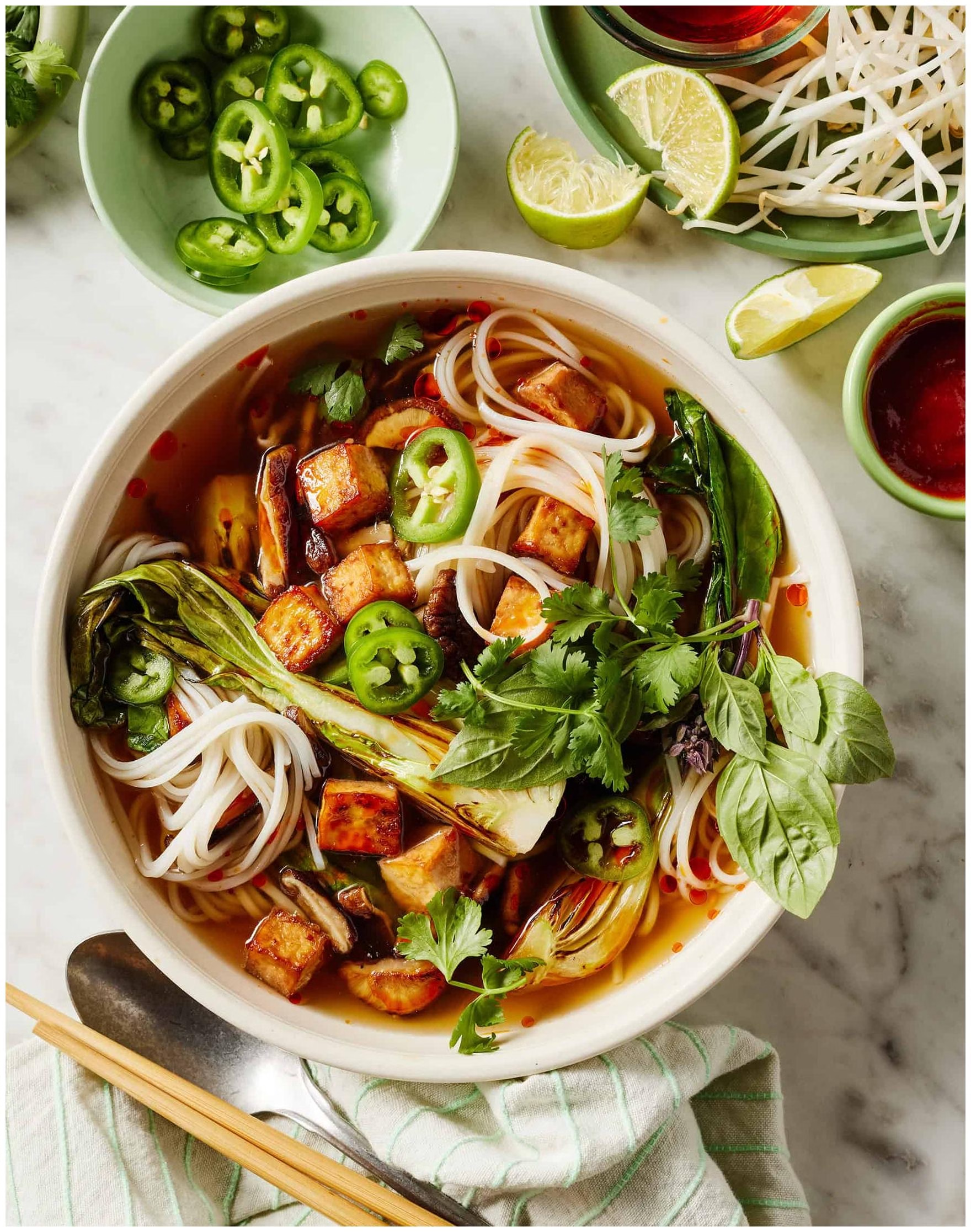
Vegan pho is a plant-based twist on the classic Vietnamese noodle soup. Instead of using meat-based broth, this version relies on a combination of mushrooms, onions, ginger, and aromatic spices to create a deeply flavorful broth. The dish is typically served with rice noodles, fresh herbs, bean sprouts, and lime wedges, making it a light yet satisfying meal.
Why You’ll Love This Vegan Pho Recipe
This vegan pho recipe is not only delicious but also incredibly versatile. Here’s why you’ll love it:
- Rich and Aromatic: The broth is infused with spices like star anise, cinnamon, and cloves, giving it a complex and fragrant flavor.
- Customizable: Add your favorite vegetables, tofu, or even vegan meat substitutes to make it your own.
- Comforting and Nourishing: Perfect for cold days or whenever you need a warm, comforting meal.
- Easy to Make: Despite its rich flavors, this recipe is straightforward and doesn’t require any fancy techniques.
Ingredients for Vegan Pho
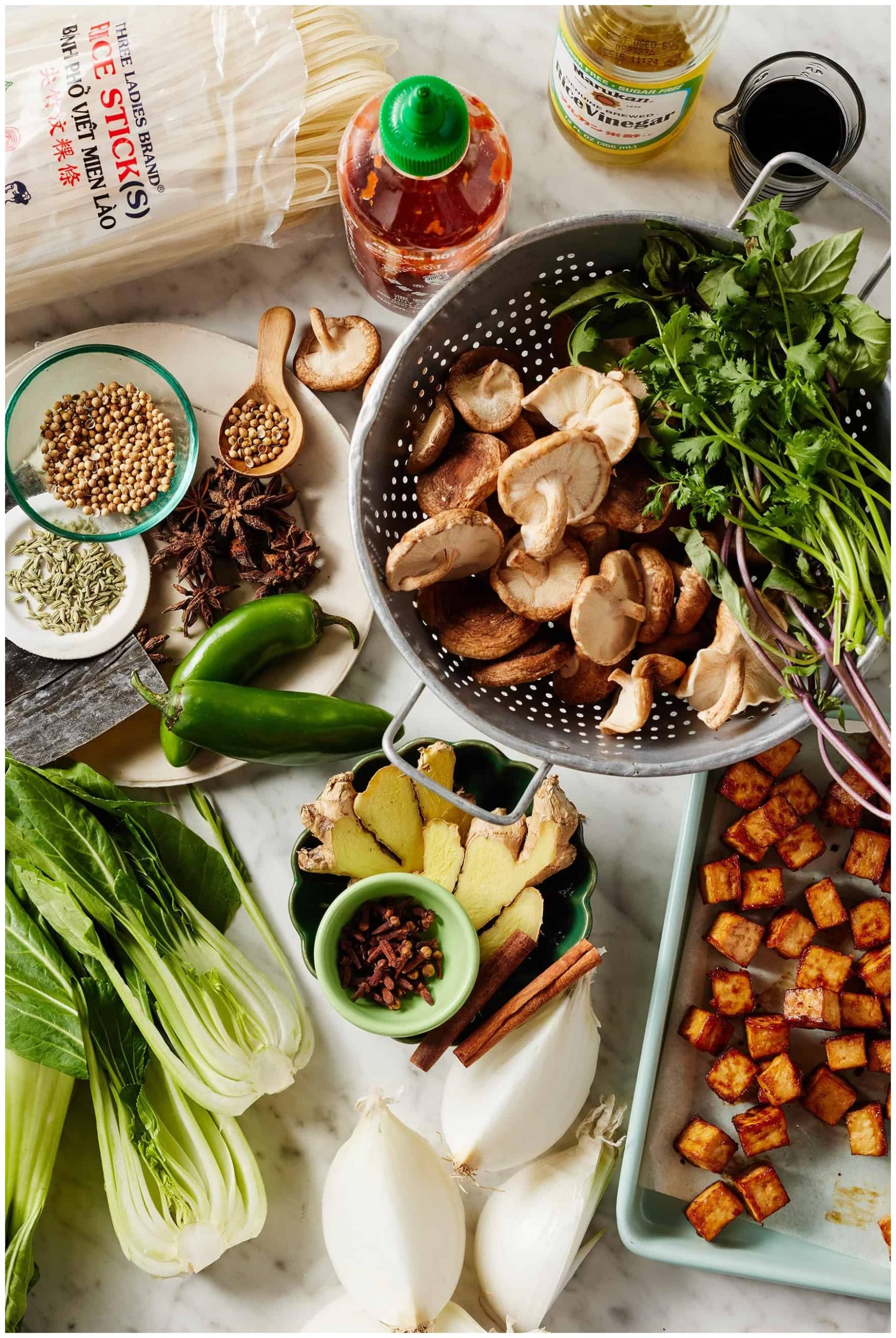
To make this vegan pho recipe, you’ll need a mix of fresh ingredients and aromatic spices. Here’s what you’ll need:
For the Broth:
- 1 large onion, halved
- 1 piece of ginger (about 3 inches), sliced
- 4-5 star anise pods
- 1 cinnamon stick
- 3-4 cloves
- 1 teaspoon coriander seeds
- 1 teaspoon fennel seeds
- 8 cups vegetable broth
- 1 cup dried shiitake mushrooms
- 2 tablespoons soy sauce or tamari
- 1 tablespoon maple syrup or coconut sugar
- Salt to taste
For the Pho Bowls:
- 8 oz rice noodles
- 1 cup bean sprouts
- 1 bunch fresh cilantro, chopped
- 1 bunch fresh Thai basil, chopped
- 1 lime, cut into wedges
- 1 jalapeño, sliced (optional)
- 1 cup sliced mushrooms (optional)
- 1 block firm tofu, sliced and pan-fried (optional)
How to Make Vegan Pho – Step by Step
Follow these simple steps to create a delicious bowl of vegan pho:
Step 1: Char the Onion and Ginger
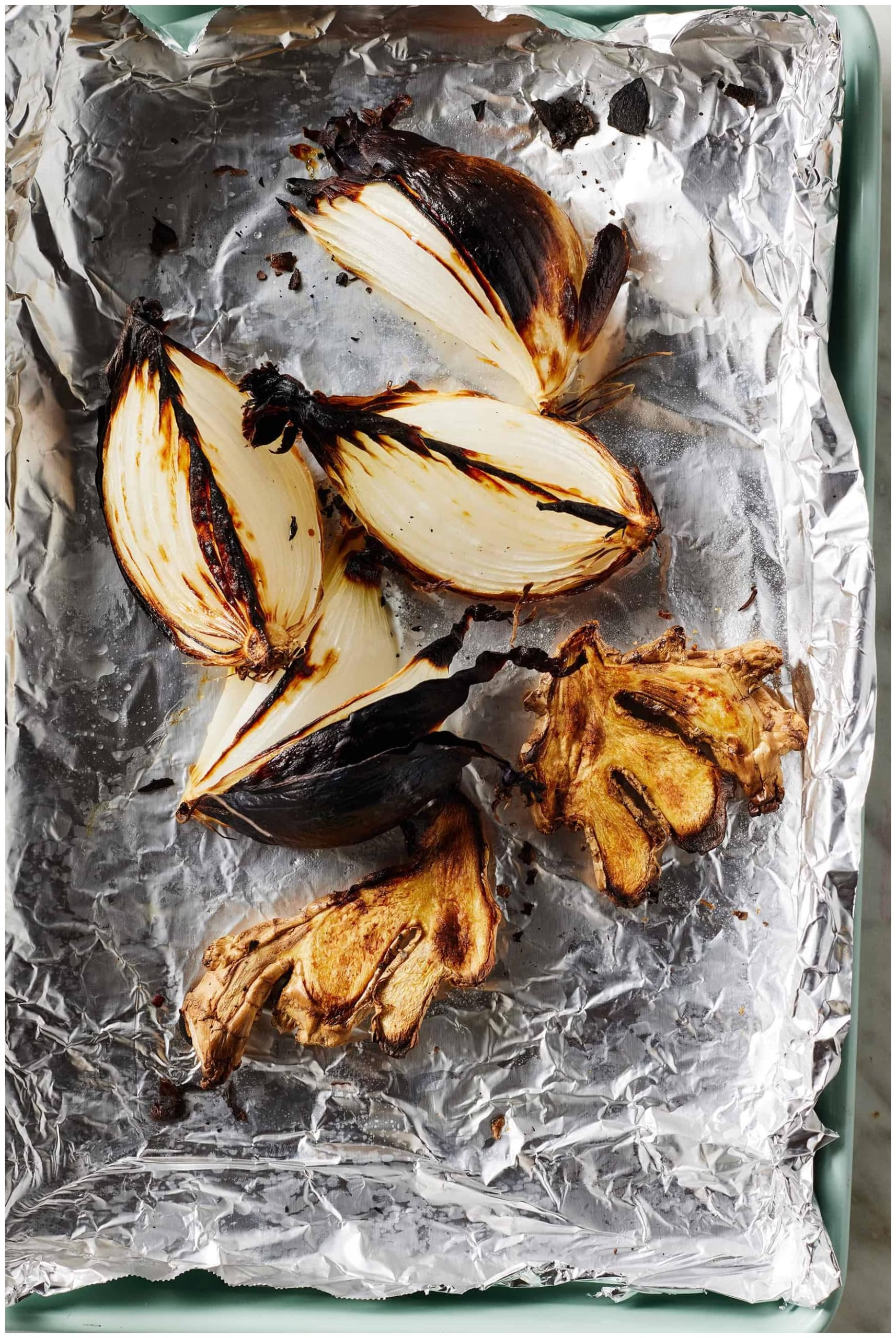
Heat a dry skillet over medium heat. Add the halved onion and sliced ginger, cut-side down. Let them char for about 5-7 minutes, until they’re slightly blackened. This step adds a smoky depth to the broth.
Step 2: Toast the Spices
In the same skillet, add the star anise, cinnamon stick, cloves, coriander seeds, and fennel seeds. Toast for 1-2 minutes until fragrant. Be careful not to burn them.
Step 3: Simmer the Broth
In a large pot, combine the vegetable broth, charred onion, ginger, toasted spices, dried shiitake mushrooms, soy sauce, and maple syrup. Bring to a boil, then reduce the heat and let it simmer for 20-25 minutes. Strain the broth to remove the spices and mushrooms.
Step 4: Prepare the Noodles
Soak the rice noodles in hot water for about 10-15 minutes, or until they’re soft. Drain and set aside.
Step 5: Assemble the Pho Bowls
Divide the noodles among bowls. Ladle the hot broth over the noodles. Top with bean sprouts, fresh herbs, lime wedges, jalapeño slices, and any additional toppings like mushrooms or tofu.
Expert Tips for Perfect Vegan Pho
To elevate your vegan pho, consider these expert tips:
- Use Fresh Herbs: Fresh cilantro and Thai basil add brightness and depth to the dish.
- Char the Vegetables: Charred onion and ginger enhance the broth’s smoky flavor.
- Toast the Spices: Lightly toasting the spices brings out their essential oils and intensifies their flavors.
Serving Suggestions
Vegan pho is a complete meal on its own, but you can pair it with:
- Spring rolls or summer rolls for a light appetizer.
- A side of crispy tofu or vegan dumplings.
- A refreshing Vietnamese salad for added crunch.
Storage and Reheating
Store leftover broth in an airtight container in the refrigerator for up to 3 days. Reheat gently on the stove before serving. Keep the noodles and toppings separate to maintain their texture.
Variations and Substitutions
Customize your vegan pho with these variations:
- Spicy Pho: Add sliced jalapeños or a dash of sriracha for heat.
- Protein-Packed: Include pan-fried tofu or tempeh for extra protein.
- Gluten-Free: Use tamari instead of soy sauce and gluten-free noodles.
Nutritional Benefits
This vegan pho is not only delicious but also packed with nutrients. The broth is rich in antioxidants from the spices, while the vegetables and herbs provide essential vitamins and minerals. It’s a wholesome meal that’s both satisfying and nourishing.
Common Questions About Vegan Pho
Here are some answers to frequently asked questions about vegan pho:
- Use Fresh Ingredients: Fresh herbs and vegetables make a big difference in flavor. Opt for organic produce when possible.
- Char the Onion and Ginger: This step adds a smoky depth to the broth that’s essential for authentic flavor.
- Toast the Spices: Lightly toasting the spices before adding them to the broth enhances their aroma and taste.
- Simmer the Broth: Let the broth simmer for at least 20 minutes to allow the flavors to meld together.
- Customize Your Toppings: Add your favorite vegetables, tofu, or vegan meat substitutes to make the dish your own.
- Use a Fine Mesh Strainer: Straining the broth ensures a smooth and clear liquid, free of any spice particles.
- Prep Ahead: Make the broth a day ahead and store it in the fridge. This allows the flavors to develop even more.
- Keep Noodles Separate: Store noodles separately to prevent them from becoming soggy when reheating.