Homemade Ketchup
Discover how to make delicious homemade ketchup with simple ingredients. This easy ketchup recipe is healthy, sugar-free, and perfect for any meal!
Have you ever wondered how to make homemade ketchup that tastes better than store-bought? This easy homemade ketchup recipe is not only delicious but also healthier, as it avoids unnecessary additives and sugars. Whether you’re looking for a sugar-free ketchup or a DIY ketchup project, this recipe is perfect for you.
Homemade ketchup allows you to control the ingredients, ensuring a fresher and more flavorful condiment. Plus, it’s surprisingly simple to make with just a few basic ingredients. Let’s dive into how you can create this tangy, sweet, and versatile sauce right in your kitchen.
Why Make Homemade Ketchup?
Store-bought ketchup often contains high fructose corn syrup, preservatives, and artificial flavors. By making your own, you can avoid these additives and tailor the taste to your liking. This homemade ketchup recipe is a healthier alternative, packed with natural flavors and free from unnecessary sugars. For more insights on the benefits of homemade condiments, check out this article on homemade condiments.
The Benefits of DIY Ketchup
Creating your own ketchup means you can experiment with flavors, adjust sweetness, and even make it sugar-free. It’s a fun and rewarding process that results in a condiment you’ll be proud to serve. If you enjoy making condiments, you might also like our homemade marinara sauce.
Ingredients for Homemade Ketchup
To make this easy ketchup recipe, you’ll need the following ingredients:
- 2 lbs fresh tomatoes or 28 oz canned tomato puree
- 1 small onion, finely chopped
- 2 cloves garlic, minced
- 1/2 cup apple cider vinegar
- 1/4 cup honey or maple syrup (or a sugar substitute for sugar-free ketchup)
- 1 tsp salt
- 1/2 tsp black pepper
- 1/2 tsp ground cinnamon
- 1/4 tsp ground cloves
- 1/4 tsp ground allspice
How to Make Homemade Ketchup – Step by Step
Follow these simple steps to create your own delicious homemade ketchup:
Step 1: Prepare the Tomatoes
If using fresh tomatoes, blanch them in boiling water for 1 minute, then transfer to an ice bath. Peel and chop the tomatoes. If using canned tomato puree, skip this step. For tips on selecting the best tomatoes, refer to this guide on selecting tomatoes.
Step 2: Cook the Ingredients
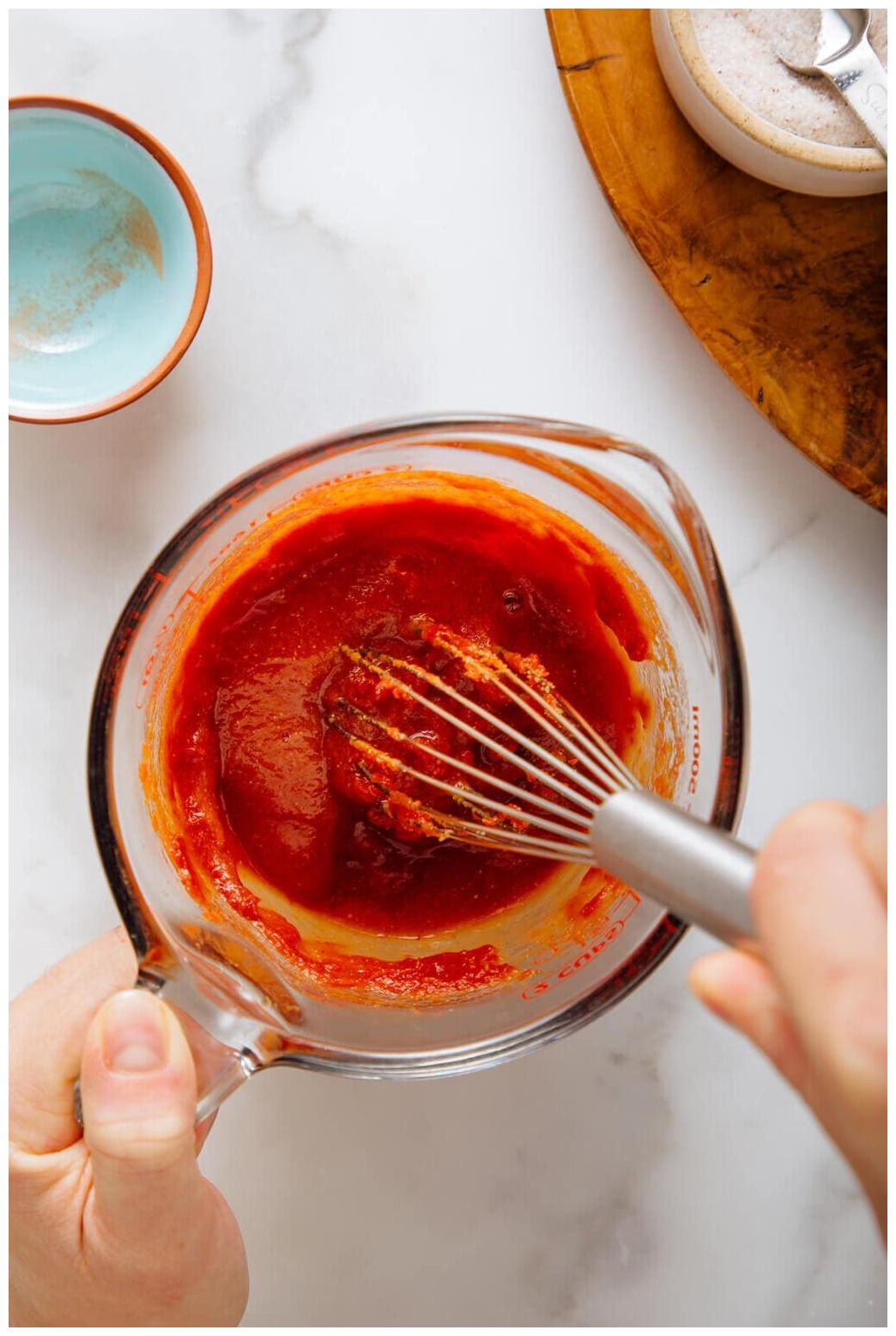
In a large pot, combine the tomatoes, onion, garlic, apple cider vinegar, honey (or sugar substitute), salt, pepper, cinnamon, cloves, and allspice. Bring to a boil, then reduce the heat and let it simmer for 30 minutes, stirring occasionally. For more information on cooking techniques, visit Food Network’s cooking guide.
Step 3: Blend the Mixture
Once the mixture has thickened, remove it from the heat and let it cool slightly. Use an immersion blender or transfer the mixture to a blender to puree until smooth. If you enjoy blending techniques, you might also like our guide on making gelato.
Step 4: Strain and Store
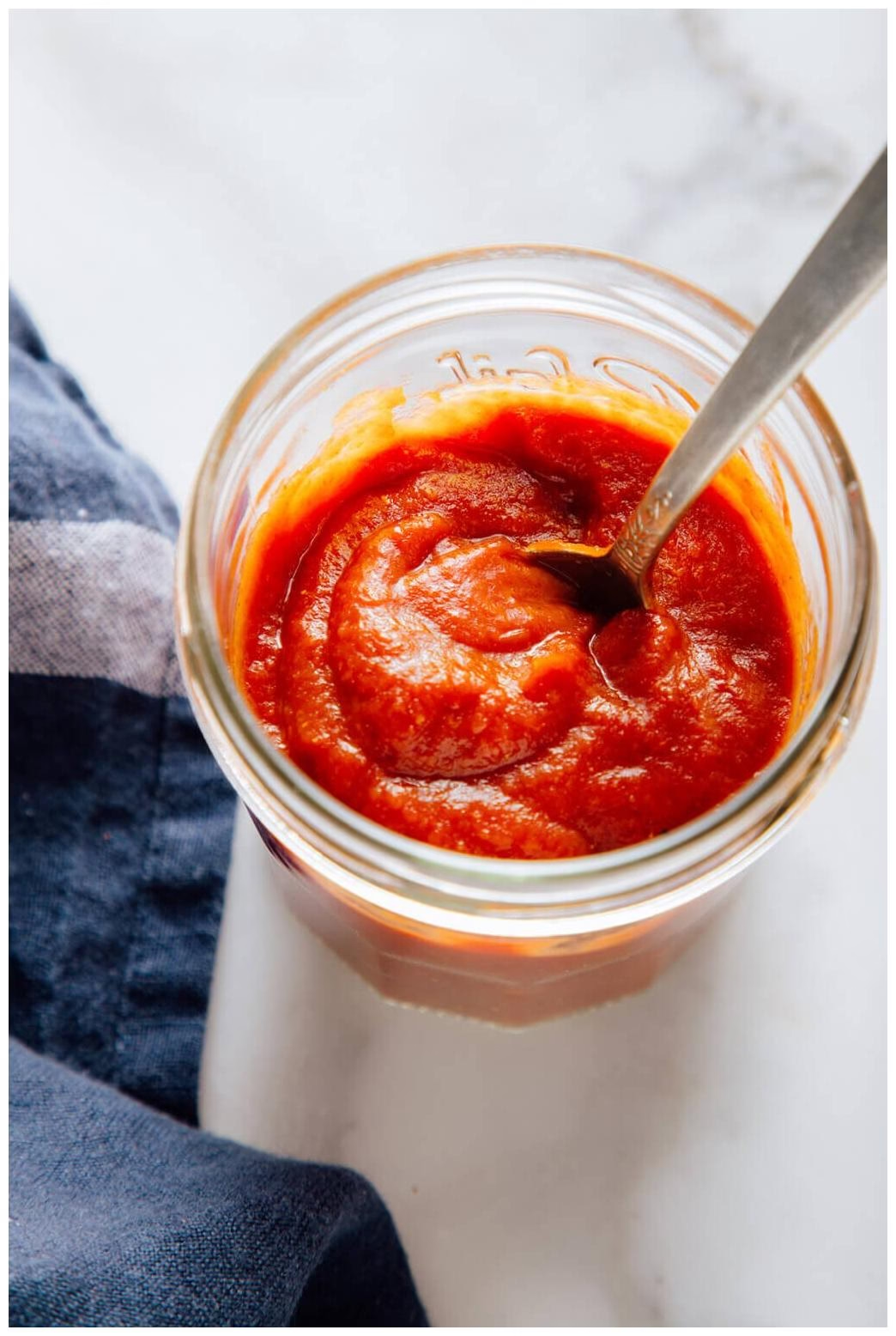
Strain the ketchup through a fine-mesh sieve to remove any remaining seeds or skins. Pour the ketchup into a clean jar or bottle and let it cool completely before sealing. Store in the refrigerator for up to 2 weeks. For more storage tips, check out the FDA’s food safety guidelines.
Expert Tips for Perfect Homemade Ketchup
Creating the perfect homemade ketchup involves a few key techniques. Here are some tips to ensure your ketchup turns out flawless every time:
Adjusting the Sweetness
If you prefer a sweeter ketchup, add a bit more honey or maple syrup. For a sugar-free version, use a natural sugar substitute like stevia or erythritol. For more tips on adjusting sweetness, visit The Kitchn’s guide on adjusting sweetness.
Enhancing the Flavor
For a deeper flavor, consider adding a splash of Worcestershire sauce or a pinch of smoked paprika. These ingredients can add complexity to your ketchup. If you enjoy experimenting with flavors, you might also like our spicy beef empanadas recipe.
Serving Suggestions
Homemade ketchup is incredibly versatile. Use it as a dip for fries, a topping for burgers, or a condiment for sandwiches. It also pairs well with grilled meats and vegetables. For more serving ideas, check out our grilled cheese pizza recipe.
Storage Instructions
Store your homemade ketchup in an airtight container in the refrigerator. It will keep for up to 2 weeks. For longer storage, consider freezing it in small portions. For more storage tips, visit USDA’s food safety page.
Variations and Substitutions
Feel free to experiment with different ingredients to customize your ketchup. For example, you can add a dash of hot sauce for a spicy kick or use different types of vinegar for a unique tang. For more variation ideas, check out our spicy ketchup recipe.
Spicy Ketchup
Add a teaspoon of cayenne pepper or a few drops of hot sauce to give your ketchup a spicy twist. For more spicy recipes, visit our spicy beef empanadas recipe.
Smoky Ketchup
Incorporate a teaspoon of smoked paprika or a few drops of liquid smoke for a smoky flavor. For more smoky recipes, check out our braised short ribs recipe.
Nutritional Benefits
This homemade ketchup is not only delicious but also packed with nutrients. Tomatoes are rich in vitamins A and C, as well as antioxidants like lycopene. By making your own ketchup, you can enjoy these benefits without the added sugars and preservatives found in store-bought versions. For more information on the nutritional benefits of tomatoes, visit Nutrition.gov’s vegetable guide.
Common Questions About Homemade Ketchup
Here are some frequently asked questions about making homemade ketchup:

- Use Fresh Tomatoes: For the best flavor, use fresh, ripe tomatoes. They provide a natural sweetness and richness that canned tomatoes may lack.
- Simmer Slowly: Allow the ketchup to simmer on low heat to develop a deeper flavor. Rushing the process can result in a thinner, less flavorful sauce.
- Adjust Consistency: If your ketchup is too thick, add a bit of water or vinegar to thin it out. If it’s too thin, simmer it longer to reduce and thicken.
- Experiment with Spices: Don’t be afraid to tweak the spices to suit your taste. Adding a pinch of nutmeg or a dash of soy sauce can enhance the flavor.
- Store Properly: Always store your homemade ketchup in a clean, airtight container in the refrigerator to maintain freshness.
- Use a Blender: For a smoother texture, use a blender or immersion blender to puree the mixture before straining.
- Taste as You Go: Regularly taste the ketchup as it cooks and adjust the seasoning as needed. This ensures the perfect balance of sweet, tangy, and spicy flavors.
- Make a Big Batch: Consider doubling the recipe and freezing portions for later use. Homemade ketchup freezes well and can be thawed as needed.