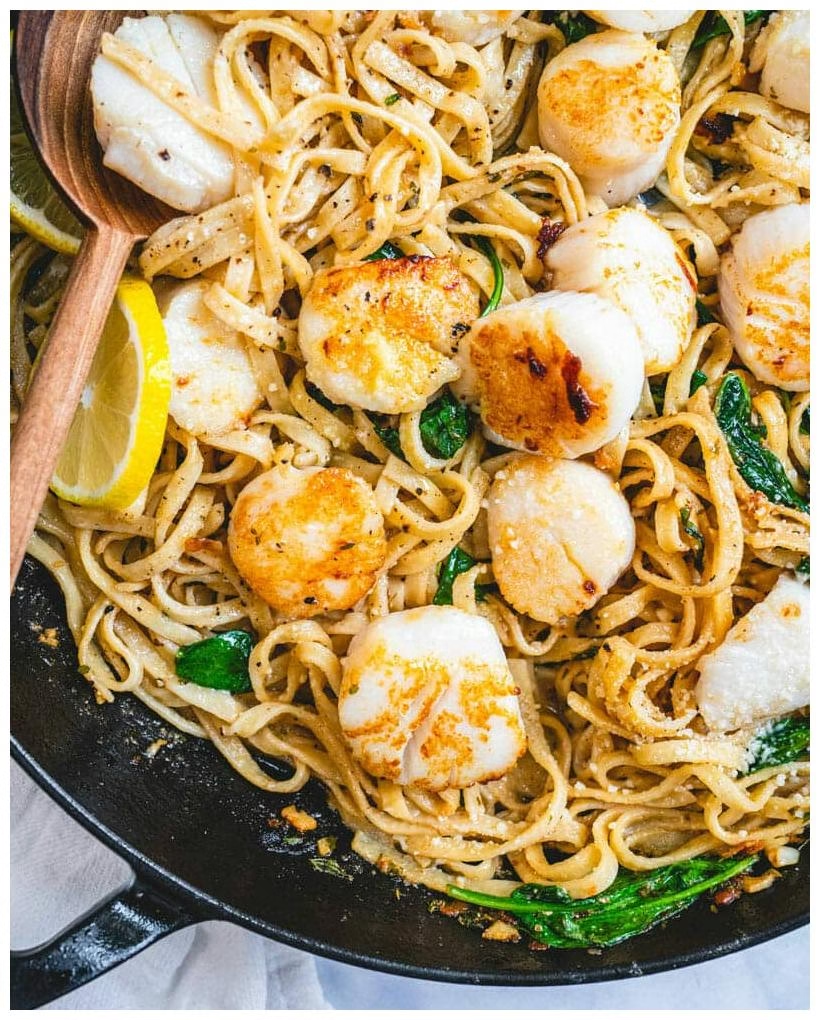
Scallop Pasta with Lemon & Herbs
Make buttery lemon scallop pasta in 30 minutes. This easy seafood recipe delivers restaurant‑quality flavor—ideal for weeknight dinners and impressing guests!
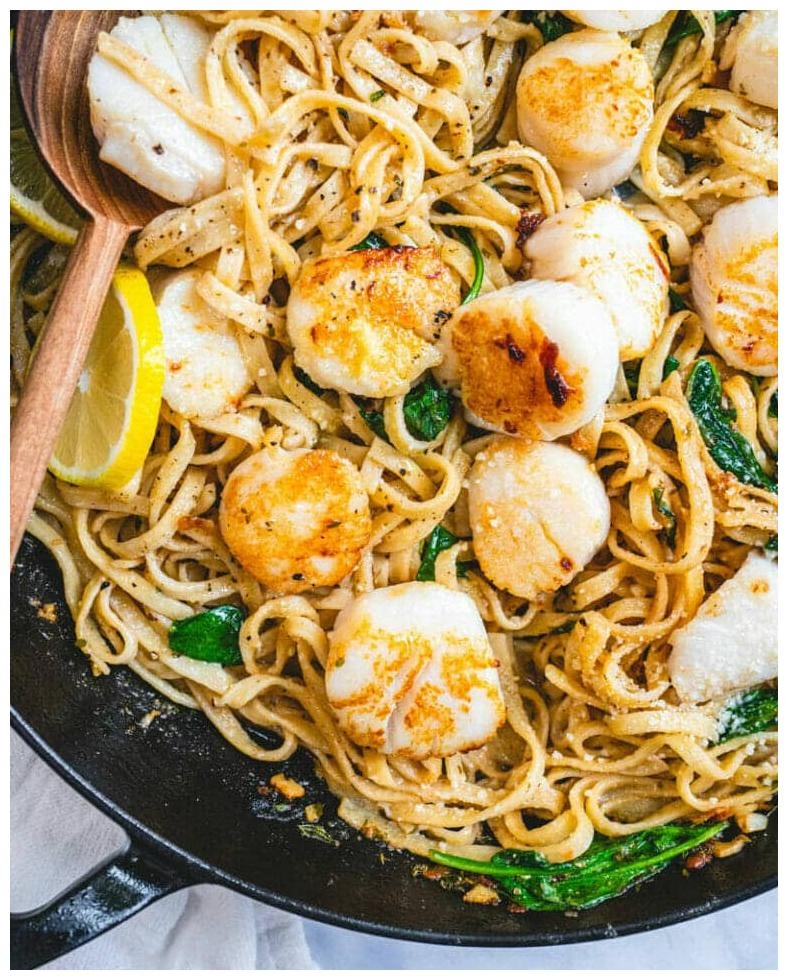
Lemon Scallop Pasta is a quick, elegant seafood dish that brings together buttery scallops, bright lemon, and fresh herbs tossed with al dente pasta. This recipe delivers restaurant‑quality flavor in just 30 minutes, making it perfect for busy weeknights or special occasions.
The combination of seared scallops and a silky lemon‑herb sauce creates a comforting yet light meal that feels indulgent without being heavy. Whether you are cooking for a romantic dinner or a family gathering, this dish impresses with its vibrant aroma and satisfying texture.
Lemon Scallop Pasta Overview
This Lemon Scallop Pasta Overview highlights why the dish has become a favorite among home cooks and professional chefs alike. The bright citrus notes balance the richness of butter, while the herbs add a fresh finish that elevates simple ingredients into a gourmet experience.
What Makes Lemon Scallop Pasta Special
What makes Lemon Scallop Pasta special is the perfect harmony between the seared scallops and the zesty sauce. Each bite offers a contrast of textures: the tender seafood, the firm pasta, and the glossy coating that clings to every strand. The dish also offers flexibility, allowing cooks to swap herbs or adjust the acidity to suit personal taste.
Choosing Fresh Scallops for Lemon Scallop Pasta
Choosing fresh scallops for Lemon Scallop Pasta is crucial because fresh scallops sear quickly and develop a caramelized crust that locks in moisture. Look for scallops that are firm to the touch, have a sweet sea aroma, and are free of any fishy odor. If you are using frozen scallops, be sure to thaw them slowly in the refrigerator and pat them dry before cooking. For optimal flavor, select best lemons for zest and juice.
Ingredients for Lemon Scallop Pasta
Gathering the right ingredients for Lemon Scallop Pasta ensures a balanced flavor profile and a silky sauce. Below is a concise list of everything you will need to create this delightful dish.
- 12 large sea scallops, dry‑aged if possible
- 8 ounces linguine or spaghetti
- 2 tablespoons olive oil
- 2 tablespoons unsalted butter
- 3 cloves garlic, minced
- Zest and juice of 1 large lemon
- ¼ cup fresh parsley, chopped
- ¼ cup fresh thyme leaves
- ¼ cup grated Parmesan cheese, optional
- Salt and freshly ground black pepper
- ½ cup reserved pasta water
How to Make Lemon Scallop Pasta – Step by Step
Learning how to make Lemon Scallop Pasta is straightforward when you follow a few key techniques. This step‑by‑step guide walks you through preparation, cooking, and finishing so you can serve a flawless plate every time.
Step 1: Prepare the Scallops
Step 1: Prepare the scallops by patting them completely dry with paper towels; moisture prevents a proper sear. A dry surface allows the scallops to develop a golden crust that locks in juices. For safe handling, refer to food safety guidelines.
Step 2: Cook the Pasta
Step 2: Cook the pasta in a large pot of salted boiling water until it reaches al dente doneness, usually about one minute less than the package suggests. Reserve at least one cup of the starchy cooking water before draining, as this liquid will help emulsify the sauce later. Drain the pasta and set it aside.
Step 3: Build the Lemon Herb Sauce
Step 3: Build the lemon herb sauce by melting butter with olive oil in the same skillet used for the scallops. Add minced garlic and sauté briefly until fragrant, then stir in lemon zest and juice, letting the mixture bubble gently. To learn how to sear scallops perfectly, see our guide.
Step 4: Combine Everything
Step 4: Combine everything by returning the scallops to the pan, adding the cooked pasta, and tossing to combine. Pour in the reserved pasta water a little at a time, stirring until the sauce reaches a creamy consistency that clings to the noodles. Finish with chopped parsley, thyme, and a pinch of extra lemon zest for freshness.
Expert Tips for Perfect Lemon Scallop Pasta
Expert tips for perfect Lemon Scallop Pasta focus on technique and timing to maximize flavor and texture. By paying attention to heat levels, moisture control, and seasoning balance, you can elevate a simple recipe into a restaurant‑quality masterpiece.
Serving Suggestions for Lemon Scallop Pasta
Serving suggestions for Lemon Scallop Pasta include pairing the dish with crisp, light sides that complement its bright flavors. A simple arugula salad tossed with lemon vinaigrette, or a side of garlic‑infused breadsticks, adds texture and balance to the meal, or you can serve with a classic Caesar salad for extra crunch.
Storage and Reheating for Lemon Scallop Pasta
Storage and reheating for Lemon Scallop Pasta are simple when you follow a few best practices. Allow the leftovers to cool to room temperature, then transfer them to an airtight container and refrigerate for up to two days. When reheating, use a gentle stovetop warm‑up with a splash of broth or water to restore the sauce’s silkiness.
Variations and Substitutions for Lemon Scallop Pasta
Variations and substitutions for Lemon Scallop Pasta let you adapt the recipe to dietary preferences or ingredient availability. Consider gluten‑free pasta, dairy‑free butter alternatives, or adding vegetables such as spinach or peas for extra color and nutrition. If you love creamy sauces, you might enjoy a version reminiscent of chicken alfredo pasta. Seafood lovers can also explore shrimp scampi for a similar flavor profile, or try a fettuccine alfredo style sauce with lemon zest.
Nutritional Benefits of Lemon Scallop Pasta
Nutritional benefits of Lemon Scallop Pasta stem from its high‑quality protein, omega‑3 fatty acids, and vitamin‑rich herbs. Scallops provide lean seafood protein, while the lemon adds vitamin C, making this dish a wholesome choice for a balanced meal.
Common Questions About Lemon Scallop Pasta
Common questions about Lemon Scallop Pasta often revolve around preparation timing, ingredient swaps, and storage concerns. Below you will find answers to the most frequently asked queries that will help you master this delightful recipe.
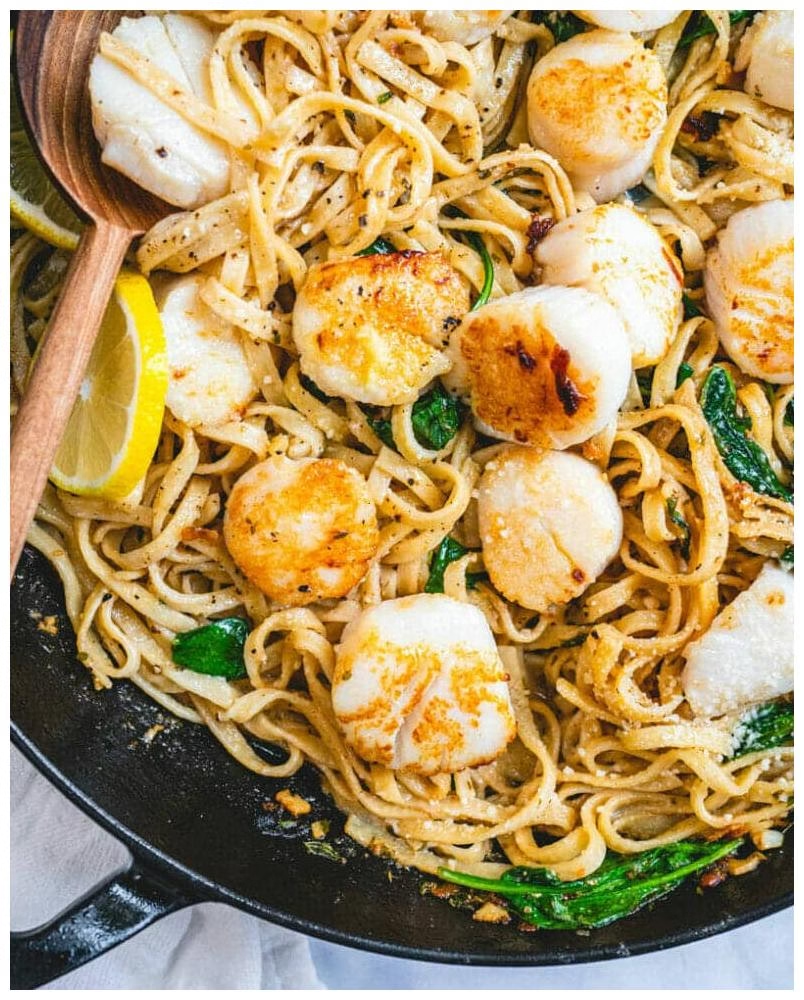
- Pat Dry Scallops Thoroughly: Pat the scallops completely dry with paper towels before seasoning; excess moisture prevents a proper sear. A dry surface allows the scallops to develop a golden crust that locks in juices.
- Use High Heat for Searing: Preheat the skillet over medium‑high heat until it is shimmering, then add a thin layer of oil. Sear the scallops for just two minutes per side to achieve a caramelized exterior without overcooking the interior.
- Reserve Pasta Water: Before draining the pasta, scoop out at least one cup of the starchy cooking water and set it aside. This liquid is essential for adjusting sauce consistency and helping it cling to the noodles.
- Finish with Cold Butter: When the sauce is nearly ready, whisk in a small amount of cold butter to create a glossy, velvety texture. The cold butter emulsifies the sauce and adds a rich mouthfeel.
- Don’t Overcook Pasta: Cook the pasta one to two minutes shy of the package’s al dente recommendation; it will continue to soften when tossed with the hot sauce. Overcooked noodles can become mushy and dilute flavor.
- Adjust Sauce with Reserved Water: If the sauce appears too thick, gradually stir in the reserved pasta water a tablespoon at a time until the desired consistency is reached. This technique ensures a smooth, cohesive coating.
- Add Fresh Herbs at the End: Stir in chopped parsley and thyme just before serving to preserve their bright flavor and vivid color. Adding herbs too early can cause them to lose potency.
- Use Quality Parmesan: Select a freshly grated Parmesan cheese for the best depth of flavor, rather than pre‑shredded varieties that contain anti‑caking agents. The fresh cheese melts smoothly and enhances the sauce.
- Serve Immediately: Lemon Scallop Pasta is best enjoyed straight from the pan while the scallops retain their tenderness and the sauce stays glossy. Delayed serving can cause the scallops to become rubbery.
- Pair with a Crisp White Wine: A chilled Sauvignon Blanc or Pinot Grigio complements the citrusy notes and buttery richness of the dish. The wine’s acidity balances the meal and refreshes the palate.