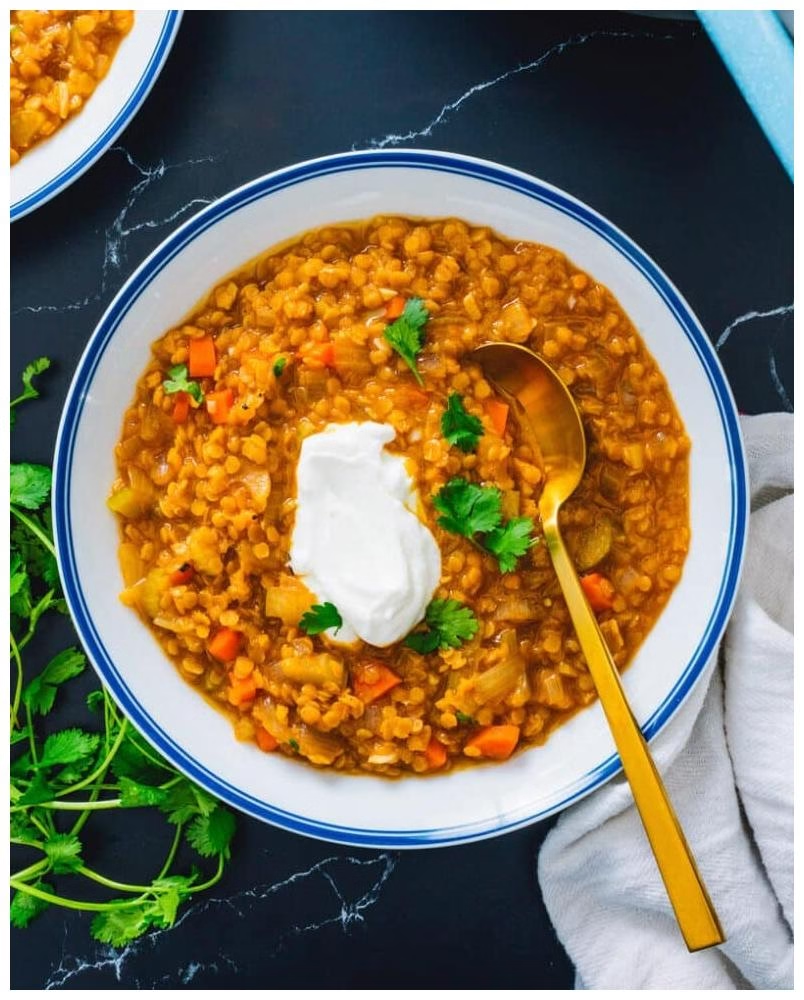
Simple Red Lentil Soup
Discover how to make a hearty and healthy red lentil soup in under 30 minutes—perfect for cozy dinners, meal prep, and vegan-friendly meals. Try it today!
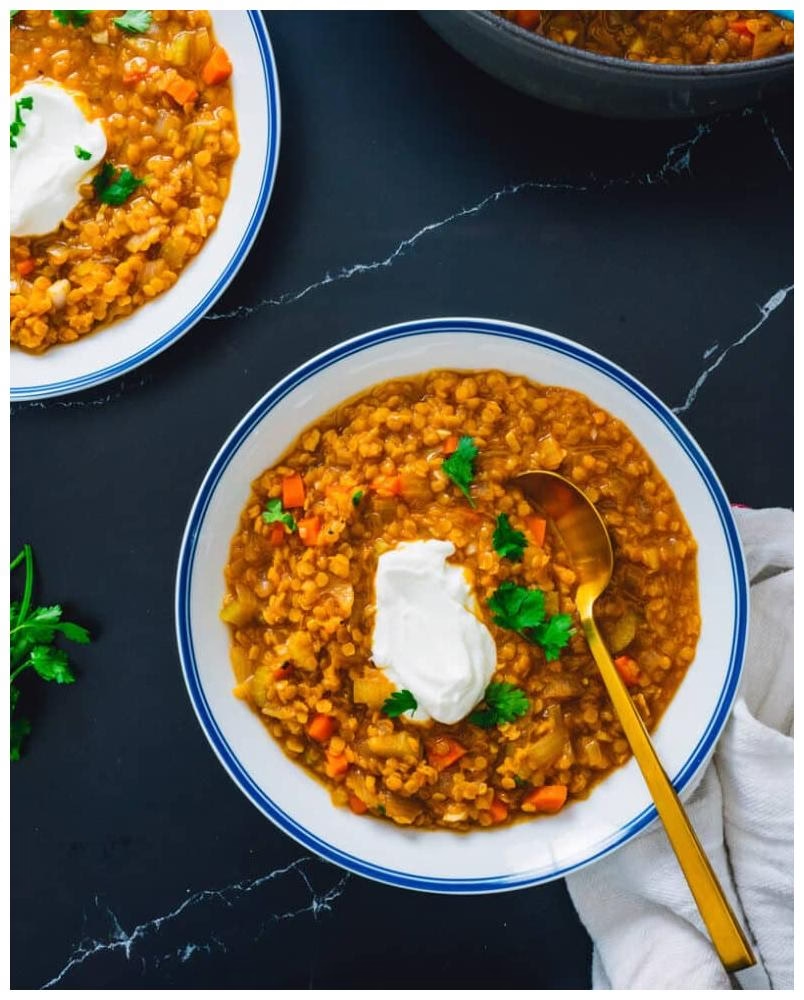
Ever wondered how to create a bowl of comfort that’s both nutritious and effortless? Our red lentil soup delivers exactly that—a velvety, hearty dish that comes together in under 30 minutes and pleases every palate. Made with simple pantry staples, this soup is vegan, gluten‑free, and packed with protein, making it a perfect weeknight dinner or meal‑prep hero. In this guide we’ll walk you through every step, share pro tips, and answer common questions so you can master red lentil soup with confidence.
This vibrant soup showcases the natural sweetness of carrots and the earthy depth of cumin, while the bright acidity of lemon balances each spoonful. Whether you’re cooking for a crowd or meal‑prepping for the week, red lentil soup stores beautifully in the fridge or freezer. Its versatility means you can serve it as a starter, a main course, or even a comforting snack on a chilly evening.
Red Lentil Soup Overview
The magic of red lentil soup lies in its quick cooking time and silky texture. Because red lentils dissolve rapidly, they require no pre‑soaking and break down into a creamy base without blending. This feature makes the dish accessible to busy home cooks who still crave wholesome, flavorful meals. Additionally, the soup’s bright orange hue adds visual appeal, signaling both warmth and nourishment.
What Makes Red Lentil Soup Special
Beyond its speed, red lentil soup is a nutritional powerhouse. A single serving delivers ample plant‑based protein, dietary fiber, iron, and folate, supporting energy levels and digestive health. The combination of spices—cumin, smoked paprika, and a pinch of cayenne—creates a layered flavor profile that is both comforting and exciting. Moreover, the recipe adapts effortlessly to vegan, gluten‑free, and low‑sodium diets, catering to a wide range of dietary preferences.
Choosing the Right Lentils for Red Lentil Soup
Always select true red lentils, which have a smooth, orange‑red skin and cook in about 15 minutes. Avoid brown or green lentils, as they retain their shape and will not produce the same creamy consistency. If you’re shopping online, look for packages labeled “red split lentils” to ensure you’re getting the correct variety.
How to Make Red Lentil Soup
Follow this easy method to transform simple ingredients into a restaurant‑quality bowl. Each step builds on the previous one, layering flavors and textures for a satisfying result. The process is forgiving; even if you accidentally over‑cook the vegetables, the soup will still turn out delicious.
Step 1: Sauté the Aromatics
Heat olive oil in a large pot over medium heat. Add diced onion, carrot, and celery, then cook for 5‑6 minutes until they soften and develop a light golden color. Stir in minced garlic and cook for an additional 30 seconds, being careful not to let it burn.
Step 2: Toast the Spices
Sprinkle in ground cumin, smoked paprika, and a pinch of cayenne pepper. Toast the spices for 1‑2 minutes, stirring constantly, until the aroma fills the kitchen. This step awakens the flavors and prevents raw spice taste.
Step 3: Add Lentils and Liquid
Pour in the rinsed red lentils, then add vegetable broth and a diced tomato. Bring the mixture to a gentle boil, then reduce the heat to a simmer. Cover partially and let it cook for 15‑20 minutes, or until the lentils are completely softened.
Step 4: Blend for Creaminess (Optional)
If you prefer an ultra‑smooth texture, use an immersion blender to puree the soup directly in the pot. Alternatively, transfer half of the soup to a countertop blender, puree, and return it to the pot. This step is optional but recommended for a velvety finish.
Step 5: Finish with Acid and Herbs
Stir in fresh lemon juice and chopped parsley for brightness. Taste and adjust salt and pepper as needed. A drizzle of extra‑virgin olive oil just before serving adds a luxurious sheen.
Tips for Perfect Red Lentil Soup
Even seasoned cooks can benefit from a few insider tricks that elevate the final dish. Below are practical suggestions that focus on technique, ingredient selection, and troubleshooting common pitfalls. Each tip is designed to enhance flavor, texture, or efficiency without adding extra workload.
Use Room‑Temperature Broth
Adding cold broth can shock the lentils and slow the cooking process, leading to uneven texture. Warm the broth slightly before pouring it into the pot to maintain a consistent simmer and ensure even cooking.
Don’t Over‑Season Early
Spices intensify as the soup reduces, so it’s best to add most of the salt towards the end of cooking. This prevents the soup from becoming overly salty once the liquid evaporates.
Reserve Some Cooking Liquid
Before draining any excess liquid, scoop out a cup of the broth and set it aside. If the soup becomes too thick during blending, you can thin it out with this reserved liquid for perfect consistency; for more details on cook lentils properly.
Finish with Fresh Herbs
Fresh herbs like cilantro, dill, or parsley add a burst of freshness that balances the earthy lentils. Add them just before serving to preserve their bright flavor and vibrant color.
Serving Suggestions for Red Lentil Soup
Presentation matters, and the right accompaniments can transform a simple bowl into a complete meal. Serve the soup with a side of crusty whole‑grain bread, a drizzle of coconut milk, or a sprinkle of toasted seeds for added crunch, or a side of stuffed bell peppers. Pair it with a crisp Caesar salad tossed in a light vinaigrette for a balanced plate.
Storage and Reheating Tips
Red lentil soup stores exceptionally well, making it ideal for meal prep. Transfer cooled soup into airtight containers and refrigerate for up to five days. For longer storage, portion the soup into freezer‑safe bags and freeze for up to three months; thaw overnight in the refrigerator before reheating.
Reheating on the Stovetop
Place the soup in a saucepan over low‑medium heat, stirring occasionally to prevent sticking. If the soup thickens too much, add a splash of water or broth until the desired consistency returns.
Reheating in the Microwave
Transfer a serving to a microwave‑safe bowl, cover loosely, and heat in 30‑second intervals, stirring between each, until steaming hot. This method is quick for individual portions.
Variations and Substitutions
One of the greatest strengths of red lentil soup is its flexibility. You can easily swap ingredients to suit dietary needs or personal taste preferences while retaining the core character of the dish.
Make It Creamy with Coconut Milk
Stir in half a cup of full‑fat coconut milk during the final minutes of cooking for a rich, dairy‑free creaminess. This addition also adds a subtle tropical note that pairs beautifully with the spices.
Add Leafy Greens
Toss in handfuls of spinach, kale, or Swiss chard during the last five minutes of simmering. The greens will wilt quickly, boosting the nutritional profile and adding vibrant color.
Spicy Version
Increase the cayenne pepper or add a dash of harissa paste for heat lovers. Adjust the amount gradually to achieve your preferred spice level without overwhelming the soup.
Nutritional Benefits of Red Lentil Soup
This soup is more than just comforting; it’s a nutrient‑dense meal that supports overall health. A typical serving provides around 18 grams of plant‑based protein, making it an excellent option for vegetarians and vegans seeking adequate protein intake, according to the USDA nutrient database. Additionally, the high fiber content promotes satiety and aids digestion, while iron and folate contribute to healthy blood cells and energy metabolism. The antioxidants present in carrots and tomatoes help combat oxidative stress, supporting skin health and immune function. For more soup ideas, see the BBC Good Food recipe.
Common Questions About Red Lentil Soup
Below are answers to the most frequently asked queries that arise when preparing this beloved dish. These responses are crafted to address both beginner concerns and advanced tweaks for seasoned cooks.
How do I make red lentil soup creamy without dairy?
Can I use vegetable broth instead of water in red lentil soup?
How long does red lentil soup last in the refrigerator?
Why does my red lentil soup turn bitter after cooking?
What are the best garnishes for red lentil soup?
Can I freeze red lentil soup for later meals?
Is red lentil soup gluten‑free and suitable for celiac disease?
- Choose the Right Pot: A heavy‑bottomed pot distributes heat evenly, preventing the lentils from scorching at the bottom. This ensures a uniform simmer and a smoother final texture throughout the cooking process.
- Rinse Lentils Thoroughly: Rinsing red lentils under cold water removes dust and any residual coating that can cause bitterness. A quick 30‑second rinse also helps the lentils cook more evenly and absorb flavors better.
- Control Thickness: If the soup becomes too thick during simmering, stir in reserved broth a little at a time until you reach the desired consistency. This technique prevents lumps and maintains a silky mouthfeel without diluting flavor.
- Blend for Extra Creaminess: An immersion blender lets you puree part of the soup directly in the pot, achieving a velvety texture without extra dishes. For an even smoother result, transfer half of the soup to a countertop blender, pulse, and return it to the pot.
- Add Acid at the End: A splash of lemon juice or vinegar brightens the flavor profile just before serving, balancing the earthiness of the lentils. Add the acid gradually and taste, as a little goes a long way in enhancing overall taste.
- Garnish with Crunch: Toasted pumpkin seeds or crispy fried onions add a delightful crunch that contrasts the soup’s softness. Sprinkle a small handful on each bowl for visual appeal and added texture. This simple garnish elevates the presentation and introduces a nutty flavor that complements the spices.
- Portion for Easy Reheating: Freezing soup in individual portions speeds up thawing and ensures you only reheat what you need. Use airtight containers or freezer‑safe bags, leaving a little headspace for expansion, to maintain flavor integrity.
- Freeze in Ice‑Cube Trays: Portion the soup into ice‑cube trays before freezing; once solid, transfer cubes to a zip‑top bag for compact storage. This method lets you add exact amounts of soup to other dishes or quickly heat a single serving.
- Swap Sweet Potatoes: Replace half of the carrots with diced sweet potatoes for a subtle sweetness that deepens the soup’s flavor profile. Sweet potatoes also contribute additional beta‑carotene, boosting the nutritional value. This tweak adds a comforting autumnal note perfect for cooler evenings.
- Add Umami Boost: A splash of soy sauce or miso paste introduces a savory umami depth that enhances the overall taste. Start with a small amount, stir well, and taste before adding more to avoid overpowering the soup.