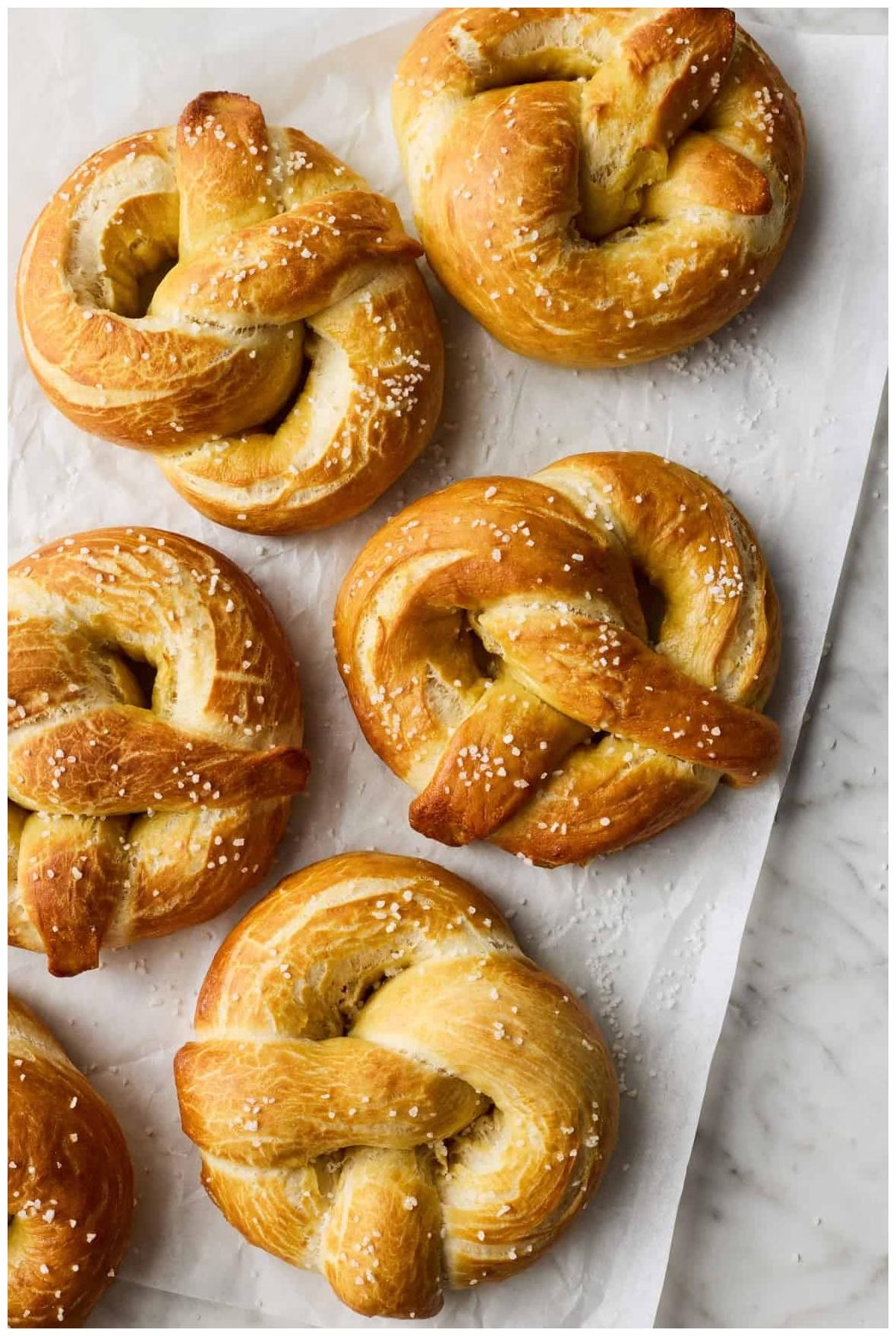
Homemade Soft Pretzels
Learn how to make perfect easy homemade soft pretzels with our step-by-step guide. Chewy, golden, and delicious – ready in under an hour!
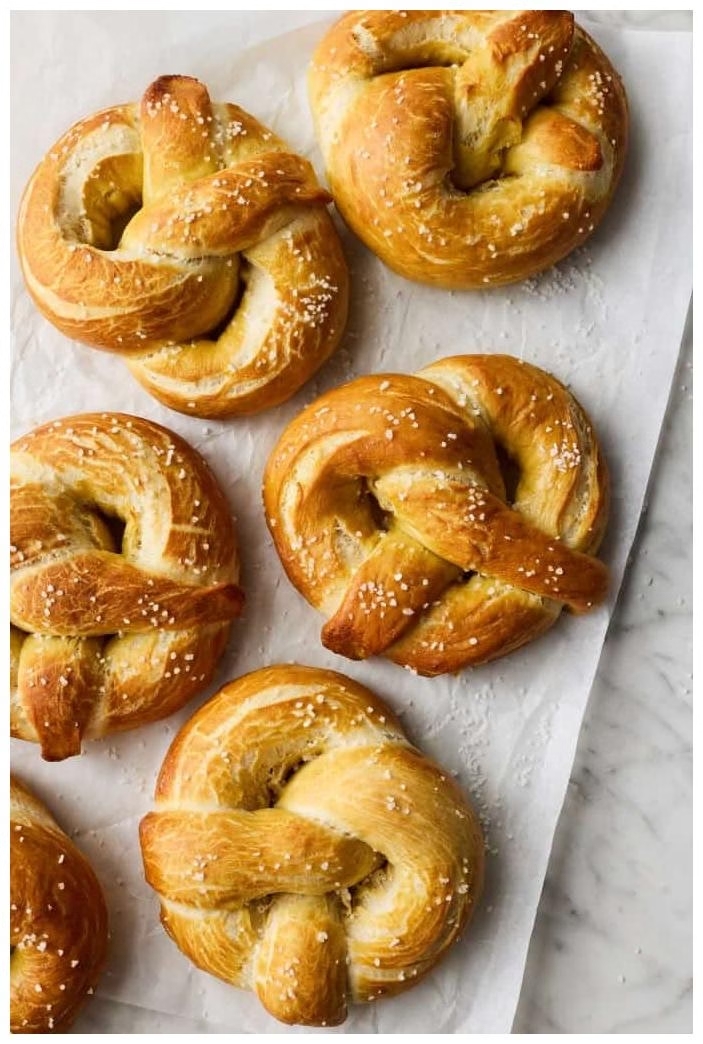
5 Easy Homemade Soft Pretzels Recipe
There’s nothing quite like the smell of fresh-baked easy homemade soft pretzels wafting through your kitchen. These classic treats have been a favorite for generations, and now you can recreate that authentic bakery taste right in your own home. Whether you’re looking for the perfect snack for game day, a fun weekend baking project, or something special to share with family, this recipe delivers that perfect combination of chewy exterior and soft, tender interior that makes soft pretzels so irresistible. For other baking inspiration, you’ll find endless creative possibilities.
Imagine pulling golden-brown pretzels from the oven, their surface glistening with coarse salt and that distinctive pretzel sheen. The aroma alone will have everyone gathering around the kitchen, eager to tear into these warm, doughy delights. What makes homemade pretzels so special is not just their incredible taste, but the pride that comes from creating something so delicious from scratch. With our foolproof method, you’ll be able to bake professional-quality pretzels that will have everyone asking for your secret recipe. The techniques used here are similar to those in classic baking recipes that require precision and care.
Ready to embark on this delicious baking adventure? Let’s dive into the world of easy homemade soft pretzels and discover just how simple and rewarding it can be to create these beloved treats in your own kitchen. From the perfect dough to the classic baking soda bath, we’ll guide you through every step to ensure baking success. Just like mastering specialty cakes, pretzel-making is both an art and a science.
Why Homemade Soft Pretzels Are Worth the Effort
While store-bought pretzels are convenient, there’s simply no comparison to the taste and texture of fresh-baked easy homemade soft pretzels. The magic lies in the process – the way the baking soda bath creates that distinctive pretzel flavor, the gentle steam that gives them their signature chewiness, and the golden-brown crust that develops in the oven. When you make pretzels at home, you control every element, from the quality of ingredients to the exact timing of each step. This attention to detail is what makes specialty baked goods so remarkable.
One of the greatest advantages of making your own pretzels is the ability to customize them to your preferences. Love everything about soft pretzels but wish they had more garlic? Want to experiment with different cheeses or herbs? Homemade pretzels offer endless possibilities for creativity. Plus, they’re incredibly satisfying to make – there’s something deeply rewarding about transforming simple ingredients into something so beloved and delicious. This creative freedom is similar to what you find in unique flavor combinations in baking.
The History and Appeal of Soft Pretzels
Soft pretzels have a rich history that dates back centuries, with origins tracing to medieval European monks who created twisted bread as a reward for children who memorized Bible verses. These early pretzels were called “pretiolas,” meaning “little rewards,” and evolved into the twisted treats we know today. The distinctive pretzel shape is said to represent arms folded in prayer, adding a layer of tradition and meaning to these beloved snacks. Just as traditional recipes carry historical significance, pretzels have their own fascinating backstory.
What makes soft pretzels so universally appealing? It’s the perfect combination of textures – that slightly crispy, salty exterior gives way to a soft, chewy interior that practically melts in your mouth. The traditional baking soda bath not only gives pretzels their characteristic flavor but also creates that beautiful, glossy sheen that makes them look as good as they taste. Whether enjoyed plain, dipped in mustard, or paired with cheese and beer, soft pretzels have earned their place as one of the world’s most beloved comfort foods. They complement many game day favorites perfectly.
Easy Homemade Soft Pretzels: Essential Ingredients
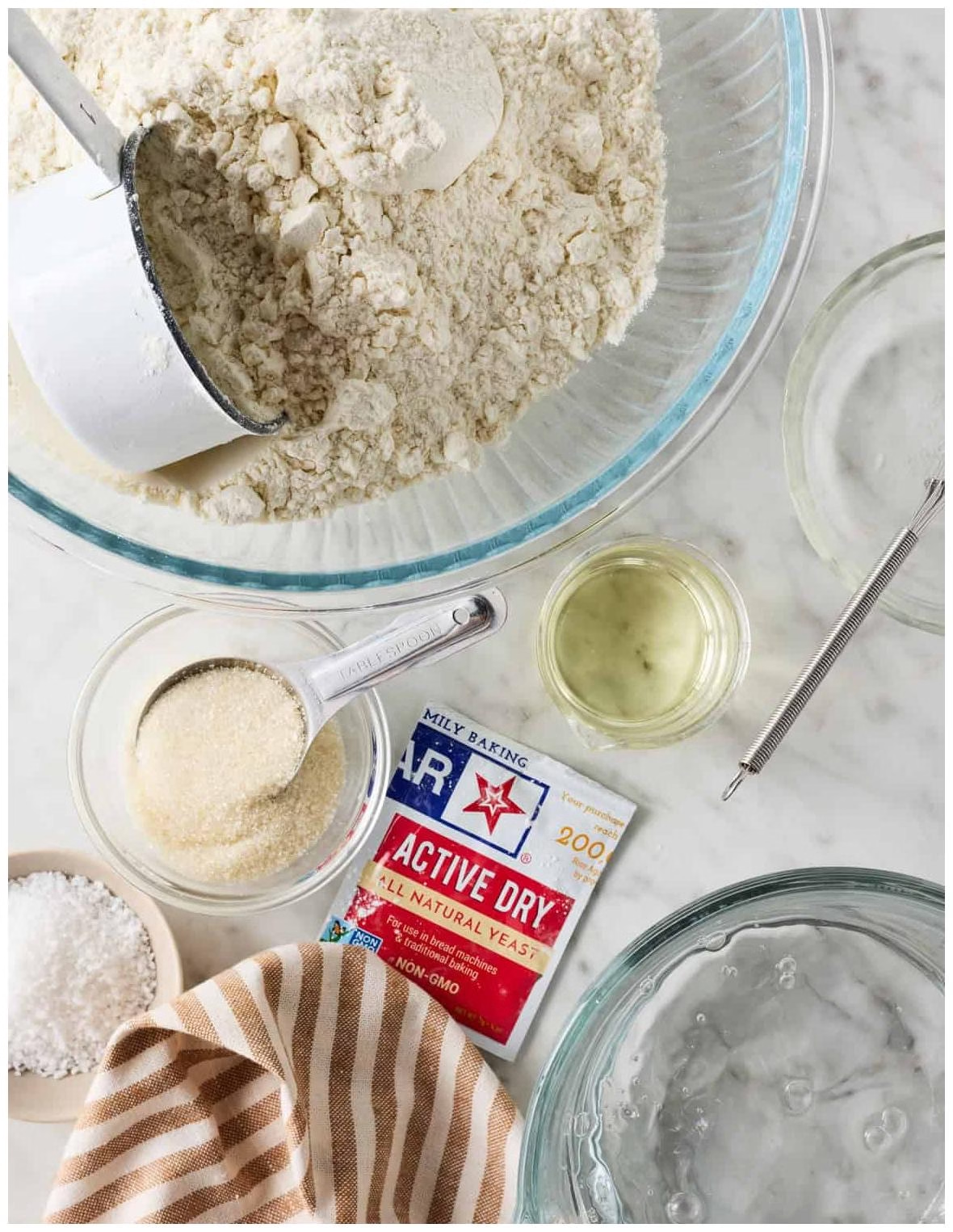
The beauty of making easy homemade soft pretzels lies in the simplicity of the ingredients. You probably already have most of what you need in your kitchen. Let’s break down what makes these pretzels so special and how each ingredient contributes to the final result.
Choosing the Best Flour for Perfect Pretzels
All-purpose flour is the foundation of great pretzels, providing just the right amount of structure and chewiness. While you can use bread flour for a slightly chewier texture, all-purpose flour works beautifully and is more commonly found in most home kitchens. The key is to measure your flour properly – spoon it into the measuring cup and level it off with a knife to avoid packing it down, which can result in dense pretzels. Proper measurement is crucial, just like in authentic Mexican cooking where precision matters greatly.
The Magic of Yeast in Pretzel Dough
Active dry yeast is what gives pretzels their light, airy texture and subtle yeasty flavor. When combined with warm water and a pinch of sugar, the yeast activates and begins to produce carbon dioxide, which creates air pockets in the dough. This fermentation process not only makes the dough rise but also develops complex flavors that deepen as the pretzels bake. Make sure your water is warm (around 110°F) but not hot, as excessive heat can kill the yeast and prevent proper rising. Many bread-making techniques rely on similar yeast activation principles.
Baking Soda: The Secret to Authentic Pretzel Flavor
This is one ingredient you absolutely cannot skip when making easy homemade soft pretzels. The baking soda bath is what transforms regular dough into authentic pretzel dough, giving pretzels their distinctive flavor and glossy appearance. When pretzels are dipped in the alkaline solution before baking, the surface undergoes a chemical reaction that creates that classic pretzel taste. The baking soda also helps the pretzels brown beautifully in the oven, giving them that appetizing golden color. This technique is similar to the unique cooking methods used in specialty pizza recipes.
Equipment You’ll Need for Perfect Pretzels
While you don’t need fancy equipment to make excellent pretzels, having the right tools can make the process much easier and more enjoyable. Here’s what you’ll need to create your batch of easy homemade soft pretzels.
Mixing Bowls and Measuring Tools
A large mixing bowl for the dough and a separate bowl for the baking soda bath are essential. You’ll also need measuring cups and spoons for accurate ingredient measurement. Precision is key in baking, so take the time to measure carefully, especially with the yeast and baking soda. A kitchen scale can be helpful for measuring flour by weight, which is often more accurate than volume measurements. Just as precise measurements are crucial for seafood dishes, they’re equally important for baking.
Baking Sheets and Parchment Paper
Heavy-duty baking sheets work best for pretzels, as they distribute heat evenly and prevent burning. Parchment paper is highly recommended as it makes cleanup much easier and prevents the pretzels from sticking to the pan. If you don’t have parchment paper, you can lightly grease your baking sheets, but be aware that this may affect the pretzels’ ability to get crispy on the bottom. Many cake recipes also rely on proper baking sheet preparation for best results.
Pastry Brush and Large Pot
A pastry brush is essential for applying the egg wash that gives pretzels their beautiful golden sheen. You’ll also need a large pot or Dutch oven for the baking soda bath – something big enough to comfortably hold the pretzels without crowding. Make sure the pot is wide enough that you can easily dip and remove the pretzels from the solution. A good Dutch oven works perfectly for this purpose, similar to how it’s used in comfort food recipes.
Step-by-Step Guide to Making Easy Homemade Soft Pretzels
Now that you have all your ingredients and equipment ready, let’s dive into the process of making these delicious easy homemade soft pretzels. Follow these steps carefully, and you’ll be rewarded with perfect pretzels every time.
Activating the Yeast
The first step in making easy homemade soft pretzels is activating the yeast. In a small bowl, combine 1 ¼ cups warm water (around 110°F) with 2 ¼ teaspoons active dry yeast and 1 teaspoon sugar. Gently stir until the yeast and sugar are dissolved. Let the mixture sit for about 5-10 minutes until it becomes foamy and bubbly. If the mixture doesn’t foam, your yeast may be inactive, and you’ll need to start over with fresh yeast. Using a digital thermometer ensures your water is at the perfect temperature for yeast activation.
Mixing the Dough
Once your yeast is activated, it’s time to mix the dough. In a large mixing bowl, combine 4 ½ cups all-purpose flour and 1 ½ teaspoons salt. Make a well in the center and pour in the yeast mixture. Using a wooden spoon or your hands, mix until a shaggy dough forms. Turn the dough out onto a lightly floured surface and knead for about 8-10 minutes until it becomes smooth, elastic, and slightly tacky. If the dough is too sticky, add a little more flour, one tablespoon at a time. This process is similar to making cake batters where proper mixing technique is essential.
The First Rise
Place the kneaded dough in a lightly oiled bowl, turning it to coat all sides. Cover the bowl with plastic wrap or a clean kitchen towel and let it rise in a warm, draft-free place for about 1 hour, or until doubled in size. This first rise is crucial for developing the pretzels’ texture and flavor. While the dough is rising, you can prepare your baking soda bath and preheat your oven to 425°F (220°C). Just like cake recipes that require proper rising times, pretzels benefit from this fermentation process.
Preparing the Baking Soda Bath
In a large pot or Dutch oven, bring 10 cups of water to a rolling boil. Carefully add ⅔ cup baking soda to the boiling water – it will bubble up, so add it slowly. Reduce the heat to maintain a gentle simmer. This baking soda solution is what gives authentic pretzels their distinctive flavor and glossy appearance. Keep the bath warm while you shape your pretzels. This technique creates that unique flavor profile that makes pretzels special.
Shaping the Pretzels
Once the dough has risen, punch it down and turn it out onto a lightly floured surface. Divide the dough into 8 equal portions. Roll each portion into a long rope, about 20-24 inches long. To shape each pretzel, cross the ends over each other, then fold them down and press the ends onto the bottom curve. Place the shaped pretzels on a lightly floured baking sheet while you finish shaping the remaining dough. This shaping technique requires practice, much like forming perfect cake layers.
The Second Rise and Baking Soda Dip
Let the shaped pretzels rest for about 10-15 minutes while you prepare your baking sheets. This second rise helps the pretzels develop better texture. Carefully place each pretzel into the warm baking soda bath for about 30 seconds per side, using a slotted spoon or spider strainer. The pretzels will puff up slightly and take on a glossy appearance. Remove them and place them on parchment-lined baking sheets, leaving space between each pretzel. This step is crucial for developing the perfect texture that defines great pretzels.
Applying the Egg Wash
For that beautiful golden-brown finish, brush each pretzel lightly with a beaten egg mixed with a tablespoon of water. This egg wash not only gives pretzels their appetizing color but also helps the coarse salt adhere to the surface. Sprinkle generously with coarse salt while the egg wash is still wet. You can also experiment with other toppings like sesame seeds, poppy seeds, or everything bagel seasoning for variety. The finishing touches make all the difference, just like in barbecue recipes where the glaze is crucial.
Baking to Perfection
Bake the pretzels in a preheated 425°F (220°C) oven for 12-15 minutes, or until they are deep golden brown. Rotate the baking sheet halfway through baking for even browning. The pretzels are done when they sound hollow when tapped on the bottom and have a beautiful, glossy appearance. Be careful not to overbake, as this can make them too hard and dry. Proper baking temperature is key, similar to how slow cooking requires precise temperature control for tender results.
Variations and Creative Twists on Classic Soft Pretzels
While traditional salted pretzels are delicious, part of the fun of making easy homemade soft pretzels is experimenting with different flavors and toppings. Here are some variations to try that will take your pretzel game to the next level.
Cinnamon Sugar Pretzels
For a sweet twist on the classic, try making cinnamon sugar pretzels. Simply brush the shaped pretzels with melted butter instead of egg wash, then sprinkle generously with a mixture of cinnamon and sugar. You can also add a drizzle of vanilla glaze after baking for extra sweetness. These make wonderful treats for afternoon coffee or as a dessert alternative. They’re perfect with sweet accompaniments and pair well with coffee or tea.
Cheesy Garlic Pretzels
Garlic cheese lovers will adore this variation. After brushing with egg wash, sprinkle generously with shredded cheddar, Parmesan, or mozzarella cheese. You can also mix garlic powder with the salt for an extra flavor boost. These pretzels are perfect served warm with marinara sauce for dipping, making them ideal for game day or parties. They’re similar in concept to loaded pizza varieties where cheese and garlic are popular toppings.
Everything Bagel Pretzels
Capture the flavors of everything bagels by topping your pretzels with a mixture of sesame seeds, poppy seeds, dried garlic, dried onion, and salt after applying the egg wash. These pretzels have a complex, savory flavor that’s incredibly addictive and pairs well with cream cheese or hummus for dipping. The blend of spices creates a flavor explosion similar to other seasoned dishes.
Storing and Reheating Your Homemade Pretzels
Easy homemade soft pretzels are best enjoyed fresh from the oven, but if you have leftovers or want to make them ahead of time, proper storage is key to maintaining their texture and flavor. Here’s how to store and reheat your pretzels for the best results.
Room Temperature Storage
For short-term storage (up to 2 days), keep pretzels at room temperature in an airtight container or zip-top bag. However, be aware that pretzels will gradually lose their crispness over time. If you plan to eat them within a day or two, this method works well. For maximum freshness, consider storing them without sealing the container completely, allowing some air circulation to prevent sogginess. Proper storage ensures they maintain their texture better than leftover Mexican dishes which can become soggy quickly.
Freezing for Long-Term Storage
Freezing is an excellent option for preserving your homemade pretzels. Allow them to cool completely, then place them in a single layer on a baking sheet and freeze until solid (about 1-2 hours). Transfer the frozen pretzels to a freezer-safe bag or container and store for up to 3 months. To reheat, place frozen pretzels directly on a baking sheet and bake at 350°F (175°C) for 10-15 minutes, or until heated through and crispy. This method preserves their texture much better than freezing cakes and desserts which can suffer from freezer burn.
Reheating Methods
The best way to reheat pretzels is in the oven, which helps restore their crispness. Preheat your oven to 350°F (175°C) and place pretzels on a baking sheet. Heat for 5-10 minutes, or until warm and crispy. You can also use an air fryer at 350°F for 3-5 minutes for quick reheating. Avoid microwaving pretzels, as this will make them soft and rubbery rather than crispy and delicious. Proper reheating techniques maintain the perfect texture that makes pretzels special.
Serving Suggestions for Your Homemade Pretzels
Easy homemade soft pretzels are incredibly versatile and can be served in countless ways. Here are some serving suggestions to help you enjoy your pretzels to the fullest, whether you’re serving them as a snack, appetizer, or part of a meal.
Classic Dipping Sauces
Traditional mustard is the classic dipping sauce for soft pretzels, and for good reason – its tangy flavor perfectly complements the salty, doughy pretzels. Yellow mustard, Dijon mustard, or spicy brown mustard all work well. Other classic options include cheese sauce, marinara sauce, or warm queso dip. You can also serve pretzels with hummus, guacamole, or spinach artichoke dip for a more contemporary twist. These dipping options complement pretzels much like barbecue sides complement smoked meats.
Pretzel Sandwiches and Wraps
Split warm pretzels horizontally and use them as mini sandwich buns. They’re perfect for holding deli meats, cheese, and mustard for a unique take on a classic sandwich. You can also use pretzels as the base for sliders or mini burgers. For a lighter option, fill pretzel halves with cream cheese and your favorite toppings like sliced apples, honey, and nuts for a sweet and savory combination. These creative uses are similar to how pizza ingredients can be repurposed in innovative ways.
Pretzel Croutons and Toppings
Day-old pretzels that have lost some of their crispness make excellent croutons. Simply tear them into bite-sized pieces, toss with a little olive oil and your favorite herbs, and bake at 350°F until golden and crisp. Use these pretzel croutons to top salads, soups, or even casseroles for added crunch and flavor. You can also crush pretzels and use them as a coating for chicken tenders or as a base for cheesecake crusts. This versatile usage is similar to how leftover meat can be repurposed in creative ways.
Troubleshooting Common Pretzel Problems
Even experienced bakers sometimes encounter challenges when making easy homemade soft pretzels. Here are some common issues and how to solve them to ensure your pretzels turn out perfectly every time.
Dough That’s Too Sticky or Too Dry
If your pretzel dough is too sticky and difficult to handle, add flour one tablespoon at a time until it reaches the right consistency. If it’s too dry and crumbly, add water one tablespoon at a time. The ideal dough should be smooth, elastic, and slightly tacky but not sticky to the touch. Remember that different flour brands absorb different amounts of liquid, so you may need to adjust slightly based on your specific ingredients. This troubleshooting is similar to adjusting cake batters for different humidity levels.
Pretzels That Didn’t Rise Well
If your pretzels came out dense and didn’t rise properly, several factors could be at play. First, check that your yeast was fresh and properly activated. Water temperature is also crucial – too hot water can kill yeast, while water that’s too cool won’t activate it properly. Finally, make sure your dough had enough time to rise in a warm, draft-free location. Patience is key when working with yeast dough. This is similar to the patience required when making layered cakes that need proper resting times.
Pretzels That Are Too Hard or Too Soft
Texture issues often come down to baking time and temperature. If your pretzels are too hard, they may have been overbaked. Keep a close eye on them during the last few minutes of baking, as they can go from perfect to overdone very quickly. If they’re too soft and doughy, they may need a few extra minutes in the oven. You can also try baking at a slightly higher temperature (425-450°F) for a crisper exterior while maintaining a soft interior. Proper baking technique ensures the perfect texture balance in baked goods.
Advanced Techniques for Perfect Pretzels
Once you’ve mastered the basic recipe for easy homemade soft pretzels, you can explore some advanced techniques to take your pretzel-making skills to the next level. These methods require a bit more practice but can yield truly exceptional results.
Using a Stand Mixer for Dough Development
For more consistent results, you can use a stand mixer with a dough hook to mix and knead your pretzel dough. This allows for more thorough development of the gluten network, resulting in a better texture. Mix on low speed for about 3 minutes, then increase to medium speed and knead for an additional 5-7 minutes until the dough is smooth and elastic. The stand mixer does most of the work, but you should still check the dough periodically to ensure it’s not being over-kneaded. This advanced technique is similar to using professional equipment for other complex recipes.
Creating a Steam Oven Effect
Professional bakeries often use steam ovens to create the perfect pretzel texture. You can simulate this effect at home by placing a pan of water in the bottom of your oven while the pretzels bake. The steam helps create a chewy exterior while keeping the interior soft. Alternatively, you can spritz the pretzels lightly with water using a spray bottle during the first few minutes of baking to achieve similar results. This technique creates the perfect cooking environment for achieving professional results.
Making Pretzels with Kids: A Fun Family Activity
Easy homemade soft pretzels are not just delicious – they’re also a wonderful activity to do with children. The hands-on process of mixing, kneading, and shaping dough makes pretzel-making perfect for little helpers. Here are some tips for making the experience enjoyable and educational for the whole family.
Age-Appropriate Tasks
Even young children can participate in pretzel-making with proper supervision. Toddlers can help measure ingredients and pour them into bowls. Preschoolers can assist with mixing and kneading (though you may want to do the main kneading yourself). School-aged children can help shape the pretzels, apply toppings, and even participate in the baking process with close adult supervision. Assigning age-appropriate tasks helps build confidence and creates lasting memories. This approach is similar to how baking activities can be adapted for different age groups.
Making It Educational
Pretzel-making offers wonderful opportunities for learning. You can teach children about math through measuring ingredients, science through yeast activation and chemical reactions, and even history through the story of pretzels. Discuss how yeast makes dough rise, why baking soda changes pretzel flavor, and the cultural significance of pretzels throughout history. These real-world applications make learning fun and memorable. Just like cake decorating can teach creativity and precision, pretzel-making offers educational value.
Pretzel-Making as a Social Activity
Easy homemade soft pretzels are perfect for bringing people together. Whether you’re hosting a party, having a family gathering, or looking for a fun date night activity, pretzel-making creates opportunities for connection and enjoyment. The process is engaging enough to keep everyone involved, while the delicious results provide immediate gratification and something to share.
Pretzel-Making Parties
Consider hosting a pretzel-making party where guests can shape their own pretzels and choose their favorite toppings. Set up stations with different dough portions, shaping instructions, and topping options like various cheeses, seeds, and spices. This interactive approach allows everyone to customize their pretzels and makes for a memorable social experience. Plus, you get to enjoy fresh, homemade pretzels together! This is similar to pizza parties where everyone can participate in the creation process.
Gift Giving with Homemade Pretzels
Homemade pretzels make wonderful gifts, especially when packaged nicely. You can create pretzel gift baskets with various flavors, dipping sauces, and serving suggestions. For a special touch, include handwritten recipe cards so recipients can try making their own pretzels. Pretzels also make great hostess gifts or holiday presents, showing thoughtfulness and creativity through the effort of homemade baking. These homemade gifts are similar in spirit to homemade desserts that make thoughtful presents.
The Joy of Baking Easy Homemade Soft Pretzels
As we’ve explored throughout this guide, making easy homemade soft pretzels is about more than just following a recipe – it’s about the joy of creating something delicious from scratch, the satisfaction of mastering a new skill, and the happiness that comes from sharing your creations with others. Whether you’re a seasoned baker or trying pretzel-making for the first time, the rewards are well worth the effort.
From the first moment you activate the yeast to the glorious aroma filling your kitchen as pretzels bake, each step in the process offers its own special experience. There’s something magical about transforming simple ingredients into something so universally beloved and enjoyed. And when you take that first bite of a warm, freshly baked pretzel, you’ll understand why these treats have captured hearts (and taste buds) for centuries. The satisfaction is similar to completing any complex baking project successfully.
So go ahead, embrace the challenge, and enjoy the journey of making your own easy homemade soft pretzels. Experiment with flavors, involve your loved ones, and don’t be afraid to make mistakes – after all, that’s how we learn and grow as bakers. Most importantly, savor every moment and every delicious bite of your homemade pretzels. Happy baking!
Conclusion: Your Pretzel-Making Journey
Making easy homemade soft pretzels is a rewarding experience that combines tradition, creativity, and delicious results. By following the steps outlined in this guide, you’ve learned everything you need to create authentic, bakery-quality pretzels in your own kitchen. From understanding the role of each ingredient to mastering the shaping techniques and baking process, you now have the knowledge to enjoy perfect pretzels whenever the craving strikes.
Remember that baking is both a science and an art. While following recipes precisely helps ensure success, don’t be afraid to experiment and make these pretzels your own. Try different flavors, adjust baking times to suit your oven, and involve friends and family in the process. The more you practice, the more confident you’ll become, and soon you’ll be creating pretzels that are uniquely yours. Just like mastering other baking techniques, practice makes perfect.
So gather your ingredients, preheat your oven, and get ready to embark on your pretzel-making adventure. Whether you’re making them for a special occasion, a quiet evening at home, or just because you love the smell of fresh-baked bread, these easy homemade soft pretzels are sure to bring joy and deliciousness to your table. Happy baking and enjoy every wonderful bite!
- Use Warm Water for Yeast Activation: Always use water between 105-110°F when activating yeast. Too hot water kills the yeast, while water that’s too cool won’t activate it properly. Use a digital thermometer for accuracy – this is crucial for successful pretzel dough rising.
- Don’t Skip the Baking Soda Bath: The baking soda bath is what gives authentic pretzels their distinctive flavor. Make sure your water is boiling before adding baking soda, and keep it at a gentle simmer while dipping pretzels for best results. This technique creates the unique flavor profile that defines great pretzels.
- Measure Flour Correctly: Spoon flour into measuring cups and level off with a knife. Never scoop directly from the bag as this packs the flour and can result in dense, dry pretzels. Proper measurement is key to perfect texture, just like in cake recipes.
- Let Dough Rise in Warm Place: Yeast dough needs a warm, draft-free environment to rise properly. You can create this by placing the bowl in a turned-off oven with the light on, or near a warm radiator. Avoid cold spots or drafts. This is similar to the conditions needed for cake rising.
- Shape Pretzels When Dough is Supple: Work with dough at room temperature for easier shaping. Cold dough is harder to handle and may not form the classic pretzel shape as easily. Let refrigerated dough come to room temperature before shaping. Proper dough temperature is crucial for perfect results.
- Use Parchment Paper for Easy Cleanup: Line baking sheets with parchment paper to prevent sticking and make cleanup effortless. This also helps prevent pretzels from getting too dark on the bottom during baking. Many barbecue recipes also benefit from proper lining techniques.
- Apply Egg Wash Evenly: Use a pastry brush to apply egg wash evenly over pretzel surfaces. This ensures uniform browning and helps toppings adhere properly. Work quickly before the egg wash dries. Proper application technique is key for professional results.
- Don’t Overcrowd Baking Sheets: Leave at least 2 inches between pretzels on baking sheets to allow for proper air circulation. Overcrowding can result in uneven baking and steaming rather than crisping. This spacing is important for achieving the perfect texture in baked goods.
- Rotate Baking Sheet Halfway: For evenly baked pretzels, rotate your baking sheet 180 degrees halfway through baking. This ensures that both sides cook uniformly and prevents one side from getting too dark. Proper rotation ensures consistent baking results throughout.
- Check Doneness by Sound: Pretzels are done when they sound hollow when tapped on the bottom. They should also have a deep golden color and glossy appearance. Remove from oven immediately to prevent over-baking. Proper doneness checking is crucial for perfect baking outcomes.
- Cool Completely Before Storage: Let pretzels cool completely on a wire rack before storing. This prevents moisture from building up and keeps them crisp longer. Storing warm pretzels can make them soggy. Proper cooling ensures the best texture preservation for baked goods.