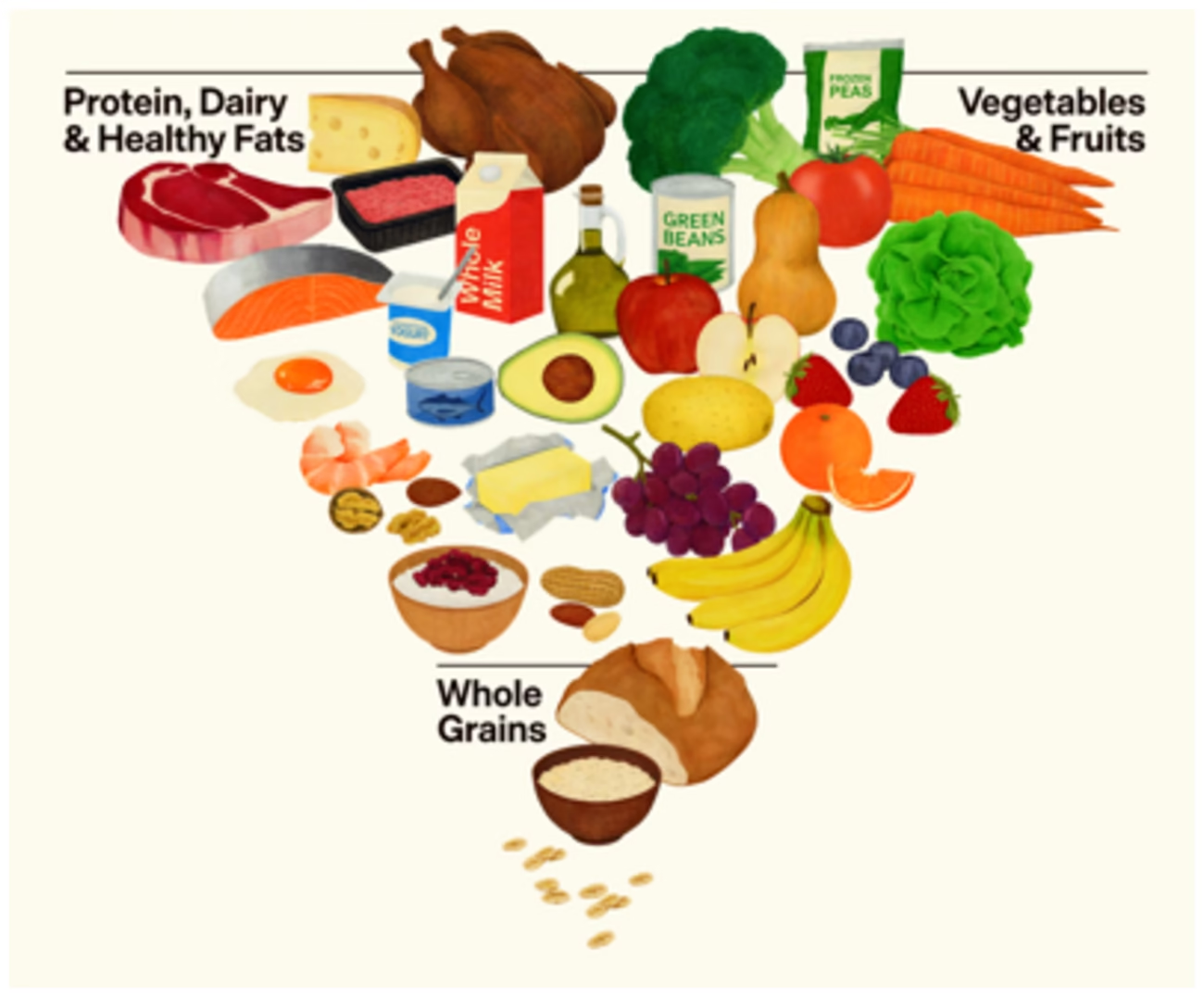
Discover the new food pyramid guidelines and simplify healthy eating for your family. Get actionable nutrition advice for home cooks to make delicious, sustainable choices today!

Have you ever found yourself staring into your pantry, wondering if you’re truly feeding your family the best? For home cooks and busy families, navigating the ever-evolving world of nutrition can feel like a daunting task. But what if we told you that understanding the new food pyramid guidelines could be simpler and more empowering than you think? The upcoming 2025-2030 Dietary Guidelines for Americans, building upon years of research and expert consensus, are set to redefine how we approach our daily meals, making health and sustainability central to our choices.
Gone are the days of a strictly layered pyramid; today’s focus is on MyPlate, a vibrant, user-friendly visual guide that truly puts healthy eating into perspective. These updated guidelines aren’t just about what to eat, but how to integrate balanced and nutritious choices into your busy life. From reducing processed foods to making sustainable selections, these recommendations offer a fresh lens through which to view your family’s diet, ensuring every meal nourishes both body and planet. Let’s dive in and demystify what these changes mean for your kitchen and your plate.
Overview / Why This Matters: Understanding the New Food Pyramid Guidelines
The landscape of nutritional advice is always evolving, driven by new scientific understanding and a deeper appreciation for the complex relationship between diet and health. The shift from the traditional food pyramid to MyPlate, and the continuous refinement of the Dietary Guidelines for Americans, reflects this ongoing journey. The latest iterations, including the eagerly anticipated 2025-2030 guidelines, are designed to provide clear, actionable guidance for promoting health and preventing chronic diseases across all life stages. For home cooks, grasping the essence of these new food pyramid guidelines is crucial to making informed decisions that impact your family’s well-being.
These guidelines emphasize a holistic approach, moving beyond just nutrient counts to focus on dietary patterns. They advocate for an abundance of fruits, vegetables, whole grains, and lean proteins, while also stressing the importance of reducing added sugars, saturated fats, and sodium. This isn’t about rigid rules, but about building flexible, healthy eating habits that fit your lifestyle. Understanding these fundamental shifts empowers you to create meals that are not only delicious but also optimally nutritious, laying a strong foundation for your family’s long-term health.
The Evolution of Healthy Eating: From Pyramid to MyPlate
For decades, the food pyramid served as the iconic symbol of healthy eating. Its tiered structure visually represented the proportion of different food groups we should consume. However, as nutritional science advanced and communication methods evolved, a simpler, more intuitive model was needed. This led to the introduction of MyPlate by the USDA, a visual tool that instantly conveys balanced meal composition. Imagine your dinner plate divided: half dedicated to fruits and vegetables, a quarter to grains, and the remaining quarter to protein, accompanied by a serving of dairy or fortified soy alternative. This direct, relatable image makes it incredibly easy for anyone, especially busy home cooks, to visualize and implement the principles of healthy eating without needing to memorize complex proportions. It’s a powerful tool for understanding the core of the new food pyramid guidelines.
Why the 2025 Dietary Guidelines Matter for Your Family
The forthcoming 2025-2030 Dietary Guidelines for Americans are more than just a list of recommendations; they are a critical roadmap for public health, with profound implications for every family. These guidelines are rooted in the latest scientific evidence, aiming to address the prevalent issues of chronic diseases such as heart disease, type 2 diabetes, and certain cancers, many of which are directly linked to dietary choices. By offering updated advice on nutrient intake, food groups, and healthy eating patterns, they equip parents and home cooks with the knowledge to actively prevent these conditions within their households. Moreover, the guidelines increasingly incorporate considerations for environmental sustainability, encouraging food choices that support both personal health and planetary well-being. This comprehensive approach means that following these guidelines isn’t just about eating better today, but investing in a healthier future for your children and the world they inherit, making the new food pyramid guidelines even more significant.
Navigating Healthy Eating for Families with the New Food Pyramid Guidelines
Making healthy choices for your family often feels like a balancing act between convenience, cost, and nutritional value. The new food pyramid guidelines, articulated through MyPlate, offer a practical framework that simplifies this process, making it achievable even on the busiest weekdays. It’s about more than just individual foods; it’s about creating an overall pattern of eating that supports growth, energy, and long-term health. For home cooks, this means focusing on wholesome ingredients and mindful meal planning, ensuring every family member gets the nutrients they need to thrive.
Embracing these guidelines can transform mealtime from a source of stress into an opportunity for connection and learning. By involving your family in meal preparation and selection, you can foster healthy habits and a positive relationship with food that lasts a lifetime. The journey to a healthier plate doesn’t have to be perfect; even small, consistent steps can lead to significant improvements in your family’s diet and overall vitality.
Building a Balanced Plate: Making MyPlate Work for You
MyPlate offers an elegantly simple approach to meal composition, which is particularly beneficial for busy home cooks aiming for balance without overthinking it. The visual cue of dividing your plate helps ensure you’re getting a variety of essential nutrients. Start by filling half your plate with colorful fruits and vegetables. Aim for a rainbow of colors to ensure a wide spectrum of vitamins, minerals, and antioxidants. The other half of your plate should be split between grains, with an emphasis on whole grains like brown rice, quinoa, or whole wheat pasta, and lean protein sources such as chicken, fish, beans, or tofu. Don’t forget a side of dairy or a calcium-fortified alternative, like unsweetened almond milk, to round out the meal. This framework allows for incredible flexibility, letting you tailor meals to your family’s preferences while adhering to the core principles of the new food pyramid guidelines.
Beyond the Plate: The Importance of Sustainable Food Choices
The conversation around healthy eating is increasingly broadening to include the impact of our food choices on the planet. The new food pyramid guidelines, while primarily focused on human health, subtly encourage practices that align with environmental sustainability. For home cooks, this means considering where your food comes from and how it’s produced. Opting for locally sourced and seasonal produce not only supports local farmers but often reduces the carbon footprint associated with transportation. Exploring plant-based meals more frequently can also have a significant positive impact, as animal agriculture is a major contributor to greenhouse gas emissions. Thinking about food waste is another crucial aspect; planning meals effectively, utilizing leftovers creatively, and composting scraps all contribute to a more sustainable kitchen. By making conscious choices, you’re not just feeding your family well, but also contributing to a healthier planet for future generations.
Practical Nutrition Advice for Home Cooks: Embracing the New Food Pyramid Guidelines
As a home cook, you are the gatekeeper of your family’s nutrition. Embracing the new food pyramid guidelines doesn’t require a complete overhaul of your kitchen or a significant time commitment. Instead, it’s about making smart, strategic adjustments that add up over time. Think of it as an exciting culinary adventure where you discover new ingredients, experiment with different flavors, and enhance the nutritional profile of your family’s favorite dishes. The goal is to make healthy eating both enjoyable and sustainable for everyone at your table.
One of the most powerful tools in your arsenal is the ability to cook from scratch. This gives you complete control over ingredients, allowing you to reduce hidden sugars, unhealthy fats, and excessive sodium often found in pre-packaged foods. Start small, perhaps by swapping one processed item for a homemade alternative each week. Soon, you’ll find that preparing nutritious meals becomes a natural and rewarding part of your routine, making the new food pyramid guidelines an easy fit for your lifestyle.
Smart Swaps and Ingredient Choices for Delicious Meals
Making smart ingredient swaps is one of the easiest ways for home cooks to align with the new food pyramid guidelines without sacrificing flavor. Instead of white pasta or rice, opt for whole wheat versions or explore ancient grains like farro and bulgur for added fiber and nutrients. When cooking, replace butter with healthier oils like olive or avocado oil. Sneak in extra vegetables by grating zucchini into pasta sauce, finely chopping mushrooms into ground meat dishes, or adding spinach to smoothies and scrambled eggs. For snacks, ditch sugary processed options in favor of fresh fruit, nuts, seeds, or homemade trail mix. These small but impactful changes can significantly boost the nutritional value of your meals and snacks, helping your family enjoy better health with every bite. Experiment with new spices and herbs to add depth of flavor without relying on excessive salt or unhealthy additives, making healthy eating a delightful experience.
Common Mistakes to Avoid When Following the New Food Pyramid Guidelines
Embarking on a journey to healthier eating, guided by the new food pyramid guidelines, is commendable. However, it’s easy to fall into common traps that can hinder progress or even lead to frustration. Understanding these pitfalls allows home cooks and families to navigate their dietary changes more smoothly and effectively. The goal is sustainable, enjoyable health, not temporary deprivation or overwhelming perfectionism.
One major mistake is attempting too many drastic changes at once. Overhauling your entire pantry and meal routine overnight can be unsustainable and lead to burnout. Another common misstep is focusing solely on what to eliminate rather than what to add. Healthy eating is not just about restriction; it’s about abundance—adding more nutrient-dense foods to your diet. By being aware of these potential errors, you can approach the new guidelines with a strategic mindset, ensuring your efforts lead to lasting positive habits for your family.
Ignoring Portion Sizes, Even for Healthy Foods
Even when you’re choosing healthy foods that align with the new food pyramid guidelines, ignoring portion sizes can undermine your efforts. While fruits, vegetables, whole grains, and lean proteins are excellent for you, consuming them in excessive quantities can still lead to an calorie surplus and hinder weight management goals. For example, a large serving of nuts, while packed with good fats, is still calorie-dense. Similarly, oversized portions of even whole-grain pasta can contribute more carbohydrates than your body needs. MyPlate visually guides you on appropriate proportions, but it’s still important to pay attention to serving sizes, especially when preparing dishes. Learning to listen to your body’s hunger and fullness cues is also key. Using smaller plates, measuring ingredients when trying a new recipe, and being mindful of how much you’re actually eating can help you stay on track and reap the full benefits of a nutritious diet.
Failing to Plan Meals Ahead of Time
One of the biggest obstacles for busy home cooks trying to implement the new food pyramid guidelines is a lack of meal planning. Without a plan, it’s easy to default to convenient, often less healthy, options when hunger strikes or time is short. This can lead to frequent reliance on takeout, highly processed foods, or unbalanced meals. Effective meal planning, even if it’s just mapping out a few dinners for the week, can make a significant difference. It allows you to shop smarter, ensuring you have all the necessary ingredients for nutritious meals, and reduces the stress of last-minute cooking decisions. Prepping ingredients like chopping vegetables or cooking a batch of grains in advance can also save valuable time during the week, making it much easier to stick to your healthy eating goals. Planning is the cornerstone of consistency in your culinary journey.
Expert Advice / Best Practices for Adopting the New Food Pyramid Guidelines
Adopting the new food pyramid guidelines into your family’s routine doesn’t have to be an arduous task. Nutrition experts consistently emphasize that small, incremental changes are often the most effective and sustainable. Instead of striving for perfection overnight, focus on making one or two manageable shifts each week. This approach minimizes overwhelm and builds confidence as you see positive results. For busy home cooks, integrating these best practices can transform the way you think about and prepare food, turning healthy eating into an enjoyable and natural part of family life.
One of the most frequently offered pieces of advice is to involve the entire family in the process. When children feel they have a say in meal planning or help with simple tasks in the kitchen, they are more likely to try and enjoy healthy foods. This collaborative approach fosters a positive relationship with food and instills valuable life skills. Remember, the journey towards a healthier plate is ongoing, and every step, no matter how small, moves you closer to your family’s wellness goals, making the new food pyramid guidelines a foundation for lifelong health.
Embrace “Food as Medicine” for Long-Term Health
A core philosophy underpinning the new food pyramid guidelines is the powerful concept of “food as medicine.” This isn’t about replacing conventional medical treatments, but rather recognizing the profound role that a nutritious diet plays in preventing disease, managing chronic conditions, and promoting overall vitality. For home cooks, this means consciously choosing ingredients that support health—think anti-inflammatory foods like berries, leafy greens, and fatty fish; fiber-rich whole grains for gut health; and lean proteins for muscle repair. By viewing each meal as an opportunity to nourish and heal your body, you can make more intentional decisions about what you put on your plate. This mindset shift empowers you to actively participate in your family’s health, leveraging the incredible healing and protective properties found in wholesome, unprocessed foods, and truly embodying the spirit of the updated guidelines.
Prioritize Hydration and Mindful Eating Practices
Beyond the specific foods we consume, how we eat and drink significantly impacts our health, a point often highlighted by experts when discussing the new food pyramid guidelines. Prioritizing hydration, primarily with water, is fundamental. Many times, what we perceive as hunger is actually thirst. Keeping water readily available and making it your primary beverage can have numerous health benefits. Equally important is mindful eating—the practice of paying full attention to your food, noticing its flavors, textures, and the signals your body sends about hunger and fullness. This means slowing down, putting away distractions like phones and screens, and savoring each bite. Mindful eating can help prevent overeating, improve digestion, and enhance your appreciation for healthy, home-cooked meals, making your journey with the new guidelines more enjoyable and effective.
Conclusion: Embracing the New Food Pyramid Guidelines for a Healthier Future
As we’ve explored, the evolution of dietary advice, culminating in the new food pyramid guidelines and the accessible MyPlate model, represents a powerful step forward in promoting public health. For home cooks and busy families, these guidelines are not about strict limitations but about empowering you with the knowledge and tools to make informed, balanced, and sustainable food choices. By focusing on whole foods—plenty of fruits, vegetables, whole grains, and lean proteins—and consciously reducing processed items, added sugars, and unhealthy fats, you are actively investing in the long-term health and well-being of your loved ones.
Remember, the journey to a healthier plate is a marathon, not a sprint. Every small swap, every added vegetable, and every mindful meal contributes to a significant positive impact. Embrace the flexibility these guidelines offer, involve your family in the process, and enjoy the delicious rewards of cooking nutritious meals at home. By making these principles a part of your daily life, you’re not just following the new food pyramid guidelines; you’re building a foundation for a vibrant, healthy future for your family and contributing to a more sustainable world.

- Embrace the New Food Pyramid Guidelines with Colorful Veggies: Aim to fill half your plate with a variety of vegetables and fruits at every meal. Think beyond just salads – roast different vegetables, add them to stir-fries, or blend into sauces for a nutritional boost your family will love.
- Plan Ahead for Success: Dedicate a small amount of time each week to meal planning and grocery shopping. Having a clear idea of what you’ll cook, especially with the new food pyramid guidelines in mind, helps prevent last-minute, less healthy choices and reduces food waste.
- Involve Your Family in the Kitchen: Let children help with age-appropriate tasks like washing vegetables, stirring ingredients, or setting the table. This fosters a positive relationship with food and makes them more likely to try healthy dishes, aligning with new dietary recommendations.
- Read Food Labels Mindfully: Become a detective for hidden sugars, unhealthy fats, and excessive sodium in packaged foods. Opt for items with shorter ingredient lists and whole, recognizable ingredients to adhere more closely to the spirit of the new dietary recommendations.
- Master the Art of Smart Swaps: Instead of cutting out favorite foods entirely, find healthier alternatives. Use whole-wheat pasta, substitute Greek yogurt for sour cream, or make homemade salad dressings to control ingredients and enhance nutrition.
- Batch Cook Grains and Proteins: Cook a large batch of quinoa, brown rice, or lean chicken at the beginning of the week. These versatile components can be quickly added to various meals throughout the week, saving time and ensuring healthy options are always available. Batch Cook Grains and Proteins.
- Stay Hydrated with Water: Make water your family’s primary beverage. Keep a pitcher of infused water (with fruits or herbs) in the fridge to encourage consumption and limit sugary drinks, a key tenet of healthy eating patterns.
- Mind Your Portions, Even for Healthy Foods: While nutritious, even healthy foods can contribute to calorie surplus if portions are too large. Use MyPlate as a visual guide and pay attention to your body’s hunger and fullness cues to avoid overeating.
- Explore Plant-Based Meals Regularly: Incorporate meatless Mondays or similar initiatives into your routine. Plant-based meals are often rich in fiber and beneficial nutrients, and they align well with the emphasis on varied protein sources in the new food pyramid guidelines.
- Grow Your Own Herbs or Small Garden: Even a small pot of herbs on a windowsill can encourage fresh ingredient use and connect your family more deeply with where their food comes from, fostering an appreciation for healthy, natural foods.