
Discover essential food zine recipes and the quiet rise of indie food publications. Unlock delicious, rare recipe collections for your family’s next meal. Explore analog cooking inspiration today!
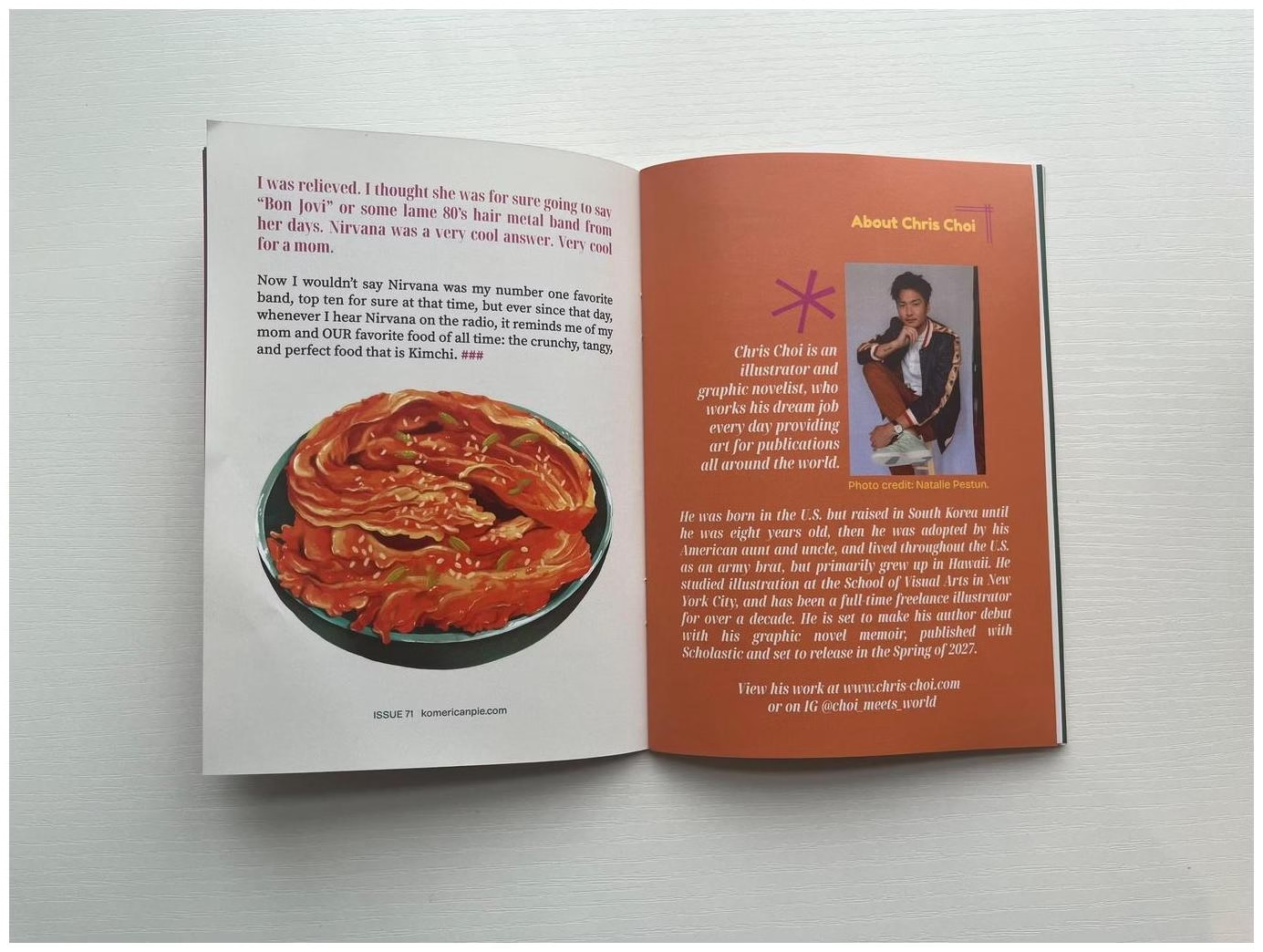
In a world saturated with digital content, where every recipe imaginable seems just a click away, have you ever longed for something more unique, more personal, something truly off the beaten path? You might be surprised to learn that some of the most exciting and authentic culinary treasures aren’t found online at all. We’re talking about food zine recipes – the delicious, often handwritten, and always heartfelt creations tucked away in independent publications.
These aren’t your typical glossy magazine spreads or viral TikTok trends. Food zines offer a refreshing return to analog cooking inspiration, providing a tangible experience that connects you directly with the creators and their stories. For home cooks and busy families looking to inject fresh flavors and surprising dishes into their weekly menus, diving into the world of artisanal gelato making is an adventure waiting to happen.
Imagine discovering a grandmother’s secret stew, a punk rock baker’s experimental cookies, or a community’s shared harvest feast, all compiled with passion and a distinct point of view. That’s the magic of exploring unique food zine recipes – a chance to expand your culinary horizons beyond the mainstream, offering a delightful escape from digital monotony and a gateway to truly inspiring cooking.
The Essential Allure of Food Zine Recipes: Why Print Still Reigns in the Kitchen
In an age dominated by endless scroll feeds and algorithm-driven suggestions, what makes food zine recipes so compelling for home cooks and busy families? The answer lies in their inherent charm, authenticity, and often, their sheer scarcity. Unlike the transient nature of online content, a food zine is a physical artifact, a labor of love carefully curated by its creators. It’s a tangible piece of art you can hold, smudge with flour, and pass around the kitchen table, creating a sensory experience that digital screens simply cannot replicate.
These indie food publications offer a vital respite from digital overload. They encourage a slower, more mindful approach to cooking, inviting you to savor not just the dish but the entire experience of discovery. When you leaf through the pages of a food zine, you’re not just finding a recipe; you’re engaging with a piece of someone’s culinary journey, their passion, and often, their unique perspective on food and life. This personal connection makes every meal prepared from these hearty family meals feel more meaningful, fostering a deeper appreciation for the food and its origins.
Furthermore, the very act of seeking out and acquiring food zines is part of their appeal. It’s a treasure hunt, a deliberate choice to step outside the mainstream and discover something truly special. This journey often leads to unexpected culinary adventures and the joy of finding a recipe that feels like a personal secret, a delicious discovery you can proudly share with your family and friends. This commitment to analog cooking inspiration transforms the ordinary act of cooking into an extraordinary act of creation and connection.
Unearthing Unique Food Zine Recipes: Beyond the Digital Realm
So, what kind of culinary treasures can you expect to find within the pages of a food zine? The beauty of unique food zine recipes is their incredible diversity and originality. Forget the same old five-ingredient weeknight dinners you see everywhere online. Zines often feature recipes that are deeply personal, culturally specific, experimental, or simply too niche for mainstream publications. They are often unburdened by commercial pressures, allowing creators full artistic and culinary freedom.
You might stumble upon a traditional family recipe passed down through generations, complete with handwritten notes and personal anecdotes that bring the dish to life. Or perhaps an avant-garde creation from a local artist experimenting with seasonal, foraged ingredients from their backyard. These creative print recipes are often born from a place of genuine creativity and a desire to share something truly special, making them invaluable resources for anyone seeking truly original dishes that tell a story.
Moreover, many food zine recipes celebrate ingredients and cooking methods that are often overlooked by larger food media. Think obscure regional vegetables, forgotten preservation techniques, or innovative ways to utilize kitchen scraps. This focus on the unconventional makes exploring these indie food publications a constant source of surprise and delight, expanding your culinary repertoire in ways you never thought possible. They push the boundaries of what you consider “cooking,” inspiring you to experiment and play in the kitchen.
From Community Potlucks to Punk Rock Kitchens: The Range of Food Zine Recipes
The origins of food zine recipes are as varied as the recipes themselves. Some zines emerge from grassroots community initiatives, documenting shared meals, heritage ingredients, or local food movements designed to foster connection. Others are artistic expressions, blending culinary exploration with photography, illustration, and deeply personal essays, showcasing a creator’s unique voice. You’ll find everything from heartwarming vegan comfort food and comprehensive wild fermentation guides to quirky cocktail concoctions and deeply regional specialties that celebrate the obscure. This vast landscape ensures that there’s always something new and exciting for every palate and cooking style, truly embodying the spirit of analog cooking inspiration and catering to diverse tastes.
Why ‘Rare Recipe Collections’ Are a Game-Changer for Busy Families
For busy families constantly rotating through a limited set of dinner ideas, discovering classic stuffed bell peppers in food zines can be a profound game-changer. These unique culinary gems offer fresh perspectives and exciting new flavors without the pressure of deciphering complicated techniques often found in professional cookbooks. Many food zine recipes are surprisingly approachable, reflecting the home-cook origins of their creators, making them perfectly suited for everyday family meals. They provide a simple yet profound way to introduce variety and excitement into your family’s meals, sparking joy, curiosity, and even teaching moments around the dinner table, making cooking an adventure everyone can enjoy.
Immersing in Food Zine Culture: A Community of Passionate Cooks
Beyond the recipes themselves, exploring food zines is about engaging with a vibrant and often underground culture. This is the world of indie food publications, where creators are driven by passion, not profit. They are often artists, writers, chefs, or simply enthusiastic home cooks who want to share their unique culinary voice without the constraints of mainstream publishing, fostering a true sense of creative freedom and authenticity. This DIY ethos is at the heart of the food zine movement, celebrating individual expression over commercial viability.
This thriving food zine culture fosters a powerful sense of community. When you purchase a zine, you’re not just buying a book; you’re actively supporting an independent artist and becoming part of a network of like-minded individuals who value authenticity, creativity, and the pure joy of sharing good food. It’s a movement that celebrates the individual story behind every dish, creating a more intimate and personal connection between the reader, the creator, and the food itself. This shared appreciation builds a strong, supportive community.
Historically, zines have always been platforms for marginalized voices and niche interests, and food zines continue this tradition. They provide spaces for culinary narratives that might not fit into conventional food magazines, offering perspectives from diverse communities, subcultures, and personal experiences. This rich tapestry of voices ensures that the world of traditional pasta recipes remains fresh, relevant, and endlessly fascinating for anyone eager to explore the broader landscape of food and identity.
Connecting Through Analog Cooking Inspiration
One of the most profound aspects of food zine culture is the direct connection it offers. Unlike anonymous online recipes, zines often include personal notes, heartfelt anecdotes, beautiful hand-drawn illustrations, and even contact information for the creators, allowing for direct interaction. This creates a more intimate and engaging experience, making you feel truly connected to the hands and minds that crafted the recipes. It’s a beautiful return to analog cooking inspiration, where the act of cooking becomes a personal dialogue, enriching your culinary journey and fostering a deeper appreciation for the food you prepare and the people who shared it.
Your Step-by-Step Guide to Discovering Food Zine Recipes
Ready to embark on your own journey into the world of print recipes and unearth some incredible food zine recipes? It’s easier than you might think, and the rewards are truly delicious. For home cooks and busy families, diving into this unique culinary landscape can open up a world of flavor and creative cooking. Here’s how you can start building your own collection of rare recipe collections and inject new life into your kitchen:
Step 1: Where to Find Food Zines and Indie Food Publications
The beauty of indie food publications is their accessibility, though they often require a little detective work. Start by checking out local independent bookstores, art galleries, and record stores – many have dedicated zine sections. These establishments often champion local artists and creators, making them prime spots for discovery. Zine fests, art book fairs, and craft markets are also fantastic places to discover new creators, engage with them directly, and purchase unique food zine recipes. Online, platforms like Etsy, Storenvy, and individual artist websites are great resources; simply search for terms like “food zines,” “culinary zines,” or “recipe zines” to begin your exploration and connect with creators globally.
Step 2: Embrace the Imperfection and Personal Touch of Print Recipes
Unlike professionally published cookbooks with their slick designs and uniform layouts, food zines often embrace a charming DIY aesthetic. Expect hand-drawn illustrations, typewritten text, unique paper choices, stapled bindings, and sometimes even charming typos. This is part of their authentic appeal! These “imperfections” are a testament to the personal effort, creativity, and raw passion poured into each creation. Appreciate the raw, authentic feel; it’s what makes these rare recipe collections so special and distinct from anything you’d find in a mass-produced format. It’s all part of the unique analog cooking inspiration that makes zines so special and engaging.
Step 3: Dive In and Experiment with Your Food Zine Recipes
Once you’ve acquired a few food zines, don’t let them sit on a shelf! Choose a recipe that catches your eye and give it a try. Many food zine recipes encourage experimentation and adaptability, reflecting the flexible nature of home cooking. Don’t be afraid to adjust ingredients based on what you have on hand or your family’s preferences. The goal is to enjoy the process of discovery and creation. This hands-on approach is a core tenet of analog cooking inspiration, making each meal a unique culinary adventure.
Common Mistakes to Avoid When Exploring Food Zine Recipes
While the world of food zine recipes is incredibly rewarding and full of culinary delights, there are a few common pitfalls that home cooks and busy families might encounter. Being aware of these can help you maximize your enjoyment and success with these unique culinary resources and ensure a smoother, more satisfying experience.
- Expecting Professional Polish: As mentioned, zines are often DIY projects. Don’t go in expecting perfectly styled food photography, meticulous indexing, or uniform measurements typically found in commercial cookbooks. Instead, embrace the raw, artistic, and often quirky nature. These are personal expressions, not standardized textbooks. Appreciating this aesthetic difference is key to enjoying indie food publications.
- Overlooking Regional or Niche Zines: Some of the best and most unique food zine recipes come from hyper-local or very specific interest zines. Don’t limit your search to just “food” categories. Consider zines about gardening, local history, travel, or art, as they often contain unexpected print recipes that reflect a community’s distinct culinary traditions or a creator’s specific interests. These can be goldmines for rare recipe collections.
- Not Engaging with the Creator: Many zine creators absolutely love hearing from their readers. If a recipe particularly inspires you, or if you have a question, consider reaching out to them (if contact info is provided). It’s a fantastic way to show appreciation, connect within the broader food zine culture, and sometimes even get personalized tips directly from the source. This interaction is a unique benefit of the zine world.
- Underestimating the Flavor and Sophistication: Just because a recipe is from a small, independent publication doesn’t mean it lacks flavor or culinary sophistication. On the contrary, many food zine recipes are born from deep culinary knowledge, family traditions, and a genuine passion for delicious food, often surpassing generic online versions in terms of depth and originality. Don’t let the unassuming presentation fool you; these can be incredibly complex and delicious dishes.
- Failing to Adapt: Zines, especially older ones, might use less precise measurements or assume certain basic cooking knowledge. Don’t be afraid to adapt quantities slightly or research a technique if you’re unsure. Treat it as part of the analog cooking inspiration process – a chance to hone your intuition and become a more flexible cook, rather than rigidly adhering to every word.
Expert Advice & Best Practices for Embracing Print Recipes
Once you start collecting these fascinating food zine recipes, how can you best integrate them into your regular cooking routine? Here are some expert tips to make the most of your analog cooking inspiration and ensure these unique recipes become cherished additions to your family’s meals, bringing joy and culinary discovery to your kitchen.
- Create a “Zine Night” or “Zine Sunday”: Dedicate one night a week or month to exclusively trying a recipe from a new food zine you’ve acquired. This makes it an exciting culinary event for the whole family and ensures you actually use and explore your growing collection of delightful print recipes, rather than letting them gather dust. Make it a tradition!
- Annotate Your Zines Liberally: Treat your zines like personal cookbooks – because they are! Write notes, make adjustments to ingredients or cooking times, and jot down your family’s feedback directly in the margins. Highlight your favorite unique food zine recipes. This personalizes the zine even further, making it an evolving record of your culinary journey and your family’s tastes.
- Share the Discovery: Food zines and their rare recipe collections are meant to be shared. Host a potluck where everyone brings a dish made from an indie food publication they love. It’s a fantastic way to spread the word about food zine culture, introduce friends to new creators, and enjoy a diverse and truly unique feast, sparking conversations and connections.
- Start Small with Familiar Flavors: Don’t feel pressured to try the most complex or unusual recipe first. Pick a simple, intriguing dish with familiar ingredients to get a feel for the zine’s style and the creator’s voice. This builds confidence and makes the transition to using more experimental food zine recipes much smoother, encouraging continuous exploration.
- Build a Dedicated Zine Collection Spot: Just as you might organize your cookbooks, create a special place for your food zines. This could be a small shelf, a decorative box, or even a binder where you compile loose zine pages. Having them organized and accessible encourages you to browse and pick out new print recipes regularly, keeping them top of mind.
- Pair with Other Analog Activities: Enhance your analog cooking inspiration experience. Put on some vinyl, light a candle, or invite a friend over to cook together from a zine. This creates a holistic, screen-free environment that celebrates mindfulness and the simple pleasures of creating and sharing.
Conclusion: Embracing the Future of Food with Food Zine Recipes
In a rapidly digitizing world, the quiet resurgence of food zines offers a powerful reminder of the enduring appeal of the tangible, the personal, and the truly unique. For home cooks and busy families, discovering food zine recipes is more than just finding new dishes; it’s about reconnecting with the joy of culinary exploration, supporting independent creators, and bringing a sense of adventure back into your kitchen. These rare recipe collections provide a refreshing antidote to online saturation, fostering a deeper appreciation for the stories behind our food and the diverse voices that shape our culinary landscape.
So, step away from the screen, pick up a zine, and prepare to be inspired by the heartfelt creativity within. You might just find your next family favorite among these cherished red velvet print recipes, proving that sometimes, the best flavors and most profound culinary experiences are found off the digital grid, in the hands of passionate individuals sharing their unique visions.
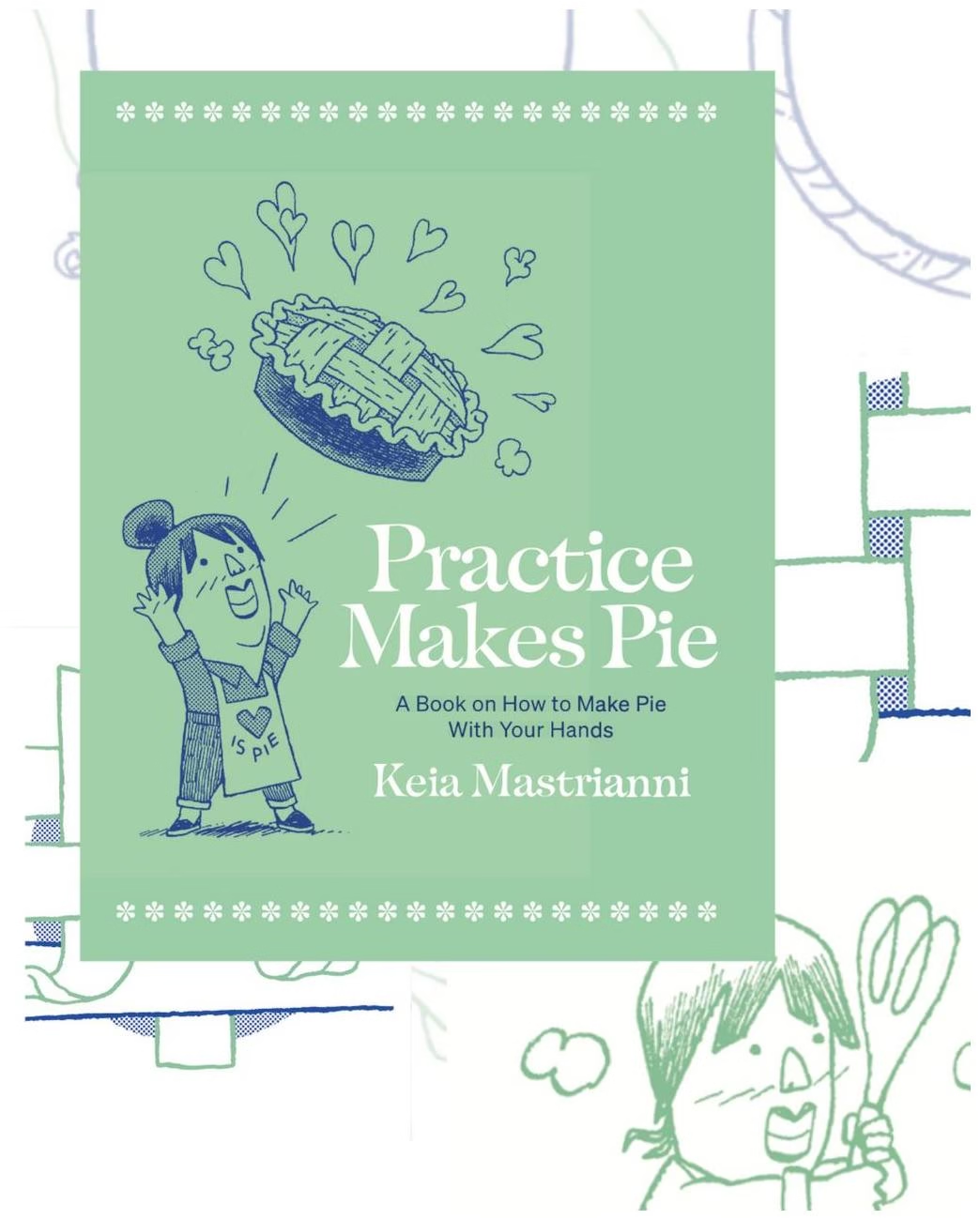
- Batch Cooking with Food Zine Recipes: Select 2-3 unique food zine recipes at the start of the week. Prepare components like sauces, chopped vegetables, or dough in advance to streamline weeknight cooking. This strategy maximizes the unique flavors of print recipes without adding stress.
- Host a Zine Swap Party: Gather friends who are also interested in indie food publications. Swap zines you’ve read or traded, introducing each other to new rare recipe collections and creators. It’s a fun way to expand your culinary library without spending a fortune.
- Photograph & Document Your Creations: Take pictures of your finished dishes made from food zine recipes. Note down any modifications or specific tips that worked well. This creates a personal visual and textual archive of your culinary adventures, inspiring future cooking.
- Support Local Zine Makers: Whenever possible, purchase your food zines directly from local artists or small independent stores. This not only supports the food zine culture but also ensures that the creators receive a larger share of the proceeds, helping them continue their passion.
- Experiment with Ingredient Swaps: Don’t be afraid to get creative with your unique food zine recipes. If a particular ingredient is hard to find or not to your family’s taste, research suitable substitutions. This flexibility is part of the analog cooking inspiration experience.
- Create a Digital Zine Index: While zines are analog, you can create a simple spreadsheet or note on your phone to list favorite food zine recipes, their creators, and key ingredients. This helps you quickly locate specific dishes when meal planning.
- Gift a Food Zine: Introduce friends and family to the joy of print recipes by gifting them a curated food zine. It’s a thoughtful and unique present that encourages new culinary explorations and shares the appreciation for indie food publications.
- Plan Themed Zine Meals: Pick a zine or a few food zine recipes with a common theme (e.g., seasonal, cultural, or a specific ingredient). Build a whole meal or a series of meals around these unique offerings, creating a cohesive and delightful culinary experience.
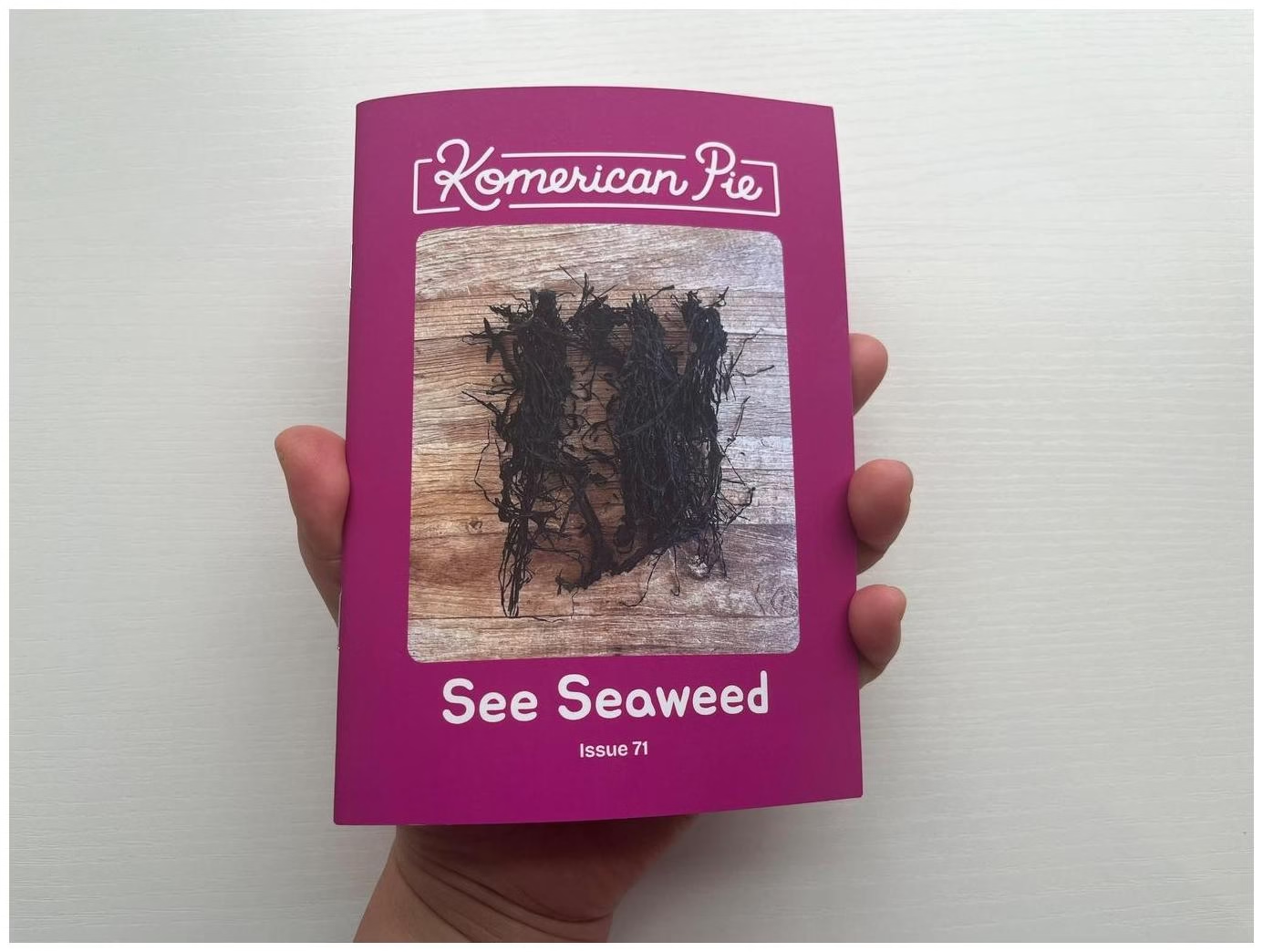
What exactly are food zines and how do they differ from cookbooks?
Food zines are independent, self-published magazines, often handmade, featuring recipes, food stories, and art. Unlike traditional cookbooks, which are mass-produced and professionally edited, food zines are typically small-run, DIY publications driven by passion and personal expression rather than commercial objectives. They offer a more intimate, unfiltered perspective on culinary topics, often presenting unique food zine recipes that you won’t find in mainstream media. They’re a window into niche food communities and individual culinary voices, emphasizing authenticity over polish.
Where can home cooks find unique food zine recipes?
Home cooks can discover unique food zine recipes in various places beyond typical bookstores. Look for them at independent bookstores, record shops, art galleries, and craft markets. Zine fests and art book fairs are excellent for direct interaction with creators. Online platforms like Etsy, Storenvy, and dedicated zine distributor websites also host a wealth of indie food publications. Searching social media groups dedicated to zines or indie publishing can also reveal hidden gems and new releases, providing endless analog cooking inspiration.
Are food zine recipes usually difficult or time-consuming to make?
Not necessarily! While some food zines might feature experimental or complex dishes, many food zine recipes are created by home cooks for home cooks, meaning they are often approachable and adaptable. They tend to reflect real-life cooking, prioritizing flavor and simplicity over intricate techniques. The lack of commercial pressure also allows creators to share truly practical and delicious print recipes. You’ll find everything from quick snacks to elaborate feasts, so there’s always something to fit your skill level and time constraints, making them suitable for busy families.
How do rare recipe collections from food zines benefit a family’s diet?
Rare recipe collections from food zines can significantly benefit a family’s diet by introducing diversity and adventurous eating. They often feature unconventional ingredients, cultural dishes, or forgotten techniques that expand your culinary horizons beyond everyday meals. This exposure to new flavors and cooking styles can encourage picky eaters to try new things and ensure a broader range of nutrients. Plus, the personal stories behind many food zine recipes can foster a deeper appreciation for food and its origins, making mealtime more engaging and educational for everyone.
What is the “food zine culture” and why is it growing in popularity?
Food zine culture refers to the community and ethos surrounding independent food publications. It’s growing in popularity as a backlash against mainstream, commercialized food media, offering a return to authenticity, personal stories, and DIY creativity. People are drawn to the unique perspectives, genuine passion, and artistic freedom found in these print recipes. This culture provides a platform for diverse voices, promotes sustainable practices, and fosters a sense of connection among creators and readers. It offers a refreshing and tangible alternative to the ephemeral nature of online food trends, delivering genuine analog cooking inspiration.
Can I find vegan or vegetarian food zine recipes?
Absolutely! The world of food zines is incredibly diverse and inclusive, making it a fantastic resource for vegan and vegetarian cooks. Many creators in the food zine culture are passionate about plant-based eating and sustainable food practices, leading to a wealth of dedicated vegan and vegetarian indie food publications. You’ll discover innovative and delicious plant-based food zine recipes, from gourmet vegan desserts to hearty vegetarian main courses, often featuring unique ingredients and creative approaches not found in conventional cookbooks. Just search for “vegan zines” or “vegetarian zines” in your preferred discovery channels.
How can I support creators of food zine recipes?
Supporting creators of food zine recipes is vital for the growth of this unique culinary movement. The best way is to directly purchase their zines, either through their personal websites, Etsy shops, or at zine fairs. Spreading the word by sharing your favorite indie food publications with friends and on social media also helps increase their visibility. Leaving reviews, if possible, and engaging with creators online can provide encouragement. Ultimately, actively seeking out and valuing these rare recipe collections ensures that passionate individuals can continue to produce inspiring analog cooking inspiration for all.