
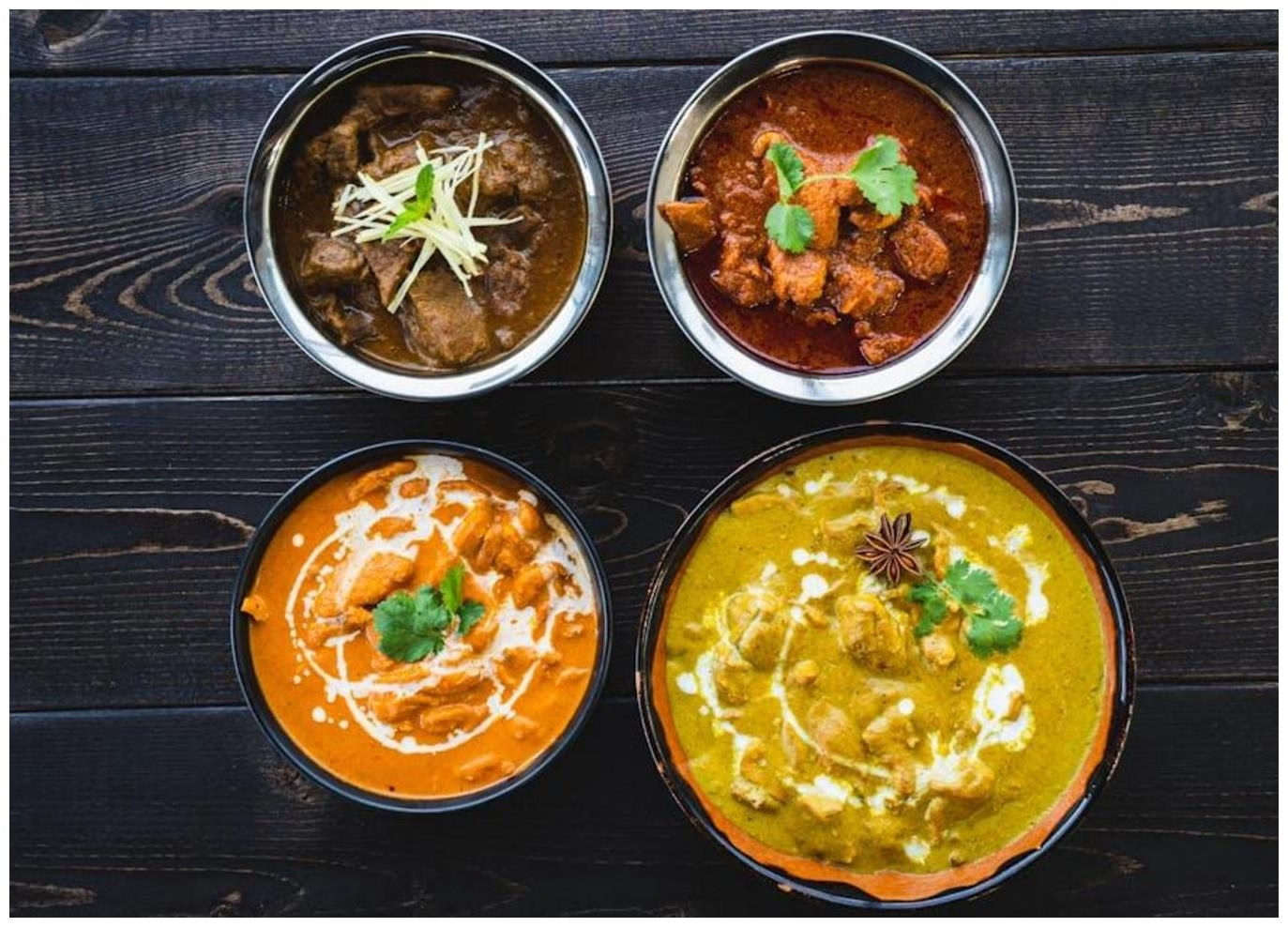
Classic Creamy Veggie Korma Coconut
A comforting and rich take on the traditional Korma, this recipe features a medley of vegetables simmered in a luscious coconut milk and cashew-based sauce. Perfect for a hearty weeknight dinner that’s bursting with flavor.
Ingredients
- 1 tbsp coconut oil
- 1 large onion, finely chopped
- 2 cloves garlic, minced
- 1-inch ginger, grated
- 1 tsp ground cumin
- 1 tsp ground coriander
- 1/2 tsp turmeric powder
- 1/4 tsp cayenne pepper (optional)
- 1 cup mixed vegetables (carrots, potatoes, green beans, peas), chopped
- 1/2 cup vegetable broth
- 1 can (400ml) full-fat coconut milk
- 1/4 cup cashews, soaked in warm water for 15 minutes and pureed
- Salt to taste
- Fresh cilantro, chopped, for garnish
Directions
- Heat coconut oil in a large pot or Dutch oven over medium heat. Add chopped onion and sauté until softened, about 5-7 minutes.
- Stir in minced garlic and grated ginger, cooking for another minute until fragrant.
- Add ground cumin, coriander, turmeric, and cayenne pepper (if using). Cook for 30 seconds, stirring constantly, until aromatic.
- Add chopped mixed vegetables and vegetable broth. Bring to a simmer, then reduce heat, cover, and cook for 10-15 minutes, or until vegetables are tender-crisp.
- Pour in the full-fat coconut milk and stir in the pureed cashews. Bring the korma back to a gentle simmer and cook uncovered for 5-7 minutes, allowing the sauce to thicken slightly.
- Season with salt to taste. Garnish with fresh cilantro before serving hot with rice or naan.
Tips
- For extra richness, gently toast the cashews before soaking and pureeing.
- Adjust the spice level by adding more or less cayenne pepper.
- Don’t overcook the vegetables; they should still have a slight bite.

Spicy South Indian Veggie Korma with Coconut Milk
Take your taste buds on a journey to South India with this vibrant and spicy korma. Infused with aromatic curry leaves and mustard seeds, this dish offers a delightful kick alongside the creamy sweetness of coconut.
Ingredients
- 1 tbsp ghee or vegetable oil
- 1 tsp black mustard seeds
- 10-12 fresh curry leaves
- 1 large red onion, thinly sliced
- 2 green chilies, slit lengthwise
- 1 tbsp ginger-garlic paste
- 1/2 tsp fenugreek seeds
- 1 tsp red chili powder
- 1.5 tsp ground coriander
- 1/2 tsp turmeric powder
- 2 cups mixed vegetables (cauliflower, bell peppers, green beans), chopped
- 1 can (400ml) full-fat coconut milk
- 1/2 cup water
- 1 tbsp tamarind paste
- Salt to taste
- Fresh cilantro, chopped, for garnish
Directions
- Heat ghee or oil in a pan over medium heat. Add mustard seeds and let them splutter. Then add curry leaves and sauté for a few seconds.
- Add sliced red onion and green chilies. Sauté until onions are translucent and lightly browned.
- Stir in ginger-garlic paste and fenugreek seeds. Cook for 1 minute until fragrant.
- Add red chili powder, ground coriander, and turmeric powder. Stir quickly for 30 seconds to toast the spices.
- Add chopped mixed vegetables, coconut milk, and water. Bring to a boil, then reduce heat, cover, and simmer for 15-20 minutes, or until vegetables are tender.
- Stir in tamarind paste and salt to taste. Cook for another 5 minutes, allowing flavors to meld.
- Garnish with fresh cilantro and serve hot with dosa or idli.
Tips
- For a milder version, deseed the green chilies or reduce their quantity.
- Fresh curry leaves are essential for authentic South Indian flavor; don’t substitute with dried ones if possible.
- A squeeze of fresh lime juice at the end brightens the flavors.
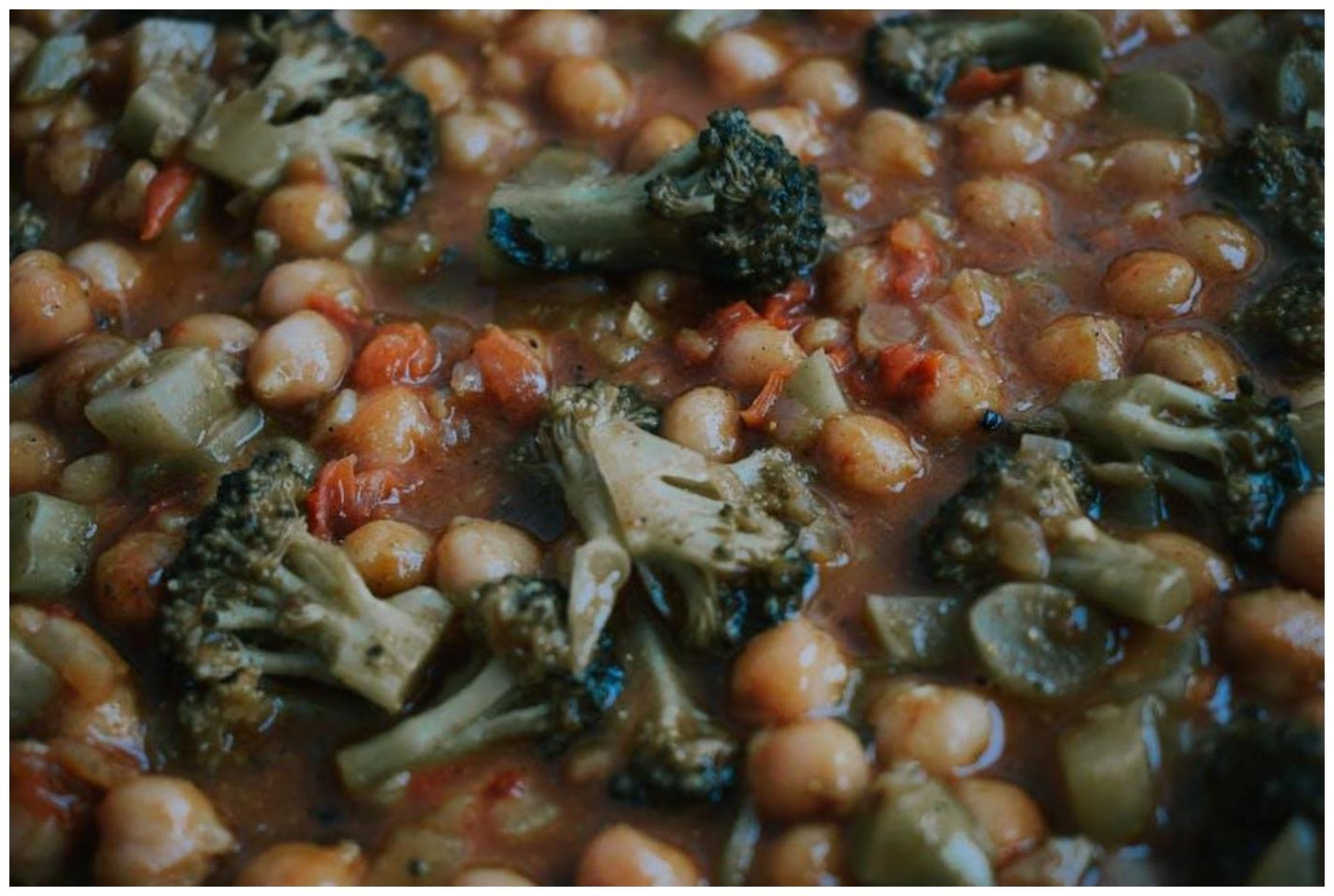
Quick Weeknight Veggie Korma with Spinach and Chickpeas
Craving korma but short on time? This speedy recipe delivers all the comforting flavors in under 30 minutes! Packed with nutrient-rich spinach and protein-packed chickpeas, it’s a healthy and satisfying meal.
Ingredients
- 1 tbsp olive oil
- 1 small onion, diced
- 1 clove garlic, minced
- 1/2-inch ginger, grated
- 1/2 tsp garam masala
- 1/2 tsp cumin powder
- 1/4 tsp turmeric powder
- 1 can (400g) chickpeas, drained and rinsed
- 1 can (400ml) light coconut milk
- 2 cups fresh spinach
- Salt and black pepper to taste
- Basmati rice, for serving
Directions
- Heat olive oil in a large skillet or pot over medium heat. Add diced onion and cook until softened, about 3-4 minutes.
- Stir in minced garlic and grated ginger, cooking for 1 minute until fragrant.
- Add garam masala, cumin powder, and turmeric powder. Sauté for 30 seconds, stirring constantly.
- Add drained and rinsed chickpeas and light coconut milk. Bring to a gentle simmer, stirring occasionally.
- Stir in fresh spinach in batches, allowing it to wilt before adding more. Cook until all spinach is wilted and the korma has thickened slightly, about 5-7 minutes.
- Season with salt and black pepper to taste. Serve immediately with warm basmati rice.
Tips
- For a richer sauce, use full-fat coconut milk instead of light.
- Add a squeeze of lemon juice at the end for brightness.
- This korma is excellent with a side of warm naan bread to scoop up the sauce.
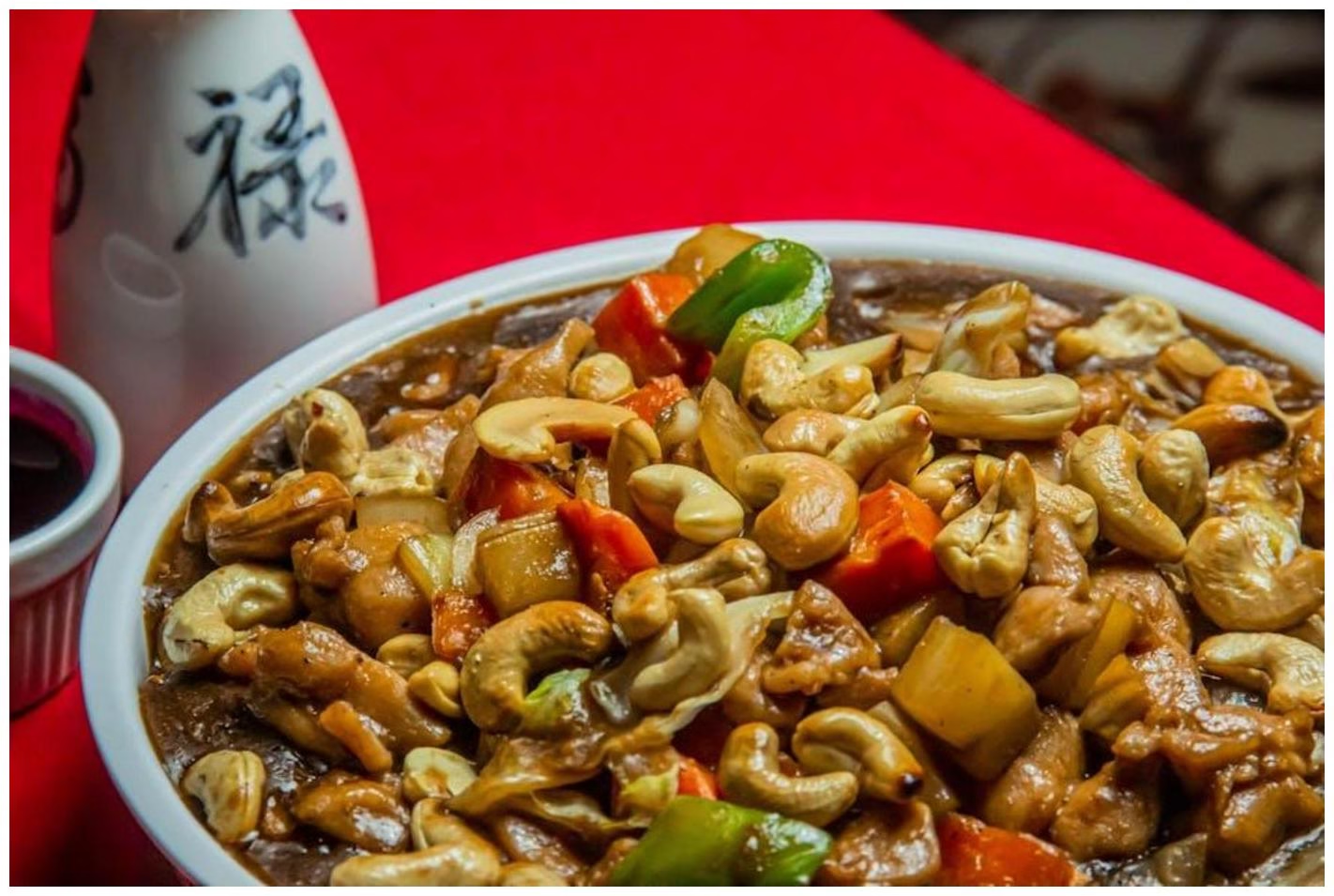
Roasted Vegetable Korma Coconut with Cashew Cream
Elevate your korma experience with beautifully roasted vegetables, adding a deeper, more caramelized flavor. The creamy cashew sauce perfectly balances the rich roasted notes, making for a truly gourmet vegetarian dish.
Ingredients
- 1 large sweet potato, peeled and cubed
- 1 head broccoli, cut into florets
- 1 red bell pepper, deseeded and chopped
- 2 tbsp olive oil, divided
- Salt and black pepper to taste
- 1 large onion, chopped
- 2 cloves garlic, minced
- 1-inch ginger, grated
- 1 tsp ground coriander
- 1 tsp ground cumin
- 1/2 tsp turmeric powder
- 1 can (400ml) full-fat coconut milk
- 1/2 cup vegetable broth
- 1/4 cup cashews, soaked in warm water for 30 minutes and blended with 1/4 cup fresh water until smooth
- Fresh cilantro, chopped, for garnish
Directions
- Preheat oven to 200°C (400°F). Toss sweet potato, broccoli, and red bell pepper with 1 tablespoon of olive oil, salt, and pepper on a baking sheet. Roast for 20-25 minutes, or until tender and lightly caramelized.
- While vegetables roast, heat the remaining 1 tablespoon of olive oil in a large pot over medium heat. Add chopped onion and sauté until softened and lightly browned, about 7-10 minutes.
- Stir in minced garlic and grated ginger, cooking for 1 minute until fragrant.
- Add ground coriander, cumin, and turmeric powder. Cook for 30 seconds, stirring constantly.
- Pour in coconut milk and vegetable broth. Bring to a gentle simmer.
- Stir in the blended cashew cream. Cook for 5-7 minutes, allowing the sauce to thicken.
- Gently fold in the roasted vegetables. Heat through for a few minutes.
- Garnish with fresh cilantro and serve hot.
Tips
- Ensure your cashews are well blended for a super smooth sauce; a high-speed blender works best.
- Don’t overcrowd the baking sheet when roasting vegetables to ensure even browning.
- A squeeze of fresh lime juice at the end brightens the flavors and adds a nice zing.
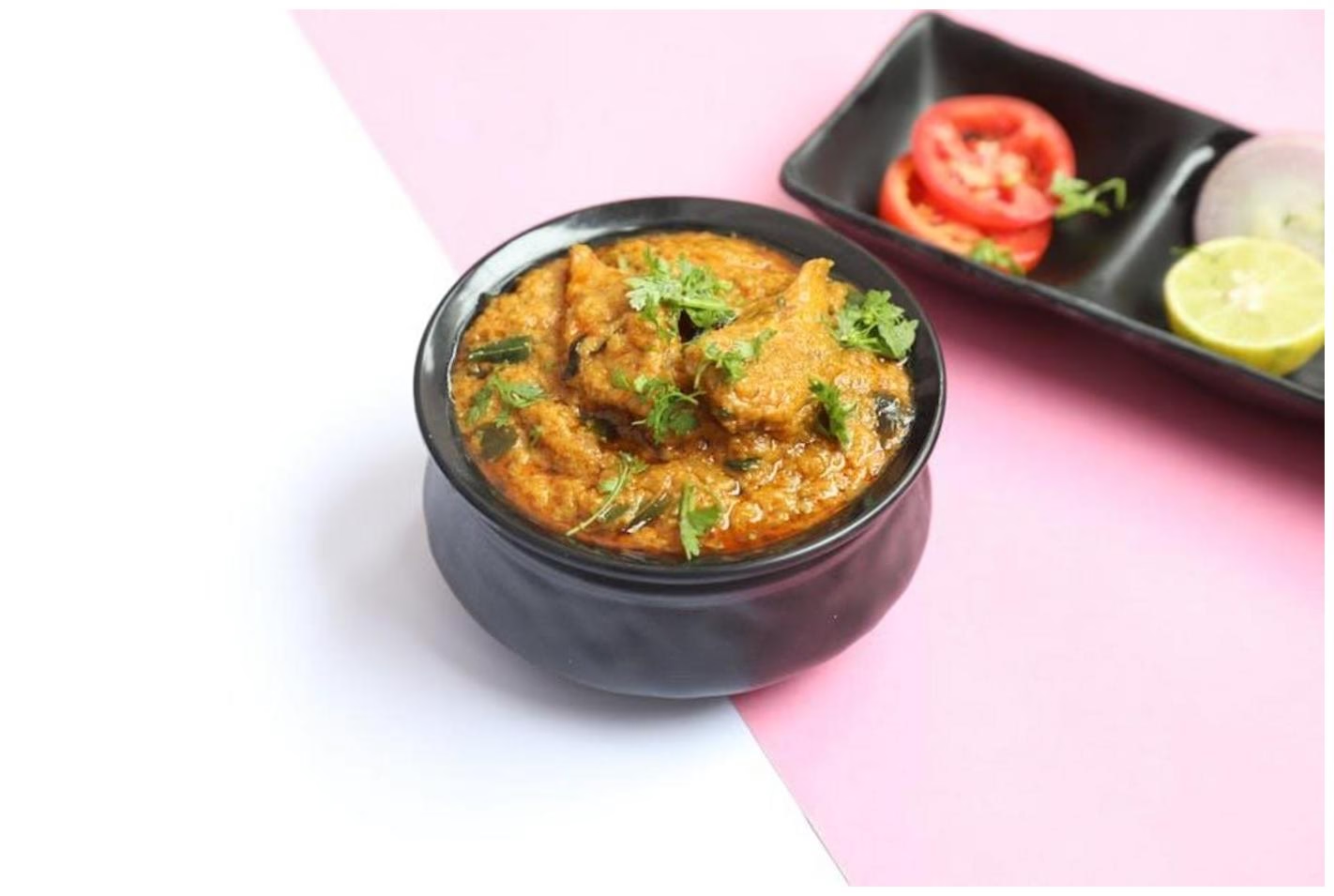
Mastering the Flavorful Art of Veggie Korma Coconut
Are you searching for a delicious, satisfying, and wholesome meal that delights everyone at your table, even the pickiest eaters? Look no further than Veggie Korma Coconut, a dish that brings a burst of vibrant flavors and creamy textures to your weeknight dinners or special gatherings. This delightful curry, steeped in rich culinary tradition, offers a fantastic way to enjoy a medley of vegetables bathed in a luxurious, aromatic coconut-infused sauce. It’s a perfect option for home cooks and busy families who want to explore global flavors without sacrificing ease or nutrition. You might even find yourself comparing its comforting richness to other creamy dishes like a hearty chicken tikka masala.
The beauty of Veggie Korma Coconut lies in its remarkable versatility and the depth of its spice profile, making it a staple in many kitchens worldwide. Imagine tender vegetables, gently simmered until perfectly cooked, absorbing all the wonderful nuances of fragrant spices and the natural sweetness of coconut milk. It’s truly a culinary experience that transports your taste buds to a world of authentic Indian-inspired cuisine.
This article isn’t just about a recipe; it’s an exploration into the heart of what makes this dish so special. We’ll delve into its history, health benefits, and techniques to help you master your own version of this incredible Veggie Korma Coconut. Ready to discover the magic?
Why Veggie Korma Coconut Matters for Your Table
Beyond its undeniably delicious taste, Veggie Korma Coconut holds a significant place in modern cooking due to its adaptability and nutritional value. For busy families and home cooks, finding meals that are both convenient and healthy can be a challenge. This korma gracefully steps up to meet those demands, providing a complete meal packed with goodness that comes together without fuss.
A Nutrient-Rich Delight for Every Diet
Embracing a plant-forward lifestyle has never been more appealing, and Veggie Korma Coconut is a prime example of how flavorful and satisfying such meals can be. Loaded with an array of colorful vegetables like potatoes, carrots, peas, and green beans, this dish provides essential vitamins, minerals, and fiber. The addition of coconut milk not only lends its signature creaminess but also healthy fats, making it a truly wholesome choice for those seeking balanced nutrition. It’s a fantastic way to boost your daily vegetable intake, often without even realizing it!
Culinary Versatility: Adapting Veggie Korma Coconut to Your Liking
One of the greatest strengths of this dish is its incredible flexibility. Don’t have cauliflower on hand? Swap it for broccoli! Prefer a bit more heat? A touch of chili powder can transform your Veggie Korma Coconut into a spicier affair. This adaptability makes it an ideal meal for using up whatever fresh produce you have, reducing food waste, and encouraging creativity in the kitchen. You can truly make this dish your own, tailoring it to personal preferences and seasonal availability, ensuring it never gets boring.
Veggie Korma Coconut — A Journey Through Aromatic Flavors
The soul of any great curry lies in its spices, and Veggie Korma Coconut is no exception. It’s a delicate balance that creates a warm, inviting, and deeply satisfying flavor profile. Understanding these elements is key to appreciating the depth of this truly comforting meal.
The Symphony of Spices: Building Complexity
The spice blend in korma is typically milder than other curries, focusing on aroma and warmth rather than intense heat. Common spices include earthy turmeric, fragrant cardamom, pungent cumin, and sweet coriander. These are often gently toasted and ground to release their full aromatic potential, creating a foundation that is both complex and harmonious. When combined, they don’t overpower the natural taste of the vegetables but rather enhance them, resulting in a beautifully fragrant sauce.
The Creamy Coconut Embrace: A Signature Element
Coconut milk is the star ingredient that gives Veggie Korma Coconut its signature luscious texture and subtly sweet undertones. It provides a rich, velvety base that coats every piece of vegetable, balancing the spices and adding a wonderful depth of flavor. For an extra creamy experience, consider using a Classic Creamy Veggie Korma Coconut specific product or even some cashew cream. This dairy-free option makes the dish accessible to a wider audience, including those with lactose intolerance or following vegan diets, without compromising on richness.
The Rich History and Evolution of Korma
To truly appreciate Veggie Korma Coconut, it’s helpful to understand its storied past. The korma’s origins trace back centuries, a testament to its enduring appeal and culinary significance.
From Royal Kitchens to Home Tables: The Mughal Legacy
The korma itself has roots in Mughal cuisine, developed in the royal kitchens of India during the Mughal Empire. Originally, it was a rich, heavy dish often made with meat, yogurt, and cream, served to emperors and noblemen. Over centuries, as culinary traditions spread and evolved, the korma adapted to regional ingredients and preferences, moving from exclusive royal tables to become a beloved dish in homes across India and beyond. This evolution showcases how traditional recipes can transform while retaining their core essence.
The Rise of Plant-Based Korma: A Modern Adaptation
In more recent times, as vegetarianism and plant-based diets gained popularity, the korma naturally evolved to embrace a wealth of vegetables. The shift from yogurt and cream to coconut milk in many versions, particularly in South Indian interpretations, further broadened its appeal and flavor profile. This adaptation resulted in the delightful Spicy South Indian Veggie Korma with Coconut Milk, highlighting regional variations. This modern Veggie Korma Coconut celebrates the richness of plant-based ingredients while honoring its historical roots as a deeply satisfying and flavorful meal.
Crafting Your Perfect Veggie Korma Coconut
While this isn’t a step-by-step recipe, understanding the general process of creating Veggie Korma Coconut can inspire confidence in the kitchen. It’s about combining fresh ingredients with aromatic spices to build layers of flavor. Do you ever wonder how some dishes achieve such incredible depth?
Ingredient Selection: The Foundation of Flavor
The quality of your ingredients directly impacts the final taste of your Veggie Korma Coconut. Opt for fresh, seasonal vegetables that hold their shape well during cooking, such as potatoes, carrots, peas, and green beans. Don’t shy away from adding unexpected elements like spinach or chickpeas for extra texture and nutrition. High-quality coconut milk and freshly ground spices will also make a noticeable difference, elevating the entire dish from good to truly exceptional. Consider exploring different vegetables for variety, much like you might experiment with fillings in stuffed bell peppers. For general inspiration on ingredients, you can always browse available options for veggie korma coconut ingredients.
Building Layers of Flavor: The Cooking Process
The magic happens as you build the flavors. It typically begins with sautéing onions, garlic, and ginger until fragrant, forming the aromatic base. Then, the whole and ground spices are added and gently cooked to release their essential oils. Next, the vegetables are introduced, often briefly seared before the coconut milk and a splash of water or vegetable broth are added. Slow simmering allows the vegetables to tenderize and absorb the rich flavors, creating a cohesive and mouth-watering Veggie Korma Coconut. This gentle cooking process ensures every component contributes to the overall deliciousness.
Common Mistakes to Avoid with Veggie Korma Coconut
Even seasoned home cooks can sometimes make minor missteps that affect the final outcome of their Veggie Korma Coconut. Being aware of these common pitfalls can help you achieve a perfectly balanced and flavorful curry every time. Are you confident you’re avoiding these common blunders?
Overcooking Your Vegetables: The Texture Trap
One of the most frequent mistakes is overcooking the vegetables, turning them mushy and losing their vibrant texture. Vegetables should be tender-crisp, offering a slight bite that contrasts beautifully with the creamy sauce. Add heartier vegetables like potatoes and carrots earlier, and softer ones like peas or spinach closer to the end of the cooking time. This ensures each vegetable retains its integrity and contributes to the overall mouthfeel of your Veggie Korma Coconut.
Under-seasoning or Over-spicing: The Flavor Balance
Achieving the right balance of spices is crucial. Under-seasoning can lead to a bland, uninspired korma, while over-spicing, especially with stronger spices like garam masala, can overwhelm the delicate coconut flavor. Taste and adjust as you go, adding spices incrementally. Remember, it’s easier to add more spice than to take it away! A perfectly seasoned Veggie Korma Coconut allows each flavor to shine without any single one dominating. Don’t forget to check the salt levels throughout the cooking process.
Too Watery or Too Thick: Consistency Challenges
The ideal Veggie Korma Coconut should have a rich, flowing consistency that coats the back of a spoon, not a thin broth or an overly thick paste. If your korma is too watery, simmer it gently without a lid for a little longer to allow some evaporation. If it’s too thick, you can thin it out with a splash of warm water or vegetable broth. Adjusting the consistency ensures that the sauce beautifully clings to the vegetables and rice, enhancing the overall dining experience. A well-balanced consistency is key to a truly enjoyable dish.
Expert Tips and Best Practices for Your Veggie Korma Coconut
Elevate your Veggie Korma Coconut from good to extraordinary with these expert insights and best practices. These tips focus on enhancing flavor, optimizing texture, and streamlining your cooking process for a consistently delicious outcome.
Toasting Spices for Maximum Aroma
Before adding your ground spices to the pan, consider dry-toasting whole spices like cardamom pods, cloves, and cinnamon sticks until fragrant. This simple step awakens their essential oils, intensifying their aroma and flavor. Once toasted, you can grind them or add them whole to your curry base. This technique adds an incredible depth that pre-ground spices alone cannot achieve, making your Veggie Korma Coconut truly sing. It’s a small effort for a significant flavor reward.
The Power of Fresh Herbs and Garnishes
While the cooked spices provide the foundational flavor, fresh herbs and garnishes add a burst of brightness and color just before serving. A generous sprinkle of fresh cilantro, a squeeze of lime juice, or even some toasted almonds or cashews can dramatically enhance the presentation and add complementary flavors and textures. Don’t underestimate the power of a final flourish to complete your Veggie Korma Coconut, making it look as good as it tastes. Fresh ingredients always make a difference.
Meal Prep and Freezing for Convenience
Veggie Korma Coconut is an excellent candidate for meal prepping. It often tastes even better the next day as the flavors have more time to meld and deepen. Cook a larger batch and portion it into individual containers for quick and easy lunches or dinners throughout the week. This korma also freezes beautifully, making it a perfect freezer-friendly meal for those super busy days. Simply thaw and reheat gently on the stovetop for a comforting meal. For more ideas on efficient meal planning, you might explore techniques for preparing dishes like a beef stroganoff ahead of time.
Conclusion: The Enduring Appeal of Veggie Korma Coconut
From its royal origins to its modern-day plant-based adaptations, Veggie Korma Coconut stands as a testament to the enduring power of delicious food to bring people together. Its creamy texture, aromatic spices, and vibrant vegetables make it a truly satisfying and wholesome meal for any occasion. Whether you’re a seasoned chef or a home cook looking to expand your culinary repertoire, mastering this dish will undoubtedly bring joy to your kitchen and your dining table. So go ahead, embrace the rich flavors and create your own perfect Veggie Korma Coconut tonight. For other delightful and easy-to-make vegetarian options, be sure to check out our recipe for cucumber salad, a refreshing side dish.
Tips & Tricks
- Enhance Sweetness Naturally: For a richer, deeper flavor in your Veggie Korma Coconut, sauté finely diced onions and a pinch of grated ginger until deeply caramelized before adding other spices. This slow cooking process brings out their natural sugars, contributing a subtle sweetness that beautifully complements the coconut milk and spices. It’s a simple step that adds immense complexity to your curry base.
- Pre-roast Hearty Vegetables for Best Veggie Korma Coconut Texture: To prevent watery korma and boost flavor, consider lightly roasting tougher vegetables like potatoes, carrots, or cauliflower florets before adding them to the curry. This technique concentrates their flavors and ensures they maintain a pleasant texture, even after simmering in the sauce. It’s a great way to ensure your Veggie Korma Coconut has perfectly cooked components.
- Homemade Garam Masala for Authenticity: While store-bought garam masala is convenient, making your own fresh blend offers an unparalleled aromatic depth. Toast whole spices like cardamom, cloves, cinnamon, and cumin, then grind them just before use. This fresh blend will significantly elevate the fragrance and authentic taste of your Classic Creamy Veggie Korma Coconut.
- Balance with Acidity: A touch of acidity at the end can brighten the rich flavors of your Veggie Korma Coconut and prevent it from tasting too heavy. A squeeze of fresh lime juice or a spoonful of tamarind paste (if you enjoy a tangier profile) can cut through the richness beautifully. This small addition makes a remarkable difference in the overall vibrancy of the dish.
- Nut Paste for Extra Creaminess: Beyond coconut milk, a paste made from blanched almonds or cashews can add an extra layer of luxurious creaminess and nutty flavor to your korma. Simply soak a handful of nuts, blend them with a little water, and stir into the curry during the simmering stage. This trick is especially effective for achieving a restaurant-quality texture. This creamy element also makes it distinct from lighter coconut desserts like mango coconut cake.
- Serve with Freshly Made Sides: Don’t forget the accompaniments! Pair your Veggie Korma Coconut with fluffy basmati rice, warm naan bread, or a simple raita (yogurt with cucumber and mint). A light, refreshing side like a vibrant classic caesar salad can provide a lovely contrast to the rich curry. These additions complete the meal, making it a truly satisfying experience.
- Quick Weeknight Veggie Korma Coconut Shortcut: For those exceptionally busy evenings, utilize pre-cut frozen mixed vegetables and a good quality store-bought curry paste or simmer sauce as a base. While homemade is always ideal, this shortcut allows you to enjoy a delicious and wholesome Veggie Korma Coconut with minimal effort. Look for a Quick Weeknight Veggie Korma with Spinach and Chickpeas kit for inspiration.
- Strategic Use of Fresh Ginger: Incorporate fresh ginger not just at the beginning, but also a fine julienne of ginger as a garnish just before serving. The raw, pungent bite of fresh ginger adds a lively contrast and aromatic lift to the cooked flavors. This technique provides an unexpected burst of freshness that complements the deep spices in your Veggie Korma Coconut.
Frequently Asked Questions
What is Veggie Korma Coconut?
Veggie Korma Coconut is a popular Indian-inspired vegetarian curry dish renowned for its rich, creamy texture and aromatic, mild spice blend. It features a medley of vegetables like potatoes, carrots, peas, and cauliflower, simmered in a luscious sauce primarily made with coconut milk, often enriched with ground nuts. Unlike some spicier curries, korma focuses on a fragrant and slightly sweet profile, making it a comforting and accessible meal for many palates, especially those new to Indian cuisine. It’s a wholesome and satisfying plant-based option.
Is Veggie Korma Coconut a healthy meal option?
Yes, Veggie Korma Coconut can be a very healthy meal. It’s packed with a variety of vegetables, providing essential vitamins, minerals, and dietary fiber. Coconut milk offers healthy fats, and if you include ingredients like chickpeas or lentils, it boosts protein content. While coconut milk is caloric, in moderation, it contributes to satiety and provides beneficial fatty acids. It’s an excellent way to incorporate more plant-based nutrition into your diet, offering a balanced and flavorful approach to healthy eating.
How can I make my Veggie Korma Coconut spicier?
To add more heat to your Veggie Korma Coconut, you have several options. You can incorporate fresh green chilies, finely chopped or slit, into the tempering stage or while sautéing the aromatics. A pinch of cayenne pepper or red chili powder can be added along with the other ground spices. For a smoky heat, consider adding a dash of smoked paprika. Remember to taste as you go, as spiciness is subjective. Starting with a small amount and increasing gradually ensures you achieve your desired level of heat without overpowering the dish.
Can I prepare Veggie Korma Coconut in advance for meal prep?
Absolutely! Veggie Korma Coconut is an excellent dish for meal prepping as its flavors tend to deepen and meld beautifully overnight. You can cook a large batch and store it in airtight containers in the refrigerator for up to 3-4 days. It also freezes exceptionally well for longer storage, lasting up to 2-3 months. When reheating, do so gently on the stovetop, adding a splash of water or coconut milk if needed to restore its creamy consistency. This makes it a convenient and delicious option for busy weeknights.
What vegetables are best for Veggie Korma Coconut?
The best vegetables for Veggie Korma Coconut are those that hold their texture well and absorb flavors effectively. Popular choices include potatoes, carrots, cauliflower, green beans, and peas. You can also add spinach, bell peppers, zucchini, or even mushrooms for variety. Lentils or chickpeas are fantastic additions for extra protein and fiber. Aim for a colorful mix to enhance both nutrition and visual appeal. Avoid very watery vegetables that might break down too quickly or dilute the richness of the sauce.
Why is my Veggie Korma Coconut too bland?
If your Veggie Korma Coconut tastes bland, it’s likely due to insufficient seasoning or underdeveloped spices. Ensure you’re using fresh, aromatic spices and toasting them gently before adding them to the base. Don’t skip the onion, garlic, and ginger paste, as these form the crucial flavor foundation. Taste and adjust salt levels throughout cooking. A pinch of sugar or a squeeze of lime juice at the end can also brighten flavors. Lastly, ensure enough simmering time for the flavors to fully meld together.
What can I serve with Veggie Korma Coconut?
Veggie Korma Coconut pairs wonderfully with a variety of accompaniments. Fluffy basmati rice is a classic choice, perfectly soaking up the creamy sauce. Warm naan bread or chapati are also excellent for scooping up every last bit of deliciousness. For a refreshing contrast, serve it alongside a simple cucumber raita or a fresh green salad. You could also offer a side of mango chutney or a lime pickle to add an extra layer of tangy sweetness or heat. These sides complete the authentic Indian dining experience.