
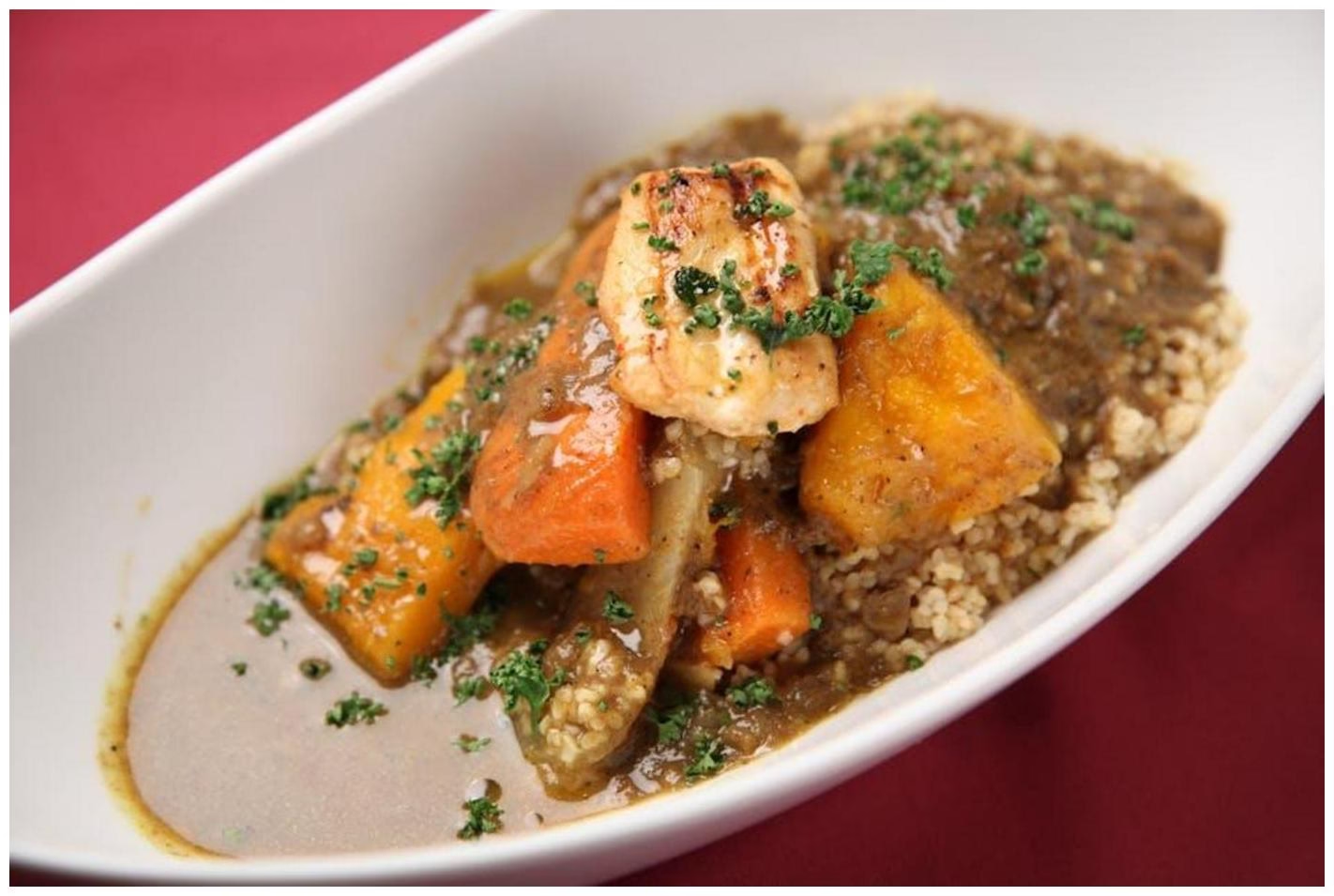
Classic Moroccan Seven-Vegetable Couscous
Experience the authentic flavors of Morocco with this hearty and aromatic seven-vegetable couscous. Loaded with tender root vegetables and chickpeas simmered in a spiced broth, it’s a comforting and wholesome dish perfect for any family meal.
Ingredients
- 1 cup (175g) medium-grain couscous
- 1.5 cups (360ml) vegetable broth, hot
- 2 tbsp olive oil
- 1 large onion, chopped
- 2 carrots, peeled and chopped
- 1 zucchini, chopped
- 1 cup (150g) butternut squash, peeled and cubed
- 1 (15-ounce/425g) can chickpeas, rinsed and drained
- 1 (14.5-ounce/411g) can diced tomatoes
- 1 tsp ground cumin
- 1/2 tsp ground turmeric
- 1/2 tsp ground ginger
- Salt and black pepper to taste
- Fresh cilantro, chopped (for garnish)
Directions
- Prepare the couscous: Place couscous in a heatproof bowl. Pour hot vegetable broth over it, cover, and let sit for 5-7 minutes until the liquid is absorbed. Fluff with a fork.
- Sauté aromatics: In a large pot or Dutch oven, heat olive oil over medium heat. Add chopped onion and sauté until softened, about 5 minutes.
- Add vegetables and spices: Add carrots, zucchini, butternut squash, chickpeas, diced tomatoes, cumin, turmeric, and ginger to the pot. Stir well.
- Simmer: Pour in enough additional vegetable broth (or water) to just cover the vegetables. Bring to a boil, then reduce heat, cover, and simmer for 20-25 minutes, or until vegetables are tender.
- Season and serve: Season with salt and pepper. Ladle the vegetable stew over the fluffed couscous. Garnish with fresh cilantro before serving.
Tips
- Toast your couscous lightly in a dry pan before adding liquid for extra nuttiness.
- For a richer flavor, brown the vegetables slightly before adding broth.
- A pinch of saffron can elevate the broth’s aroma.
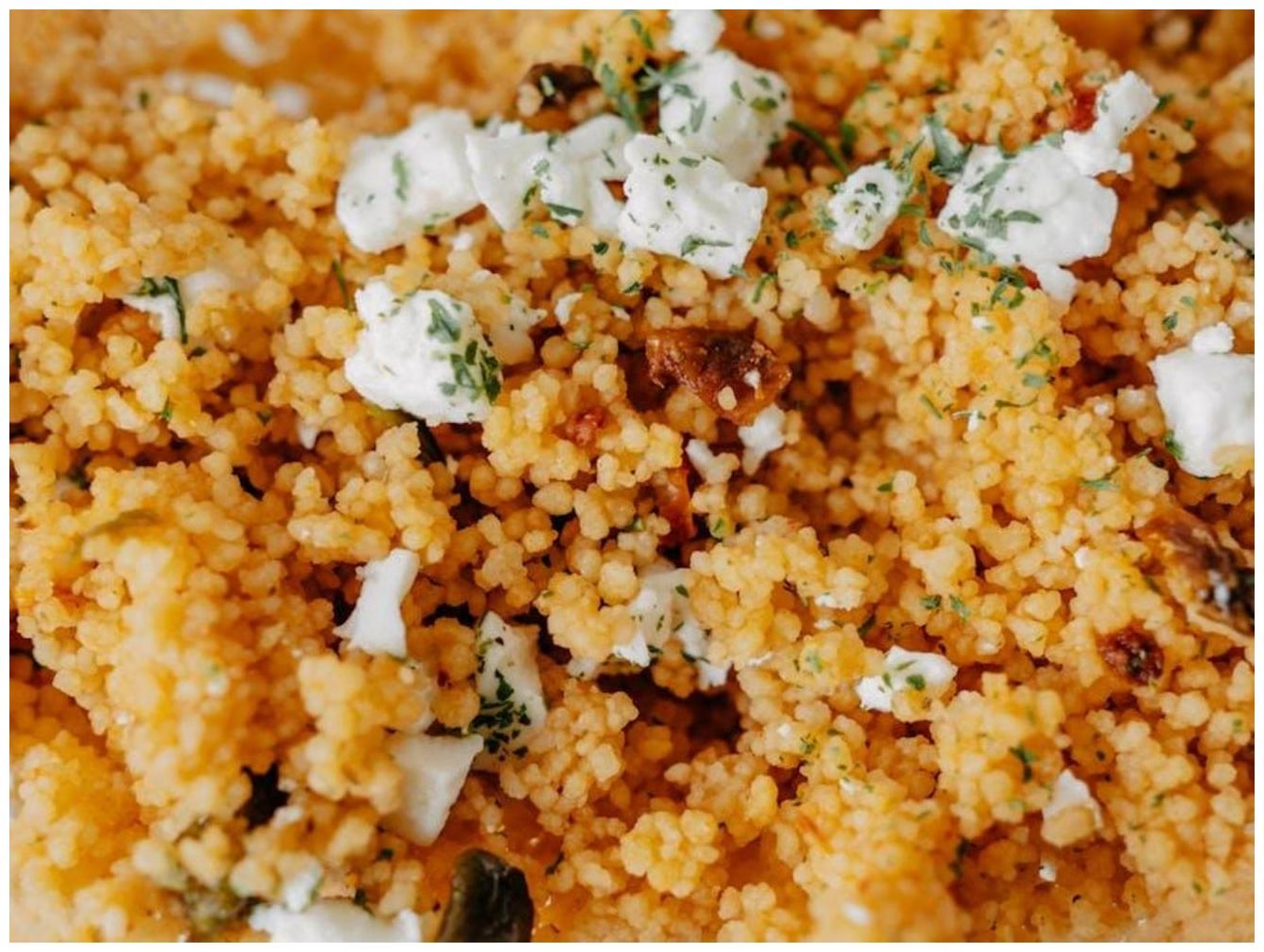
Spiced Lamb & Apricot Couscous
Indulge in this exquisite lamb and apricot couscous, a harmonious blend of savory spices, tender lamb shoulder, and sweet dried apricots. This tagine-inspired dish is both elegant and deeply satisfying, perfect for a special meal.
Ingredients
- 1 cup (175g) medium-grain couscous
- 1.5 cups (360ml) lamb broth, hot
- 1 tbsp olive oil
- 500g lamb shoulder, cut into 1-inch cubes
- 1 large onion, thinly sliced
- 2 cloves garlic, minced
- 1 tsp ground cumin
- 1 tsp ground coriander
- 1/2 tsp ground cinnamon
- 1/4 cup (40g) dried apricots, halved
- 2 tbsp tomato paste
- Salt and black pepper to taste
- 1/4 cup sliced almonds, toasted (for garnish)
- Fresh mint leaves, chopped (for garnish)
Directions
- Prepare the couscous: Place couscous in a heatproof bowl. Pour hot lamb broth over it, cover, and let sit for 5-7 minutes until the liquid is absorbed. Fluff with a fork.
- Brown the lamb: Heat olive oil in a large pot or Dutch oven over medium-high heat. Brown the lamb cubes on all sides. Remove lamb and set aside.
- Sauté aromatics: Add sliced onion to the pot and sauté until softened, about 7 minutes. Add minced garlic and cook for 1 minute more until fragrant.
- Build the stew: Return lamb to the pot. Stir in cumin, coriander, cinnamon, tomato paste, dried apricots, salt, and pepper. Add 1 cup (240ml) of lamb broth (or water) and bring to a simmer. Cover and cook for 1 hour, or until lamb is tender, adding more broth if needed.
- Serve: Serve the spiced lamb and apricot stew over the fluffed couscous. Garnish with toasted almonds and fresh mint.
Tips
- Marinate the lamb overnight in a little olive oil and spices for deeper flavor.
- For a touch of sweetness, add a tablespoon of honey during the last 15 minutes of cooking.
- Use a good quality lamb broth for the best results.
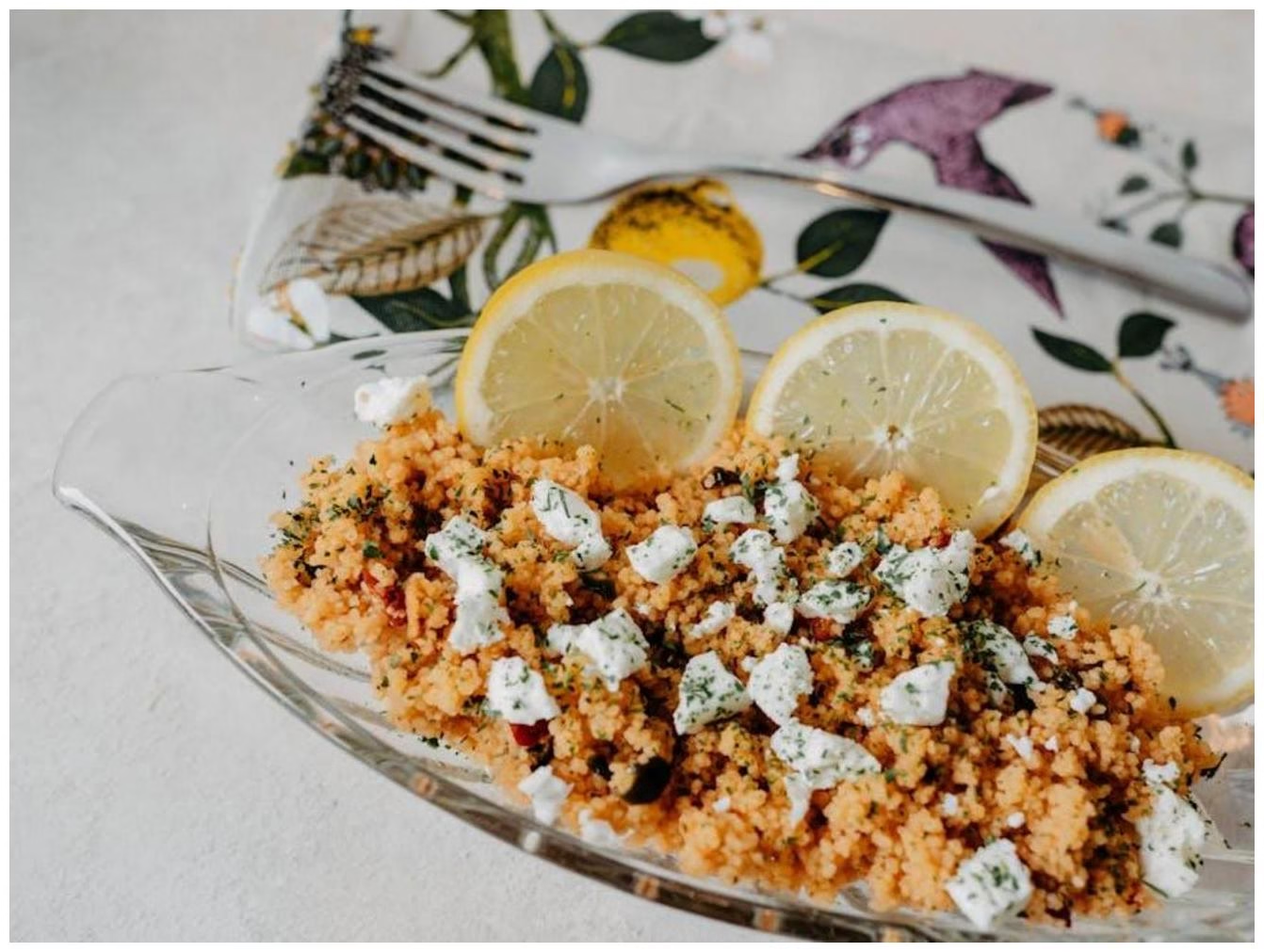
Zesty Lemon & Herb Chicken Couscous
A light, refreshing, and incredibly flavorful couscous salad bursting with tender chicken, crisp vegetables, and a bright lemon-herb dressing. This quick and easy dish is perfect for a healthy lunch or a light dinner on warmer days.
Ingredients
- 1 cup (175g) medium-grain couscous
- 1.5 cups (360ml) chicken broth, hot
- 2 boneless, skinless chicken breasts, cooked and shredded or diced
- 1/2 cup cherry tomatoes, halved
- 1/2 cucumber, diced
- 1/4 red onion, finely diced
- 1/4 cup fresh parsley, chopped
- 1/4 cup fresh mint, chopped
- 3 tbsp olive oil
- 2 tbsp lemon juice
- Salt and black pepper to taste
- 1/4 cup crumbled feta cheese (optional)
Directions
- Prepare the couscous: Place couscous in a heatproof bowl. Pour hot chicken broth over it, cover, and let sit for 5-7 minutes until the liquid is absorbed. Fluff with a fork and let cool slightly.
- Combine ingredients: In a large bowl, combine the cooled couscous, cooked chicken, cherry tomatoes, cucumber, red onion, fresh parsley, and fresh mint.
- Make the dressing: In a small bowl, whisk together olive oil, lemon juice, salt, and pepper.
- Dress and serve: Pour the dressing over the couscous mixture and toss gently to combine. If using, stir in crumbled feta cheese. Serve chilled or at room temperature.
Tips
- For extra flavor, grill or pan-fry the chicken breasts with a pinch of paprika.
- Make this salad ahead of time for flavors to meld, but add fresh herbs just before serving.
- A squeeze of fresh orange juice can add a subtle sweetness to the dressing.
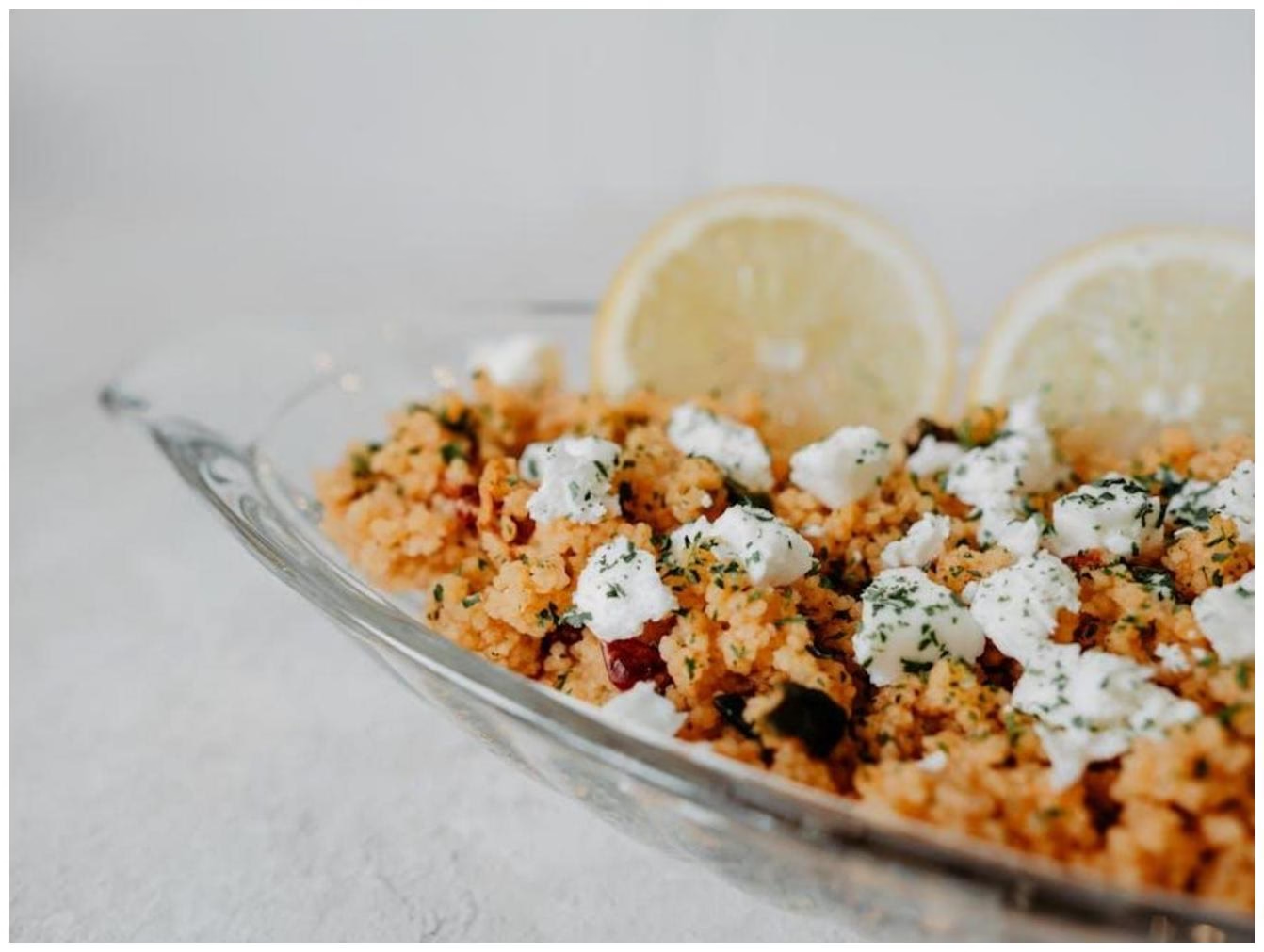
Harissa-Roasted Vegetable & Feta Couscous
A vibrant and spicy vegetarian couscous dish featuring colorful bell peppers, zucchini, eggplant, and red onion roasted with fiery harissa paste. Finished with crumbled feta, this recipe offers a delicious kick to your meal.
Ingredients
- 1 cup (175g) medium-grain couscous
- 1.5 cups (360ml) vegetable broth, hot
- 1 red bell pepper, deseeded and chopped
- 1 zucchini, chopped
- 1/2 red onion, cut into wedges
- 1/2 eggplant, cubed
- 2 tbsp olive oil
- 1-2 tbsp harissa paste (adjust to heat preference)
- Salt and black pepper to taste
- 1/4 cup crumbled feta cheese
- Fresh cilantro, chopped (for garnish)
Directions
- Preheat oven: Preheat your oven to 200°C (400°F).
- Prepare vegetables: In a large bowl, combine bell pepper, zucchini, red onion, and eggplant. Drizzle with olive oil, harissa paste, salt, and pepper. Toss to coat evenly.
- Roast vegetables: Spread the seasoned vegetables in a single layer on a baking sheet. Roast for 20-25 minutes, or until tender and slightly caramelized, flipping halfway through.
- Prepare the couscous: While vegetables roast, place couscous in a heatproof bowl. Pour hot vegetable broth over it, cover, and let sit for 5-7 minutes until the liquid is absorbed. Fluff with a fork.
- Combine and serve: In a large bowl, gently combine the fluffed couscous with the roasted harissa vegetables. Stir in crumbled feta cheese. Garnish with fresh cilantro and serve warm.
Tips
- For extra crispiness, ensure vegetables are not overcrowded on the baking sheet.
- Add a drizzle of honey or maple syrup to the vegetables before roasting for a sweet and spicy kick.
- Adjust harissa paste quantity to suit your spice tolerance.
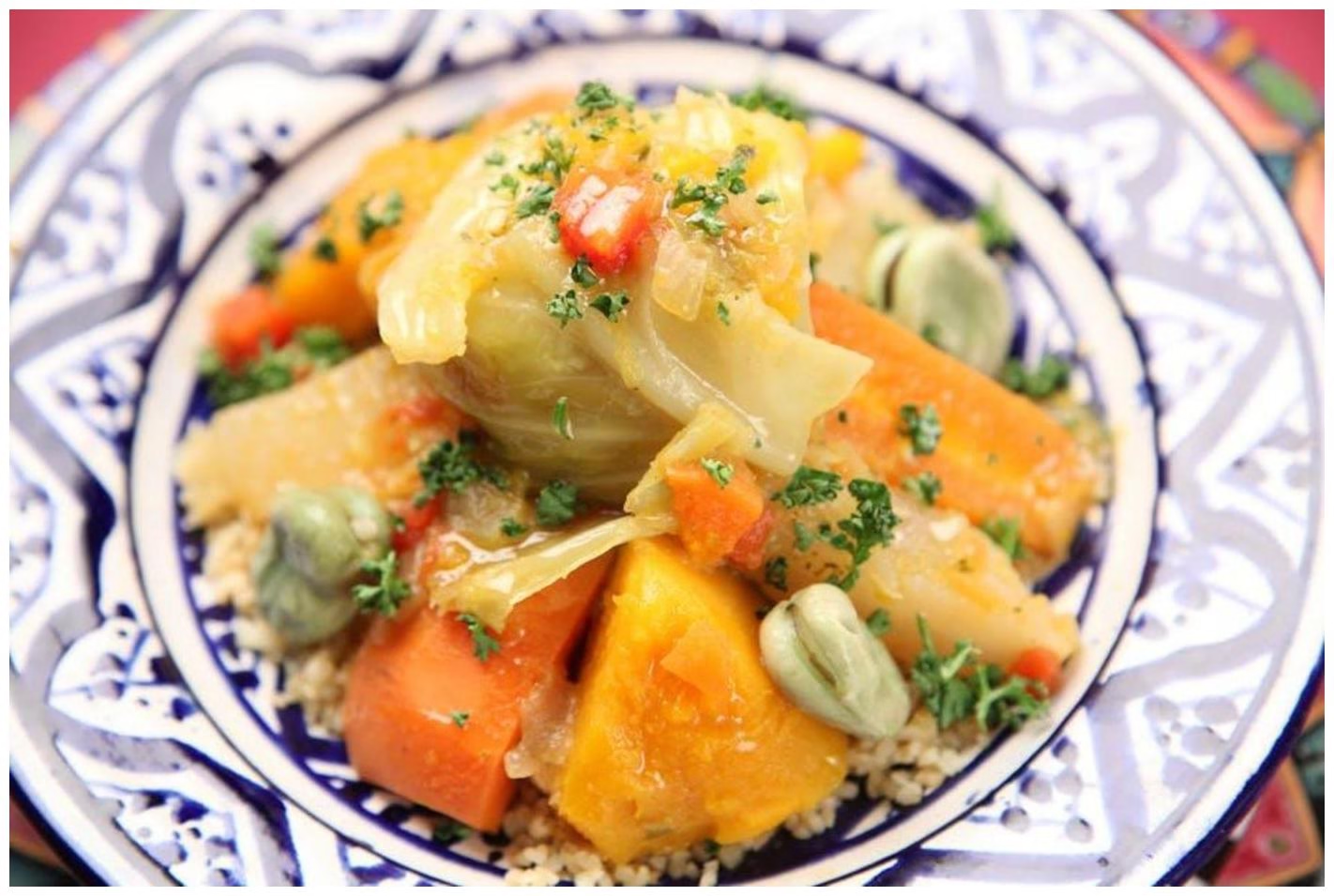
Unveiling the Soul of Morocco: Your Guide to Classic Couscous Moroccan
Have you ever wondered what truly defines the heart of Moroccan cuisine? Beyond the vibrant souks and intricate tagines, lies a dish that embodies community, celebration, and exquisite flavor: the Classic Couscous Moroccan. This isn’t just a meal; it’s a culinary journey, a staple that graces tables from everyday family dinners to grand festivities.
Preparing a truly authentic Classic Couscous Moroccan can seem daunting, but it’s a rewarding experience that connects you with centuries of tradition. We’re here to demystify this beloved North African delicacy, exploring its rich history, cultural significance, and techniques. You’ll soon be impressing friends and family with a dish that truly tells a story.
Imagine tender, fluffy semolina grains, infused with aromatic spices and served alongside a medley of perfectly cooked vegetables and often, succulent meats. It’s a dish that warms the soul and satisfies the palate, making it a perfect centerpiece for any gathering. If you appreciate the artistry of dishes like a well-made hearty beef stroganoff, you’ll surely fall in love with the complex simplicity of couscous.
Why Classic Couscous Moroccan Matters
Cultural Significance of Classic Couscous Moroccan
The Classic Couscous Moroccan is more than just food; it is a profound cultural symbol. In Morocco, Friday lunch is traditionally reserved for couscous, a time when families gather, sharing not just a meal but stories and laughter. It represents hospitality, generosity, and the deep-rooted traditions passed down through generations. Understanding this backdrop enhances your appreciation for every spoonful.
For centuries, couscous has been at the center of Moroccan life, often prepared communally by women, symbolizing togetherness and culinary heritage. It’s a dish served at weddings, holidays, and religious festivals, always bringing people closer. This tradition continues today, inviting home cooks to participate in a timeless ritual.
Nutritional Benefits and Versatility
Beyond its delicious taste and cultural weight, Classic Couscous Moroccan offers remarkable nutritional benefits. Made from semolina, a type of durum wheat, couscous is a good source of complex carbohydrates, providing sustained energy. When prepared with a variety of vegetables and lean proteins, it becomes a complete and balanced meal.
Its versatility is another reason for its enduring appeal. While the Classic Couscous Moroccan features specific elements, the core dish can adapt to countless dietary preferences and seasonal ingredients. You can explore a Classic Moroccan Seven-Vegetable Couscous for a vibrant vegetarian option or even lighter, healthier variations. Its adaptability makes it perfect for modern home cooks.
Mastering the Art of Classic Couscous Moroccan
The Foundation: Perfecting the Couscous Grains
The secret to exceptional Classic Couscous Moroccan lies in the grains themselves. Forget instant couscous for a moment; traditional preparation involves steaming the semolina multiple times over a flavorful broth, a process that yields incredibly light, fluffy, and separate grains. This meticulous technique, known as “tfaya,” prevents stickiness and ensures each grain absorbs maximum flavor.
Achieving this perfect texture requires patience and a good couscoussier, a traditional two-tiered pot. The bottom pot simmers the stew, while the perforated top pot steams the couscous, allowing it to become wonderfully tender. Investing in quality classic couscous moroccan grains is also crucial for the best results.
The Aromatic Broth and Stew
The soul of your Classic Couscous Moroccan stew is its deeply flavored broth. This rich liquid, typically infused with warming spices like ginger, turmeric, saffron, and cinnamon, forms the base for the vegetables and meats. The slow simmering allows all the flavors to meld beautifully, creating a complex and comforting taste.
Common additions to the stew include a colorful array of vegetables such as carrots, turnips, zucchini, cabbage, and chickpeas. Meats often feature lamb or chicken, tenderized by slow cooking in the fragrant broth. This combination is what gives the Classic Couscous Moroccan its signature depth and richness, a truly satisfying experience.
Beyond the Basics: Variations and Pairings
Exploring Vegetable and Protein Options
While the traditional Classic Couscous Moroccan is renowned, its principles lend themselves beautifully to diverse interpretations. You can easily adapt the recipe to include your favorite seasonal vegetables or experiment with different protein sources. Imagine the possibilities with a hearty braised lamb shanks component or a lighter chicken preparation.
Consider adding sweet elements like caramelized onions and raisins for a touch of “tfaya” sweetness, a popular Moroccan variation. For those who enjoy a bit of spice, incorporating harissa into your broth can add a delightful kick. Have you considered how a subtle change in spices can transform the entire dish?
Serving Suggestions and Accompaniments
Serving Classic Couscous Moroccan is an art in itself. Traditionally, the couscous grains are mounded high on a large platter, creating a central peak. The cooked vegetables and tender meat are then arranged around and on top, with spoonfuls of the rich broth ladled generously over everything. It’s a feast for the eyes as much as for the palate.
Often, it’s accompanied by a side of fragrant argan oil, a bowl of spicy harissa paste for those who desire extra heat, and fresh cilantro or parsley for garnish. A cool glass of mint tea or a refreshing cucumber salad makes for a perfect complement, balancing the warmth and richness of the main dish.
Step-by-Step Guide to Perfecting Your Classic Couscous Moroccan
Preparation and Steaming Technique
The journey to perfect Classic Couscous Moroccan begins with careful preparation of the grains. Start by lightly oiling and wetting your couscous, breaking up any clumps by hand. This initial step is crucial for even cooking, essentially awakening the grains before their transformation.
Next, the grains are steamed in a couscoussier for about 15-20 minutes, then removed, fluffed, seasoned, and re-wetted, often with a little salted water or broth. This process is repeated 2-3 times, allowing the couscous to gradually absorb moisture and become incredibly light and airy. Patience here truly pays off with a superior texture.
Assembling the Hearty Stew
Simultaneously, the aromatic stew is built in the lower pot of the couscoussier. Begin by sautéing onions until softened, then add your chosen meat, browning it beautifully. This locks in flavor before introducing a vibrant array of spices – think turmeric, ginger, and saffron – which infuse the entire dish with Moroccan warmth.
Finally, introduce your vegetables, layering them according to their cooking times, ensuring everything reaches perfect tenderness without becoming mushy. Chickpeas are a common addition, offering a wonderful texture and protein boost. This harmonious layering creates a truly balanced and flavorful stew to accompany your fluffy couscous.
Common Mistakes to Avoid with Classic Couscous Moroccan
One of the most frequent errors when preparing Classic Couscous Moroccan is over-wetting the grains. Too much water too soon can lead to a gummy, clumpy texture that’s far from the desired fluffy result. Always add liquids sparingly and allow the grains time to absorb before adding more. Precision is key to that light, airy mouthfeel.
Another pitfall is rushing the steaming process. Traditional couscous requires multiple steaming cycles to achieve its signature texture. Skipping steps or shortening steaming times will result in undercooked, hard, or inconsistent grains. Embrace the slow cooking method; it’s central to the dish’s charm.
Additionally, neglecting the broth’s seasoning can lead to a bland stew. Don’t be shy with your spices and a pinch of salt; the broth needs to be robustly flavored to infuse both the vegetables and the steamed couscous with its essence. Taste as you go, adjusting to create a truly memorable experience.
Expert Tips and Best Practices
To truly elevate your Classic Couscous Moroccan, consider using homemade broth for the stew. A rich, homemade chicken or lamb stock will impart a depth of flavor that store-bought varieties simply cannot match. This small effort makes a significant difference in the final taste profile, making your dish sing.
Don’t be afraid to add a touch of sweetness. While savory, many Moroccan couscous dishes incorporate a subtle sweetness from ingredients like honey, raisins, or prunes, especially in the “tfaya” topping. This sweet and savory contrast is a hallmark of authentic Moroccan cuisine and adds another layer of complexity. Why limit yourself to purely savory notes?
For an authentic touch, serve your couscous in a large communal tagine or platter. This presentation style encourages sharing and embodies the spirit of Moroccan hospitality. It transforms a simple meal into a shared experience, reinforcing the dish’s role as a symbol of togetherness. For different culinary adventures, you might explore making savory chicken fricassee, flavorful stuffed artichokes, or even a Spiced Lamb & Apricot Couscous.
Conclusion: The Enduring Charm of Classic Couscous Moroccan
From its humble beginnings to its celebrated status today, the Classic Couscous Moroccan remains a testament to the richness of North African culinary traditions. It’s a dish that invites you to slow down, savor each bite, and connect with culture. Whether you’re new to Moroccan cooking or a seasoned enthusiast, mastering this dish is a deeply rewarding endeavor.
Embrace the journey of creating your own Classic Couscous Moroccan, from perfectly steamed grains to a richly flavored stew. This isn’t just about food; it’s about heritage, community, and the simple joy of sharing a delicious, heartwarming meal. We encourage you to try your hand at this magnificent dish and discover its enduring charm for yourself. Perhaps you’ll even try another comforting dish like hearty stuffed bell peppers soon.
Tips & Tricks
- Embrace the Couscoussier for Authentic Classic Couscous Moroccan: While modern methods exist, a traditional couscoussier is invaluable for achieving the signature fluffy texture. Its two-tiered design allows for efficient steaming of the grains over the simmering stew, infusing them with incredible aroma and flavor. This dedicated tool makes a noticeable difference.
- Pre-soak Dried Chickpeas for Superior Texture: If using dried chickpeas, soak them overnight and cook them separately until tender before adding to the stew. This ensures they are perfectly cooked and don’t toughen during the longer stewing process, contributing to a better overall texture for your Classic Couscous Moroccan. It’s a small step with a big impact.
- Boost Flavor with Toasted Spices: Gently toast whole spices like cumin seeds or coriander seeds before grinding and adding them to your stew. This brief toasting process releases their essential oils, intensifying their aroma and flavor profile. It adds a layer of depth that pre-ground spices often lack, enriching your Harissa-Roasted Vegetable & Feta Couscous or any couscous.
- The Art of Garnish: Fresh Herbs and Preserved Lemon: Don’t underestimate the power of fresh garnishes. A sprinkling of fresh cilantro or parsley brightens the dish, while slivers of preserved lemon add a unique tangy, salty, and floral note that is quintessential to Moroccan cuisine. These small additions elevate the entire experience.
- Consider a Sweet ‘Tfaya’ Topping: For an authentic touch, prepare a separate ‘tfaya’ topping of caramelized onions, raisins, and spices like saffron and cinnamon. This sweet and savory relish is often served over the meat and vegetables, providing a delightful contrast to the hearty Classic Couscous Moroccan. It adds a celebratory feel to the meal.
- Batch Cook and Freeze Components: Save time by making a larger batch of the vegetable and meat stew, then freezing portions. This allows for quick assembly of a fresh couscous meal on busy weeknights, simply by steaming new grains. This method mirrors the efficiency of preparing other complex dishes like traditional moussaka recipe in advance.
- Fluffing Technique for Classic Couscous Moroccan: After each steaming cycle, use a fork or your hands to gently fluff the couscous grains, breaking up any clumps. This aeration is crucial for achieving that light, distinct grain texture. Don’t press or mash; rather, aim to separate each tiny pearl of semolina. This ensures perfect results every time.
- Pair with a Refreshing Side: Moroccan couscous is rich and flavorful, making it perfect for pairing with lighter, refreshing side dishes. A simple green salad with a lemon vinaigrette or a fresh orange blossom water fruit salad can cut through the richness beautifully. This balance enhances the overall dining experience, much like complementing a rich main with a crisp chopped Italian salad.
- Explore Different Couscous Varieties: While semolina is classic, consider trying different sizes or even whole wheat couscous for a varied texture and nutritional profile. Each type offers a slightly different mouthfeel and absorption rate, opening up new culinary possibilities for your Zesty Lemon & Herb Chicken Couscous or another recipe.
Frequently Asked Questions
What is Classic Couscous Moroccan, and how is it traditionally made?
Classic Couscous Moroccan refers to a North African dish of steamed semolina grains served with a rich, aromatic stew of vegetables and often meat. Traditionally, the semolina is steamed multiple times in a specialized two-tiered pot called a couscoussier, absorbing the flavors from the simmering stew below. This meticulous process results in incredibly light, fluffy grains, creating a staple dish that is deeply intertwined with Moroccan culture and hospitality.
Can I make Classic Couscous Moroccan without a couscoussier?
While a traditional couscoussier yields the best results for authentic Classic Couscous Moroccan, you can certainly adapt. A large pot with a steamer basket placed over it, ensuring a tight seal for the steam, can work as an alternative. Alternatively, some instant couscous varieties are designed to be prepared with just boiling water or broth, though the texture will differ significantly from the traditional steamed version. The key is to allow the grains to absorb moisture gradually.
What are the essential spices for an authentic Classic Couscous Moroccan stew?
For an authentic Classic Couscous Moroccan stew, key spices include turmeric, ginger, saffron, and black pepper, often complemented by a touch of cinnamon for warmth. Ras el Hanout, a Moroccan spice blend, is also frequently used to add complex, aromatic notes. These spices contribute to the stew’s signature deep color and fragrant profile, making it a cornerstone of the dish’s rich flavor.
How can I make my Classic Couscous Moroccan vegetarian?
Making Classic Couscous Moroccan vegetarian is simple and delicious. Focus on a robust vegetable broth as your base, and load it with a generous variety of seasonal vegetables like carrots, turnips, zucchini, pumpkin, and cabbage. Chickpeas are an excellent source of protein and texture, and you can also add lentils or even sweet potatoes for extra heartiness. The rich spices will ensure the dish remains incredibly flavorful, even without meat.
Why is my couscous sometimes clumpy or soggy?
Clumpy or soggy couscous often results from over-wetting the grains or not fluffing them adequately between steaming cycles. When preparing Classic Couscous Moroccan, it’s crucial to add liquid gradually and ensure each grain is separate before re-steaming. Gentle handling with a fork and sufficient steaming time allows the grains to swell and become light and distinct, avoiding the undesirable gummy texture.
What is the best way to serve Classic Couscous Moroccan?
Classic Couscous Moroccan is traditionally served on a large, communal platter. The fluffy couscous grains form a mound, topped generously with the tender vegetables and meat from the stew. A ladle of the aromatic broth is poured over, ensuring every bite is moist and flavorful. It’s often garnished with fresh cilantro or parsley and accompanied by a side of spicy harissa paste and possibly preserved lemon. This presentation fosters sharing and celebrates Moroccan hospitality.
Can I prepare components of Classic Couscous Moroccan in advance?
Absolutely! The stew for your Classic Couscous Moroccan can be prepared a day or two in advance, and its flavors often deepen overnight. Cooked vegetables and meats can also be stored separately. The couscous grains themselves are best steamed fresh, but you can prepare and store them in an airtight container for a day. Reheat gently, perhaps with a splash of broth, to maintain their texture and freshness, streamlining your meal preparation.