
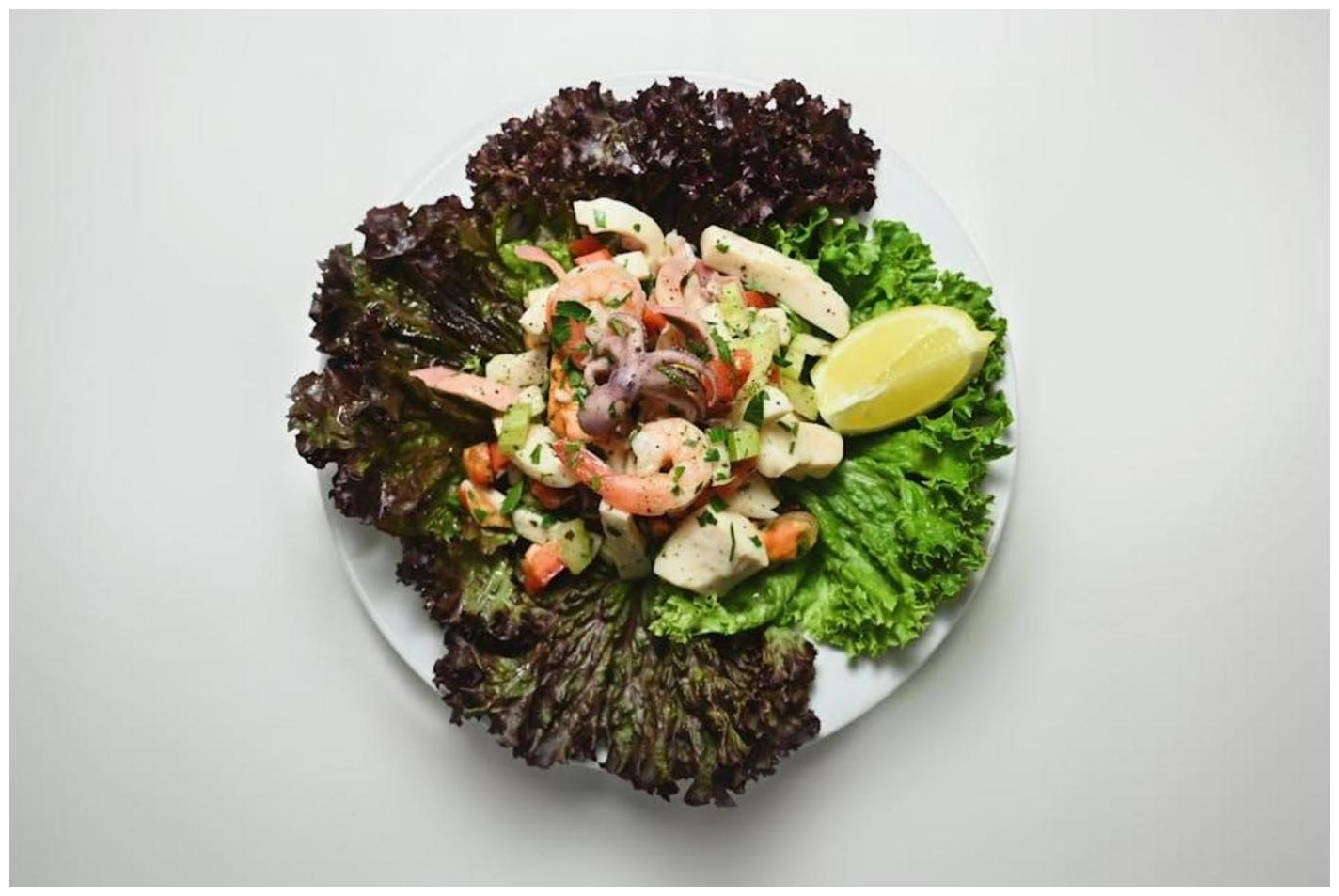
Zesty Herb & Lemon Freekeh Salad
A refreshing and vibrant take on Middle Eastern Freekeh Salad, bursting with fresh herbs and a bright lemony dressing. Perfect for a light lunch or a delightful side dish.
Ingredients
- 1 cup (200g) freekeh
- 2 cups (480ml) vegetable broth or water
- 1 small cucumber, diced
- 1 cup (150g) cherry tomatoes, halved
- ½ cup fresh parsley, chopped
- ¼ cup fresh mint, chopped
- 3 tablespoons extra virgin olive oil
- 2 tablespoons fresh lemon juice
- ½ teaspoon salt
- ¼ teaspoon black pepper
Directions
- Rinse freekeh thoroughly under cold water.
- In a medium saucepan, combine freekeh and vegetable broth (or water). Bring to a boil, then reduce heat to low, cover, and simmer for 15-20 minutes, or until liquid is absorbed and freekeh is tender.
- Remove from heat and let stand, covered, for 5 minutes. Fluff with a fork and let cool completely.
- In a large bowl, combine the cooled freekeh, diced cucumber, halved cherry tomatoes, chopped parsley, and chopped mint.
- In a small bowl, whisk together olive oil, lemon juice, salt, and black pepper.
- Pour the dressing over the salad and toss gently to combine.
- Serve chilled or at room temperature.
Tips
- For extra flavor, toast the dry freekeh in a dry pan for a few minutes before adding liquid.
- Adjust the amount of lemon juice and herbs to your preference.
- This salad tastes even better the next day as the flavors meld.
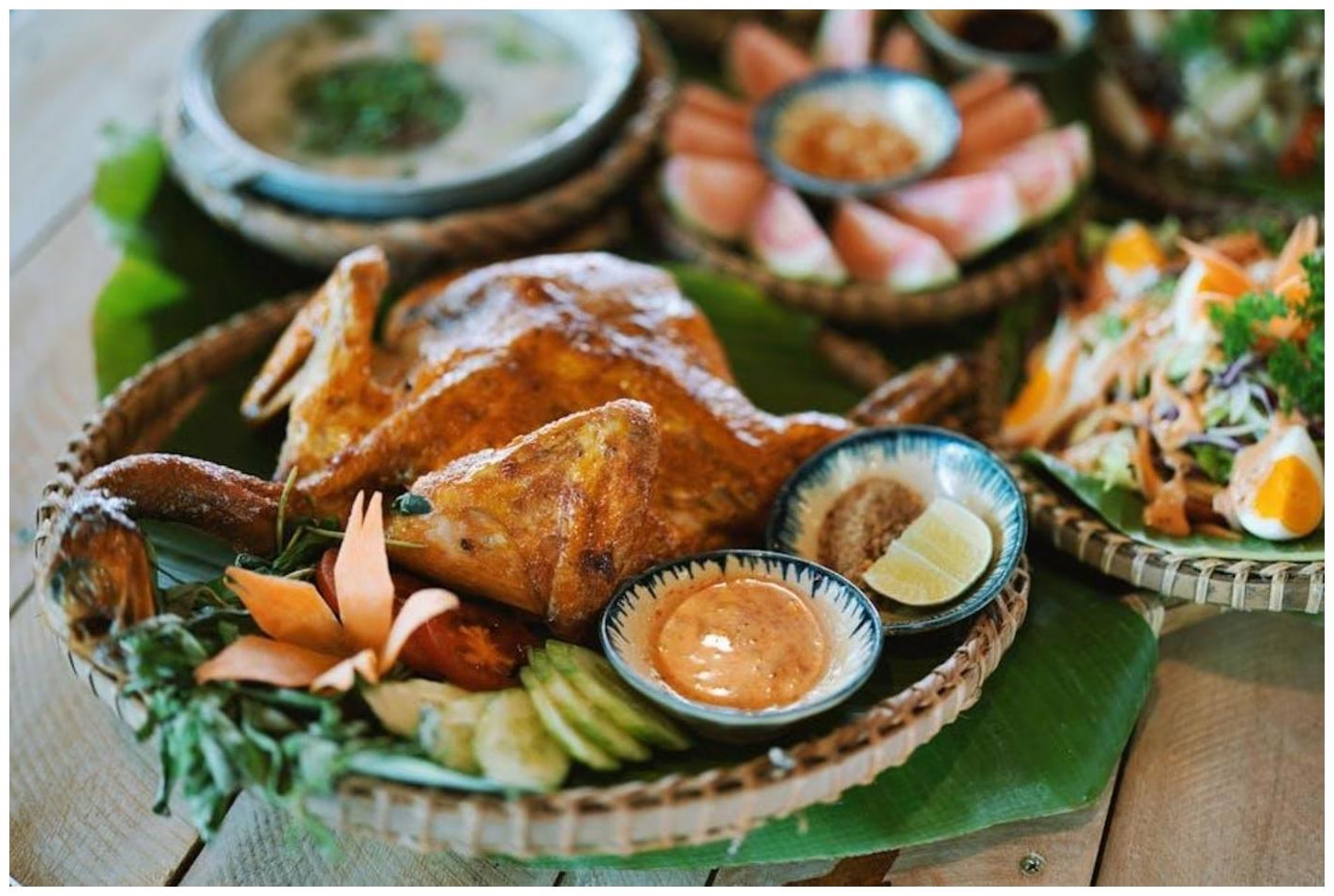
Roasted Vegetable Freekeh Power Bowl
This hearty Freekeh Power Bowl features tender roasted vegetables and a zesty lemon-sumac dressing, making it a satisfying and nutritious meal. It’s a great option for meal prep throughout the week.
Ingredients
- 1 cup (200g) freekeh
- 2 cups (480ml) vegetable broth or water
- 1 red bell pepper, cored and chopped
- 1 yellow bell pepper, cored and chopped
- 1 small zucchini, chopped
- ½ red onion, thinly sliced
- 2 tablespoons olive oil (for roasting)
- ½ teaspoon sumac
- ¼ teaspoon salt
- Pinch of black pepper
- 3 tablespoons extra virgin olive oil (for dressing)
- 2 tablespoons fresh lemon juice
- 2 tablespoons pomegranate seeds (for garnish)
Directions
- Preheat oven to 400°F (200°C).
- On a large baking sheet, toss chopped bell peppers, zucchini, and sliced red onion with 2 tablespoons olive oil, sumac, salt, and pepper. Roast for 20-25 minutes, or until vegetables are tender and slightly caramelized.
- While vegetables roast, rinse freekeh thoroughly. In a medium saucepan, combine freekeh and vegetable broth (or water). Bring to a boil, then reduce heat to low, cover, and simmer for 15-20 minutes, or until liquid is absorbed and freekeh is tender.
- Remove freekeh from heat, let stand covered for 5 minutes, then fluff with a fork and let cool slightly.
- In a large bowl, combine the cooked freekeh and roasted vegetables.
- Whisk together 3 tablespoons extra virgin olive oil and 2 tablespoons fresh lemon juice. Pour over the freekeh and vegetables, tossing to coat.
- Garnish with pomegranate seeds before serving.
Tips
- Feel free to add other seasonal vegetables like eggplant, carrots, or sweet potato to your roasting mix.
- A sprinkle of crumbled feta cheese would also be a delicious addition.
- For an extra crunch, add toasted almonds or walnuts.
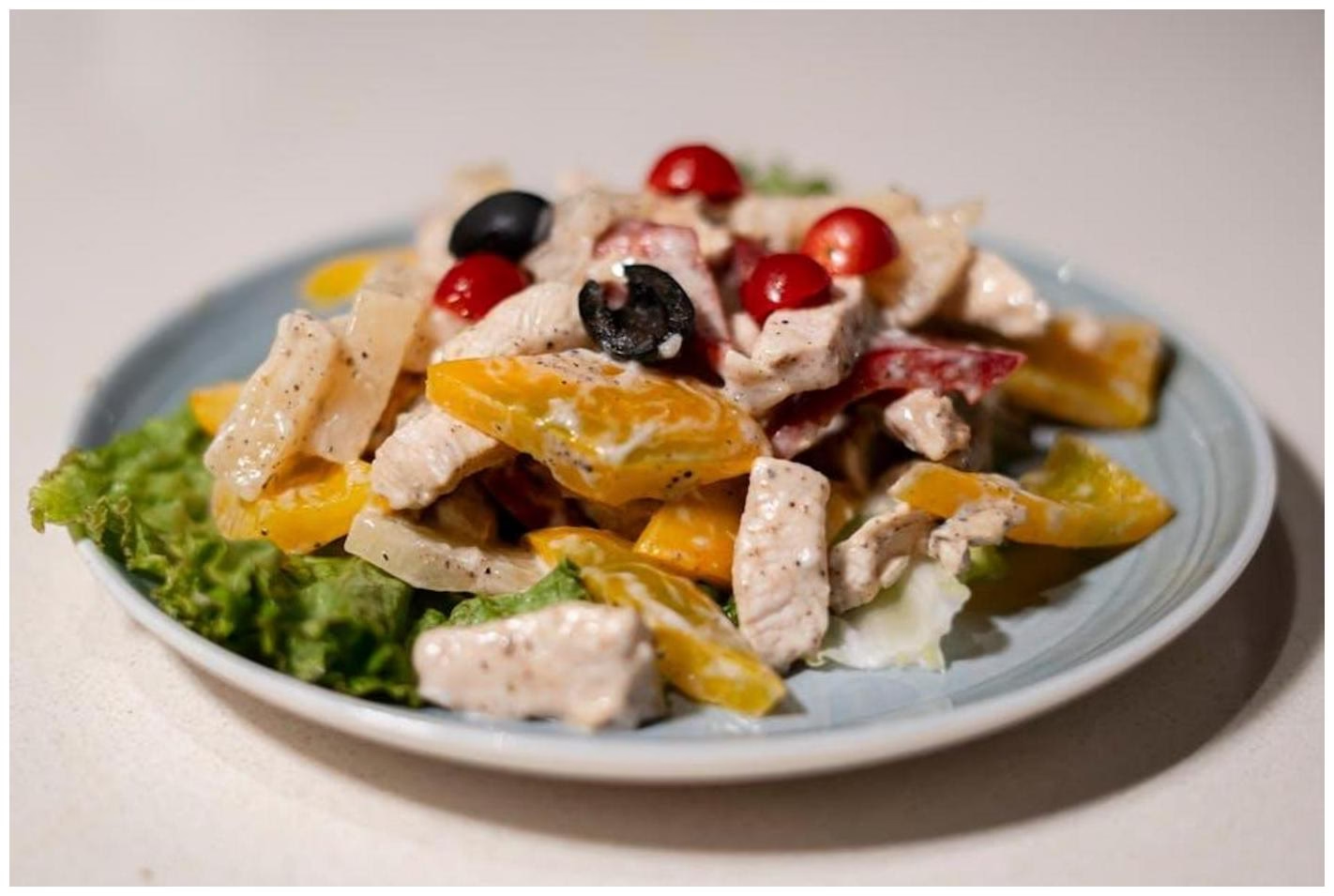
Mediterranean Chicken Freekeh Salad
A robust and protein-packed Freekeh Salad, featuring tender chicken, fresh greens, and a creamy tahini-lemon dressing. It’s a satisfying meal that’s both healthy and full of Mediterranean flavors.
Ingredients
- 1 cup (200g) freekeh
- 2 cups (480ml) chicken broth or water
- 2 cups (approx. 300g) cooked chicken breast, shredded or diced
- 1 (15-ounce / 425g) can chickpeas, rinsed and drained
- 4 cups mixed greens
- ¼ cup tahini
- 2 tablespoons fresh lemon juice
- 2 tablespoons cold water
- 1 small garlic clove, minced
- 2 tablespoons extra virgin olive oil
- ½ teaspoon salt
- ¼ teaspoon black pepper
Directions
- Rinse freekeh thoroughly.
- In a medium saucepan, combine freekeh and chicken broth (or water). Bring to a boil, reduce heat to low, cover, and simmer for 15-20 minutes, or until liquid is absorbed and freekeh is tender.
- Remove from heat, let stand covered for 5 minutes, then fluff with a fork and let cool.
- While freekeh cools, prepare the dressing: In a small bowl, whisk together tahini, lemon juice, cold water, and minced garlic until smooth and creamy. If too thick, add more water, 1 teaspoon at a time, until desired consistency is reached.
- In a large bowl, combine the cooled freekeh, shredded chicken, rinsed chickpeas, and mixed greens.
- Drizzle the tahini dressing over the salad and toss gently to combine.
- Season with olive oil, salt, and black pepper to taste. Serve immediately.
Tips
- Use leftover rotisserie chicken for a quick and easy protein source.
- Add some chopped Kalamata olives or sun-dried tomatoes for extra Mediterranean flair.
- For a vegetarian option, omit the chicken and add extra chickpeas or some grilled halloumi.
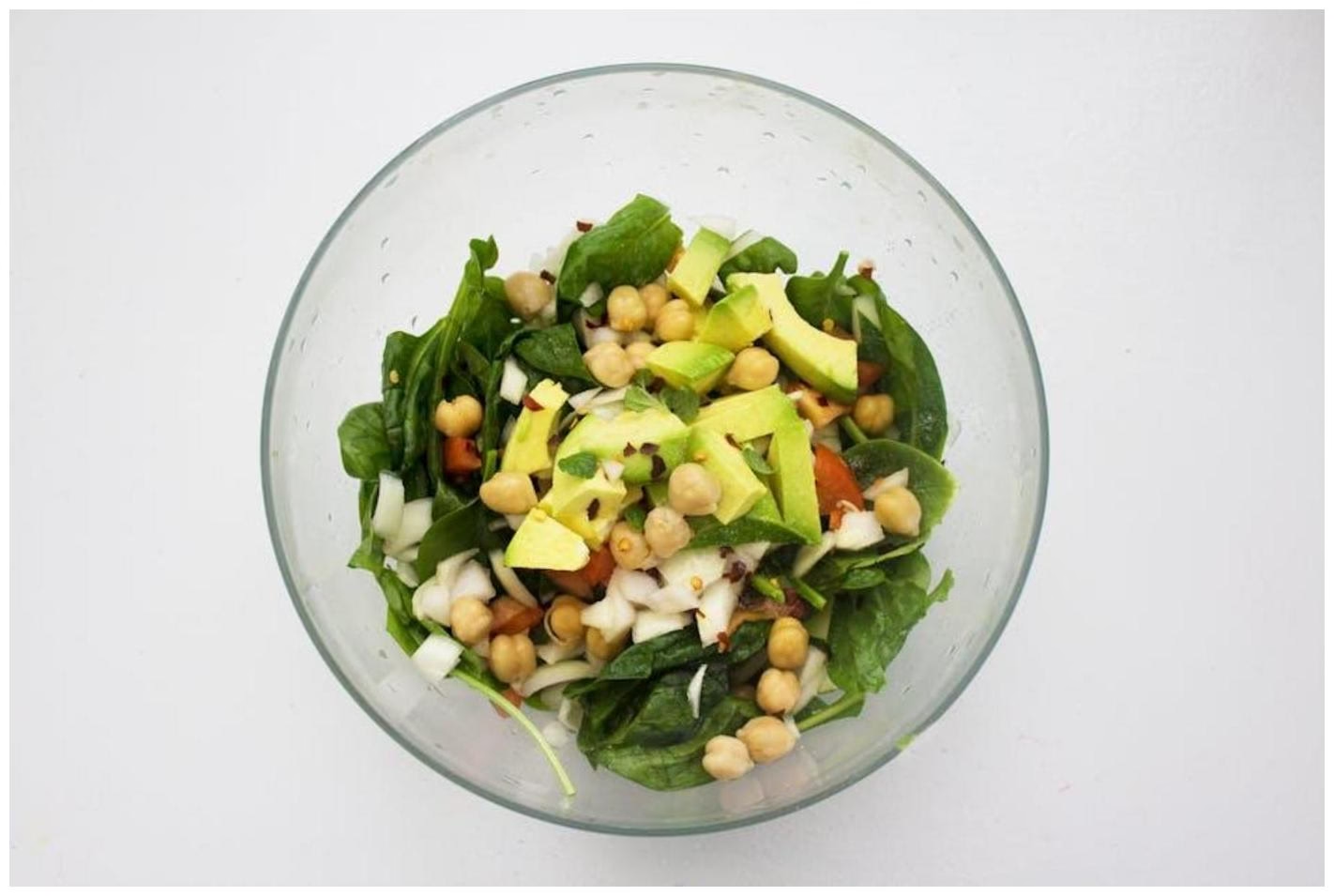
Spicy Harissa Freekeh & Chickpea Salad
Ignite your taste buds with this flavorful Freekeh and Chickpea Salad, infused with the smoky heat of harissa. It’s a vibrant and satisfying dish that’s perfect for those who love a little spice.
Ingredients
- 1 cup (200g) freekeh
- 2 cups (480ml) vegetable broth or water
- 1 (15-ounce / 425g) can chickpeas, rinsed and drained
- 1 (12-ounce / 340g) jar roasted red peppers, drained and diced
- 2 tablespoons harissa paste (adjust to preferred spice level)
- 1 teaspoon ground coriander
- 1 teaspoon ground cumin
- 3 tablespoons extra virgin olive oil
- 2 tablespoons fresh lemon juice
- ¼ cup fresh cilantro, chopped
- ½ teaspoon red pepper flakes (optional, for extra heat)
- ½ teaspoon salt
- ¼ teaspoon black pepper
Directions
- Rinse freekeh thoroughly.
- In a medium saucepan, combine freekeh and vegetable broth (or water). Bring to a boil, reduce heat to low, cover, and simmer for 15-20 minutes, or until liquid is absorbed and freekeh is tender.
- Remove from heat, let stand covered for 5 minutes, then fluff with a fork and let cool.
- In a large bowl, combine the cooled freekeh, rinsed chickpeas, and diced roasted red peppers.
- In a small bowl, whisk together harissa paste, ground coriander, ground cumin, olive oil, lemon juice, red pepper flakes (if using), salt, and black pepper.
- Pour the dressing over the freekeh mixture and toss thoroughly to combine.
- Stir in the fresh cilantro. Serve warm or at room temperature.
Tips
- If you don’t have jarred roasted red peppers, you can roast fresh bell peppers until charred and peel them.
- Serve this salad alongside grilled chicken or fish for a complete meal.
- For a milder version, reduce the amount of harissa paste.
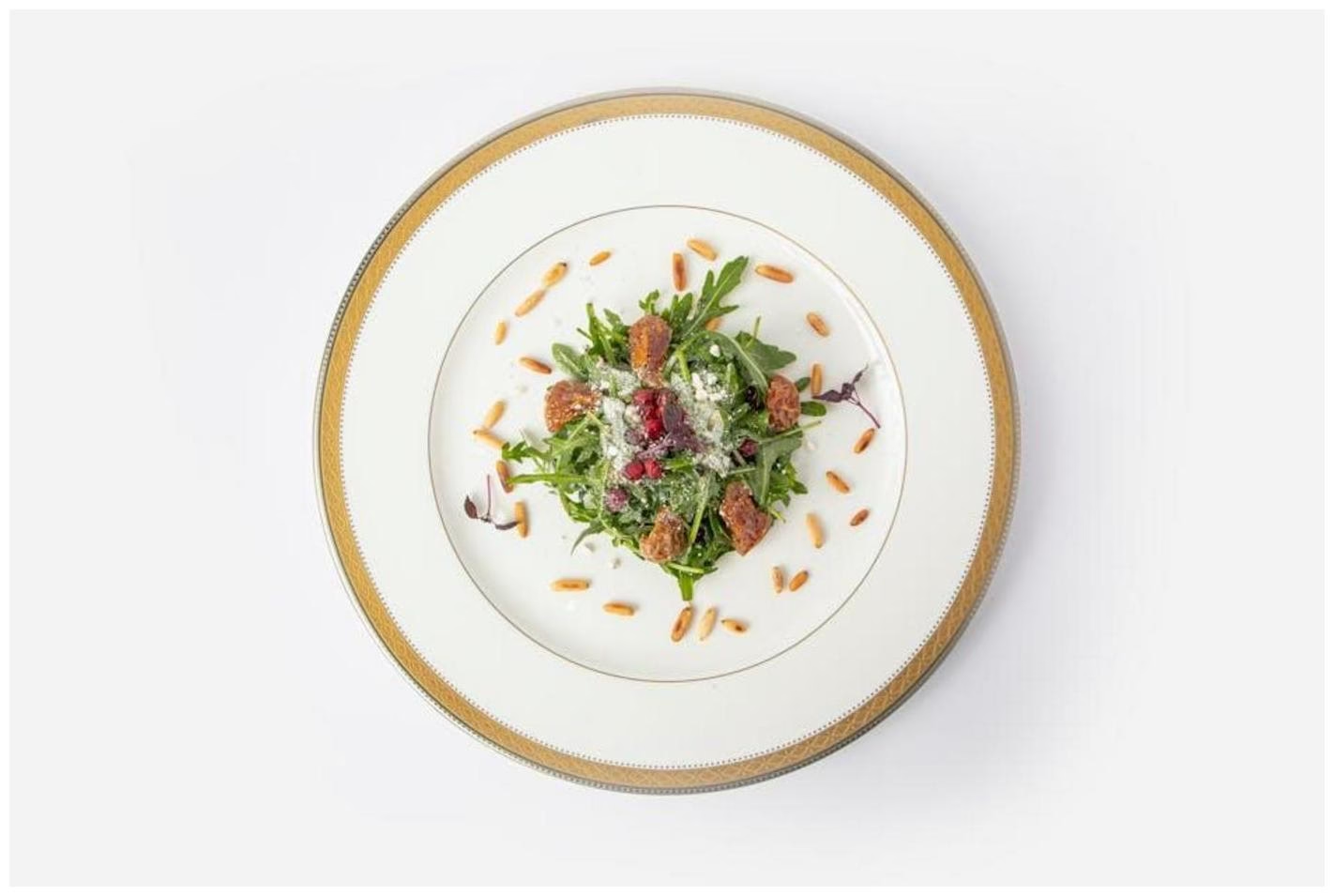
Freekeh Salad Middle Eastern — Discover the Ancient Grain Salad Taking Modern Kitchens by Storm
Have you ever tasted a salad that feels both ancient and brand new at the same time? Freekeh Salad Middle Eastern brings the smoky, nutty depth of roasted green wheat to a vibrant medley of herbs, vegetables, and tangy dressing. This dish is more than a side; it’s a conversation starter about heritage, health, and the joy of bringing global flavors to your weeknight table.
If you’re a home cook or a busy family looking for a nutritious, make‑ahead option that doesn’t sacrifice taste, you’ve come to the right place. In the next few minutes we’ll explore where freekeh comes from, why it deserves a spot in your pantry, and how to turn this humble grain into a show‑stopping salad that fits any lifestyle.
One of the easiest ways to elevate your freekeh salad is to pair it with a refreshing cucumber salad on the side, adding cool crunch that balances the warm, smoky grains.
Why Freekeh Salad Middle Eastern Matters
The History of Freekeh in Middle Eastern Cuisine
Freekeh (farīkah) dates back thousands of years to the Levant, where farmers harvested wheat while it was still green and then roasted it over open flames. This process gave the grain its distinctive smoky aroma and helped preserve it before modern storage methods. Today, that same technique connects us to ancient kitchens from Lebanon to Palestine, offering a taste of history in every bite.
Why does this matter for modern cooks? Because freekeh carries a story of resilience and resourcefulness—qualities that resonate when you’re trying to put a wholesome meal on the table after a long day. When you serve Freekeh Salad Middle Eastern, you’re not just feeding bodies; you’re sharing a culinary legacy.
Nutritional Powerhouse: Why Freekeh Stands Out
Freekeh outshines many common grains with up to twice the protein and fiber of quinoa, plus a low glycemic index that helps keep energy steady. It’s also rich in iron, zinc, and B vitamins, making it a smart choice for growing kids and active adults alike. Compared to refined couscous or white rice, freekeh delivers sustained fullness without the dreaded afternoon crash.
Think about your family’s snack habits: wouldn’t it be great to have a base that satisfies hunger while supporting digestion and immune health? That’s the promise freekeh brings to your salad bowl.
Freekeh Salad Middle Eastern — Main Topic Section 1
Traditional Ingredients that Complement Freekeh
A classic Middle Eastern freekeh salad leans on bright parsley, mint, and scallions, diced tomatoes and cucumbers, and a generous handful of toasted pine nuts or slivered almonds. The dressing is usually a simple emulsion of lemon juice, extra‑virgin olive oil, a touch of garlic, and sometimes a whisper of sumac for tangy depth. These ingredients aren’t random; they’re chosen to cut through the grain’s smokiness and highlight its nutty backbone.
Have you ever noticed how a handful of fresh herbs can transform a bland grain into something fragrant and lively? That’s the magic of the herb‑grain partnership in this salad.
Flavor Profiles and Pairings
The smoky, earthy notes of freekeh pair beautifully with acidic elements like lemon or pomegranate molasses, sweet accents from dried fruits such as raisins or chopped apricots, and creamy textures from feta or labneh. When you add a pinch of cumin or coriander, you bridge the grain’s Middle Eastern roots with warm, familiar spices that make the dish comforting yet exotic.
What happens when you contrast the warm grain with cool mint and crisp cucumber? You create a balance that keeps each bite interesting, preventing the salad from feeling heavy or one‑note.
Main Topic Section 2
Contemporary Twists on the Classic Salad
Modern home cooks love to experiment: swapping parsley for cilantro, adding roasted red peppers for color, or tossing in chickpeas for extra protein. Some even stir in quinoa or farro for a multigrain boost, while others keep it strictly traditional to honor the origin. The beauty of freekeh is its versatility—it absorbs dressings well yet retains a pleasant chew, making it a forgiving base for creativity.
Ask yourself: what flavor profile are you craving today? A zesty lemon‑herb version? A hearty chickpea‑laden bowl? Freekeh Salad Middle Eastern welcomes both.
How Freekeh Salad Fits into Busy Family Meals
Because freekeh holds up well after dressing, you can prepare a big batch on Sunday and enjoy it throughout the week as a lunch base, side dish, or even a light dinner topped with grilled chicken or falafel. It reheats gently, or can be served cold straight from the fridge—perfect for those evenings when time is short but nutrition can’t be compromised.
Wouldn’t it be nice to have a ready‑to‑go grain salad that kids actually enjoy, thanks to its mild nutty taste and satisfying texture?
Step-by-Step Guide to Freekeh Salad Middle Eastern
Preparing the Freekeh Base
Start by rinsing 1 cup of freekeh under cold water to remove any debris. Combine it with 2½ cups of water or low‑sodium broth in a saucepan, bring to a boil, then reduce to a simmer, cover, and cook for 20‑25 minutes until the grains are tender but still have a bite. Drain any excess liquid and spread the freekeh on a large baking sheet to cool; this stops the cooking process and keeps the grains from becoming mushy.
While the freekeh cools, you can toast nuts or seeds in a dry pan for 3‑4 minutes until golden—this step adds a crucial layer of flavor that raw nuts simply can’t match.
Assembling the Salad
In a large bowl, combine the cooled freekeh with chopped parsley, mint, scallions, diced cucumber, and halved cherry tomatoes. Toss in the toasted pine nuts or almonds, then drizzle with the lemon‑olive oil dressing (whisk together 3 tablespoons olive oil, juice of 1 lemon, 1 minced garlic clove, ½ teaspoon sumac, and salt to taste). Give everything a gentle toss so the grains stay intact while absorbing the bright dressing.
Taste and adjust: a little more lemon for brightness, a pinch more salt for depth, or a handful of dried fruit for a sweet contrast. Serve immediately, or cover and refrigerate for up to four days—the flavors only deepen over time.
Common Mistakes to Avoid with Freekeh Salad Middle Eastern
One frequent error is overcooking the freekeh, which turns it soft and loses the pleasant chew that defines the salad’s texture. Keep an eye on the simmer time and taste a grain a few minutes before the suggested end point. Another mistake is dressing the salad too early; the acid can break down the herbs and make the greens soggy if left for hours.
Finally, neglecting to toast the nuts or skip the fresh herbs results in a flat flavor profile. Those finishing touches are what elevate the dish from a simple grain mix to a memorable Middle Eastern experience.
Expert Tips and Best Practices
For extra smokiness, try dry‑toasting the freekeh in a skillet for 2‑3 minutes before boiling; this amplifies the natural roasted notes without needing an open flame. If you’re preparing the salad for a crowd, double the recipe and store the dressing separately until just before serving to keep the texture perfect.
Consider adding a protein boost—grilled chicken shawarma, baked falafel, or seared shrimp—right before serving to turn the salad into a complete meal. And don’t forget to finish with a squeeze of fresh lemon just before eating; it lifts all the flavors and makes each bite feel vibrant.
Conclusion: Freekeh Salad Middle Eastern Summary
Freekeh Salad Middle Eastern offers a bridge between ancient tradition and modern convenience, delivering a nutty, smoky grain that’s packed with protein, fiber, and versatile flavor. By understanding its roots, mastering the simple preparation steps, and avoiding common pitfalls, you can bring this wholesome dish to your table any night of the week.
Whether you’re looking for a make‑ahead lunch, a vibrant side for grilled meats, or a hearty base for toppings, this salad adapts to your needs while honoring the culinary heritage of the Middle East. Give it a try, and let the timeless taste of freekeh inspire your next family meal.
Enjoy the journey, and remember: every bite of classic Caesar salad you’ve ever enjoyed can now be echoed in the smoky, herb‑filled goodness of freekeh.
Tips & Tricks
- Boost Smoky Flavor Without a Grill: Toast the freekeh in a dry skillet over medium heat for 2‑3 minutes before boiling. This simple step deepens the nutty aroma and mimics the traditional open‑flame roasting, giving your salad an authentic Middle Eastern backdrop.
- Prep Herbs Ahead for Maximum Freshness: Wash, dry, and chop parsley and mint up to two days in advance; store them wrapped in a damp paper towel inside a sealed container in the fridge. This keeps the herbs vibrant and saves you precious minutes on busy mornings.
- Use Greek salad pizza as a Fun Side Idea: When serving freekeh salad at a casual family night, pair it with a slice of Greek salad pizza for a playful twist that lets everyone enjoy familiar flavors in a new format.
- Add Protein Without Extra Cooking: Keep a can of chickpeas or a container of pre‑cooked lentils in your pantry; rinse and toss them into the salad for an instant protein boost that requires no stovetop time.
- Make Dressing in a Jar for Easy Shaking: Combine olive oil, lemon juice, garlic, sumac, and salt in a small mason jar; shake vigorously for 10‑15 seconds. This emulsifies the dressing quickly and lets you store any leftovers for up to a week.
- Pair with Stuffed Artichokes for a Mezze Spread: Serve your freekeh salad alongside warm stuffed artichokes drizzled with lemon‑olive oil for a complete Middle Eastern appetizer platter that feels both rustic and refined.
- Keep the Crunch by Adding Nuts Last: Toasted pine nuts or almonds lose their crispness if they sit in dressing too long. Add them just before serving, or reserve a sprinkle for each individual bowl to preserve that delightful bite.
- Adjust Tanginess with Pomegranate Molasses: Swap half the lemon juice for pomegranate molasses for a deeper, slightly sweet‑sour note that complements the smoky freekeh beautifully—especially delicious in autumn.
- Freeze Extra Freekeh for Future Meals: Cook a big batch of freekeh, cool it completely, then portion it into freezer‑safe bags. It reheats perfectly in the microwave or steamer, giving you a ready‑to‑use grain base for salads, soups, or stir‑fries whenever you need it.
Frequently Asked Questions
What is Freekeh Salad Middle Eastern and how does it differ from other grain salads?
Freekeh Salad Middle Eastern centers on roasted green wheat known as freekeh, which delivers a smoky, nutty flavor and a satisfying chew that sets it apart from milder grains like quinoa or couscous. The salad typically features fresh herbs such as parsley and mint, crisp vegetables like cucumber and tomato, a lemon‑olive oil dressing, and toasted nuts for texture. Unlike many grain salads that rely on sweet dressings or heavy cheeses, this version keeps the profile bright, herbaceous, and lightly tangy, letting the ancient grain’s character shine through.
How do I store Freekeh Salad Middle Eastern to keep it fresh for several days?
To maintain optimal texture and flavor, store the salad in an airtight container in the refrigerator. If you plan to keep it longer than a day, keep the dressing separate and combine it just before serving; this prevents the herbs from wilting and the grains from becoming soggy. The freekeh base itself holds up well for up to four days, and the flavors often deepen as the herbs infuse the grains. Always give the salad a quick toss and a taste test before eating, adjusting with a splash of lemon juice or a pinch of salt if needed.
Can I make Freekeh Salad Middle Eastern ahead of time for meal prep?
Absolutely—this salad is ideal for meal prep because the freekeh grains retain their pleasant chew even after sitting in the refrigerator for several days. Cook a large batch of freekeh, cool it, and store it separately from the chopped herbs and vegetables. When you’re ready to eat, combine the components, add the dressing, and toss in toasted nuts just before serving. This method ensures each meal feels fresh and vibrant, saving you time on busy weeknights while still delivering a nutritious, flavorful dish.
Is Freekeh Salad Middle Eastern suitable for gluten-free diets?
Freekeh is made from wheat, so it contains gluten and is not appropriate for those following a strict gluten‑free diet. However, if you’re looking for a similar smoky, nutty texture without gluten, consider substituting toasted buckwheat groats or sorghum grains, which can be prepared in a comparable way and paired with the same herb‑lemon dressing and vegetable mix. Always double‑check labels if you have celiac disease or gluten sensitivity, as cross‑contamination can occur during processing.
What are the signs that my freekeh has gone bad or spoiled?
Fresh freekeh should have a pleasant, slightly smoky aroma and a firm, dry texture. Signs of spoilage include an off‑putting sour or musty smell, visible mold, or a slimy feel after cooking. If you notice any of these indicators, discard the grain immediately to avoid foodborne illness. To prolong shelf life, store uncooked freekeh in a cool, dark place in a sealed container, and keep cooked freekeh refrigerated in an airtight container for no more than four days.
When should I add the dressing to Freekeh Salad Middle Eastern to avoid sogginess?
For the best texture, add the dressing no more than 30 minutes before you plan to serve the salad. Freekeh grains are sturdy enough to handle a brief marinating period, but the fresh herbs and vegetables can start to lose their crispness if left in acidic lemon juice for too long. If you’re preparing the salad ahead of time, store the dressing in a separate small container and combine everything just before eating. This simple step keeps each bite bright, crunchy, and full of flavor.