
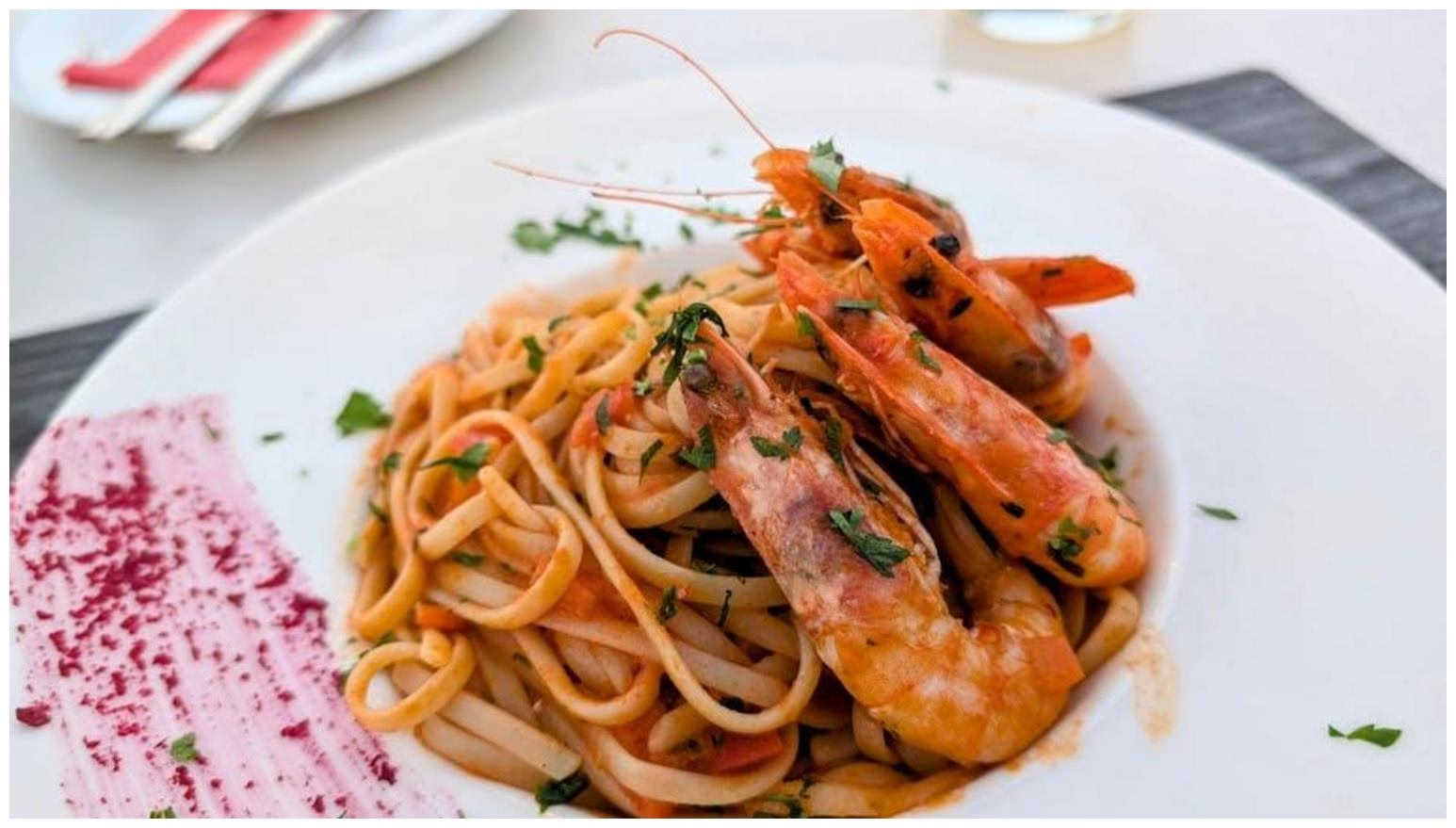
Classic Seafood Marinara with Spaghetti
A timeless recipe featuring a rich, slow-simmered tomato sauce brimming with a delightful mix of fresh seafood, perfectly coating al dente spaghetti. Ideal for a comforting family dinner.
Ingredients
- 250g spaghetti
- 1 tbsp olive oil
- 2 cloves garlic, minced
- 1/2 yellow onion, finely chopped
- 400g crushed tomatoes
- 1/4 cup dry white wine
- 150g raw shrimp, peeled and deveined
- 150g calamari rings
- 150g mussels, scrubbed and de-bearded
- 1/4 cup fresh parsley, chopped
- Salt and black pepper to taste
Directions
- Cook spaghetti according to package directions until al dente. Drain and set aside.
- Heat olive oil in a large skillet or pot over medium heat. Add onion and cook until softened, about 5 minutes. Add minced garlic and cook for another minute until fragrant.
- Pour in crushed tomatoes and white wine. Bring to a simmer, then reduce heat and let it gently cook for 15 minutes, allowing flavors to meld. Season with salt and pepper.
- Add shrimp, calamari, and mussels to the simmering sauce. Cover and cook for 5-7 minutes, or until shrimp are pink and cooked through, and mussels have opened. Discard any unopened mussels.
- Add the cooked spaghetti to the sauce and toss to combine. Stir in fresh parsley.
- Serve immediately, garnished with extra fresh parsley if desired.
Tips
- For extra flavor, use good quality San Marzano crushed tomatoes.
- Don’t overcook the seafood; it cooks quickly and can become rubbery.
- A pinch of red pepper flakes can add a subtle warmth to the sauce.
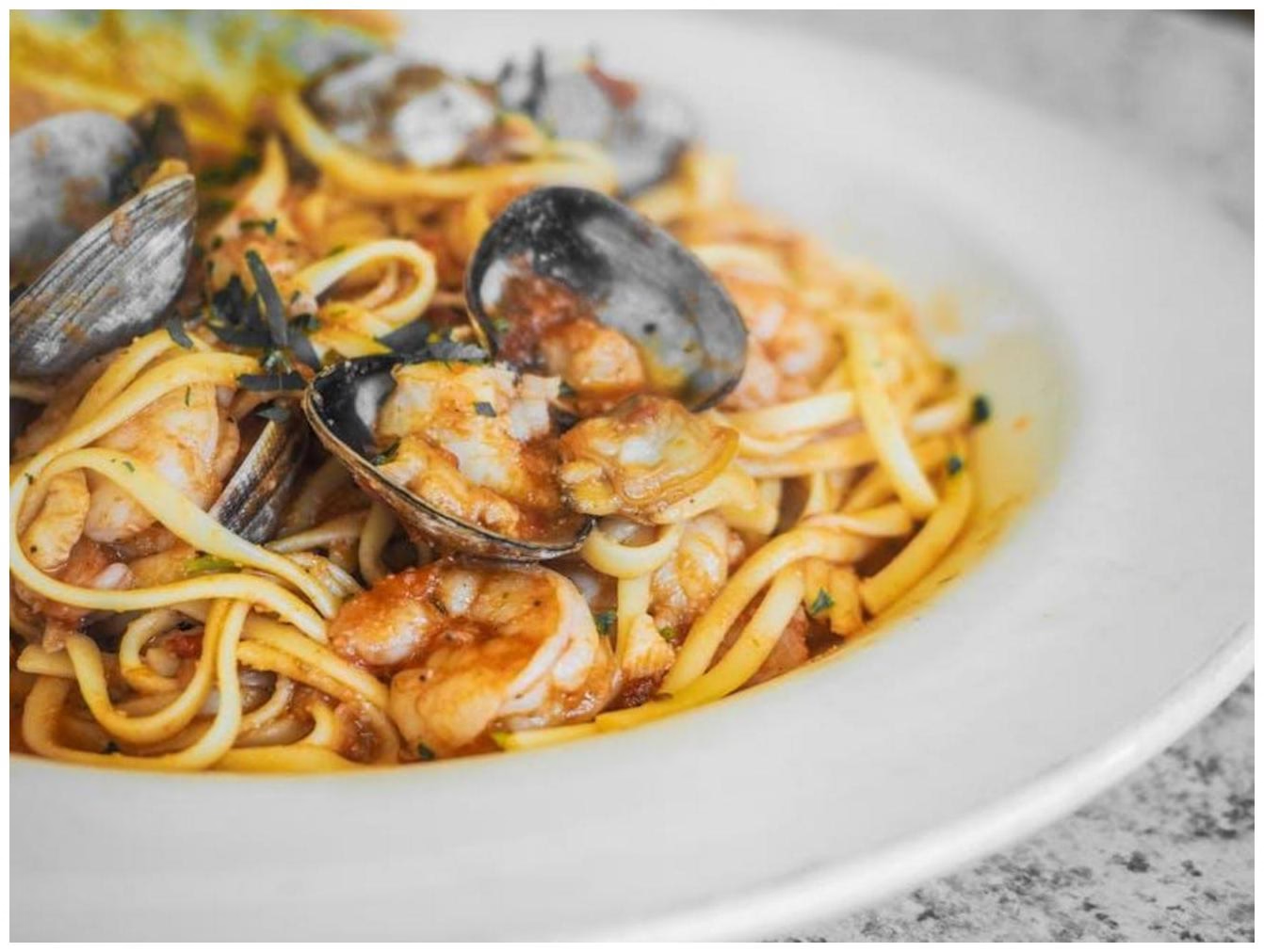
Spicy Calabrian Seafood Marinara with Linguine
Ignite your taste buds with this vibrant and spicy marinara, infused with Calabrian chili paste and loaded with a succulent medley of seafood, served over perfectly cooked linguine. A dish that truly delivers a kick!
Ingredients
- 250g linguine
- 1 tbsp extra virgin olive oil
- 3 cloves garlic, thinly sliced
- 1/2 red onion, diced
- 1 tsp Calabrian chili paste (or to taste)
- 400g diced tomatoes
- 1/2 cup vegetable broth
- 150g cod fillet, cut into 2cm pieces
- 150g bay scallops
- 100g clams, scrubbed
- 1/4 cup fresh basil, torn
- Salt and black pepper to taste
Directions
- Cook linguine according to package directions until al dente. Drain, reserving 1/2 cup pasta water, and set aside.
- Heat olive oil in a large pan over medium heat. Add red onion and cook until translucent, about 4-5 minutes. Add sliced garlic and Calabrian chili paste, cooking for 1 minute until fragrant.
- Stir in diced tomatoes and vegetable broth. Bring to a gentle simmer and cook for 10 minutes, allowing the sauce to thicken slightly. Season with salt and pepper.
- Add cod, scallops, and clams to the sauce. Cover the pan and cook for 6-8 minutes, or until the cod is flaky, scallops are opaque, and clams have opened. Discard any unopened clams.
- Add the cooked linguine to the pan with the sauce and toss well. If the sauce is too thick, add a splash of reserved pasta water.
- Stir in fresh basil and serve immediately.
Tips
- Adjust the amount of Calabrian chili paste to your preferred spice level.
- Freshly grated Parmesan cheese can be a delicious (though untraditional for marinara purists) addition.
- Ensure your seafood is fresh for the best flavor and texture.
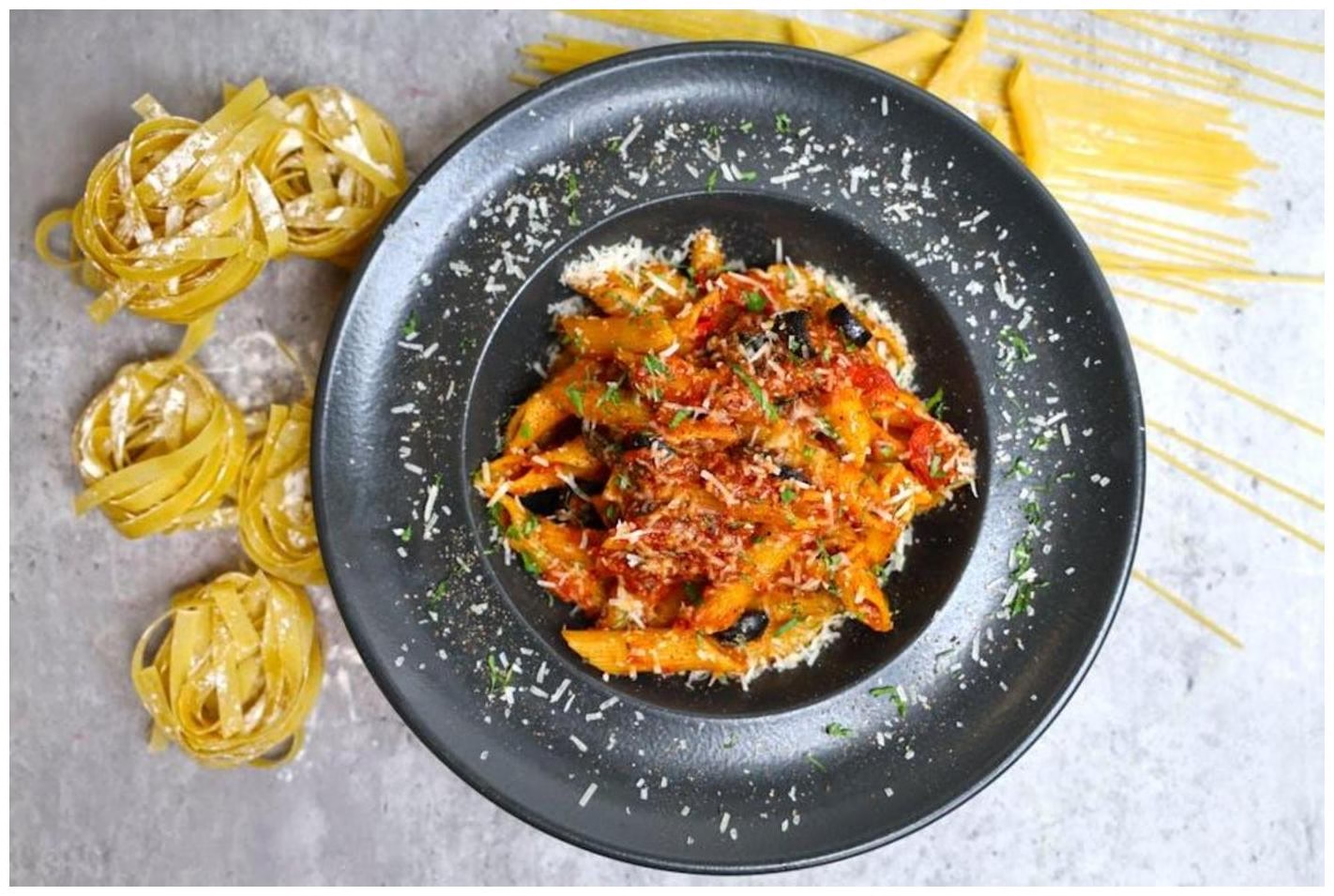
Creamy Garlic Prawn Marinara with Tagliatelle
Indulge in a luxurious and creamy twist on marinara! Succulent prawns are bathed in a rich tomato sauce with fragrant garlic and a touch of cream, all tossed with tender tagliatelle for an unforgettable meal.
Ingredients
- 250g tagliatelle
- 2 tbsp butter
- 1/4 cup shallots, finely diced
- 400g tomato passata
- 1/2 cup heavy cream
- 300g large raw prawns, peeled and deveined
- 1/4 cup fresh dill, chopped
- Salt and black pepper to taste
Directions
- Cook tagliatelle according to package directions until al dente. Drain and set aside.
- In a large skillet, melt butter over medium heat. Add shallots and cook until softened, about 3-4 minutes.
- Pour in the tomato passata and bring to a gentle simmer. Cook for 10 minutes, allowing the sauce to reduce slightly.
- Stir in the heavy cream and bring back to a simmer. Add the prawns and cook for 3-5 minutes, or until they turn pink and are cooked through.
- Add the cooked tagliatelle to the creamy marinara sauce and toss gently to coat.
- Stir in fresh dill, season with salt and pepper to taste, and serve immediately.
Tips
- Using good quality passata will elevate the flavor of your sauce significantly.
- If you don’t have shallots, a small amount of finely diced yellow onion can be substituted.
- A sprinkle of red pepper flakes can add a subtle warmth, if desired.
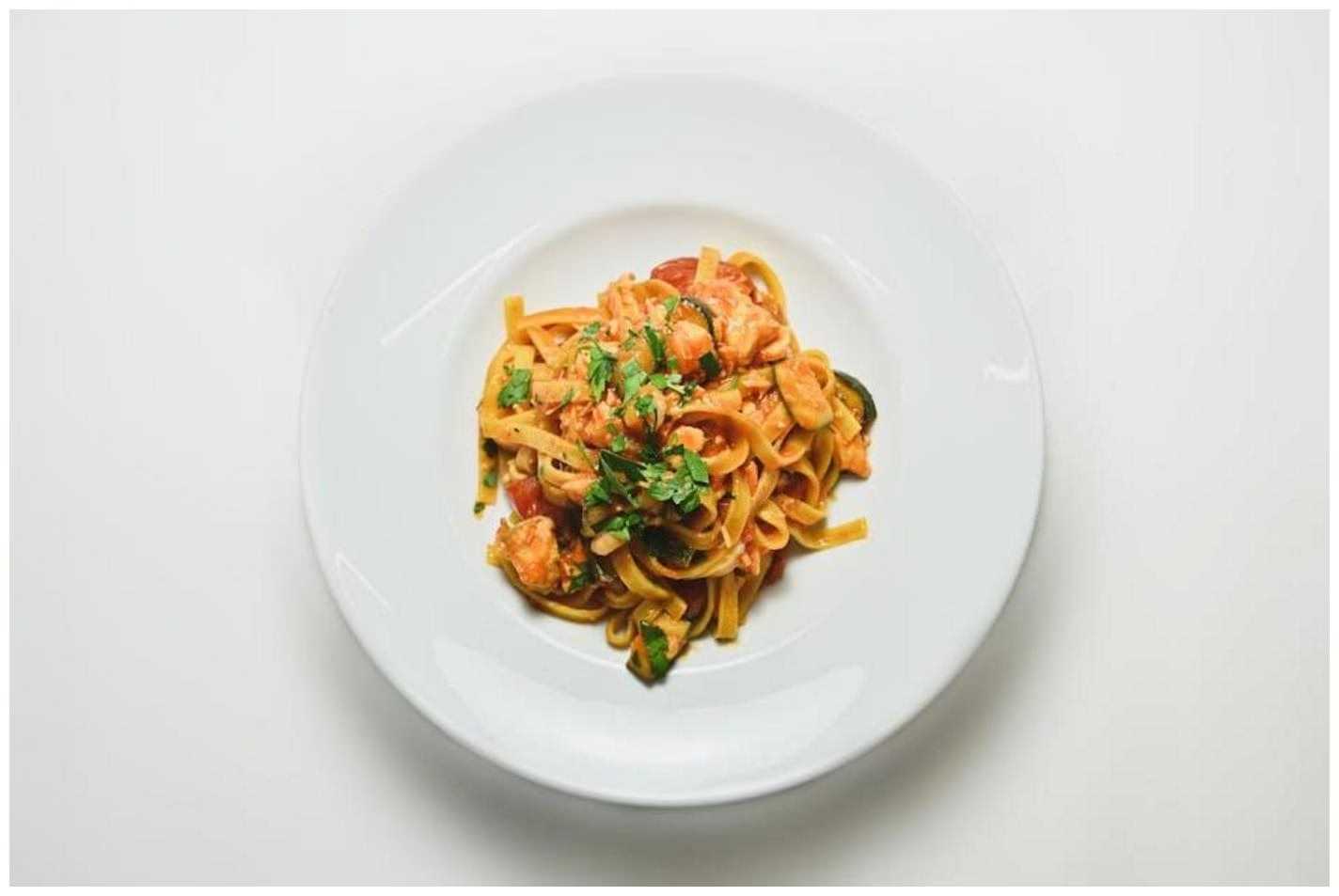
Lemon Herb White Wine Seafood Marinara with Fettuccine
A light and bright take on marinara, this dish combines delicate seafood with a zesty lemon, aromatic herb, and white wine-infused tomato sauce, creating a refreshing and elegant fettuccine experience.
Ingredients
- 250g fettuccine
- 1 tbsp grapeseed oil
- 1 large leek, white and light green parts, thinly sliced
- 400g tomato puree
- 1/2 cup dry white wine
- Juice of 1 lemon
- 1 tsp dried oregano
- 150g firm white fish (e.g., snapper), cut into 2cm cubes
- 150g scallops
- 1/4 cup fresh chives, chopped
- Salt and white pepper to taste
Directions
- Cook fettuccine according to package directions until al dente. Drain and set aside.
- Heat grapeseed oil in a large pan over medium heat. Add sliced leek and cook until very softened, about 7-10 minutes.
- Pour in tomato puree, dry white wine, lemon juice, and dried oregano. Bring to a gentle simmer and cook for 10-12 minutes, allowing the sauce to reduce slightly and flavors to meld. Season with salt and white pepper.
- Gently add the fish cubes and scallops to the simmering sauce. Cook for 4-6 minutes, or until the fish is opaque and flaky, and scallops are cooked through. Be careful not to break up the fish.
- Add the cooked fettuccine to the pan with the sauce and toss gently to combine all ingredients.
- Stir in fresh chives and serve immediately.
Tips
- Choose a good quality, dry white wine that you enjoy drinking, as its flavor will be prominent.
- Avoid over-stirring once the fish is added to prevent it from breaking apart.
- A sprinkle of red pepper flakes can add a very subtle kick if desired.
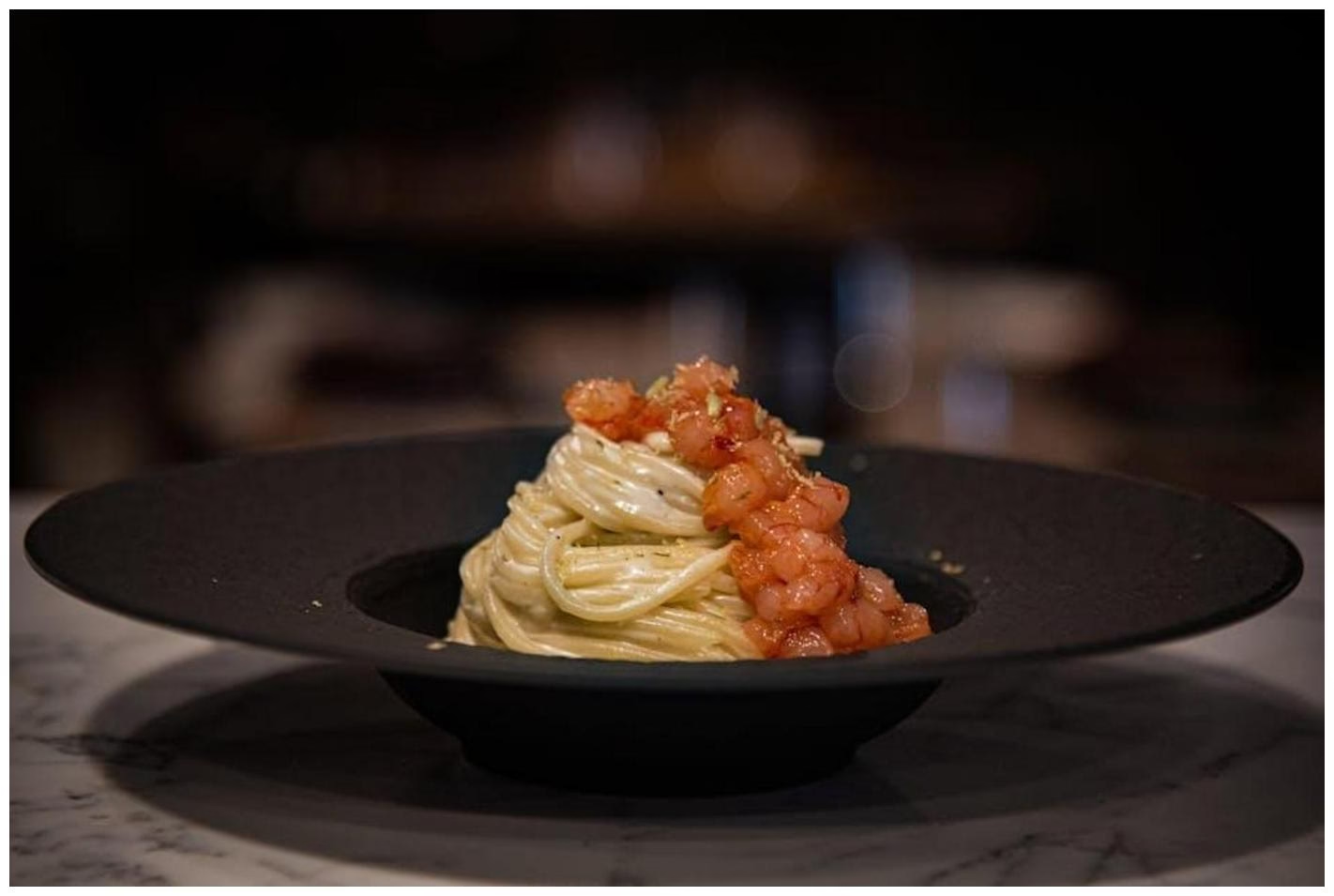
Seafood Marinara Spaghetti: Your Guide to a Timeless Coastal Delight
Ever wondered what makes a dish truly special, transforming a simple meal into an unforgettable experience? Perhaps it’s the rich aroma filling your kitchen, or the delightful blend of textures and flavors. When it comes to a truly exceptional meal, few dishes capture the essence of Italian-American comfort food quite like Seafood Marinara Spaghetti. This beloved classic invites you on a culinary journey, bringing the vibrant flavors of the ocean directly to your dinner table, perfect for home cooks and busy families alike.
Imagine succulent shrimp, tender mussels, and flaky white fish, all gently simmered in a luscious, aromatic tomato sauce, then tossed with perfectly al dente pasta. This isn’t just a meal; it’s an occasion. Understanding the nuances of fresh ingredients and proper technique is key to elevating this dish from good to truly magnificent. Are you ready to dive into the world of savory marinara and pristine seafood?
Getting your pasta just right is crucial for any Italian dish, and you might even wonder about its longevity. Learning about how long pasta lasts can help ensure your pantry staples are always ready for your next culinary adventure. We’ll explore the history, the benefits, and the techniques behind creating your own fantastic Seafood Marinara Spaghetti.
Why Seafood Marinara Spaghetti Matters to Home Cooks
Tracing the Rich History of Seafood Marinara Spaghetti
The story of marinara sauce is as rich and flavorful as the sauce itself, deeply rooted in Italian culinary traditions, particularly from Naples. Originally a simple tomato sauce, often made by sailors – marinai – for quick meals, it evolved to incorporate the bounty of the sea. This heritage gives Seafood Marinara Spaghetti an authentic soul, connecting you to generations of cooks who valued fresh ingredients and robust flavors. It’s a testament to how humble beginnings can lead to gastronomic excellence.
Nutritional Benefits of Seafood Marinara Spaghetti
Beyond its incredible taste, Seafood Marinara Spaghetti offers significant nutritional benefits. Seafood is an excellent source of lean protein, essential vitamins, and crucial Omega-3 fatty acids, which support heart health and brain function. Pair this with a vibrant, antioxidant-rich tomato sauce, and you have a meal that’s both indulgent and wholesome. Its versatility also shines through, allowing you to adapt this seafood pasta to seasonal catches or personal preferences, making it a regular favorite for busy families seeking healthy options.
Crafting the Perfect Seafood Marinara Sauce
Selecting the Finest Seafood for Your Marinara Spaghetti
The quality of your seafood profoundly impacts the final taste of your dish. Opt for fresh, sustainably sourced ingredients whenever possible. A classic medley often includes tender shrimp, sweet scallops, briny mussels, and succulent clams, but don’t shy away from adding flaky white fish or calamari for extra texture. Think about the variety of flavors and how they will meld with your rich marinara. For example, perfectly cooked shrimp scampi shares a similar appreciation for fresh shellfish, much like this Seafood Marinara Spaghetti.
Building Depth with Aromatics for Your Seafood Marinara Spaghetti
A truly memorable marinara begins with a solid foundation of aromatics. Sautéing garlic and a touch of chili flakes in good quality olive oil before adding crushed tomatoes creates a depth of flavor that defines the sauce. Fresh basil and oregano, added at different stages, further enhance this fragrant base. Consider how these simple ingredients transform into a complex symphony of tastes, providing the perfect canvas for your chosen seafood in your Seafood Marinara Spaghetti.
Achieving Balance in Your Seafood Marinara Spaghetti
The Art of Acid and Sweetness in Marinara
Balancing the acidity of the tomatoes with a hint of sweetness is crucial for a well-rounded marinara. A splash of dry white wine can add complexity and brightness, cutting through the richness of the seafood and olive oil. Some cooks even add a pinch of sugar or a touch of balsamic glaze to mellow the tartness, creating a harmonious sauce that coats the pasta beautifully. This careful balance ensures every mouthful is a delight, unlike a singular-flavored dish like classic seafood marinara with spaghetti which focuses on traditional tastes.
Pasta Perfection: Choosing the Right Match for Your Seafood Marinara
While spaghetti is the traditional choice, the world of pasta offers many delightful alternatives that complement a seafood marinara. Linguine, fettuccine, or even a shorter pasta like penne can work wonderfully, each offering a different texture and mouthfeel. The key is to cook your pasta al dente, ensuring it holds up to the sauce without becoming mushy. How do you decide which pasta shape best captures the essence of a robust sauce, similar to how one might choose pasta for a creamy spaghetti carbonara?
Bringing Your Seafood Marinara to Life: Key Techniques
Searing vs. Simmering: Seafood Cooking Methods
Different types of seafood require varied cooking approaches. Delicate fish fillets might be gently poached in the sauce, while firmer shrimp or scallops can benefit from a quick sear before being added. Mussels and clams are best steamed open directly in the simmering marinara, allowing their juices to infuse the sauce with briny flavor. Mastering these techniques prevents overcooking, ensuring your seafood remains tender and flavorful, a vital skill whether you’re making this dish or baked salmon.
Finishing Touches: Herbs and Heat for Your Seafood Marinara
The final flourishes truly elevate your Seafood Marinara Spaghetti. A generous sprinkle of fresh parsley or a chiffonade of basil right before serving adds a burst of freshness and color. A drizzle of high-quality extra virgin olive oil enhances the overall richness. If you enjoy a kick, a pinch more chili flakes can be added at the end, bringing a vibrant heat to the dish, especially if you’re exploring the nuances of a spicy Calabrian seafood marinara with linguine.
Common Mistakes to Avoid with Seafood Marinara Spaghetti
Avoiding Overcooked Seafood in Your Seafood Marinara Spaghetti
One of the most common errors in preparing seafood marinara is overcooking the delicate proteins. Shrimp become rubbery, scallops turn tough, and fish becomes dry and unappetizing. Seafood cooks very quickly, so add it to the simmering sauce only in the last few minutes of cooking, removing the dish from the heat as soon as it’s done. Patience and precision are your best allies in achieving perfectly tender results, ensuring your Seafood Marinara Spaghetti remains a delightful experience.
Preventing a Watery or Bland Sauce for Your Seafood Marinara
A thin, watery, or bland marinara can drastically diminish the appeal of your dish. Ensure your tomatoes are of good quality and that the sauce has ample time to simmer and reduce, concentrating its flavors. Avoid adding too much liquid early on. If your sauce seems too thin, let it gently reduce over low heat. Alternatively, for a richer, velvety texture, you might explore recipes like creamy garlic prawn marinara with tagliatelle, which offers a different take on sauce consistency.
Expert Tips and Best Practices
Don’t Skimp on Quality Ingredients for Seafood Marinara Spaghetti
The fewer ingredients a dish has, the more each ingredient’s quality shines through. This is profoundly true for Seafood Marinara Spaghetti. Invest in good quality canned San Marzano tomatoes, fresh seafood from a reputable fishmonger, and an excellent extra virgin olive oil. These choices will make a noticeable difference in the depth and freshness of your final dish. Can you really taste the difference between premium ingredients and their cheaper counterparts?
Embrace the Power of Pasta Water for a Silky Sauce
Never drain all your pasta water! This starchy, salty liquid is a secret weapon for emulsifying your sauce and helping it cling beautifully to the pasta. Before draining your cooked spaghetti, reserve a cup or two of the water. Add it gradually to your marinara as you toss it with the pasta, creating a silky, cohesive sauce that perfectly coats every strand. This technique is often seen in classic Italian preparations, like a good fettuccine alfredo.
Conclusion: Savoring Your Seafood Marinara Spaghetti Masterpiece
From its humble origins to its status as a beloved classic, Seafood Marinara Spaghetti offers a delightful and rewarding cooking experience for any home chef. By focusing on fresh, quality ingredients, understanding the art of sauce building, and mastering seafood cooking techniques, you can create a dish that’s both deeply comforting and elegantly impressive. Whether you prefer a robust red sauce or a lemon herb white wine seafood marinara with fettuccine, the principles of excellent cooking remain the same. So, gather your ingredients, ignite your passion, and enjoy the culinary journey of bringing this magnificent meal to life. For other delightful pasta experiences, consider exploring options such as penne alla vodka to continue your gastronomic adventures.
Tips & Tricks
- Mastering Marinara Timing for Seafood Marinara Spaghetti: To prevent overcooked, rubbery seafood, add delicate items like shrimp or scallops in the last 2-3 minutes of simmering your marinara sauce. Mussels and clams should go in earlier, allowing them to open and release their flavorful juices into the sauce, enriching your entire Seafood Marinara Spaghetti dish.
- Chill Your Serving Bowls: For a restaurant-quality experience, slightly chill your serving bowls or plates before plating. This small trick helps maintain the temperature and freshness of your pasta and seafood, ensuring every bite is enjoyed at its ideal warmth. It’s a simple step that elevates the entire dining presentation.
- Homemade Stock for Deeper Flavor: If time allows, use a homemade fish or vegetable stock instead of water or store-bought broth when thinning your marinara. The depth of flavor it adds is unparalleled, providing a robust background that truly makes your seafood sing. This will transform your sauce into something truly extraordinary.
- Pair with a Crisp White Wine: Enhance the dining experience by pairing your Seafood Marinara Spaghetti with a dry, crisp white wine like a Sauvignon Blanc or Pinot Grigio. The acidity of the wine beautifully complements the richness of the seafood and the tang of the tomato sauce, cleansing the palate and highlighting the delicate flavors.
- Don’t Forget the Fresh Herbs: While dried herbs build the sauce’s foundation, fresh herbs like parsley, basil, or even a hint of dill, stirred in just before serving, provide a vibrant burst of flavor and a beautiful aromatic finish. This fresh element brightens the entire dish, giving it a professional touch.
- Experiment with Pasta Shapes: While spaghetti is traditional, don’t limit yourself. Consider trying linguine, tagliatelle, or even a shorter pasta like rigatoni that can hold the hearty sauce and seafood pieces perfectly. Different shapes offer unique textures and ways to enjoy your delicious seafood and marinara combination. Want to get creative with your pasta? Learn how to dye pasta for a fun twist!
- Serve with a Simple Salad: A light, refreshing side salad, such as a crisp cucumber salad or a vibrant classic Caesar salad, provides a perfect counterpoint to the rich flavors of the seafood marinara. The fresh greens and zesty dressing offer a palate cleanser, making each bite of your pasta even more enjoyable.
- Invest in Quality Pasta: The pasta is just as important as the sauce and seafood. Look for good quality Italian bronze-die pasta, which has a rougher surface that clings better to the sauce. This ensures every strand of your Seafood Marinara Spaghetti is coated in flavor. You can find excellent options for seafood marinara spaghetti components online.
Frequently Asked Questions
What is the best type of seafood for Seafood Marinara Spaghetti?
The best seafood for this dish often includes a mix of textures and flavors. Shrimp and mussels are popular choices for their quick cooking time and sweetness. You can also add clams, scallops, or even firm white fish like cod or snapper. The key is to use fresh, high-quality ingredients and adjust cooking times for each type of seafood to ensure it remains tender and delicious in your Seafood Marinara Spaghetti.
How do I prevent my seafood from becoming rubbery in the marinara sauce?
To avoid rubbery seafood, the most critical step is precise timing. Delicate seafood like shrimp and scallops cook very quickly, usually in just 2-4 minutes in a hot sauce. Add them at the very end of the cooking process, allowing them to gently poach until just opaque. Mussels and clams should be added earlier, allowing them to steam open, and any unopened shells should be discarded to ensure the best texture for your Seafood Marinara Spaghetti.
Why is my Seafood Marinara Spaghetti sauce watery?
A watery sauce can be a common issue. It usually means the sauce hasn’t had enough time to reduce and thicken. Ensure you’re using good quality crushed or diced tomatoes, and allow your marinara to simmer uncovered for at least 20-30 minutes to let excess moisture evaporate. If using frozen seafood, pat it dry thoroughly before adding to avoid introducing extra water. A concentrated sauce is crucial for flavorful Seafood Marinara Spaghetti.
Is it safe to reheat Seafood Marinara Spaghetti?
Yes, it is generally safe to reheat seafood marinara, but it’s best consumed fresh. To reheat, do so gently over low heat on the stovetop or in the microwave, being careful not to overcook the seafood. If possible, reheat only the amount you plan to eat to maintain quality. Ensure the dish reaches a safe internal temperature throughout. Always store leftovers promptly in an airtight container in the refrigerator.
What kind of pasta is best for Seafood Marinara Spaghetti?
While traditional spaghetti is a classic choice, long, thin pasta shapes like linguine or fettuccine are also excellent for Seafood Marinara Spaghetti. These pastas allow the rich sauce to cling beautifully to each strand, delivering a burst of flavor with every bite. The key is to cook the pasta al dente, ensuring it has a slight bite and doesn’t become mushy when tossed with the flavorful seafood marinara sauce.
When should I add fresh herbs to my Seafood Marinara Spaghetti?
For the best flavor and aroma, fresh herbs like parsley and basil should be added towards the very end of the cooking process, or even as a garnish just before serving. This preserves their vibrant color and delicate oils, which can be diminished by prolonged cooking. Stirring them in at the last minute ensures your Seafood Marinara Spaghetti has that fresh, aromatic finish that truly elevates the dish.