
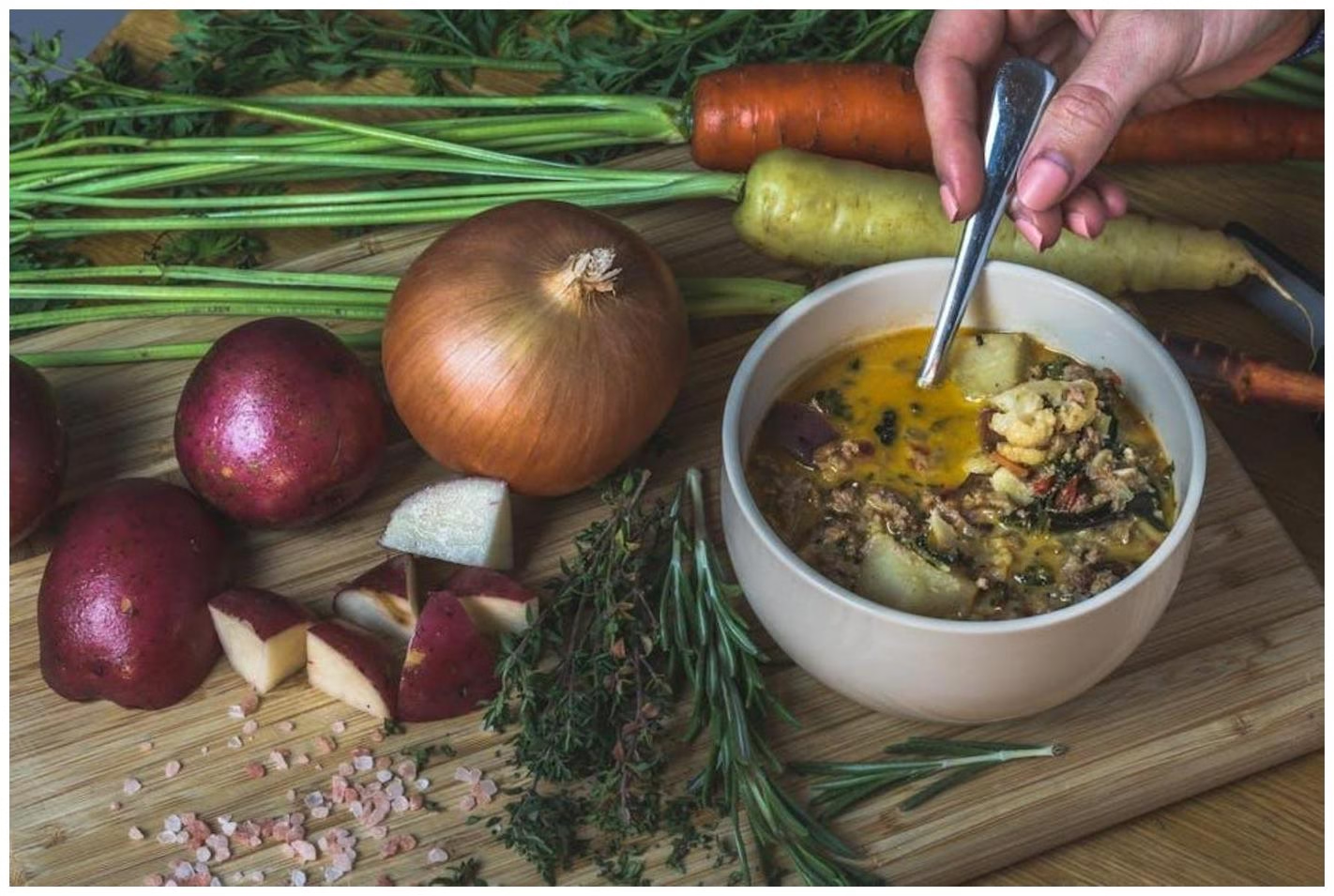
Classic Hearty Ribollita
A timeless Tuscan bread soup, this Classic Hearty Ribollita is a comforting and robust meal. Packed with cannellini beans, kale, and a rich vegetable broth, it’s perfect for a satisfying dinner.
Ingredients
- 2 tablespoons olive oil
- 1 large yellow onion, chopped
- 2 carrots, chopped
- 2 celery stalks, chopped
- 3 cloves garlic, minced
- 1 (14.5 ounce) can diced tomatoes, undrained
- 6 cups vegetable broth
- 1 (15 ounce) can cannellini beans, rinsed and drained
- 1 bunch Lacinato kale (about 6 cups chopped), tough stems removed
- 1/2 loaf (about 200g) day-old rustic bread, torn into pieces
- Salt and freshly ground black pepper to taste
- Fresh parsley, chopped, for garnish (optional)
Directions
- Heat olive oil in a large pot or Dutch oven over medium heat. Add onion, carrots, and celery, cooking until softened, about 8-10 minutes.
- Stir in minced garlic and cook for 1 minute more until fragrant.
- Add diced tomatoes and vegetable broth, bringing the mixture to a simmer.
- Stir in cannellini beans and chopped kale. Cook for 10-15 minutes, or until kale is tender.
- Add the torn bread pieces to the soup, pushing them down to absorb the liquid. Continue to simmer for another 5-10 minutes, allowing the bread to soften and thicken the soup.
- Season generously with salt and pepper.
- Ladle into bowls, garnish with fresh parsley if desired, and serve hot.
Tips
- Day-old bread is crucial for the correct texture; fresh bread will just disintegrate.
- For extra flavor, sauté a sprig of rosemary with the aromatics.
- Adjust the consistency by adding more broth if you prefer a thinner soup.
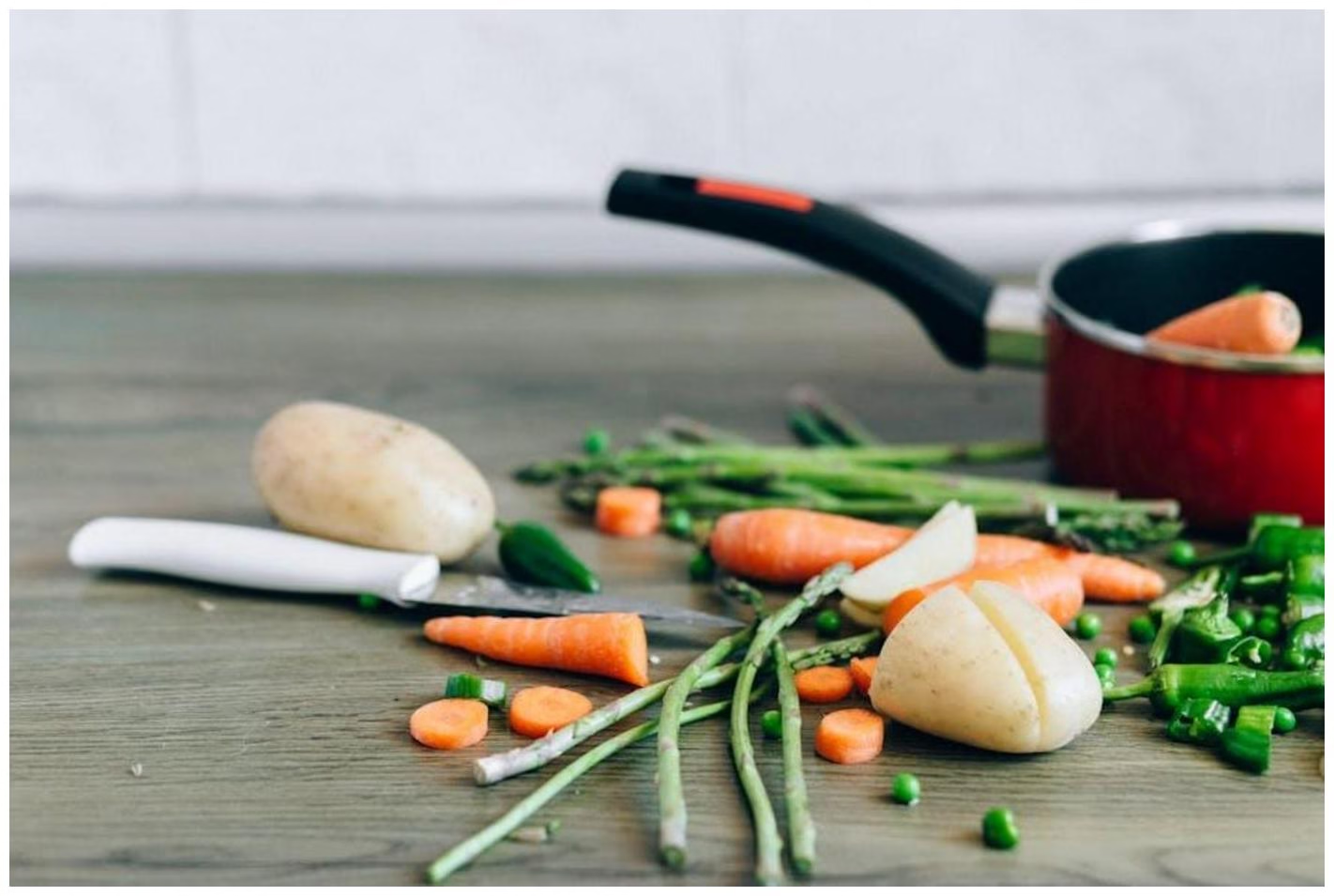
Lighter Spring Ribollita with Asparagus & Peas
A fresh and vibrant take on the classic, this Lighter Spring Ribollita brings the flavors of the season to your table. Crisp asparagus, sweet peas, and tender spinach create a lighter, yet equally comforting, bread soup.
Ingredients
- 1 tablespoon olive oil
- 1 leek, white and light green parts, thinly sliced
- 3 cloves garlic, minced
- 5 cups vegetable broth
- 1 (15 ounce) can great northern beans, rinsed and drained
- 1 cup chopped asparagus (about 1-inch pieces)
- 1/2 cup fresh or frozen peas
- 4 cups fresh spinach
- 150g day-old sourdough bread, torn into pieces
- Lemon zest from 1/2 lemon
- Salt and white pepper to taste
Directions
- Heat olive oil in a large pot over medium heat. Add sliced leek and cook until softened, about 5-7 minutes.
- Stir in minced garlic and cook for 1 minute until fragrant.
- Pour in vegetable broth and bring to a gentle simmer.
- Add great northern beans, asparagus, and peas. Cook for 5 minutes, or until asparagus is tender-crisp.
- Stir in fresh spinach until wilted.
- Gently fold in the torn sourdough bread pieces, letting them absorb the broth and thicken the soup for about 5 minutes.
- Stir in lemon zest. Season with salt and white pepper.
- Serve immediately, perhaps with a drizzle of fresh olive oil.
Tips
- Don’t overcook the spring vegetables; they should retain a slight bite.
- A splash of white wine can be added with the broth for extra depth.
- Use good quality sourdough for a tangy counterpoint.
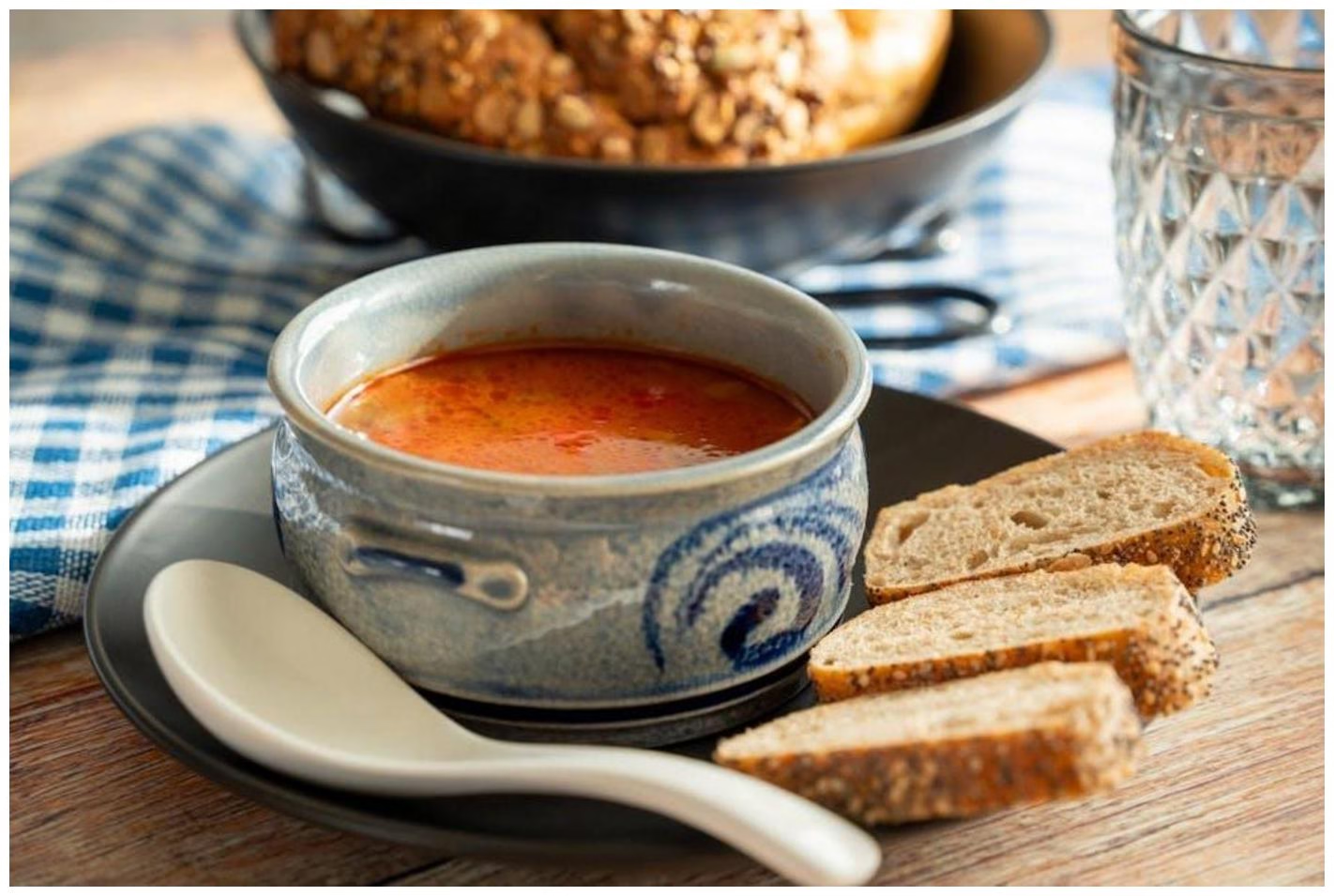
Spicy Calabrian Ribollita with Sausage
For those who love a bit of heat, this Spicy Calabrian Ribollita adds a fiery twist to the traditional soup. Italian sausage and spicy Calabrian chili paste infuse the comforting bread soup with bold, zesty flavors, making it an exciting meal.
Ingredients
- 1 tablespoon olive oil
- 200g Italian sausage, casings removed
- 1 large red onion, chopped
- 1 red bell pepper, chopped
- 3 cloves garlic, minced
- 1 teaspoon Calabrian chili paste (or to taste)
- 5 cups chicken broth
- 1 (15 ounce) can kidney beans, rinsed and drained
- 4 cups chopped collard greens (or sturdy kale)
- 150g ciabatta bread, torn into pieces
- 1/4 cup grated Parmesan cheese, plus more for serving
- Salt and black pepper to taste
Directions
- Heat olive oil in a large pot over medium-high heat. Add Italian sausage, breaking it up with a spoon, and cook until browned. Remove sausage and set aside, leaving rendered fat in the pot.
- Add red onion and red bell pepper to the pot and cook until softened, about 7-8 minutes.
- Stir in minced garlic and Calabrian chili paste, cooking for 1 minute until fragrant.
- Pour in chicken broth and bring to a simmer.
- Return the cooked sausage to the pot. Add kidney beans and collard greens. Cook for 15-20 minutes, or until greens are tender.
- Stir in the torn ciabatta bread pieces and grated Parmesan cheese. Simmer for another 5-7 minutes, allowing the bread to thicken the soup.
- Season with salt and black pepper.
- Serve hot, with extra Parmesan cheese on top.
Tips
- Adjust the amount of Calabrian chili paste to your desired spice level.
- For a vegetarian option, omit the sausage and add smoked paprika for depth.
- Aged provolone can be used instead of Parmesan for a sharper cheese flavor.
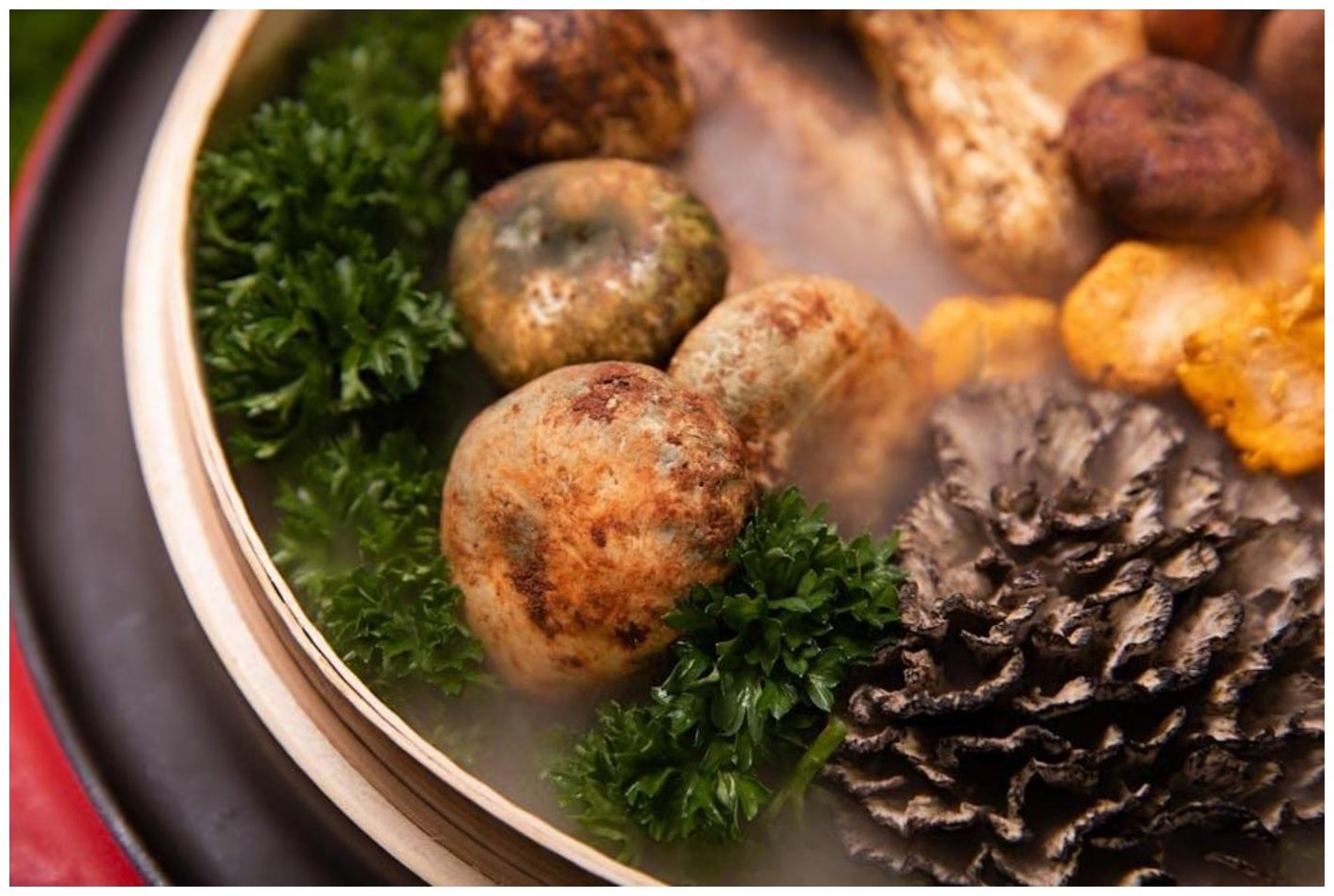
Earthy Mushroom & Sage Ribollita
Embrace the rich, savory notes of autumn with this Earthy Mushroom & Sage Ribollita. A medley of mushrooms, aromatic sage, and a hint of balsamic vinegar create a deeply flavorful and satisfying vegetarian twist on the classic.
Ingredients
- 2 tablespoons olive oil
- 250g mixed mushrooms (cremini, shiitake), sliced
- 1 large shallot, finely chopped
- 2 cloves garlic, minced
- 1 tablespoon fresh sage, chopped
- 6 cups vegetable broth
- 1 (15 ounce) can borlotti beans, rinsed and drained
- 4 cups chopped savoy cabbage (or regular green cabbage)
- 1/2 loaf (about 200g) whole wheat rustic bread, torn into pieces
- 1 tablespoon balsamic vinegar
- Salt and freshly ground black pepper to taste
Directions
- Heat olive oil in a large pot over medium-high heat. Add sliced mushrooms and cook until browned and their liquid has evaporated, about 8-10 minutes. Remove mushrooms and set aside.
- Add chopped shallot to the pot and cook until softened, about 3-4 minutes.
- Stir in minced garlic and chopped fresh sage, cooking for 1 minute until fragrant.
- Pour in vegetable broth and bring to a simmer.
- Add borlotti beans and savoy cabbage. Cook for 10-12 minutes, or until cabbage is tender.
- Return the cooked mushrooms to the pot. Stir in the torn whole wheat bread pieces, pushing them down to soak up the broth. Simmer for 5-7 minutes, allowing the soup to thicken.
- Stir in balsamic vinegar. Season with salt and pepper.
- Serve hot, perhaps with a drizzle of truffle oil.
Tips
- Sauté mushrooms in batches if your pot is crowded to ensure good browning.
- A pinch of dried porcini powder can enhance the mushroom flavor.
- Use a crusty whole wheat bread for a heartier texture and nutty flavor.
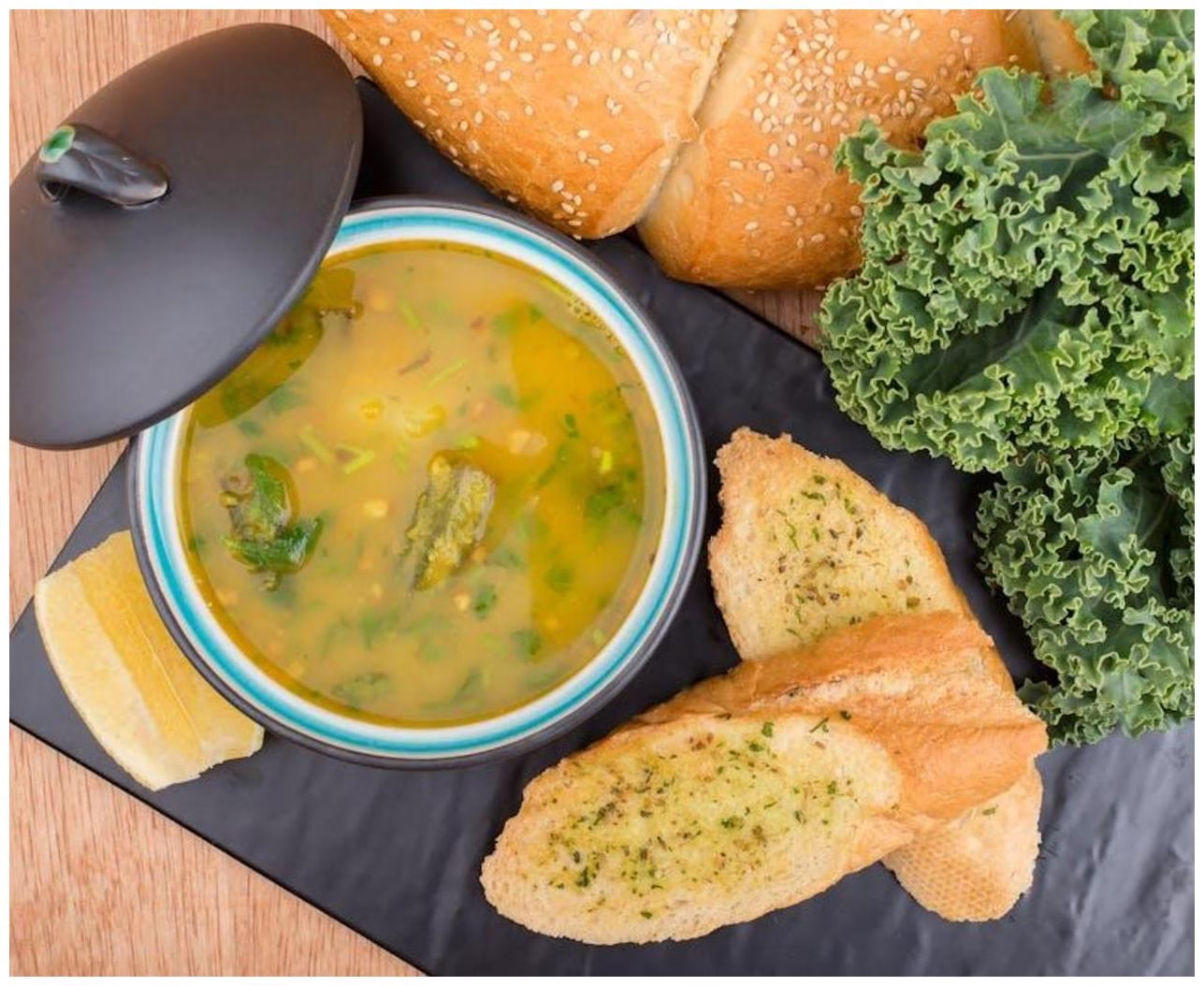
Ribollita Tuscan Bread Soup — The Hearty Soul of Tuscan Cuisine
Have you ever tasted a dish that tells a story, a culinary journey through history and tradition? If you haven’t experienced the warmth and depth of classic Italian cooking, then prepare to be introduced to Ribollita Tuscan Bread Soup, a true emblem of rustic Italian comfort. This robust and humble soup, originating from the picturesque region of Tuscany, isn’t just a meal; it’s a centuries-old tradition passed down through generations of home cooks. But what makes this bread soup so exceptionally satisfying?
Ribollita Tuscan Bread Soup, literally meaning “reboiled,” speaks to its resourceful origins. It’s a testament to the ingenuity of Tuscan peasants who transformed humble, leftover ingredients into a dish so rich and flavorful, it’s now revered worldwide. This isn’t your average weeknight soup; it’s a culinary masterpiece that improves with time, often tasting even better the day after it’s made.
For home cooks and busy families, the beauty of Ribollita lies in its comforting nature and its ability to feed many with wholesome, readily available ingredients. It’s a dish that embodies the very essence of Italian nonna-style cooking – simple, nourishing, and made with love. Are you ready to dive into the rich world of this incredible Tuscan delight?
Why Ribollita Tuscan Bread Soup Matters
Ribollita Tuscan Bread Soup holds a special place in the hearts of those who appreciate authentic, regional cuisine. It’s more than just food; it’s a cultural touchstone that reflects Tuscany’s agricultural roots and its commitment to minimal waste. This soup perfectly showcases how basic ingredients can be elevated to extraordinary heights with patience and proper technique.
A Taste of Tuscan History
The origins of Ribollita trace back to the medieval era, when servants would collect leftover bread and vegetable scraps from their masters’ tables, simmering them into a hearty, nourishing meal. This practice gave birth to a dish that was both economical and deeply satisfying. It evolved from a necessity into a celebrated culinary tradition, becoming a staple in Tuscan households and a symbol of sustainable eating.
Imagine the rustic kitchens of old Tuscany, where every ingredient was valued, and nothing went to waste. This historical context enriches every spoonful of Ribollita, connecting you to generations of cooks who perfected this recipe. The wisdom of making something so profoundly delicious from simple fare is truly inspiring for any modern home cook. For a truly classic hearty ribollita, understanding this history is key.
Nutritional Powerhouse
Beyond its rich history, Ribollita Tuscan Bread Soup is a nutritional powerhouse. Packed with an array of vegetables like kale, cabbage, carrots, celery, and onions, alongside protein-rich cannellini beans, it offers a balanced meal. The stale bread acts as a thickener, providing complex carbohydrates and adding to the soup’s substantial texture. This makes it an ideal option for those seeking wholesome, fulfilling meals.
Furthermore, it’s naturally vegetarian, often vegan, making it accessible to a wide range of dietary preferences. The abundance of fresh produce ensures a high intake of vitamins, minerals, and fiber, contributing to overall well-being. Incorporating this dish into your family’s rotation is a delicious way to boost their vegetable intake without compromising on flavor or satisfaction.
Ribollita Tuscan Bread Soup — The Art of Layering Flavors
Creating a truly memorable Ribollita Tuscan Bread Soup is all about understanding how to layer flavors effectively. It’s not just about throwing ingredients into a pot; it’s a methodical process that builds depth and complexity with each addition. This meticulous approach is what transforms simple vegetables and bread into a symphony of taste.
The Essential Ingredients
At its heart, Ribollita relies on a few key ingredients: Tuscan kale (cavolo nero), savoy cabbage, cannellini beans, and, crucially, stale country bread. These aren’t just components; they are the foundation upon which the entire dish is built. Quality matters here; fresh, seasonal vegetables will always yield the best results, providing vibrant flavors and textures.
Don’t underestimate the role of dried beans, which, when properly cooked, offer a creamy texture and nutty flavor that canned beans simply can’t replicate. The right kind of stale bread is also paramount, acting as a sponge for the broth and creating the soup’s characteristic thickness. For all the essentials, consider searching for ribollita tuscan bread soup ingredients online.
Building the Broth
The broth is the soul of your Ribollita. A rich, flavorful vegetable broth is essential, as it infuses every ingredient with its savory essence. Building this base often starts with a soffritto – a mixture of finely diced carrots, celery, and onions sautéed until fragrant and softened. This aromatic foundation is the secret to many Italian dishes, including hearty stews like beef stroganoff.
Gradually adding water or vegetable stock, along with tomatoes and herbs like thyme and bay leaves, allows the flavors to meld and deepen over time. This slow simmering process is where the magic truly happens, transforming individual tastes into a harmonious whole. A well-developed broth will provide the backbone for all the other wonderful ingredients you add.
Mastering Tuscan Bread Soup
Achieving the perfect consistency and flavor in your Ribollita requires attention to a few specific techniques. While it’s a rustic dish, mastering these methods will elevate your soup from good to truly exceptional. This careful execution is what separates a passable meal from a memorable one, creating a dish that truly sings with Tuscan charm.
Soaking and Sautéing
For dried cannellini beans, proper soaking and cooking are vital. Soaking them overnight and then simmering until tender ensures a creamy texture that integrates beautifully into the soup. When it comes to the vegetables, sautéing them until they are just tender, but still retain some bite, is crucial. This step brings out their natural sweetness and prevents them from becoming mushy, maintaining their integrity in the final dish.
This initial sautéing, often with a good quality olive oil, also contributes significantly to the overall flavor profile. It caramelizes the vegetables slightly, adding another layer of depth to the Ribollita. Think of it as building a robust flavor base, similar to how you might prepare vegetables for stuffed bell peppers.
The Bread Factor
The choice and preparation of your bread are perhaps the most distinctive aspects of Ribollita. Stale, crusty Tuscan bread (or a good country-style sourdough) is ideal because it absorbs the flavorful broth without disintegrating completely. The bread is typically layered into the soup, allowing it to soften and meld with the vegetables and beans, creating that characteristic thick, almost stew-like consistency.
Some cooks prefer to toast the stale bread slices before adding them, which can add a slight nutty flavor and help them hold up a bit better. The goal is a velvety, comforting texture, not a watery soup with soggy bread. This careful consideration of the bread is what makes it a true bread soup, distinguishing it from other comfort food casseroles.
Step-by-Step Guide to a Perfect Ribollita
While this isn’t a recipe card, understanding the typical progression of making Ribollita can help you appreciate its culinary genius. It’s a process that encourages patience and allows flavors to develop naturally. Following these general steps will guide you towards creating your own incredible Tuscan masterpiece, whether you prefer a lighter spring ribollita or a more traditional version.
Preparing Your Ingredients
Begin by meticulously preparing all your vegetables: chop the carrots, celery, and onions for the soffritto, and roughly chop your kale and cabbage. Ensure your cannellini beans are cooked until tender. Slice your stale bread into manageable pieces, ready to be layered. This mise en place is crucial for a smooth cooking process, much like preparing for any classic meal preparation.
Having everything ready before you start cooking not only saves time but also allows you to focus on the cooking techniques themselves, ensuring each step is executed perfectly. Think of it as setting the stage for a culinary performance where every ingredient plays a vital role in the final act.
Simmering to Perfection
After building your soffritto and adding the various vegetables, beans, and broth, the Ribollita needs to simmer gently. This low and slow cooking allows all the flavors to marry and deepen. The vegetables soften to perfection, and the broth becomes incredibly rich and aromatic. This simmering is not a step to be rushed; it’s where the true character of the soup develops.
During this phase, the soup gradually transforms, and the once-separate ingredients begin to form a cohesive, flavorful whole. You’ll notice the aroma filling your kitchen, a comforting scent that promises a delicious meal. It’s during this simmer that the soup truly earns its reputation as a hearty and deeply satisfying dish.
The Overnight Rest
Perhaps the most unconventional yet crucial step in making Ribollita is letting it rest, ideally overnight, and then reboiling it. This resting period allows the flavors to intensify and the bread to fully absorb the broth, creating that signature thick, stew-like consistency. It’s truly a soup that benefits immensely from a bit of patience.
When you gently reboil it the next day, the textures and flavors become even more pronounced and unified. This reboiling process is not just a tradition; it’s a technique that contributes significantly to the soup’s unique character and depth. Trust us, the wait is absolutely worth it for an unparalleled Ribollita Tuscan Bread Soup experience.
Common Mistakes to Avoid with Ribollita Tuscan Bread Soup
While Ribollita is a forgiving dish, there are a few common pitfalls that can prevent you from achieving its full potential. Being aware of these will help you craft a more authentic and delicious version. Avoiding these mistakes ensures your efforts are rewarded with a soup that is rich in flavor and perfectly textured.
Skimping on the Greens
One of the biggest mistakes is not using enough of the dark leafy greens, particularly Tuscan kale and savoy cabbage. These vegetables are fundamental to Ribollita’s flavor, texture, and nutritional value. They provide a slight bitterness and earthiness that balances the richness of the beans and bread. Don’t be shy; load up your pot with greens!
Cutting corners on the greens will result in a less complex and less authentic Ribollita. These vegetables soften beautifully during the slow simmer, contributing significantly to the soup’s overall body and character. Embrace the greens for a truly vibrant and flavorful dish that stands out.
Rushing the Rest
As mentioned, the “reboiled” aspect of Ribollita is not just a name; it’s a vital step. Rushing the rest period, or skipping it entirely, will leave you with a good soup, but not a great Ribollita. The overnight chill allows the starches from the bread and beans to fully hydrate and the flavors to deepen and meld completely. This is where the magic truly happens.
Think of it like a fine wine; some things just get better with age. Allowing your Ribollita to rest allows all the intricate flavors to fully develop and integrate, resulting in a more profound and satisfying culinary experience. Patience is a virtue, especially when it comes to this iconic Tuscan dish.
Expert Tips and Best Practices
To truly master the art of Ribollita, consider these expert tips that can elevate your cooking. These insights go beyond the basic instructions, offering ways to refine your technique and enhance the overall experience. Applying these practices will ensure your Ribollita Tuscan Bread Soup is consistently outstanding.
Ingredient Quality
Always opt for the freshest, highest-quality ingredients you can find. Local, seasonal vegetables will impart the most vibrant flavors. Choose good quality olive oil, which is foundational in Tuscan cooking, and use dried cannellini beans for their superior texture and taste compared to canned versions. The better your starting ingredients, the more spectacular your final Ribollita will be, similar to how quality ingredients make a difference in dishes like fettuccine alfredo.
Customizing Your Ribollita
While traditional Ribollita has a classic profile, don’t hesitate to customize it to your liking. You can experiment with different types of beans, add other root vegetables like parsnips, or even introduce a smoky element with pancetta or a touch of smoked paprika. For those who enjoy a bit of heat, a spicy calabrian ribollita with sausage can be a delightful variation. The beauty of this rustic dish is its versatility.
Conclusion: Ribollita Tuscan Bread Soup Summary
Ribollita Tuscan Bread Soup is far more than just a simple stew; it’s a culinary journey rooted in history, resourcefulness, and incredible flavor. From its humble peasant origins to its status as a beloved Tuscan staple, it teaches us the value of patience, quality ingredients, and the magic of reboiling. Whether you’re a seasoned home cook or new to Italian cuisine, this hearty bread soup offers a deeply satisfying experience.
Embrace the tradition, savor the rich flavors, and share the warmth of this extraordinary dish with your loved ones. We encourage you to try your hand at creating this authentic masterpiece. For more inspiring and comforting dishes, explore our blog for recipes like chicken fricassee and many more!
Tips & Tricks
- Enhance Your Ribollita with a Soffritto: Always start your Ribollita Tuscan Bread Soup with a robust soffritto of finely diced carrots, celery, and onions sautéed slowly in olive oil until deeply caramelized. This foundational step builds a complex flavor base that is critical to the soup’s authentic taste and aroma. It’s an essential technique for unlocking the true depth of the vegetables.
- Choose the Right Bread: For the best Ribollita, use a dense, crusty day-old country bread or sourdough that can absorb the broth without becoming mushy. Avoid soft sandwich bread, which will disintegrate too quickly. Toasting the bread slices lightly before layering can add an extra layer of flavor and texture, ensuring it holds up well.
- Don’t Skimp on Olive Oil: Drizzle a generous amount of high-quality extra virgin olive oil over your Ribollita Tuscan Bread Soup before serving. This not only adds a luxurious mouthfeel but also enhances all the delicate flavors within the soup. It’s a hallmark of Tuscan cuisine and truly elevates the dish to its peak.
- Master the “Reboiled” Aspect: The secret to truly exceptional Ribollita is allowing it to rest overnight in the refrigerator and then gently reboiling it before serving. This period allows the flavors to meld and deepen, and the bread to fully integrate, giving the soup its characteristic thick and rich consistency. It’s a game-changer for flavor.
- Vary Your Greens: While Tuscan kale and savoy cabbage are traditional, feel free to experiment with other hearty greens like Swiss chard or collard greens to add nuanced flavors. Ensure you use a generous amount, as they are crucial for both texture and nutritional value in your earthy mushroom & sage ribollita. This flexibility allows for seasonal adjustments.
- Pre-Cook Your Beans Properly: If using dried cannellini beans, soak them overnight and cook them until tender before adding them to the soup. Undercooked beans will be tough, and overcooked beans will turn to mush. This step is vital for the creamy texture and rich flavor of the final dish, complementing other Italian favorites like baked lasagna rolls.
- Adjust Seasoning Gradually: Taste your Ribollita Tuscan Bread Soup throughout the cooking process, especially after the reboiling, and adjust seasoning as needed. The flavors intensify and change, so what tasted right initially might need a tweak later. A final sprinkle of salt and freshly ground black pepper can make all the difference.
- Serve with a Garnish: Finish your Ribollita with a sprinkle of fresh parsley, a grating of Pecorino Romano cheese (if not keeping it vegan), or even a few chili flakes for a subtle kick. These simple garnishes add freshness, zest, and a beautiful visual appeal to each serving, enhancing the overall dining experience, similar to how garnishes complete a bowl of tortellini in brodo.
Frequently Asked Questions
What exactly is Ribollita Tuscan Bread Soup?
Ribollita Tuscan Bread Soup is a traditional, hearty vegetable and bread soup from Tuscany, Italy. Its name, meaning “reboiled,” refers to the traditional practice of cooking it, letting it rest, and then reheating it, which significantly deepens its flavors and thickens its consistency. It typically features cannellini beans, various seasonal vegetables like kale and cabbage, and stale country bread, making it a wholesome and satisfying meal.
How long can Ribollita Tuscan Bread Soup be stored in the refrigerator?
Properly stored, Ribollita Tuscan Bread Soup can last for up to 3-4 days in an airtight container in the refrigerator. In fact, it’s widely believed that the flavors develop and improve significantly on the second and even third day. For longer storage, it can also be frozen for up to 3 months, making it an excellent meal prep option for busy families. Thaw it in the refrigerator overnight before reheating gently.
Can I make Ribollita without using stale bread?
While stale country bread is a defining characteristic of authentic Ribollita Tuscan Bread Soup, you can use fresh, dense artisan bread if stale bread isn’t available. However, for the best results, it’s recommended to slice fresh bread and let it sit out for a day or two to firm up. The bread’s texture is crucial for absorbing the broth and achieving the soup’s signature thick, stew-like consistency. Toasting fresh bread slices slightly can also help.
Is Ribollita Tuscan Bread Soup suitable for vegans or vegetarians?
Yes, traditional Ribollita Tuscan Bread Soup is inherently a vegan and vegetarian-friendly dish. It relies entirely on plant-based ingredients such as vegetables, beans, bread, and olive oil. No meat, dairy, or animal products are typically included in its authentic preparation, making it a fantastic choice for those following plant-based diets. Always ensure your broth is vegetable-based to keep it vegan.
What kind of beans are best for Ribollita?
Cannellini beans are the traditional and preferred choice for Ribollita. These white kidney beans have a creamy texture and mild flavor that perfectly complements the other ingredients. While you can use other white beans like great northern or navy beans as a substitute, cannellini beans offer the most authentic taste and mouthfeel, contributing significantly to the soup’s comforting richness. Using dried beans, properly cooked, yields the best results.
Why is my Ribollita not thick enough?
If your Ribollita Tuscan Bread Soup isn’t as thick as desired, it’s likely due to insufficient bread or not allowing enough time for the flavors and starches to meld. The stale bread is key to thickening the soup as it absorbs the broth. Ensure you use enough dense, crusty bread and, crucially, allow the soup to rest, ideally overnight, before reheating. This resting period is essential for the bread to fully break down and thicken the consistency.
Can I add meat to Ribollita Tuscan Bread Soup?
While traditional Ribollita is vegetarian, you can certainly add meat if you prefer. Some variations might include pancetta, a touch of sausage, or even leftover roasted chicken for added protein and flavor. If adding meat, consider sautéing it with the soffritto to render fat and build a deeper base. However, for an authentic experience, embrace the rich, satisfying flavors of its plant-based form first.