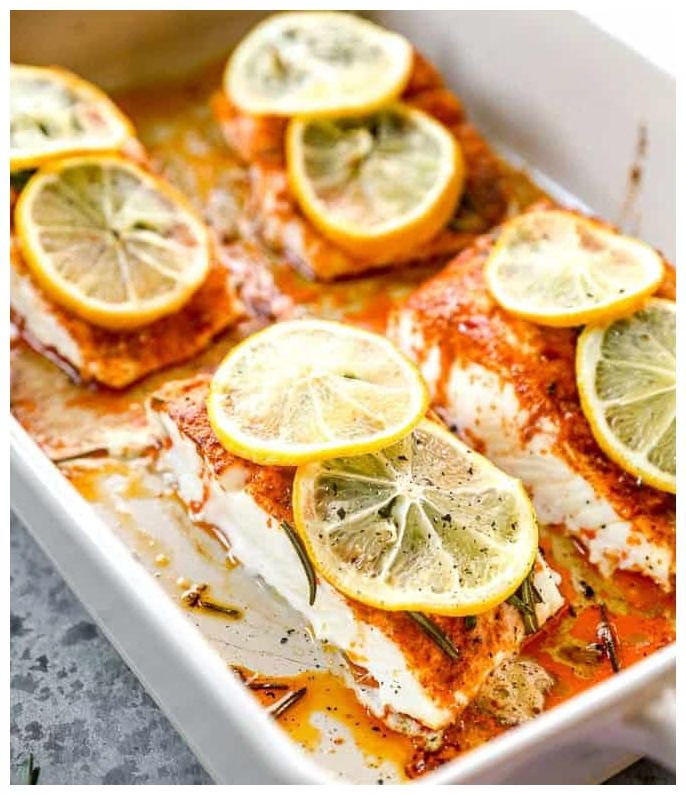
Baked Halibut With Lemon and Rosemary
Learn how to make perfect baked halibut with lemon in minutes! This easy recipe delivers restaurant-quality flavor. Try it today!
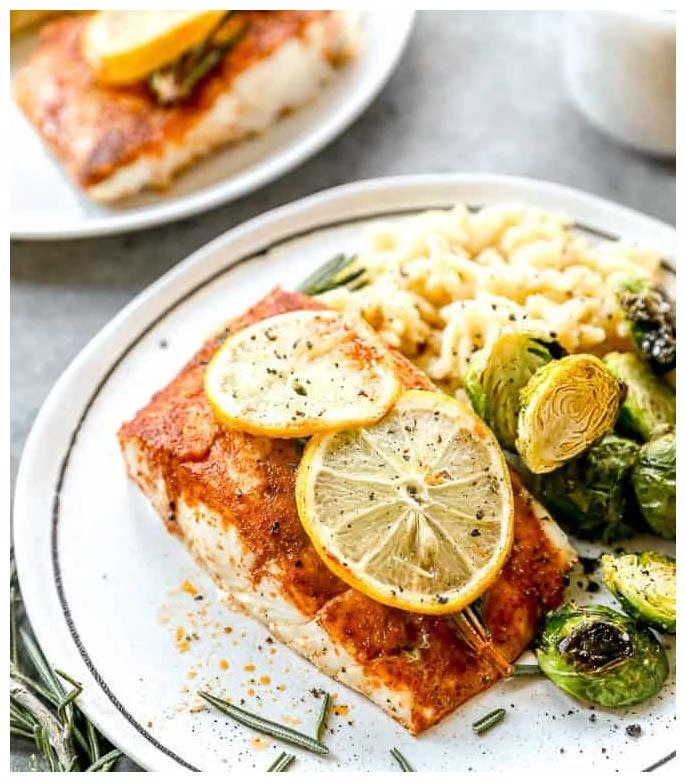
Easy 30-Minute Baked Halibut With Lemon – Perfect Recipe
Are you looking for a simple yet elegant way to prepare seafood that will impress your family and friends? Look no further than this delicious baked halibut with lemon recipe that delivers restaurant-quality results in the comfort of your own kitchen. This dish combines the delicate flavor of halibut with the bright, zesty notes of fresh lemon and aromatic rosemary to create a meal that’s both sophisticated and incredibly easy to prepare.
Whether you’re a seasoned home cook or just starting your culinary journey, this baked halibut with lemon recipe is designed to be foolproof. The secret lies in using high-quality ingredients and following a few simple techniques that ensure perfectly tender, flaky fish every time. In just 30 minutes, you can have a beautiful, healthy meal on the table that looks like it came from a gourmet restaurant.
What makes this baked halibut with lemon recipe special is its balance of flavors and textures. The halibut becomes tender and succulent, while the lemon provides a refreshing acidity that cuts through the richness of the fish. The rosemary adds an earthy, aromatic note that ties everything together beautifully. It’s the perfect dish for a special occasion or when you want to elevate a weeknight dinner.
Why Choose Baked Halibut With Lemon?
When it comes to preparing fish, baking is one of the healthiest and most forgiving methods. Unlike frying or grilling, baking allows the fish to cook gently and evenly, resulting in a moist, tender texture that won’t dry out. This baked halibut with lemon recipe is particularly well-suited for baking because halibut has a firm texture that holds up beautifully to gentle heat.
Lemon is the perfect companion to halibut for several reasons. First, its bright acidity helps to enhance the natural sweetness of the fish. Second, the vitamin C in lemon not only adds flavor but also helps to preserve the vibrant color of the halibut. Third, the aromatic oils in lemon zest infuse the fish with a fresh, citrusy fragrance that’s simply irresistible.
Rosemary completes this flavor trifecta with its distinctive, pine-like aroma. When combined with lemon, rosemary creates a classic Mediterranean flavor profile that’s both familiar and sophisticated. This herb also offers health benefits, including antioxidants and anti-inflammatory compounds that make this dish not just delicious, but nutritious as well.
The Health Benefits of This Baked Halibut With Lemon
Not only is this baked halibut with lemon recipe delicious, but it’s also packed with nutritional benefits. Halibut is an excellent source of high-quality protein, which is essential for muscle growth and repair. It’s also rich in omega-3 fatty acids, which are crucial for heart health, brain function, and reducing inflammation throughout the body.
Lemon adds a burst of vitamin C to this dish, supporting immune function and skin health. The citrus fruit also contains flavonoids and limonoids, compounds that have been shown to have antioxidant and anti-cancer properties. When you combine lemon with halibut, you’re creating a meal that’s not only tasty but also incredibly good for you.
Rosemary, while used more sparingly, still contributes valuable nutrients. This herb contains rosmarinic acid, which has been shown to have anti-inflammatory effects. It also contains compounds that may help improve memory and concentration. So every time you enjoy this baked halibut with lemon recipe, you’re not just satisfying your taste buds—you’re nourishing your body too.
Nutritional Highlights of Halibut
Halibut is often called the “steak of the sea” for its firm texture and mild flavor, but it’s also nutritional powerhouse. A 4-ounce serving of baked halibut provides approximately 30 grams of protein, making it an excellent choice for anyone looking to increase their protein intake. It’s also low in calories (around 140 calories per serving) and contains virtually no carbohydrates.
This fish is particularly rich in selenium, a mineral that plays a crucial role in thyroid function and antioxidant defense. Halibut also provides significant amounts of phosphorus, magnesium, and B vitamins, including B6 and B12. These nutrients work together to support energy production, nerve function, and overall metabolic health.
One of the standout features of halibut is its omega-3 fatty acid content. These essential fats are important for reducing inflammation, supporting brain health, and promoting cardiovascular wellness. Unlike many other fish, halibut has a relatively low mercury content, making it a safe and healthy choice for regular consumption.
Essential Ingredients for Perfect Baked Halibut With Lemon
The beauty of this baked halibut with lemon recipe lies in its simplicity. You don’t need a long list of exotic ingredients to create something extraordinary. In fact, the fewer ingredients you use, the more important it is to choose high-quality ones. Let’s break down what you’ll need and why each component is essential for success.
Fresh halibut is, of course, the star of the show. When selecting halibut, look for fillets that are firm to the touch, with a moist appearance and a fresh, clean smell. The flesh should be translucent and free from any discoloration or browning. Fresh halibut will have a mild, sweet aroma and should not smell fishy or unpleasant.
Lemons should be bright yellow and feel heavy for their size. Avoid lemons that are soft, have blemishes, or feel light. You’ll need both the zest and the juice for this recipe, so choose organic lemons if possible to avoid any pesticide residue on the zest. The zest contains aromatic oils that will infuse the halibut with incredible flavor.
Fresh rosemary is non-negotiable for this recipe. Dried rosemary simply doesn’t have the same aromatic intensity and can taste bitter when baked. Look for rosemary sprigs that are vibrant green, with flexible stems. The needles should be intact and not falling off. You’ll only need a few sprigs, but they make a huge difference in the final flavor.
Choosing the Best Olive Oil
The type of olive oil you use can significantly impact the flavor of your baked halibut with lemon. Extra virgin olive oil is the best choice because it has the most robust flavor and the highest nutrient content. Look for oil that is cold-pressed and has a fruity, peppery finish.
Avoid using low-quality olive oils or “light” olive oils, which have been heavily processed and lack the flavor compounds that make this dish so delicious. The olive oil serves not only as a cooking medium but also as a flavor enhancer, so quality matters.
When drizzling olive oil over the halibut, use a light hand. You want enough to coat the fish and help transfer the flavors of the lemon and rosemary, but not so much that the fish becomes greasy. A little goes a long way in enhancing the natural flavors of the ingredients.
Step-by-Step Instructions for Perfect Baked Halibut With Lemon
Now that we’ve covered the ingredients and their importance, let’s dive into the actual preparation. This baked halibut with lemon recipe is designed to be straightforward and foolproof, even for beginner cooks. Follow these steps carefully, and you’ll have a restaurant-quality dish ready in about 30 minutes.
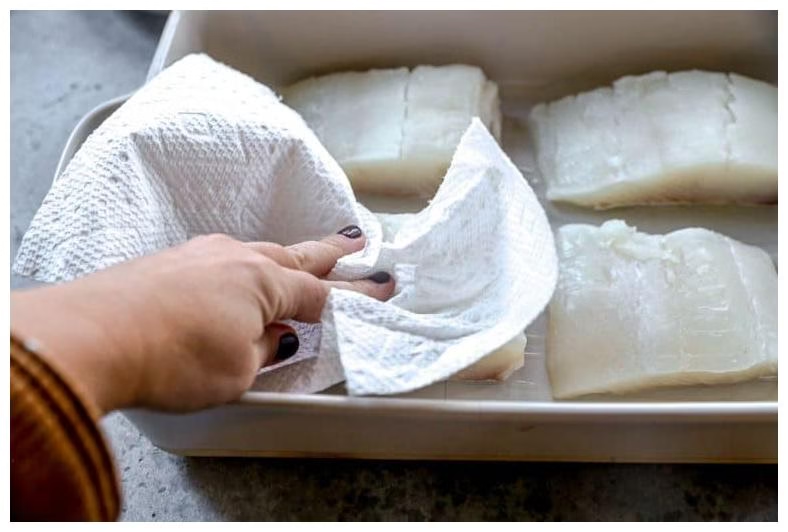
Start by preheating your oven to 400°F (200°C). While the oven is heating, prepare your halibut fillets. Pat them dry with paper towels—this is a crucial step that helps ensure the fish browns properly rather than steaming. Season both sides of the halibut generously with salt and freshly ground black pepper.
Next, prepare your lemon and rosemary. Using a zester or fine grater, zest one lemon directly over the halibut fillets. Be careful not to grate into the bitter white pith. Then, cut the same lemon in half and squeeze the juice over the fish. Finally, tuck a few fresh rosemary sprigs around and under the halibut fillets.
Drizzle the halibut lightly with extra virgin olive oil, making sure to coat the surface evenly. The oil will help carry the flavors of the lemon and rosemary into the fish as it bakes. Be careful not to overdo it—just enough to give the fish a nice sheen.
Baking Techniques for Tender, Flaky Halibut
Place the seasoned halibut on a baking sheet lined with parchment paper or foil for easy cleanup. The baking sheet should be at room temperature before adding the fish—placing cold fish on a hot baking sheet can cause uneven cooking. Make sure the fillets aren’t overcrowded; if you’re making multiple portions, use two baking sheets rather than crowding one.
Bake the halibut for 12-15 minutes, depending on the thickness of your fillets. The fish is done when it’s opaque and flakes easily with a fork. A good rule of thumb is to bake for 10 minutes per inch of thickness. Remember that halibut continues to cook slightly after it comes out of the oven, so it’s better to err on the side of undercooking rather than overcooking.
When you remove the halibut from the oven, let it rest for 2-3 minutes before serving. This allows the juices to redistribute throughout the fish, ensuring every bite is moist and flavorful. The resting period also gives the flavors of the lemon and rosemary a chance to meld and intensify.
Serving Suggestions for Your Baked Halibut With Lemon
This baked halibut with lemon recipe is delicious on its own, but it becomes even more special when paired with the right accompaniments. The bright, fresh flavors of the dish work beautifully with a variety of sides that complement rather than overwhelm the delicate halibut.
For a complete meal, consider serving the halibut with roasted vegetables like asparagus, cherry tomatoes, or broccoli. These vegetables roast beautifully alongside the fish and absorb some of the lemon and rosemary flavors. Toss them with a bit of olive oil, salt, and pepper before roasting at the same temperature as the halibut. You could also serve it with our chopped Italian salad for a fresh, crisp contrast.
A light, fluffy rice or quinoa also pairs wonderfully with this dish. The grains soak up the delicious lemon-herb juices from the halibut, creating a flavorful base that complements the fish perfectly. You can also serve the halibut with a simple cucumber salad dressed with a light vinaigrette to add some freshness and crunch.
For a more Mediterranean twist, consider serving the halibut with tzatziki sauce or a dollop of Greek yogurt mixed with fresh herbs. These creamy, tangy accompaniments balance the richness of the fish and add another layer of flavor to the meal.
Wine Pairing Recommendations
The bright, citrusy flavors of this baked halibut with lemon call for wines that can match and complement those characteristics. A crisp, acidic white wine works particularly well. Consider a Sauvignon Blanc from New Zealand or France, which has citrus notes and a zesty finish that enhances the lemon flavors in the dish. For the perfect wine selection, check out this premium wine selection guide.
If you prefer red wine, a light-bodied Pinot Noir can also work beautifully. Its earthy notes and bright acidity complement the halibut without overpowering it. Look for a cooler climate Pinot Noir for more acidity and less tannins.
For those who enjoy rosé, a dry Provence-style rosé is an excellent choice. Its strawberry and citrus notes and refreshing acidity make it a perfect match for the lemon and rosemary flavors in the halibut. The pink color also adds a beautiful visual complement to the dish.
Common Mistakes to Avoid When Making Baked Halibut With Lemon
Even though this baked halibut with lemon recipe is relatively simple, there are a few common mistakes that can prevent you from achieving perfect results. Being aware of these pitfalls will help you avoid them and ensure your halibut turns out tender, flavorful, and beautiful every time.
One of the most common mistakes is overcooking the halibut. Halibut cooks quickly and can become dry and tough if left in the oven too long. Always check for doneness a minute or two earlier than you think you need to. The fish is done when it’s opaque and flakes easily with a fork.
Another mistake is not patting the halibut dry before seasoning and baking. Moisture on the surface of the fish can prevent it from browning properly and can lead to steaming rather than baking. Take the extra minute to pat the fillets dry with paper towels—this simple step makes a big difference.
Using too many herbs and spices can also overwhelm the delicate flavor of halibut. While this recipe calls for lemon and rosemary, resist the urge to add additional seasonings that might compete with these flavors. The beauty of this dish lies in its simplicity and the purity of its ingredients.
Storage and Reheating Guidelines
If you have leftovers of your baked halibut with lemon, proper storage is key to maintaining its quality. Allow the fish to cool completely at room temperature before transferring it to an airtight container. Refrigerate within two hours of cooking and consume within 2-3 days for the best flavor and texture.
When reheating halibut, it’s important to do so gently to prevent it from drying out. The best method is to place the fish in a baking dish, cover it loosely with foil, and reheat in a 300°F (150°C) oven for 10-15 minutes. You can also microwave it on low power for shorter periods, checking frequently to avoid overcooking.
For the best results, consider repurposing leftover halibut in cold dishes like salads or sandwiches. The flavors actually meld and develop further when the fish is chilled, making it even more delicious the next day. Try flaking the halibut and mixing it with mayonnaise, lemon juice, and fresh herbs for a delicious fish salad.
Advanced Variations of Baked Halibut With Lemon
Once you’ve mastered the basic baked halibut with lemon recipe, you can start experimenting with variations to create new and exciting flavor profiles. These modifications allow you to customize the dish to your taste preferences and create different versions for various occasions.
One delicious variation is to add capers to the dish. The briny, salty flavor of capers pairs beautifully with lemon and halibut. Simply sprinkle a tablespoon or two of drained capers over the fish before baking. They will become slightly crispy and add a wonderful textural contrast to the tender halibut.
For a Mediterranean twist, consider adding sun-dried tomatoes and Kalamata olives to your baked halibut with lemon. Chop the tomatoes and olives and scatter them around the fish before baking. These additions bring rich, savory flavors that complement the bright lemon and aromatic rosemary perfectly.
If you enjoy a bit of heat, try adding red pepper flakes or a dash of hot sauce to the lemon juice before drizzling it over the halibut. The spicy kick provides a nice contrast to the rich fish and fresh herbs. Start with a small amount and adjust to your preferred level of heat. You might also enjoy experimenting with our shrimp scampi recipe for a different seafood preparation method.
Seasonal Adaptations
This baked halibut with lemon recipe is wonderfully adaptable to different seasons. In the spring, try adding asparagus tips to the baking sheet—they’ll roast alongside the halibut and absorb the delicious flavors. In the summer, cherry tomatoes and zucchini make excellent additions, creating a complete one-pan meal.
For fall and winter variations, consider adding root vegetables like parsnips or carrots, cut into thin coins. These vegetables become tender and sweet when roasted and pair beautifully with the halibut. You can also experiment with different herbs like thyme or sage for seasonal flavor variations.
Holiday adaptations can make this dish perfect for festive occasions. Add a sprinkle of fresh parsley for color and serve with cranberry sauce or orange segments for a touch of sweetness. The combination of savory halibut with bright, fruity accents creates a sophisticated holiday main course. If you’re looking for more seafood inspiration, check out our baked salmon recipe for another healthy fish option.
Conclusion: Why This Baked Halibut With Lemon Recipe Belongs in Your Kitchen
As we’ve explored throughout this article, this baked halibut with lemon recipe offers the perfect combination of simplicity, elegance, and flavor. It’s a dish that delivers impressive results without requiring complicated techniques or hard-to-find ingredients. The bright citrus notes of lemon combined with the aromatic rosemary create a flavor profile that’s both familiar and sophisticated.
What makes this recipe truly special is its versatility. It works beautifully for a weeknight dinner when you want something healthy and satisfying without spending hours in the kitchen. It’s also elegant enough for special occasions and dinner parties, where you want to impress guests with minimal effort. The fact that it’s ready in just 30 minutes makes it perfect for busy lifestyles.
Beyond its delicious taste and impressive presentation, this baked halibut with lemon recipe offers significant health benefits. The omega-3 fatty acids in halibut support heart and brain health, while the vitamin C in lemon boosts immunity. When you prepare this dish, you’re not just creating something tasty—you’re nourishing your body with nutrient-dense ingredients.
We hope this comprehensive guide has inspired you to try making this baked halibut with lemon recipe in your own kitchen. Whether you’re cooking for yourself, your family, or guests, you’re sure to love the results. The combination of tender halibut, bright lemon, and aromatic rosemary creates a dining experience that’s both satisfying and memorable.
Remember that cooking is an adventure, and recipes are just guidelines. Feel free to experiment with different herbs, vegetables, and seasonings to make this dish your own. The most important ingredient is always love and care in preparing the meal. Enjoy the process and savor every delicious bite of your homemade baked halibut with lemon!
What are you waiting for? Head to the kitchen and start creating this amazing dish today. Once you taste how simple it is to make restaurant-quality baked halibut with lemon at home, you’ll wonder why you ever bothered ordering it out. Happy cooking! For the perfect kitchen equipment to make this recipe shine, check out our professional baking tools selection.
- Use Room Temperature Fish: Bring halibut to room temperature before baking for even cooking. Cold fish from the fridge will cook unevenly and may result in a dry exterior.
- Don’t Overseason: Halibut has a delicate flavor that can be easily overwhelmed. Use salt and pepper sparingly and let the lemon and rosemary shine through.
- Preheat Your Pan: Place your baking sheet in the oven while it preheats. A hot surface helps create a beautiful sear on the halibut and prevents steaming.
- Check for Doneness Early: Halibut cooks quickly and can become dry. Start checking for doneness 2-3 minutes before the recommended cooking time.
- Use Fresh Herbs: Fresh rosemary makes a significant difference in flavor compared to dried herbs. The aromatic oils are essential for the authentic taste.
- Reserve Lemon Zest: Zest the lemon just before using to preserve the aromatic oils. Fresh zest has much more flavor than pre-packaged lemon zest.
- Pat Fish Dry: Always pat halibut fillets dry with paper towels before seasoning. This ensures proper browning and prevents the fish from steaming.
- Let It Rest: Allow baked halibut to rest for 2-3 minutes before serving. This lets the juices redistribute and ensures moist, flavorful results.
- Use High-Quality Oil: Extra virgin olive oil enhances the flavor of the dish. Choose a good quality oil with fruity notes for the best results.
- Don’t Crowd the Pan: Give halibut fillets space on the baking sheet. Overcrowding causes steaming instead of baking and affects the texture.
- Experiment with Citrus: Try using orange or lime instead of lemon for different flavor variations. Each citrus brings its own unique character to the dish.
- Add Garlic Carefully: If using garlic, add it sliced rather than minced to prevent burning. Burnt garlic will make the entire dish bitter. For more seafood cooking tips, check out our baked crab cakes guide.