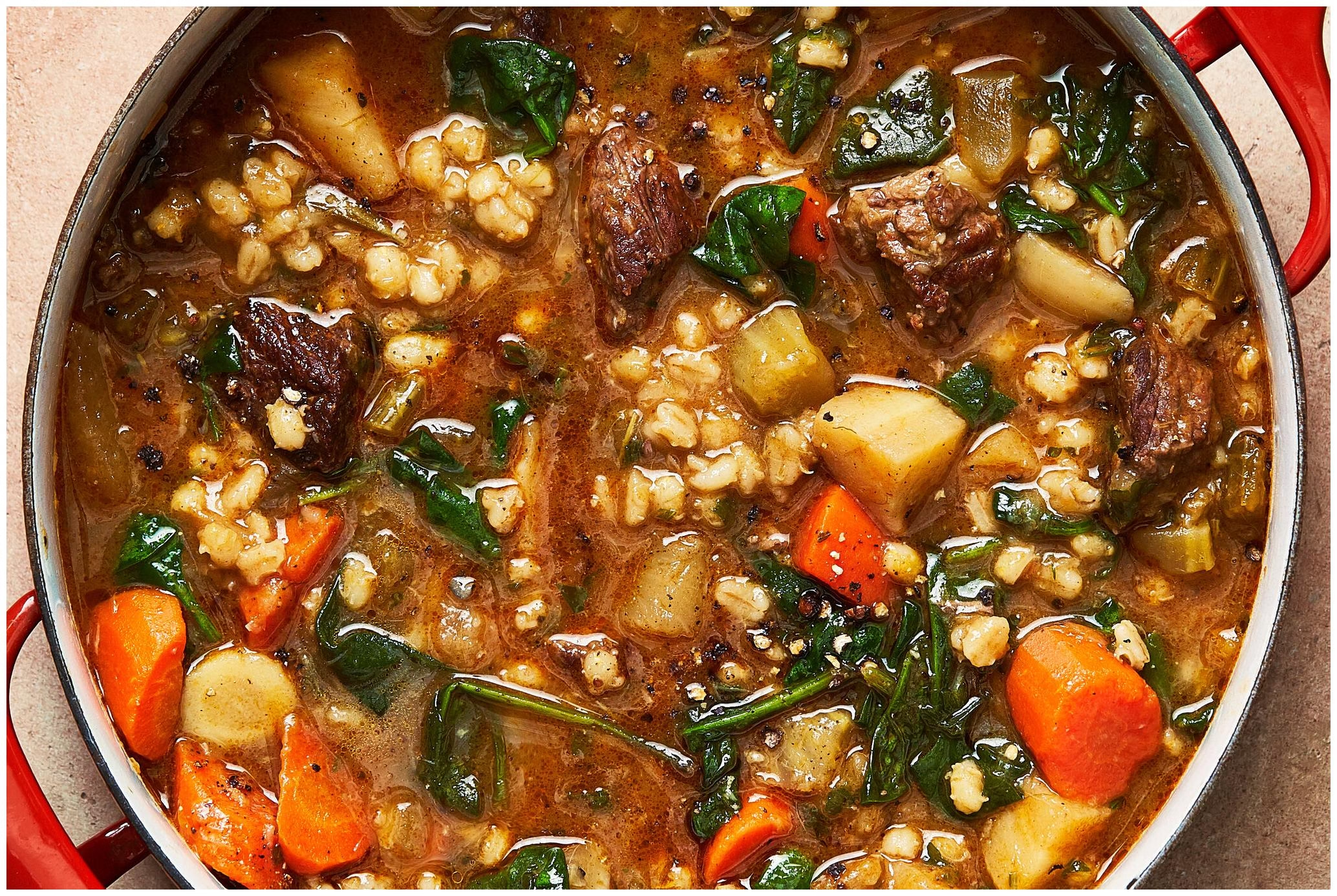
15 Cozy Beef Stew Recipes Our Readers Love
Discover the ultimate collection of beef stew recipes that are easy to make, rich in flavor, and perfect for cozy meals. Try these comforting dishes tonight!
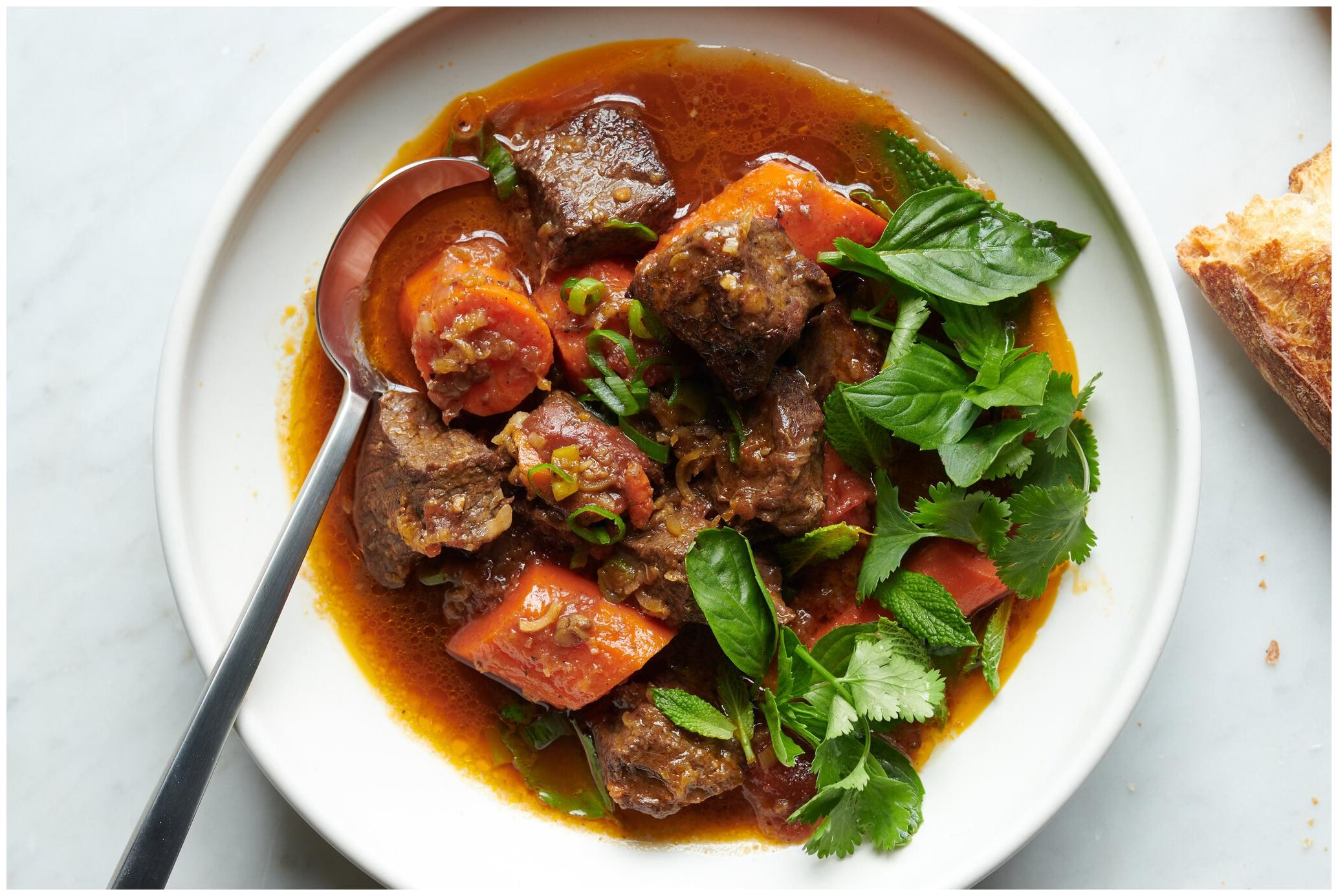
There’s nothing quite like a steaming bowl of beef stew to chase away the chill of a cold evening. In this roundup we’ve gathered the most beloved beef stew recipes that combine tender meat, vibrant vegetables, and rich broth into a single, unforgettable dish. Try our beef pot pie recipe for another comforting classic.
Before you dive in, gather the essential tools and ingredients that make the cooking process smooth and the results delicious.
- Heavy‑bottomed pot or Dutch oven: Ensures even heat distribution for a perfect simmer.
- Sharp chef’s knife: Helps you dice vegetables uniformly for even cooking.
- Wooden spoon: Ideal for stirring without scratching the pot.
- Measuring cups and spoons: Accuracy matters when balancing broth, herbs, and seasonings.
For alternative cuts, see our beef brisket guide.
Ingredients for Beef Stew Recipes
While each recipe has its own twist, most beef stew recipes share a core set of components that build depth of flavor.
- 2 pounds of chuck roast, cut into 1‑inch cubes
- 3 tablespoons all‑purpose flour
- 2 tablespoons olive oil
- 1 large onion, diced
- 3 cloves garlic, minced
- 4 carrots, sliced
- 3 celery stalks, sliced
- 3 potatoes, cubed
- 4 cups beef broth
- 1 cup red wine (optional)
- 2 bay leaves
- 1 teaspoon dried thyme
- Salt and pepper to taste
How to Make Beef Stew Recipes Step by Step
Follow these straightforward steps to transform raw ingredients into a melt‑in‑your‑mouth stew that will have everyone asking for seconds.
Step 1: Prepare the Beef
Pat the beef cubes dry with paper towels, then toss them in flour seasoned with salt and pepper. This coating creates a golden crust and helps thicken the broth later.
Step 2: Brown the Meat
Heat olive oil in your Dutch oven over medium‑high heat. Add the beef in batches, browning each side until deep caramelized, about 3‑4 minutes per batch. Transfer browned pieces to a plate and set aside.
Step 3: Sauté Aromatics
In the same pot, add the diced onion and sauté until translucent, about 5 minutes. Stir in the garlic and cook for another 30 seconds until fragrant.
Step 4: Deglaze the Pot
Pour in the red wine, scraping up the browned bits from the bottom. Let the wine reduce by half, which takes roughly 2 minutes, then return the beef to the pot. Learn more about the deglazing technique guide.
Step 5: Add Vegetables and Herbs
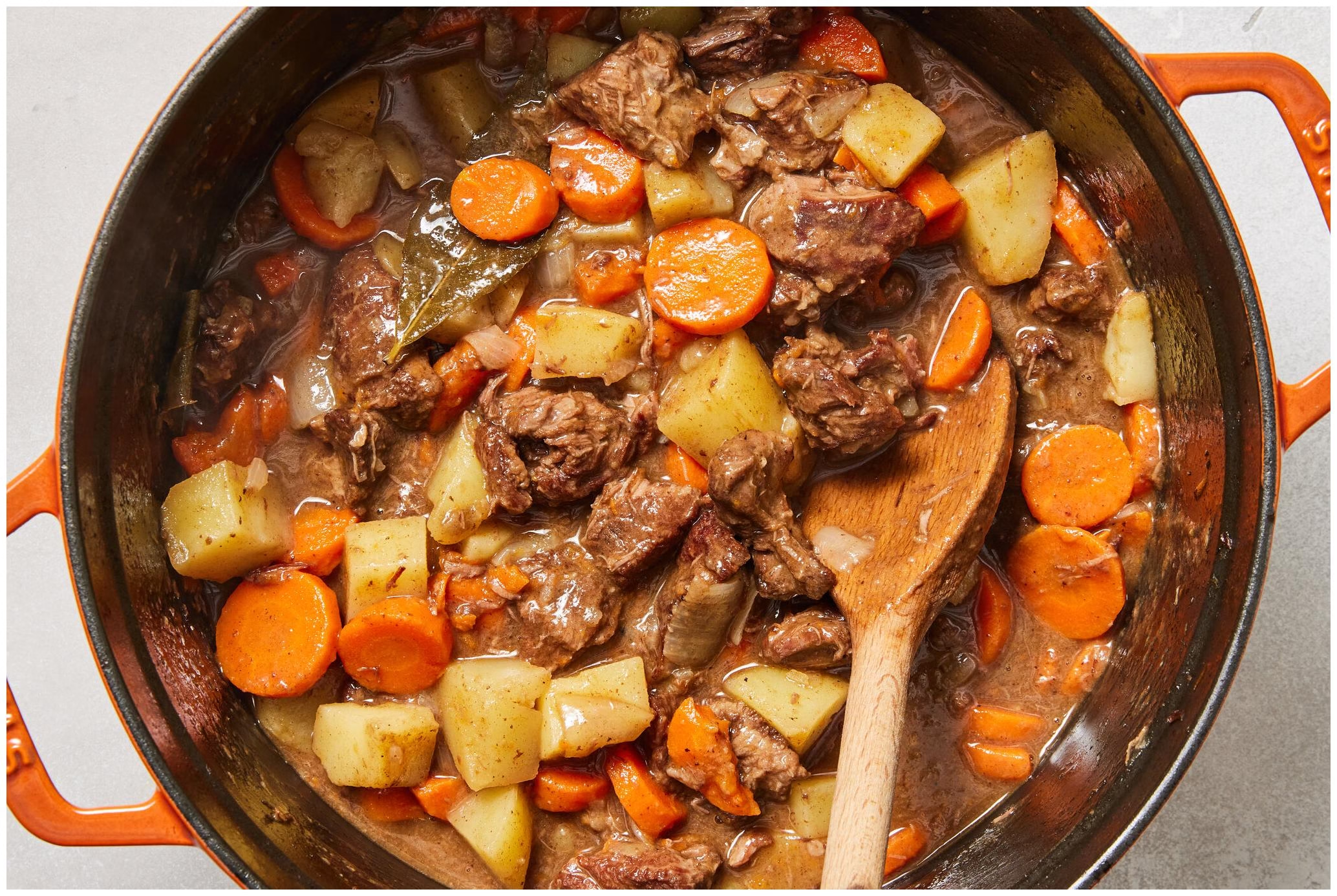
Drop in carrots, celery, potatoes, bay leaves, and thyme. Stir everything together so the vegetables coat with the flavorful base.
Step 6: Pour in Broth and Simmer
Add the beef broth, enough to just cover the ingredients. Bring to a gentle boil, then lower the heat, cover, and let it simmer for 1½‑2 hours, or until the beef is tender.
Step 7: Adjust Seasoning
Remove the bay leaves, taste the stew, and adjust salt and pepper as needed. If you prefer a thicker sauce, stir in a slurry of flour and water and cook for an additional 5 minutes.
Expert Tips for Perfect Beef Stew Recipes
These insider pointers will help you elevate your stew from good to extraordinary, ensuring every spoonful is rich and balanced.
Always follow food safety guidelines when storing leftovers.
- Brown the meat thoroughly: A deep sear creates caramelized flavors that form the backbone of a great stew. Don’t rush this step and work in batches to avoid steaming.
- Use low and slow cooking: Simmering at a low temperature allows collagen in the beef to break down into gelatin, giving the broth a silky texture.
- Add acidity at the end: A splash of balsamic vinegar or a squeeze of lemon juice brightens the flavor just before serving, preventing the stew from tasting flat.
- Incorporate umami boosters: A tablespoon of tomato paste or a dash of Worcestershire sauce adds depth without overpowering the dish.
- Rest before serving: Allowing the stew to sit for 15‑20 minutes after cooking lets the flavors meld, resulting in a more cohesive taste.
- Freeze in portions: Cool the stew completely, then store in airtight containers. It freezes beautifully for up to three months, making future meals effortless.
- Thicken with potatoes: Some chefs add extra diced potatoes near the end of cooking; they release starch and naturally thicken the broth.
- Garnish with fresh herbs: Chopped parsley or a drizzle of sour cream adds a fresh contrast that lifts the hearty stew.
Another popular variation is the beef stroganoff recipe which uses similar techniques.
Serving Suggestions for Beef Stew Recipes
Pair your stew with complementary sides to create a balanced, satisfying meal.
Crusty sour‑dough bread or buttery dinner rolls are perfect for sopping up the luscious broth.
A simple green salad with a light vinaigrette adds a refreshing contrast to the rich stew. Classic Caesar salad makes a great side.
For a heartier plate, serve over buttery mashed potatoes or buttered egg noodles, which soak up the sauce beautifully.
Storing Your Beef Stew Recipes
Proper storage ensures that your leftovers retain flavor and texture for several days.
Cool the stew to room temperature, then transfer it to airtight containers. It will keep in the refrigerator for 3‑4 days.
When reheating, gently warm the stew on the stovetop over low heat, adding a splash of broth if it has thickened too much.
For longer preservation, portion the stew into freezer‑safe bags, leaving headspace for expansion, and freeze for up to three months.
Variations and Substitutions in Beef Stew Recipes
Experimenting with variations lets you tailor the stew to dietary preferences or seasonal ingredients.
- Swap traditional carrots for parsnips or add turnips for an earthy twist.
- For a low‑carb version, replace potatoes with cauliflower florets and increase the proportion of leafy greens.
- A gluten‑free adaptation uses cornstarch instead of flour for coating the beef and thickening the broth.
For a hearty twist, you can also add chicken alfredo bake.
This vegetarian‑friendly take replaces meat with hearty mushrooms and adds extra root vegetables, delivering a robust flavor without sacrificing protein.
Use a mix of cremini, shiitake, and portobello mushrooms, sautéed until browned, then follow the same steps as the meat version, substituting vegetable broth for beef broth.
For a creamy pasta twist, try our chicken alfredo bake.
Nutritional Benefits of Beef Stew Recipes
Beef stew recipes provide a balanced mix of protein, iron, and essential vitamins from vegetables. beef nutrition information shows the health benefits of this hearty dish.
The slow‑cooking process enhances the bioavailability of nutrients, making them easier for the body to absorb.
By incorporating a variety of colorful vegetables, you increase fiber intake, supporting digestive health and promoting satiety.
Common Questions About Beef Stew Recipes
Below are answers to the most frequently asked questions, helping you troubleshoot and perfect your cooking.
How do I make beef stew recipes extra tender?
Can I use chicken broth instead of beef broth in beef stew recipes?
How long does beef stew last in the fridge?
Why is my beef stew watery?
Can I freeze beef stew recipes?
What side dishes pair well with beef stew recipes?
Tips Section
- Use Room Temperature Ingredients: Bring cream and butter to room temperature before cooking for smoother sauce and better emulsification. Cold ingredients can cause separation.
- Don’t Overcook the Pasta: Cook pasta 1‑2 minutes under package directions for perfect al dente texture. It continues cooking when tossed with hot sauce.
- Reserve Pasta Water: Save at least 1 cup of starchy pasta water before draining. Use it to adjust sauce consistency and help it cling to noodles.
- Season in Layers: Add a pinch of salt at each cooking stage to build depth of flavor rather than dumping it all at once.
- Use Fresh Herbs: Chopped parsley or thyme added at the end brightens the dish and adds a fresh aroma that dried herbs can’t match.
- Control Heat: Keep the simmer gentle; a rolling boil can toughen meat and cause sauces to break.
- Prep Ahead: Chop vegetables and measure spices before you start cooking to streamline the process and avoid burning.
- Storage Tips: Store leftovers in airtight containers and reheat slowly to maintain texture and flavor.
- Flavor Boosters: A splash of red wine or a dash of soy sauce can add umami depth without overpowering the dish.
FAQ Section
How do I make beef stew recipes extra tender?
Can I use chicken broth instead of beef broth in beef stew recipes?
How long does beef stew last in the fridge?
Why is my beef stew watery?
Can I freeze beef stew recipes?
What side dishes pair well with beef stew recipes?
Tips Section
- Use Room Temperature Ingredients: Bring cream and butter to room temperature before cooking for smoother sauce and better emulsification. Cold ingredients can cause separation.
- Don’t Overcook the Pasta: Cook pasta 1‑2 minutes under package directions for perfect al dente texture. It continues cooking when tossed with hot sauce.
- Reserve Pasta Water: Save at least 1 cup of starchy pasta water before draining. Use it to adjust sauce consistency and help it cling to noodles.
- Season in Layers: Add a pinch of salt at each cooking stage to build depth of flavor rather than dumping it all at once.
- Use Fresh Herbs: Chopped parsley or thyme added at the end brightens the dish and adds a fresh aroma that dried herbs can’t match.
- Control Heat: Keep the simmer gentle; a rolling boil can toughen meat and cause sauces to break.
- Prep Ahead: Chop vegetables and measure spices before you start cooking to streamline the process and avoid burning.
- Storage Tips: Store leftovers in airtight containers and reheat slowly to maintain texture and flavor.
- Flavor Boosters: A splash of red wine or a dash of soy sauce can add umami depth without overpowering the dish.