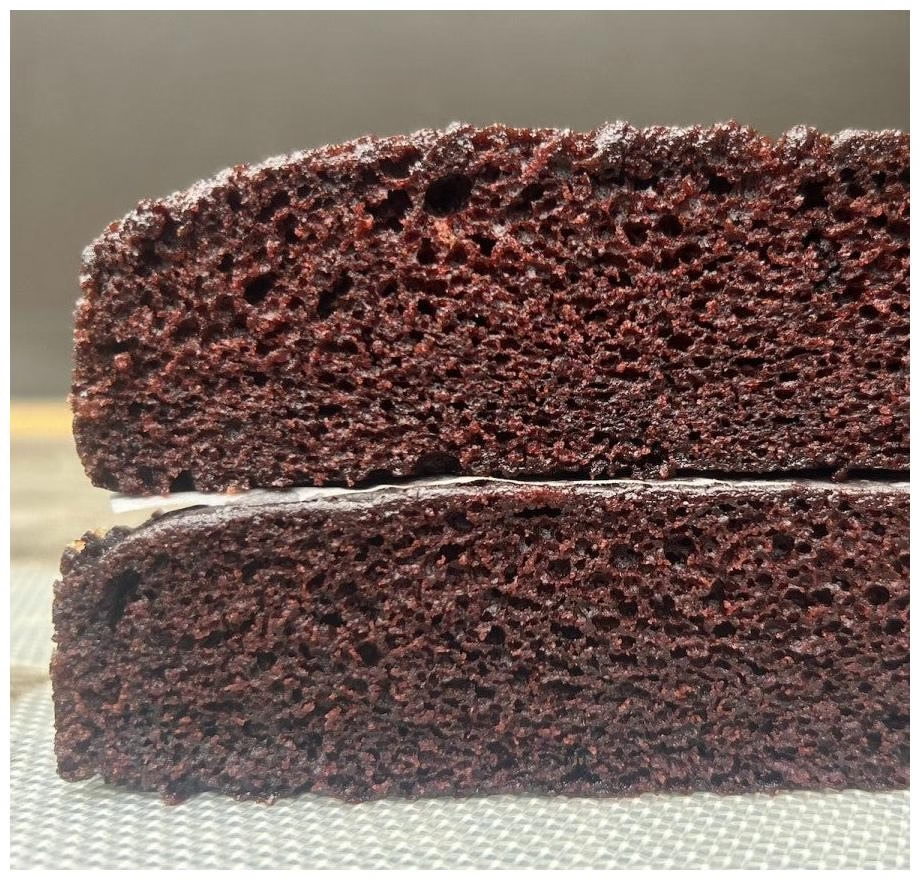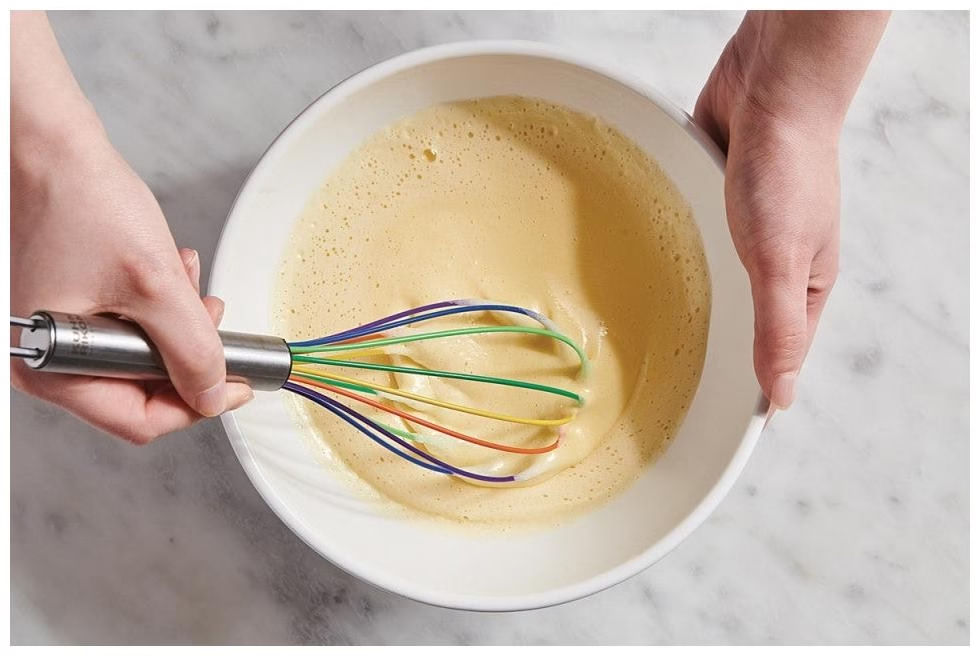
Baking trials: How long can I wait to bake my cake batter? : The answer may surprise you.
Discover the ideal cake batter resting time for perfect results. Learn how long you can wait to bake your cake batter without compromising texture or flavor.
Have you ever wondered how long you can wait to bake your cake batter? The answer might surprise you! Resting cake batter can significantly impact the texture and flavor of your cake. Whether you’re a seasoned baker or a beginner, understanding the best practices for cake batter resting time is essential for achieving perfect results every time.
In this article, we’ll explore the science behind resting cake batter, the ideal waiting period, and how it affects your final product. You’ll also find practical tips and answers to common questions about cake batter preparation.
Why Resting Cake Batter Matters
Resting cake batter allows the ingredients to fully hydrate and the gluten to relax, resulting in a more tender and moist cake. It also gives the leavening agents time to activate, ensuring a better rise. Understanding the importance of resting time can help you achieve bakery-quality cakes at home. For more insights on baking techniques, check out this guide on baking basics.
How Long Can You Rest Cake Batter?
The ideal resting time for cake batter depends on the type of cake and the ingredients used. Generally, most cake batters can rest for up to 24 hours in the refrigerator. However, some batters, like those with baking powder, should be baked within a few hours to ensure optimal rise and texture.
Short-Term Resting (1-2 Hours)
For most cakes, a short rest of 1-2 hours at room temperature is sufficient. This allows the ingredients to meld together and the gluten to relax, resulting in a softer crumb. It’s a great option if you’re preparing the batter ahead of time but plan to bake it soon. For example, our vanilla cake recipe benefits from this resting period.
Long-Term Resting (Up to 24 Hours)
Some cake batters, especially those made with stable emulsions like pound cakes or butter cakes, can be refrigerated for up to 24 hours. This extended resting period can enhance the flavor and texture, making the cake even more delicious. However, it’s important to store the batter properly to prevent spoilage. For more details on food storage, visit the FDA’s guide on safe food handling.
Best Practices for Resting Cake Batter
To get the most out of your cake batter resting time, follow these best practices:
Use an Airtight Container
Store your cake batter in an airtight container to prevent it from drying out or absorbing odors from the refrigerator. This is especially important for batters that will be resting for longer periods.
Refrigerate for Extended Resting
If you plan to rest your cake batter for more than a few hours, refrigerate it to slow down the fermentation process and prevent overproofing. This is crucial for batters containing baking powder or baking soda.
Bring to Room Temperature Before Baking
Before baking, allow the batter to come to room temperature. This ensures even baking and a consistent texture. Cold batter can result in a dense or unevenly baked cake. For more tips on baking, check out this guide on common baking mistakes.
Common Mistakes to Avoid
Avoid these common mistakes when resting your cake batter:
Over-Resting
Resting cake batter for too long can cause the leavening agents to lose their effectiveness, resulting in a flat or dense cake. Stick to the recommended resting times for the best results.
Improper Storage
Storing cake batter in an open container or at room temperature for extended periods can lead to spoilage or drying out. Always use an airtight container and refrigerate if necessary.
Tips for Perfect Cake Batter
Here are some additional tips to ensure your cake batter is perfect every time:
Measure Ingredients Accurately
Use a kitchen scale to measure your ingredients accurately. This ensures consistency and helps achieve the desired texture and flavor. For more information on measuring ingredients, check out this guide on measuring ingredients.
Mix Just Until Combined
Overmixing cake batter can lead to a tough or dense cake. Mix the ingredients just until they are combined to avoid overdeveloping the gluten.
Use Fresh Ingredients
Fresh ingredients, especially leavening agents like baking powder and baking soda, are crucial for a successful cake. Check the expiration dates and replace any outdated ingredients. For more information on the shelf life of baking ingredients, visit the USDA’s nutritional database.
FAQ About Cake Batter Resting Time
Here are some frequently asked questions about resting cake batter:
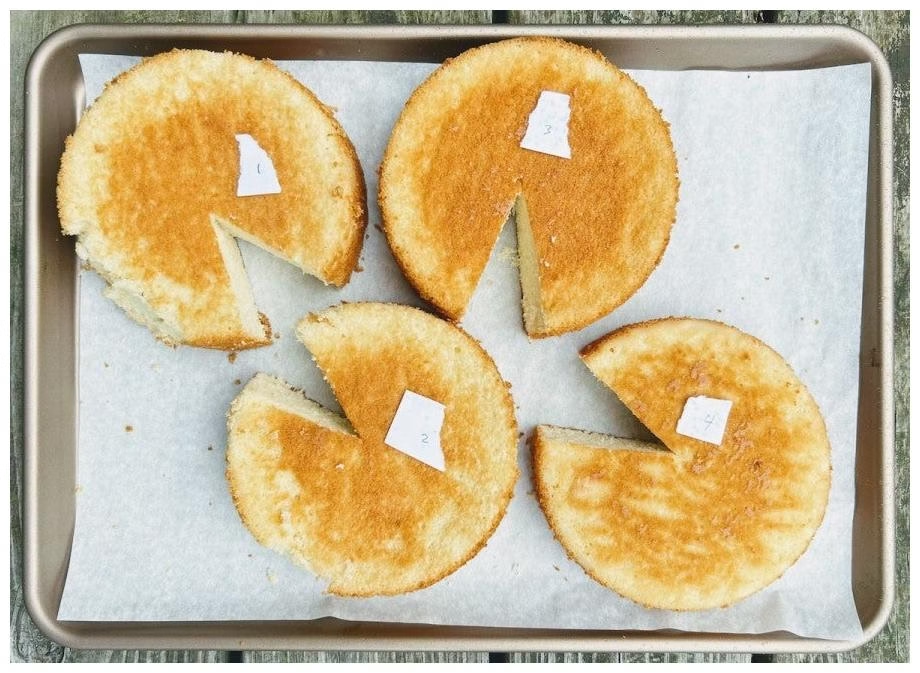
- Use Room Temperature Ingredients: Ensure all your ingredients, especially eggs and butter, are at room temperature before mixing. This helps create a smooth and well-emulsified batter.
- Don’t Overmix: Overmixing can lead to a tough cake. Mix the batter just until the ingredients are combined to avoid developing too much gluten.
- Check Leavening Agents: Make sure your baking powder and baking soda are fresh. Old or expired leavening agents can result in a flat cake.
- Use the Right Pan: Choose the correct size and type of pan for your cake. Using the wrong pan can affect the baking time and the final texture of the cake.
- Preheat Your Oven: Always preheat your oven to the correct temperature before baking. This ensures even baking and a consistent rise.
- Avoid Opening the Oven: Resist the urge to open the oven door while the cake is baking. This can cause the cake to sink or bake unevenly.
- Test for Doneness: Use a toothpick or cake tester to check if the cake is done. Insert it into the center of the cake; if it comes out clean, the cake is ready.
- Cool Properly: Allow the cake to cool in the pan for a few minutes before transferring it to a wire rack. This helps prevent the cake from breaking or sticking to the pan.