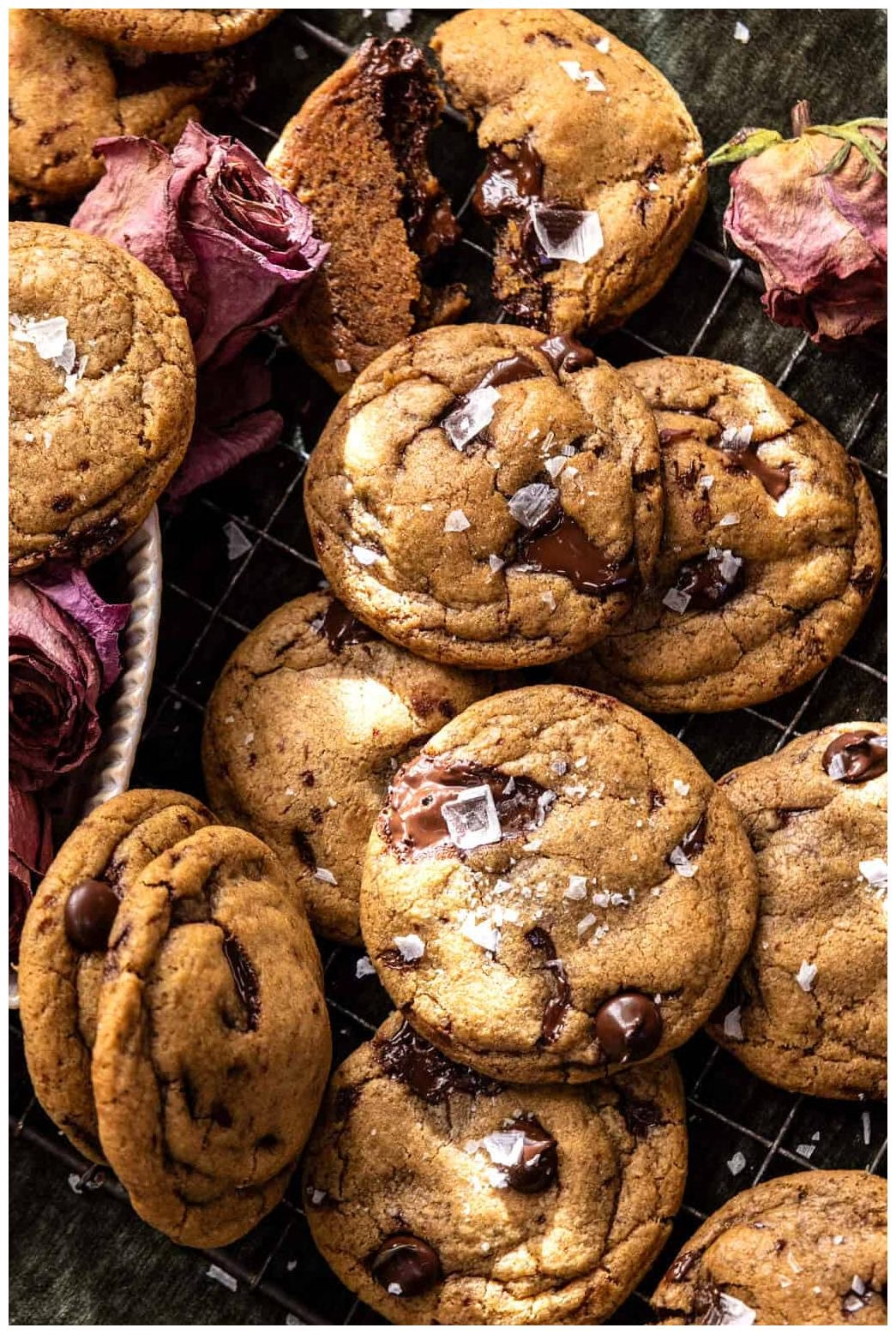
Really Good Chewy Chocolate Chip Cookies.
Discover the ultimate chewy chocolate chip cookies recipe with step‑by‑step instructions, pro tips, and storage hacks to bake bakery‑level treats at home today.

Chewy chocolate chip cookies are the ultimate indulgence for anyone who craves a soft, buttery bite with just the right amount of chew. In this guide we’ll explore every secret behind creating the perfect chewy chocolate chip cookies, from ingredient selection to baking techniques that guarantee consistent results every time.
Whether you’re a seasoned baker or a kitchen newcomer, mastering chewy chocolate chip cookies is easier than you think. Follow our detailed instructions, handy tips, and storage tricks to enjoy fresh‑baked cookies whenever the craving hits.
Chewy Chocolate Chip Cookies – Overview
There’s a reason chewy chocolate chip cookies dominate bakery displays and home kitchens alike. Their perfect balance of a slightly crisp edge with a soft, melt‑in‑your‑mouth center creates an irresistible texture that keeps people reaching for more.
What Makes Chewy Chocolate Chip Cookies Special
Achieving that ideal chew involves a few key techniques: using brown butter, adding a touch of cornstarch, and letting the dough rest. Each of these steps contributes to the cookie’s signature elasticity and rich flavor profile.
Choosing Ingredients for Chewy Chocolate Chip Cookies
Start with high‑quality unsalted butter, a mix of brown and white sugars, and plenty of chocolate chips. The type of flour, the size of your eggs, and even the brand of vanilla extract can affect the final texture, so choose wisely. For precise measurements, refer to the proper flour measurement technique.
Ingredients for Chewy Chocolate Chip Cookies
Gather the following items before you begin:
- 2 ¼ cups all‑purpose flour
- ½ teaspoon baking soda
- ¼ teaspoon cornstarch
- ½ teaspoon fine sea salt
- 1 cup unsalted butter, melted and cooled
- ¾ cup packed light brown sugar
- ¼ cup granulated sugar
- 1 large egg
- 2 teaspoons pure vanilla extract
- 2 cups semi‑sweet chocolate chips
- Optional: ½ cup chopped walnuts or pecans
Equipment Needed for Chewy Chocolate Chip Cookies
You’ll need a sturdy mixing bowl, a whisk or electric mixer, a spatula, a baking sheet, parchment paper, and a cookie scoop for uniform portions. A cooling rack helps preserve the chewy interior once the cookies are out of the oven.
How to Make Chewy Chocolate Chip Cookies – Step by Step
Follow these numbered steps to craft perfect cookies every time.
Step 1: Combine Dry Ingredients
In a medium bowl whisk together flour, baking soda, cornstarch, and salt until the mixture is uniform. This ensures even distribution of leavening agents and prevents clumps that could affect texture.
Step 2: Melt Butter and Mix Sugars
Heat the butter until it just begins to brown, then remove from heat. Stir in both brown and white sugars until the mixture is smooth and glossy, allowing the sugars to fully dissolve.
Step 3: Add Egg and Vanilla
Beat the egg with vanilla extract, then pour it into the butter‑sugar mixture. Mix until fully incorporated, creating a glossy dough base that signals a well‑emulsified batter.
Step 4: Merge Wet and Dry Components
Gradually add the flour mixture to the wet ingredients, stirring just until no streaks remain. Over‑mixing can develop gluten, which would make the cookies tough instead of chewy.
Step 5: Fold in Chocolate Chips (and Nuts)
Using a spatula, fold in the chocolate chips and any optional nuts. Feel free to add a handful of chopped nuts for extra crunch, similar to what you might find in a Nutella chocolate cake.
Step 6: Chill the Dough
Cover the bowl with plastic wrap and refrigerate for at least 30 minutes. Chilling firms the dough, allowing the flour to hydrate fully and enhancing the chewy texture while preventing spreading.
Step 7: Portion and Bake
Preheat the oven to 375°F (190°C). Scoop rounded tablespoons of dough onto a parchment‑lined baking sheet, spacing them about 2 inches apart. Bake for 10‑12 minutes, until the edges turn golden but the centers still look soft.
Step 8: Cool Properly
Allow cookies to rest on the baking sheet for 2 minutes before transferring to a wire rack. This brief rest helps them set while preserving their chewy interior.
Understanding Chewiness: The Science Behind the Texture
Chewiness results from a delicate balance of sugar types, fat content, and gluten development. Brown sugar adds moisture, while cornstarch interferes with gluten formation, creating a tender yet resilient crumb that stays soft after cooling. For deeper insight, explore the baking science behind chewiness.
Common Mistakes to Avoid When Baking Chewy Chocolate Chip Cookies
Skipping the chill step is a frequent error that leads to flat, crisp cookies rather than chewy ones. Over‑baking by even a minute can dry out the interior, so watch the edges closely. Using all‑purpose flour without measuring correctly can also alter the ratio and compromise texture. Follow proper food safety guidelines for storage and handling. For extra peace of mind, check our storage safety tips.
Tips for Perfect Chewy Chocolate Chip Cookies
These quick insights will help you fine‑tune your technique without overwhelming your schedule.
Serving Suggestions for Chewy Chocolate Chip Cookies
These cookies shine when paired with a cold glass of milk, a scoop of vanilla ice cream, or even a dollop of whipped cream. For a festive twist, serve alongside a slice of our funfetti cake recipe or a piece of red velvet cake, and consider a side of s’mores cake recipe for extra celebration.
Storage and Reheating of Chewy Chocolate Chip Cookies
Keep baked cookies in an airtight container at room temperature for up to a week. For longer storage, layer them with parchment paper and freeze; they’ll retain their chewiness for up to three months. Reheat briefly in the microwave to enjoy that just‑baked softness.
Variations and Substitutions for Chewy Chocolate Chip Cookies
Feel free to experiment with flavors and textures while keeping the base technique intact.
Gluten‑Free Chewy Chocolate Chip Cookies
Swap the all‑purpose flour for a 1:1 gluten‑free blend and add an extra tablespoon of cornstarch to maintain the chewy structure. The result is just as satisfying without the wheat.
Nutritional Information of Chewy Chocolate Chip Cookies
A typical serving provides roughly 210 calories, 9 grams of fat, 24 grams of carbohydrates, and 2 grams of protein. Using whole‑wheat flour or reducing sugar can adjust the nutritional profile to suit different dietary goals.
Common Questions About Chewy Chocolate Chip Cookies
Here are answers to some of the most common queries.

- Measure Flour Correctly: Spoon flour into the measuring cup and level it off; avoid packing it down, which can lead to too much flour and a dense dough.
- Prep Ingredients Ahead: Chop nuts, measure chocolate chips, and melt butter in advance to streamline the mixing process and reduce errors.
- Use a Light Coat of Oil on the Scoop: Lightly greasing the cookie scoop prevents dough from sticking, ensuring uniform portions and consistent baking.
- Rotate the Baking Sheet: Halfway through baking, rotate the sheet to promote even browning, especially in ovens with hot spots.
- Cool on a Wire Rack: Transfer cookies to a wire rack after a brief rest; this prevents steam from softening the bottoms and preserves chewiness.
- Store with a Slice of Bread: Placing a slice of fresh bread in the container helps maintain moisture, keeping cookies soft for longer.
- Adjust Sugar Ratio for Chewier Cookies: Increase the proportion of brown sugar to white sugar; the extra moisture from brown sugar enhances chewiness.
- Use Room‑Temperature Eggs: Allowing the egg to reach room temperature before mixing helps create a smoother emulsion, contributing to a tender crumb.
- Don’t Over‑Mix After Adding Flour: Stop mixing as soon as the flour is incorporated; over‑mixing develops gluten and can make the cookies tough.
- Freeze Dough for Later Use: Scoop dough onto a parchment‑lined tray, freeze until solid, then transfer to a zip‑top bag. Bake from frozen, adding a minute or two to the baking time.
- Add a Pinch of Sea Salt: Sprinkling flaky sea salt on top before baking intensifies the sweet flavor and highlights the buttery notes.
- Use High‑Quality Chocolate: Choose chocolate with at least 60% cocoa content for richer flavor and better melt.