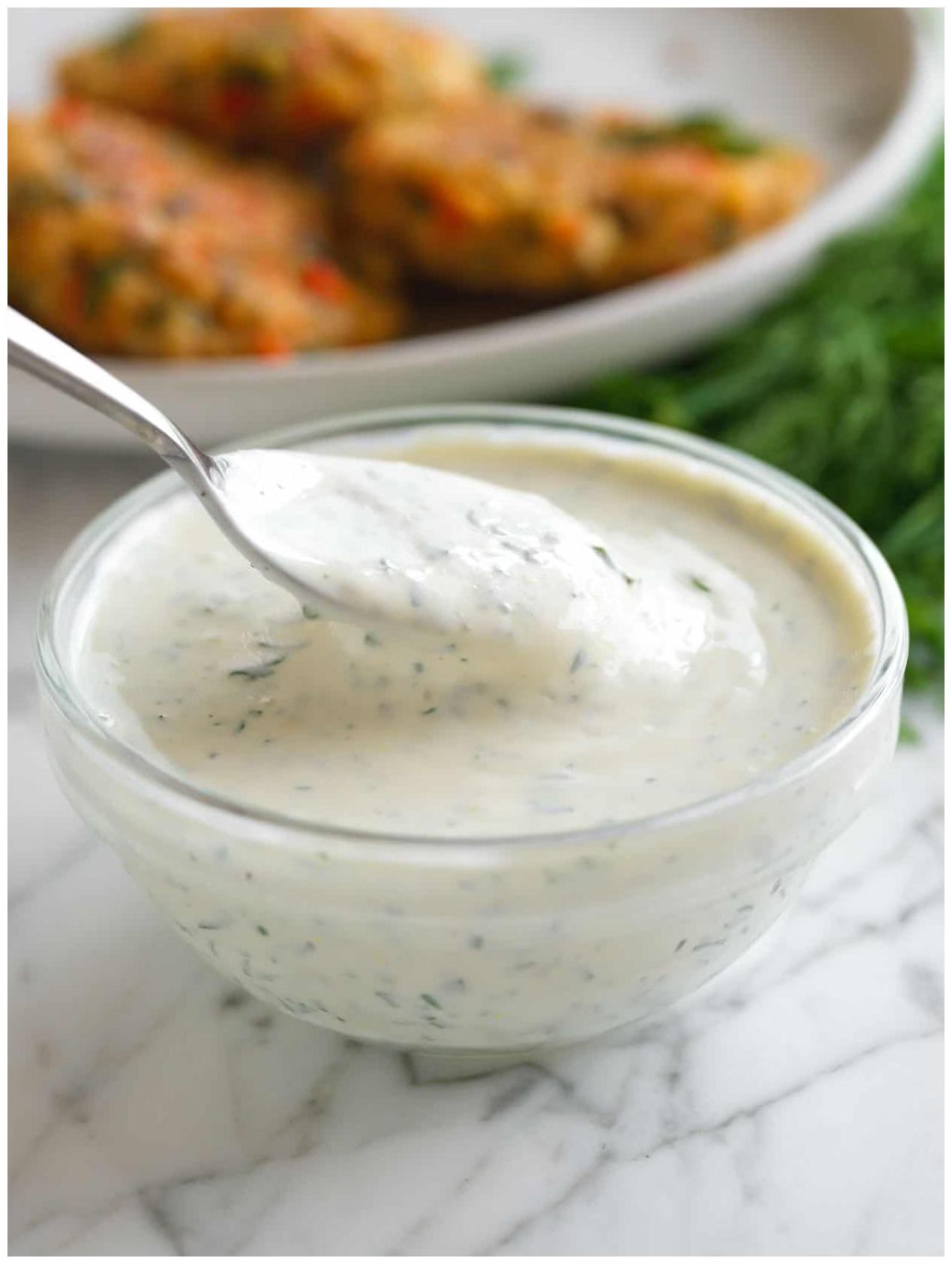
Creamy Dill Sauce for Salmon
Learn how to make a luscious creamy dill salmon sauce in minutes. Perfect for weeknight dinners—easy, quick, and restaurant‑quality flavor in under 30 minutes!
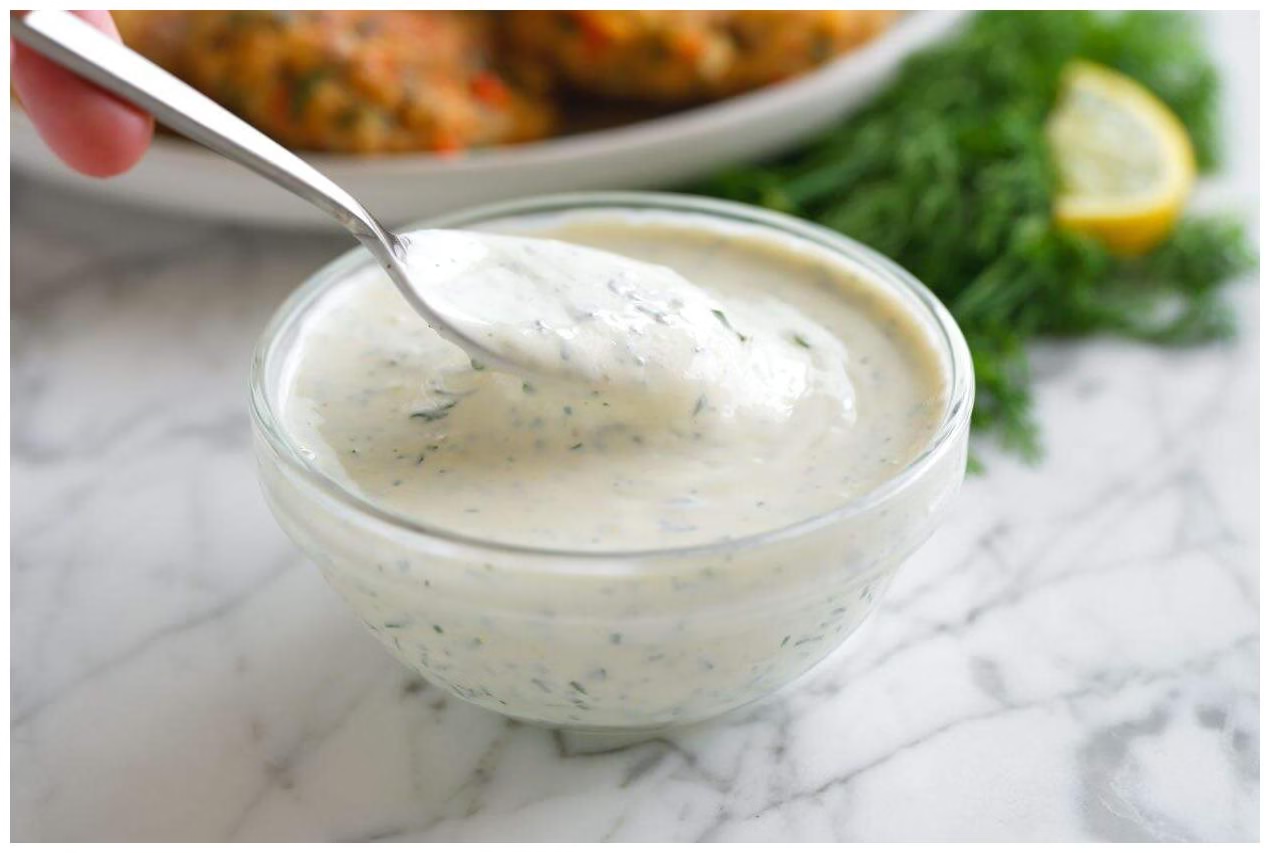
Perfect Creamy Dill Salmon Sauce – Easy 30-Minute Recipe
If you’re wondering how to elevate a simple salmon fillet, the answer lies in a silky creamy dill salmon sauce that adds bright herbaceous notes and luxurious texture. This sauce transforms ordinary fish into a restaurant‑quality dish with minimal effort, letting you serve a gourmet meal on a weeknight. Learn more about the baked salmon recipe that inspired this sauce. In the next few minutes you’ll discover the secrets behind this vibrant, tangy accompaniment that pairs perfectly with the natural richness of salmon.
The combination of fresh dill, tangy lemon, and velvety cream creates a flavor profile that dances on the palate while complementing the natural richness of salmon. Whether you’re cooking for a casual family dinner or a special celebration, this creamy dill salmon sauce is ready in under 30 minutes and requires only a handful of pantry staples. Throughout this guide we’ll walk you through every step, share pro tips, and answer common questions so you can master the sauce every time.
Ready to dive in? Let’s explore the details of building a sauce that clings beautifully to your fish and delivers a burst of fresh, herbaceous flavor with each bite.
Follow proper food safety guidelines to keep your sauce fresh.
Creamy Dill Salmon Sauce Overview
This section provides a quick overview of what makes a creamy dill salmon sauce so special. We’ll discuss its key ingredients, flavor balance, and ideal pairings, giving you a solid foundation before you start cooking. Understanding the basics helps you make informed choices about seasoning and technique.
What Makes Creamy Dill Salmon Sauce Special
The magic of a creamy dill salmon sauce comes from the perfect harmony of acidity, creaminess, and herbal freshness. A splash of lemon cuts through the richness, while dill adds a distinctive, slightly sweet aroma that lifts the entire dish. This balance ensures the sauce never overwhelms the fish, instead enhancing its natural flavors.
Why Creamy Dill Salmon Sauce Works So Well
Understanding the chemistry helps you replicate the sauce flawlessly. The fat in cream emulsifies with the moisture from the fish, creating a glossy coating that locks in juices and prevents the salmon from drying out. Additionally, the mild heat from sautéed garlic mellows, allowing the dill and lemon to shine without becoming overpowering.
Ingredients for Creamy Dill Salmon Sauce
Gather the following items before you start. Each ingredient plays a vital role in achieving the right taste and texture, and you can easily adjust quantities to suit your serving size.
- 1 cup heavy cream for a rich, velvety base.
- 2 tablespoons unsalted butter to add depth and a smooth mouthfeel.
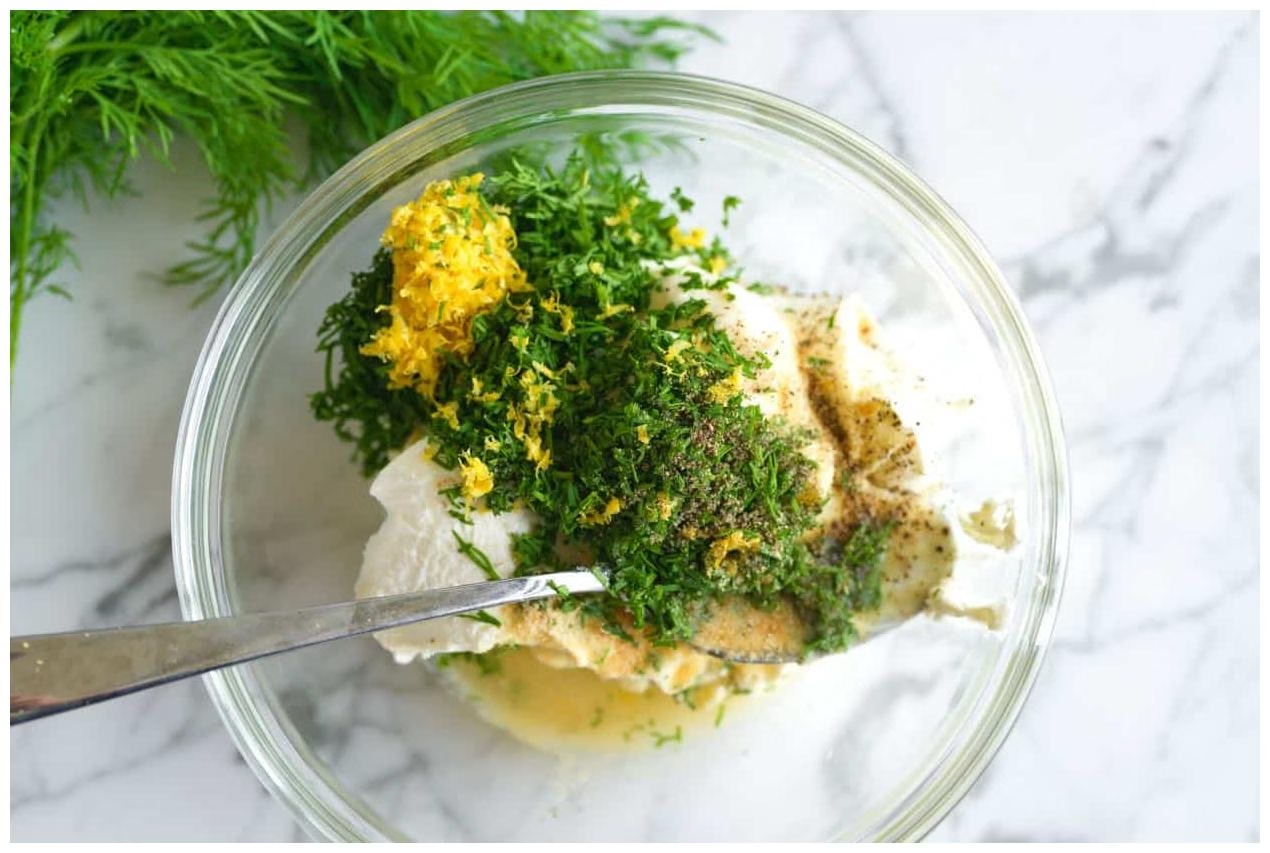
- 2 teaspoons fresh dill, finely chopped, for bright herbal notes.
- 1 tablespoon lemon juice to provide a subtle tang.
- 1 clove garlic, minced, for gentle aromatic warmth.
- ½ teaspoon Dijon mustard, which helps stabilize the emulsion.
- Salt and pepper to taste, ensuring balanced seasoning.
- Optional: ¼ cup grated Parmesan for extra depth and a subtle umami boost.
How to Make Creamy Dill Salmon Sauce – Step by Step
Follow these steps to build a velvety sauce that clings perfectly to your salmon. Keep each step concise and focused, and remember that patience is key to a smooth texture.
Step 1: Prepare the Base for Creamy Dill Salmon Sauce
In a small saucepan, melt the butter over medium heat. Add the minced garlic and sauté for about 30 seconds until fragrant, taking care not to brown it, as burnt garlic can introduce bitterness. This gentle foundation sets the stage for a balanced flavor profile.
Step 2: Incorporate Cream and Seasonings
Slowly pour in the heavy cream while whisking constantly to prevent clumping. Add the Dijon mustard, lemon juice, and a pinch of salt, then bring the mixture to a gentle simmer. The steady whisk creates a stable emulsion that will later coat the salmon evenly, showcasing the science of emulsification.
Step 3: Thicken the Sauce
Allow the sauce to cook for 3‑4 minutes, stirring occasionally, until it thickens slightly. If it becomes too thick, stir in a splash of low‑sodium chicken broth or water to reach your desired consistency. This step ensures the sauce clings to the fish without being overly heavy.
Step 4: Add Fresh Dill and Finish
Remove the pan from heat and fold in the chopped dill, letting its fresh aroma infuse the sauce. Taste and adjust seasoning with additional salt, pepper, or lemon juice as needed, aiming for a bright, balanced finish. This final touch preserves the dill’s vibrant color and flavor.
Step 5: Serve Over Salmon
Place your cooked salmon fillet on a plate and generously drizzle the warm creamy dill salmon sauce over the top. Garnish with extra dill sprigs for visual appeal and an extra burst of freshness. The result is a dish that looks as impressive as it tastes.
Expert Tips for Perfect Creamy Dill Salmon Sauce
These insights go beyond the basic method and help you troubleshoot common issues, ensuring consistent results every time you prepare the sauce.
Serving Suggestions for Creamy Dill Salmon Sauce
The versatility of this sauce extends beyond plain salmon. Pair it with roasted asparagus, garlic mashed potatoes, or a crisp classic Caesar salad for a balanced meal that satisfies multiple taste textures.
For a heartier option, serve the sauced salmon atop wild rice pilaf or alongside sautéed green beans, allowing the sauce to coat each component. You can also use the sauce as a dip for crusty bread, turning leftovers into a delightful appetizer.
It also pairs nicely with a side of Greek salad pizza for a fun twist.
Storage Instructions for Creamy Dill Salmon Sauce
Allow the sauce to cool completely before transferring it to an airtight container. For optimal dairy storage recommendations, it will keep in the refrigerator for up to three days, and reheating gently on the stove or in the microwave restores its silky texture.
If you notice separation after refrigeration, simply whisk the sauce over low heat until smooth. For longer storage, the sauce freezes well for up to two months; thaw overnight in the fridge and re‑heat gently, adding a splash of cream if needed.
Variations and Substitutions for Creamy Dill Salmon Sauce
Feel free to customize the recipe based on dietary preferences or ingredient availability, making it adaptable for various lifestyles.
Dairy‑Free Variation
Swap heavy cream for coconut milk and butter for olive oil. The result is a lighter, yet still flavorful, sauce that works beautifully with grilled salmon and adds a subtle tropical note.
Flavor Profile of Creamy Dill Salmon Sauce
This sauce delivers a layered taste experience: the initial brightness of lemon awakens the palate, followed by the creamy richness that coats the tongue, and finally the herbal freshness of dill that lingers pleasantly. The interplay of these elements creates a sensation that is both comforting and refreshing, making it a crowd‑pleaser.
Nutritional Benefits of Creamy Dill Salmon Sauce
This sauce provides a modest amount of calcium and vitamin D from the dairy, while health benefits of dill include antioxidants and anti‑inflammatory compounds that support overall health. The healthy fats from cream also aid in the absorption of fat‑soluble vitamins present in the salmon.
Common Questions About Creamy Dill Salmon Sauce
Below are quick answers to the most frequently asked queries.
- Use Room Temperature Ingredients: Bring cream and butter to room temperature before cooking for smoother sauce and better emulsification. Cold ingredients can cause separation.
- Don’t Overcook the Pasta: If you serve the sauce with pasta, cook it 1‑2 minutes under al dente. It finishes cooking in the hot sauce, preventing mushiness.
- Reserve Pasta Water: Save at least 1 cup of starchy pasta water before draining. Use it to adjust sauce consistency and help it cling to noodles.
- Adjust Acidity Carefully: Add lemon juice gradually; too much can curdle the cream. Balance with a pinch of sugar if needed.
- Fresh Dill vs. Dried: Fresh dill provides vibrant flavor, while dried dill is more concentrated. Use 1 teaspoon of dried dill for every tablespoon of fresh.
- Thicken Without Overcooking: If the sauce is too thin, whisk in a teaspoon of cornstarch slurry (cornstarch mixed with cold water). Cook briefly to activate.
- Flavor Boosters: A tiny splash of white wine or a pinch of capers can add depth. Add these after the cream is incorporated.
- Prevent Skin Formation: Cover the sauce while it rests for a few minutes; this reduces a skin from forming on the surface.
- Make Ahead: Prepare the sauce up to step 4, then refrigerate. Reheat gently and finish with fresh dill before serving.