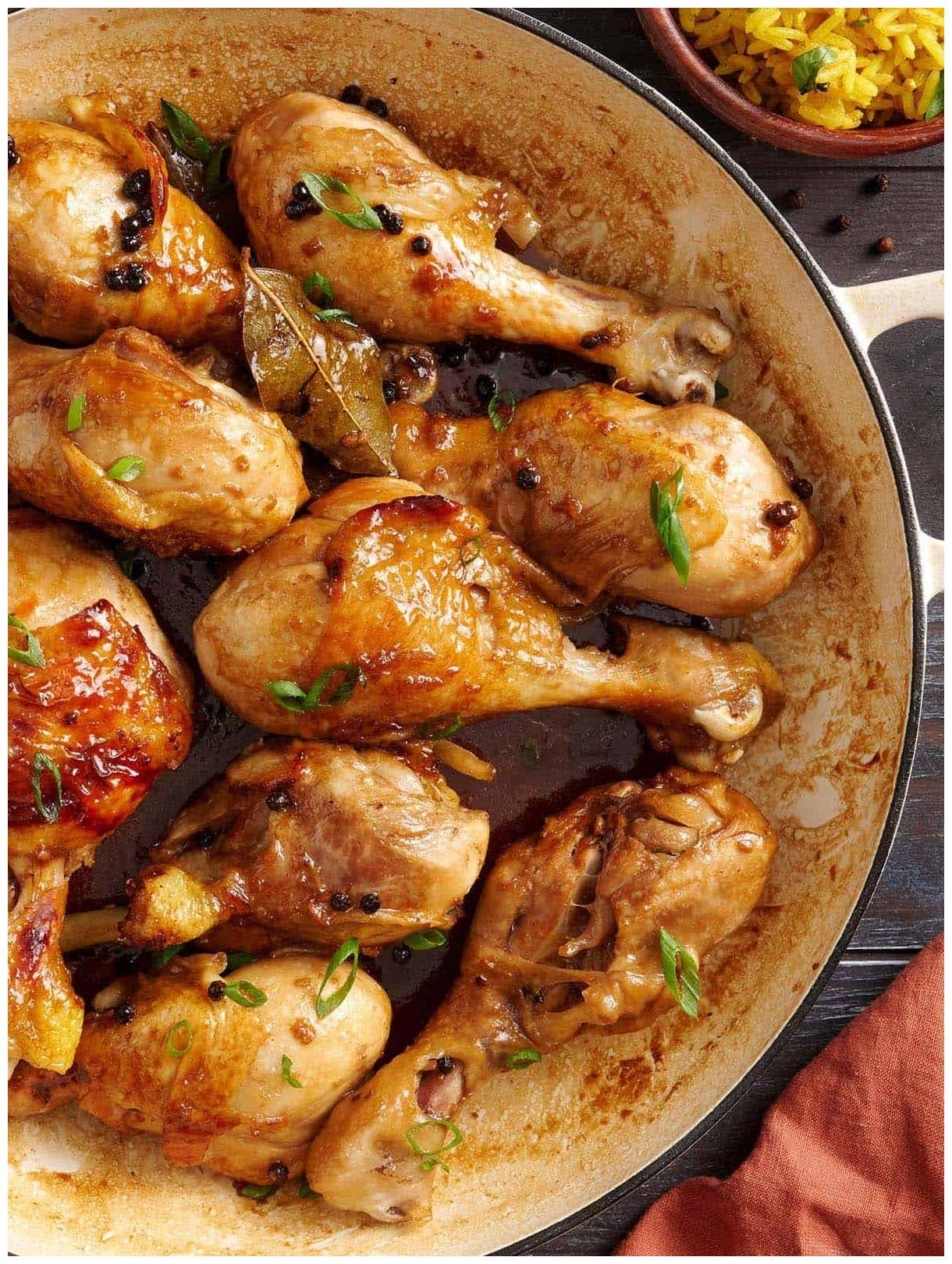
Chicken Adobo
Master easy chicken adobo with our step-by-step recipe. Discover classic Filipino flavors, essential tips, and quick cooking methods for perfect results every time. Cook now!
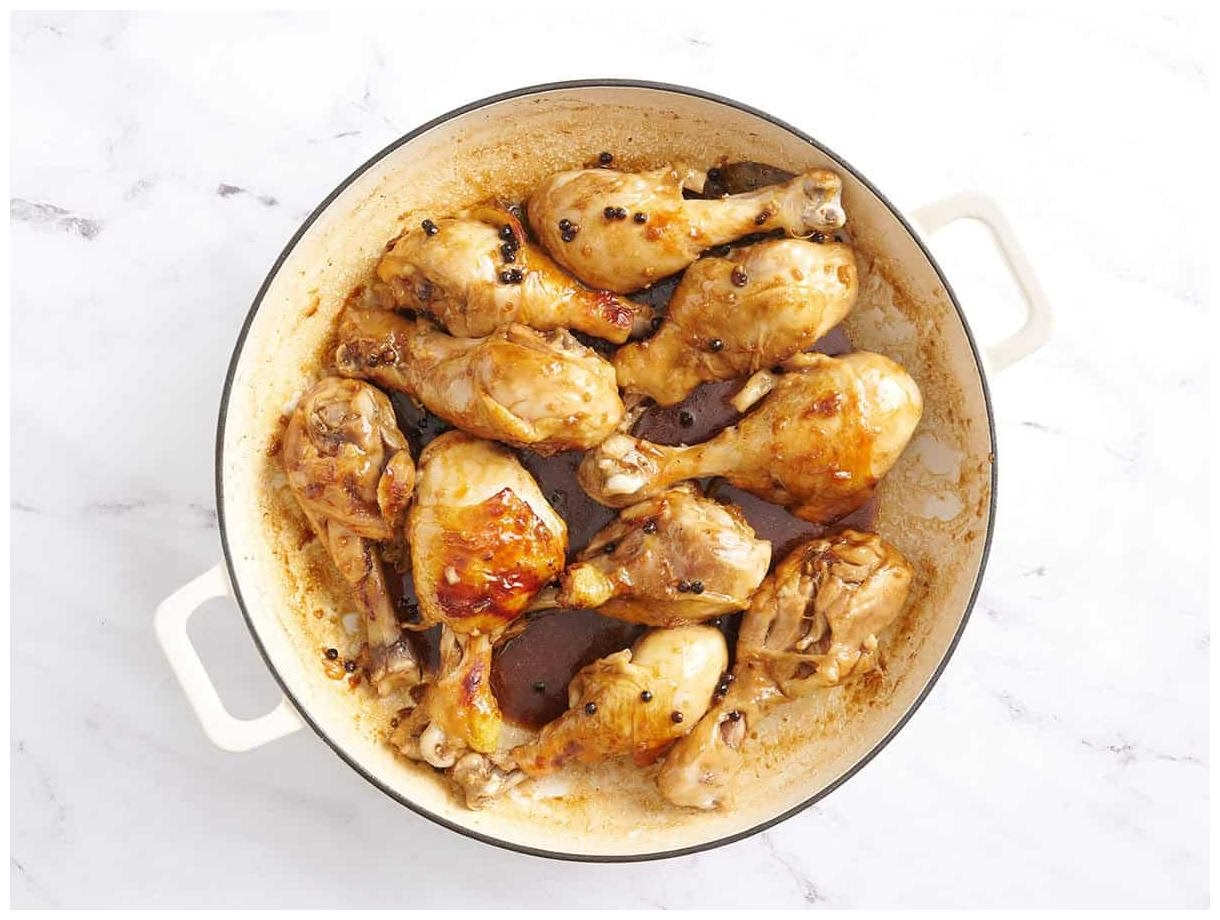
Are you ready to embark on a culinary journey to the Philippines from the comfort of your kitchen? This easy chicken adobo recipe is your passport to experiencing one of the most beloved and iconic dishes in Filipino cuisine. Known for its tantalizing balance of savory, sour, and slightly sweet notes, chicken adobo is more than just a meal; it’s a cultural cornerstone, deeply ingrained in the hearts and homes of Filipinos worldwide.
Forget complicated cooking techniques or a long list of obscure ingredients. Our guide demystifies the process, showing you how to achieve authentic, restaurant-quality Filipino chicken adobo with minimal fuss and maximum flavor. Whether you’re a seasoned chef or a kitchen novice, this budget-friendly chicken adobo will quickly become a cherished favorite in your recipe repertoire. Get ready to discover the magic that happens when simple ingredients combine to create something truly extraordinary.
This comprehensive article will walk you through everything from selecting the best ingredients to mastering the perfect simmer. We’ll cover essential tips, delicious serving suggestions, and even variations to suit every palate. Prepare to unlock the secrets to a dish that’s rich in history, bursting with flavor, and incredibly satisfying.
Easy Chicken Adobo: A Filipino Culinary Masterpiece
Chicken Adobo is not merely a dish; it represents the heart and soul of Filipino cooking. It’s a versatile stew or braise traditionally made with meat, seafood, or vegetables, cooked in a delectable marinade of vinegar, soy sauce, garlic, and peppercorns. This distinctive combination creates a sauce that is both tangy and savory, with a deeply satisfying umami punch.
The beauty of this classic Filipino chicken adobo lies in its simplicity and profound flavor profile. Each region and even each family often has its own cherished version, making adobo a dish with endless delightful variations. Our easy chicken adobo recipe aims to capture the authentic taste while making it accessible for any home cook.
The History and Significance of Filipino Chicken Adobo
The term “adobo” itself was coined by Spanish colonizers, who observed the indigenous cooking method of stewing food in vinegar. This method predates the arrival of the Spanish, serving not only as a way to tenderize and flavor meat but also as a natural preservative in a tropical climate without refrigeration. Over centuries, it evolved, incorporating ingredients like soy sauce introduced by Chinese traders.
Today, chicken adobo is a source of immense national pride and comfort. It’s often the first dish Filipinos learn to cook and a go-to meal for family gatherings, celebrations, and everyday dining. Its rich history and evolving nature make it a fascinating dish to explore, and preparing a homemade chicken adobo connects you directly to this vibrant culinary heritage.
Why Our Easy Chicken Adobo Recipe Stands Out
There are countless chicken adobo recipes available, but ours is specifically designed for ease, affordability, and authentic flavor. We believe that delicious, traditional meals shouldn’t require complex techniques or expensive ingredients. This simple chicken adobo focuses on readily available pantry staples, ensuring that anyone can recreate this beloved dish without hassle.
Our method streamlines the cooking process without sacrificing any of the deep, rich flavors you expect from a classic Filipino chicken adobo. From the initial marinade to the final simmering, each step is clearly outlined, making it a perfect recipe for beginners. You’ll be amazed at how effortlessly you can produce a meal that tastes like it came straight from a Filipino grandmother’s kitchen.
Budget-Friendly Homemade Chicken Adobo
One of the core philosophies behind dishes-recipes.com is creating incredible meals that don’t break the bank. This budget friendly chicken adobo recipe perfectly embodies that spirit. Chicken, soy sauce, vinegar, and garlic are all economical ingredients, meaning you can feed a family delicious, wholesome food without a hefty grocery bill.
Learning how to cook chicken adobo is not just about making a meal; it’s about investing in a skill that saves money and provides endless culinary satisfaction. This budget friendly chicken adobo recipe proves that exquisite taste doesn’t have to come with a high price tag. It’s perfect for weekly meal planning or feeding a crowd without stress.
Essential Ingredients for Authentic Chicken Adobo
The magic of chicken adobo lies in its fundamental ingredients. While variations exist, certain components are non-negotiable for achieving that signature adobo taste. Quality ingredients, even simple ones, make a significant difference in the final outcome of your homemade chicken adobo.
Here’s what you’ll need to create this amazing chicken adobo with soy sauce and vinegar:
- Chicken: Bone-in, skin-on chicken pieces (thighs and drumsticks are traditional and flavorful) are highly recommended. The bones add depth to the sauce, and the skin renders fat, contributing richness. Boneless, skinless chicken can be used for a quicker cook, but adjust cooking times.
- Soy Sauce: A good quality Filipino soy sauce (like Silver Swan or Datu Puti) is ideal, but any good all-purpose soy sauce will work. This provides the savory, salty foundation of the chicken adobo marinade.
- Vinegar: Cane vinegar is traditional for Filipino chicken adobo, but white vinegar or apple cider vinegar are excellent substitutes. The acidity is crucial for balancing the richness and giving adobo its distinctive tang.
- Garlic: Lots of it! Whole cloves, lightly smashed, or minced generously. Garlic is a cornerstone flavor in adobo recipe chicken.
- Black Peppercorns: Whole black peppercorns are preferred over ground pepper for a more authentic flavor and subtle spice. They infuse the sauce beautifully.
- Bay Leaves (Optional but Recommended): Bay leaves add an aromatic, slightly floral note that enhances the overall complexity of the classic chicken adobo.
- Water: Used for simmering the chicken and creating the sauce. Some recipes use chicken broth for added richness.
- Cooking Oil: For browning the chicken.
Having these ingredients on hand ensures you’re ready to cook chicken adobo that tastes truly authentic and delicious. The adobo recipe chicken relies on this harmonious blend for its famous flavor.
How to Make Easy Chicken Adobo: Step-by-Step Guide
Crafting a truly flavorful chicken adobo is a straightforward process when you follow these simple steps. Each stage is crucial for developing the layers of taste that make this dish so irresistible. Let’s dive into how to cook chicken adobo that will impress everyone.
Step 1: Preparing Your Chicken Adobo Marinade
In a large bowl, combine your chicken pieces with soy sauce, vinegar, smashed garlic cloves, and whole black peppercorns. If using bay leaves, add them now. Gently toss everything together to ensure the chicken is well coated. For the best flavor, allow the chicken to marinate for at least 30 minutes at room temperature, or ideally, in the refrigerator for 2-4 hours, or even overnight. This step is key for an authentic chicken adobo marinade.
Step 2: Browning the Chicken
Heat a tablespoon of cooking oil in a large pot or Dutch oven over medium-high heat. Remove the chicken pieces from the marinade (reserve the marinade!), letting any excess drip off. Sear the chicken in batches until deeply golden brown on all sides. This browning step is essential for developing rich flavor and creating a beautiful crust on the chicken. Don’t overcrowd the pan, as this can steam the chicken instead of browning it. Set the browned chicken aside.
Step 3: Simmering for Flavor
Once all the chicken is browned, return it to the pot. Pour in the reserved chicken adobo marinade, along with a cup of water. Bring the mixture to a gentle boil, then immediately reduce the heat to low, cover the pot, and let it simmer. This slow simmering process is where the flavors truly meld and the chicken becomes incredibly tender. A good simmer is essential for how to cook chicken adobo perfectly.
Step 4: Reducing the Sauce
Simmer the covered chicken for about 30-40 minutes, or until the chicken is cooked through and tender. After this time, remove the lid and increase the heat to medium-high. Allow the sauce to boil and reduce, stirring occasionally. This step concentrates the flavors and thickens the sauce into a glossy, irresistible glaze that coats the chicken. Continue reducing until the sauce reaches your desired consistency, usually another 10-15 minutes.
Step 5: Serving Your Classic Chicken Adobo
Once the sauce has reduced and thickened, taste and adjust seasonings if necessary. Some prefer a touch more vinegar for tang, or a pinch of sugar to balance the flavors. Remove the bay leaves. Your homemade chicken adobo is now ready to be served! This simple chicken adobo is best enjoyed immediately, but its flavors deepen over time.
Expert Tips for Perfect Chicken Adobo Every Time
Even with an easy chicken adobo recipe, a few expert tips can elevate your dish from good to extraordinary. These insights come from years of cooking and enjoying this Filipino staple, ensuring your adobo is always a triumph.
Firstly, don’t rush the browning of the chicken. A deep, golden sear on the chicken pieces adds immense flavor and texture that can’t be replicated. This step creates a crucial foundation for the entire dish. Patience here pays off immensely in the final taste of your chicken adobo with soy sauce.
Common Mistakes to Avoid When Cooking Chicken Adobo
One common pitfall when cooking chicken adobo is not balancing the vinegar and soy sauce properly. Too much vinegar can make it overly sour, while too much soy can make it too salty. Taste and adjust as you go, especially during the sauce reduction phase. Another mistake is overcooking the chicken, which can lead to dry, stringy meat. Simmer until just tender, then reduce the sauce.
Resist the urge to stir constantly during the simmering phase. Let the chicken cook gently. However, during the reduction phase, occasional stirring prevents sticking. For an authentic touch, never add the vinegar directly to the simmering liquid and stir immediately; let it sit for a few minutes to cook off the raw acidic taste before stirring.
Delicious Serving Suggestions for Your Chicken Adobo
Chicken adobo is a meal in itself, but it truly shines when served with the right accompaniments. The rich, tangy, and savory sauce is designed to be soaked up by plain, fluffy white rice. This combination is non-negotiable for a truly authentic Filipino dining experience.
For a complete meal, consider adding a simple vegetable side. Steamed or blanched green beans, bok choy, or broccoli provide a fresh contrast to the rich adobo. A refreshing side salad of sliced tomatoes and red onions, often dressed with a simple vinaigrette, also cuts through the richness beautifully, enhancing the overall enjoyment of your homemade chicken adobo.
Storage and Reheating Your Homemade Chicken Adobo
One of the best qualities of chicken adobo is that it tastes even better the next day! The flavors have more time to meld and deepen, making it an excellent dish for meal prepping. Storing your homemade chicken adobo properly ensures you can enjoy its deliciousness for days.
Once cooled to room temperature, transfer the chicken and sauce to an airtight container. It can be stored in the refrigerator for up to 3-4 days. For longer storage, chicken adobo freezes exceptionally well. Portion it into freezer-safe containers and freeze for up to 2-3 months. Thaw overnight in the refrigerator before reheating.
To reheat, gently warm the chicken adobo on the stovetop over low heat, adding a splash of water or chicken broth if the sauce has thickened too much. Alternatively, you can microwave individual portions until heated through. Always ensure the chicken is heated to a safe internal temperature, following proper food storage guidelines.
Exciting Variations and Substitutions for Chicken Adobo
While the classic chicken adobo recipe is perfect as is, it’s also wonderfully adaptable. Don’t hesitate to experiment with different ingredients or cooking methods to suit your taste preferences or dietary needs. The essence of this simple chicken adobo lies in its core flavor profile, which can be achieved in many ways.
Exploring Different Adobo Recipe Chicken Options
Instead of chicken, you can use pork belly or pork shoulder for a rich and succulent pork adobo. A combination of chicken and pork is also popular. For seafood lovers, squid adobo (Adobong Pusit) is a darker, ink-infused variation. Vegetarians can explore mushroom adobo or tofu adobo, substituting the meat with hearty plant-based alternatives. Each adobo recipe chicken variation offers a unique texture and flavor experience.
Dietary Adjustments for Your Adobo Recipe
For a gluten-free version, use tamari or a gluten-free soy sauce substitute. To reduce sodium, opt for low-sodium soy sauce. If you prefer a milder tang, use less vinegar or add a pinch of sugar to balance the acidity. Some modern variations include coconut milk for a creamier, richer sauce (Adobo sa Gata), offering a delightful tropical twist to the classic chicken adobo with soy sauce base.
The Nutritional Benefits of Chicken Adobo
Beyond its incredible taste, chicken adobo offers several nutritional benefits, especially when prepared with lean chicken cuts and served with rice and vegetables. Chicken is an excellent source of lean protein, essential for muscle repair and growth, and provides important vitamins like Niacin and B6.
Garlic, a key ingredient, is known for its immune-boosting properties and contains beneficial compounds. While soy sauce and vinegar contribute to the flavor, moderation is key due to sodium content. By controlling the amount of oil used and opting for skinless chicken, you can make this homemade chicken adobo a healthy and balanced meal that is both satisfying and good for you.
Frequently Asked Questions About Easy Chicken Adobo
Curious about more specifics regarding this beloved Filipino dish? We’ve gathered some common questions to help you master your easy chicken adobo. These insights will further enhance your cooking experience and understanding of this versatile meal.
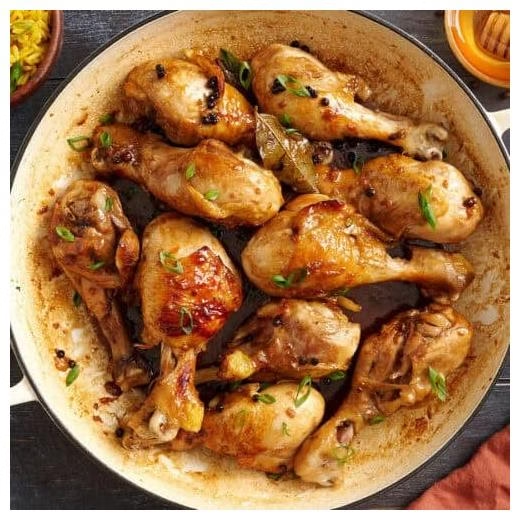
- Don’t Skip the Browning: Searing the chicken until deeply golden brown adds immense depth of flavor and texture. This Maillard reaction is crucial and shouldn’t be rushed for the best classic chicken adobo.
- Balance Your Flavors: The key to a great adobo is the interplay between savory soy sauce and tangy vinegar. Taste and adjust as the sauce reduces; a pinch of sugar can help balance excessive sourness if needed.
- Use Whole Peppercorns: Whole black peppercorns infuse the sauce with a more nuanced, authentic peppery flavor compared to ground black pepper.
- Marinade Matters: While 30 minutes is fine, marinating the chicken for at least 2-4 hours, or even overnight, allows the flavors to penetrate deeper, resulting in a more tender and flavorful homemade chicken adobo.
- Cook Off the Raw Vinegar: When adding vinegar, let it come to a simmer without stirring for a few minutes. This allows the harsh, raw acidic notes to cook off before you fully incorporate it into the sauce.
- Reduce for Richness: Don’t be afraid to let the sauce reduce significantly. A thicker, more concentrated sauce will beautifully coat the chicken and intensify the flavors of your chicken adobo with soy sauce.
- Bone-in, Skin-on Chicken: For the most authentic flavor and juicy texture, use bone-in, skin-on chicken thighs and drumsticks. The bones add flavor to the sauce, and the skin renders fat for richness.
- Serve with Plenty of Rice: Chicken Adobo sauce is meant to be enjoyed with rice! Ensure you have ample steamed white rice to soak up every delicious drop.
- Consider Bay Leaves: Although optional, adding a few bay leaves during simmering contributes an aromatic depth that elevates the overall flavor profile of your easy chicken adobo.
- Make Ahead for Better Flavor: Adobo, like many stews, often tastes even better the next day once the flavors have had more time to meld and develop. It’s perfect for meal prep!