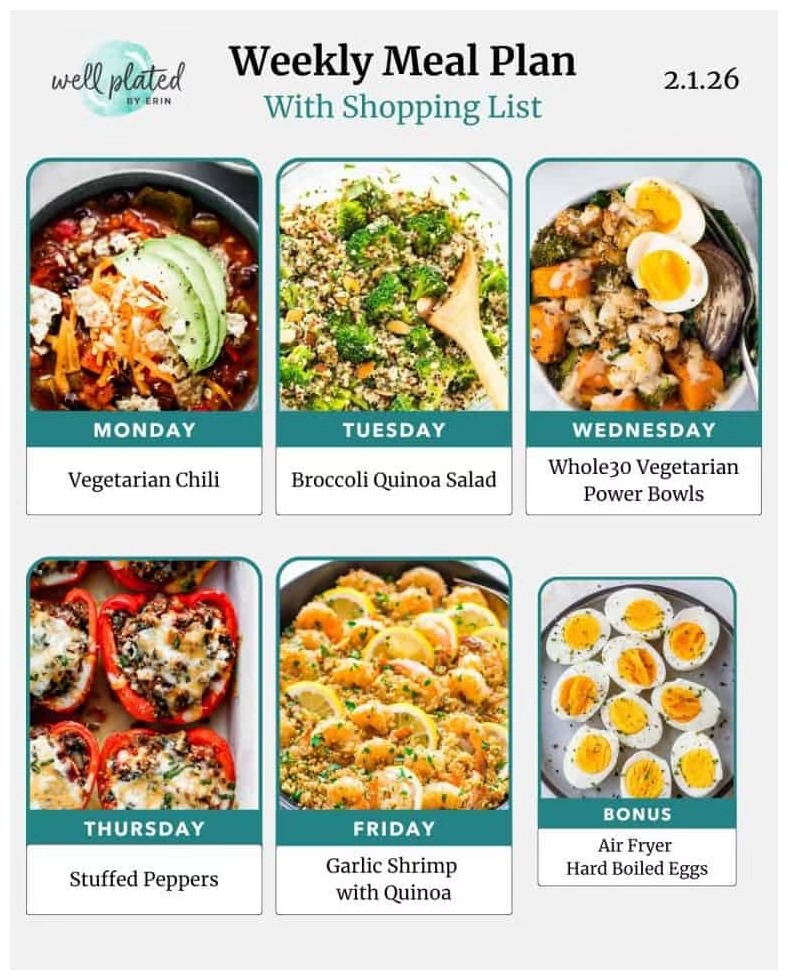
Weekly Meal Plan 2.1.26
Discover our comprehensive healthy weekly meal plan designed for busy families. Get nutritious dinner ideas, shopping lists, and prep tips for stress-free cooking all week long.
Are you tired of the daily dinner dilemma and wondering what to cook for your family this week? Our healthy weekly meal plan is here to transform your kitchen routine and bring joy back to family dinners. This comprehensive guide provides everything you need to create nutritious, delicious meals that everyone will love, without the stress and guesswork that often comes with meal planning.
Creating a healthy weekly meal plan is one of the most effective ways to improve your family’s eating habits while saving time and money. By planning ahead, you’ll reduce food waste, make healthier choices, and free up precious time that would otherwise be spent deciding what to cook each night. This meal plan is specifically designed to be approachable for busy parents while delivering balanced nutrition that supports your family’s health and wellness goals.
Whether you’re new to meal planning or looking to revamp your current routine, this healthy weekly meal plan offers structure, variety, and flexibility. You’ll find carefully curated recipes that consider different dietary preferences, time constraints, and budget considerations. Let’s dive into how to make this week’s meal planning journey successful and enjoyable for your entire family.
Why Every Family Needs a Healthy Weekly Meal Plan
Implementing a healthy weekly meal plan goes beyond just organizing your dinners—it transforms your entire approach to family nutrition. When you take the time to plan your meals for the week, you create a foundation for healthier eating habits that can last a lifetime. The benefits extend far beyond convenience, impacting your family’s health, your budget, and your overall quality of life.
One of the most significant advantages of a structured healthy weekly meal plan is the reduction in decision fatigue. Each day, we make countless small decisions, and choosing what to cook for dinner often becomes another mental burden. By planning ahead, you eliminate this daily stress, freeing up mental energy for more important things like spending quality time with your family or pursuing personal interests.
Financial benefits are another compelling reason to adopt a healthy weekly meal plan. When you shop with a plan, you’re less likely to impulse buy items you don’t need or make last-minute, expensive trips to the grocery store for missing ingredients. This strategic approach to shopping can significantly reduce your monthly food budget while ensuring you have everything needed for nutritious meals throughout the week.
The Science Behind Successful Meal Planning
Research shows that families who consistently follow a healthy weekly meal plan tend to consume more fruits, vegetables, and whole grains. This isn’t just a coincidence—it’s the result of intentional food selection. When you plan your meals, you can strategically incorporate nutrient-dense ingredients that might otherwise be overlooked in spontaneous meal decisions.
Another psychological benefit is the sense of control and accomplishment that comes with sticking to a plan. Successfully executing a healthy weekly meal plan provides confidence in your ability to provide for your family’s nutritional needs. This positive reinforcement can motivate you to continue healthy habits and even explore new cooking techniques and recipes.
Building the Perfect Foundation for Your Weekly Meal Plan
Creating an effective healthy weekly meal plan requires thoughtful consideration of your family’s unique needs, preferences, and lifestyle. Before diving into specific recipes, it’s essential to establish a solid foundation that will make your meal planning journey both successful and sustainable for the long term.
Start by assessing your family’s dietary requirements and preferences. Do you have picky eaters who need gradual introduction to new foods? Are there specific dietary restrictions like allergies, intolerances, or lifestyle choices such as vegetarianism or gluten-free eating? Understanding these factors upfront will help you create a healthy weekly meal plan that works for everyone at the table.
Evaluating Your Family’s Nutritional Needs
Consider the age groups represented in your household and their specific nutritional requirements. Growing children need adequate protein and calcium, while adults might focus on heart-healthy fats and fiber. A well-designed healthy weekly meal plan should balance these needs while providing variety to prevent boredom and ensure a wide range of nutrients are consumed.
Don’t forget to account for activity levels and any specific health goals. Active family members might need more carbohydrates for energy, while those managing weight might benefit from more protein and fiber. Your healthy weekly meal plan should be flexible enough to accommodate these variations while maintaining overall nutritional balance.
Assessing Your Cooking Resources and Time
Be honest about your cooking skills, equipment, and available time. A realistic healthy weekly meal plan takes into account your actual circumstances rather than an idealized version of your kitchen life. If you’re short on time, focus on quick recipes and meal prep strategies that can be done in advance.
Consider your kitchen setup and appliances. Do you have a slow cooker, Instant Pot, or air fryer that can simplify cooking? These tools can be game-changers for implementing a successful healthy weekly meal plan, especially on busy weeknights. Tailor your recipe choices to the equipment you have readily available.
Creating Your Weekly Dinner Menu Strategy
The heart of any healthy weekly meal plan is the dinner menu itself. This is where your planning comes to life, transforming organized intentions into delicious, nourishing meals for your family. Developing a strategic approach to your dinner menu ensures variety, balance, and practicality throughout the week.
Start by planning your most elaborate or time-consuming meals for when you have more cooking time, such as weekends or days with lighter schedules. Save simpler, quicker recipes for busy weeknights when time is limited. This thoughtful approach prevents burnout and makes your healthy weekly meal plan much more sustainable over time.
Building Balanced Plates Every Night
A successful healthy weekly meal plan ensures that each meal provides a balanced plate with appropriate portions of protein, whole grains, and vegetables. Aim to include at least three food groups in each dinner to create satisfying meals that keep hunger at bay until the next mealtime.
Consider the nutritional complementarity of your meals throughout the week. If you’re serving a protein-rich dinner one night, balance it with a lighter, plant-based meal the next day. This variety not only prevents dietary boredom but also ensures your healthy weekly meal plan provides a wide spectrum of nutrients essential for optimal health.
Incorporating Seasonal and Local Ingredients
Base your healthy weekly meal plan on seasonal produce whenever possible. Seasonal ingredients are typically more affordable, fresher, and more flavorful. They also offer variety throughout the year, keeping your meal planning interesting and nutritionally diverse.
Local farmers’ markets are excellent resources for finding fresh, seasonal ingredients that can inspire your healthy weekly meal plan. When you shop locally, you’re not only getting the best quality produce but also supporting your community and reducing the environmental impact of food transportation.
Meal Prep Strategies for Your Weekly Plan
Effective meal preparation is the secret weapon that makes a healthy weekly meal plan truly successful. By dedicating a few hours to advance preparation, you can transform your weeknights from chaotic cooking sessions to stress-free assembly of pre-prepped components. This strategic approach saves time, reduces stress, and makes healthy eating much more achievable.
Start by identifying components that can be prepped ahead of time. This might include washing and chopping vegetables, cooking grains, marinating proteins, or making sauces and dressings. The key is to break down your recipes into tasks that can be done in advance without compromising quality or taste.
Smart Grocery Shopping for Your Meal Plan
A well-executed healthy weekly meal plan begins with strategic grocery shopping. Create a comprehensive shopping list organized by grocery store sections to make your shopping trip efficient and minimize time spent wandering aisles looking for ingredients.
When planning your grocery trip for your healthy weekly meal plan, consider the order in which you shop. Start with non-perishable items like canned goods, spices, and frozen foods before moving to refrigerated sections. Save produce and fresh meat for last to ensure maximum freshness. This approach prevents items from sitting in your cart too long and potentially spoiling.
Batch Cooking and Component Prep
Batch cooking is a cornerstone of successful healthy weekly meal plan implementation. Choose one or two components to make in larger quantities that can be used across multiple meals throughout the week. For example, a pot of quinoa or roasted chicken can serve as a base for several different dinners.
Consider implementing a Sunday prep session for your healthy weekly meal plan. Spend 2-3 hours washing vegetables, chopping ingredients, cooking grains, and preparing marinades. This upfront time investment pays off tremendously during the week when dinner time arrives and most of the work is already done.
Family-Friendly Recipes for Your Weekly Rotation
The most successful healthy weekly meal plan includes recipes that appeal to all family members while providing nutritional value. These recipes strike the perfect balance between being approachable for home cooks and delivering flavors that even picky eaters will enjoy. Let’s explore some versatile recipes that can become staples in your family’s meal rotation.
When selecting recipes for your healthy weekly meal plan, consider how ingredients can be used across multiple meals. For instance, if you’re making roasted vegetables for one dinner, consider making extra to use in salads, wraps, or as a side dish another night. This ingredient overlap reduces food waste and simplifies your grocery shopping.
Quick Weeknight Dinner Solutions
Weeknights call for recipes that can be prepared quickly without sacrificing nutrition or flavor. Your healthy weekly meal plan should include several 30-minute meals that can be assembled when time is tight. These meals often rely on pre-prepped components, one-pan cooking methods, or quick-cooking proteins like chicken cutlets or fish fillets.
One-pan meals are excellent choices for your healthy weekly meal plan when efficiency is priority. These recipes minimize cleanup while delivering balanced nutrition. Consider sheet pan dinners with protein and roasted vegetables, stir-fries that combine protein and vegetables in a single pan, or skillet meals that bring everything together quickly.
Weekend Cooking and Batch Preparation
Weekends offer more time for elaborate cooking that can support your healthy weekly meal plan throughout the week. Use this time to make dishes that benefit from longer cooking times or more complex preparation, such as stews, braises, or casseroles that can be portioned and frozen for future meals.
Don’t underestimate the power of making extras during weekend cooking sessions for your healthy weekly meal plan. A double batch of soup, chili, or baked pasta can provide ready-made meals for busy weeknights. These freezer-friendly options ensure you always have a healthy solution available when unexpected events disrupt your regular meal schedule.
Adapting Your Meal Plan for Different Dietary Needs
A truly successful healthy weekly meal plan should be flexible enough to accommodate various dietary preferences and restrictions within your family. Whether you’re dealing with allergies, intolerances, lifestyle choices, or simply different taste preferences, adaptability is key to ensuring everyone’s needs are met.
The beauty of a well-structured healthy weekly meal plan is that many recipes can be easily modified to suit different dietary requirements. By understanding basic substitution principles and having versatile components on hand, you can create meals that work for multiple family members without having to cook completely separate dishes.
Vegetarian and Plant-Based Options
Incorporating vegetarian meals into your healthy weekly meal plan is an excellent way to increase plant-based protein intake and add variety. Start with simple swaps like using lentils instead of ground meat in tacos or beans instead of chicken in salads. These substitutions maintain familiar flavors while introducing more plant-based nutrients.
When planning vegetarian components for your healthy weekly meal plan, focus on complete proteins. This means combining different plant protein sources throughout the day to ensure all essential amino acids are consumed. For example, serve beans with rice, or hummus with whole grain pita to create nutritionally balanced meals.
Gluten-Free and Allergy-Friendly Adaptations
For families with gluten sensitivities or celiac disease, a carefully planned healthy weekly meal plan ensures safe and delicious eating. Naturally gluten-free ingredients like quinoa, rice, potatoes, and gluten-free pasta can form the foundation of many meals. Always check labels for hidden gluten in sauces, seasonings, and processed foods.
When managing multiple food allergies in your healthy weekly meal plan, communication becomes crucial. Ensure all family members understand cross-contamination risks and safe preparation methods. Keep dedicated utensils and preparation surfaces for allergen-free cooking, and always read labels carefully to identify potential allergens in packaged ingredients.
Cost-Effective Meal Planning Strategies
Creating a healthy weekly meal plan doesn’t have to strain your budget. With strategic planning and smart shopping habits, you can provide nutritious, delicious meals for your entire family while keeping costs reasonable. The key is to focus on whole foods, minimize waste, and take advantage of sales and seasonal availability.
One of the most effective ways to save money with your healthy weekly meal plan is to build meals around sale items and seasonal produce. Plan your weekly menu around what’s currently discounted at your grocery store or what’s abundant at local farmers’ markets. This approach not only saves money but also ensures the freshest ingredients.
Budget-Friendly Protein Sources
Protein often represents the largest portion of a grocery bill, so finding cost-effective protein sources is essential for an affordable healthy weekly meal plan. Consider incorporating more plant-based proteins like beans, lentils, and tofu, which are typically less expensive than animal proteins while still providing excellent nutrition.
When planning protein sources for your healthy weekly meal plan, consider buying larger quantities and freezing portions. Whole chickens, family packs of chicken thighs, or bulk purchases of ground meat can be divided and frozen for later use. This approach often provides significant cost savings compared to buying smaller, individually packaged portions.
Reducing Food Waste Through Smart Planning
Food waste is one of the hidden costs that can undermine the budget-friendly goals of your healthy weekly meal plan. By planning meals strategically and using ingredients efficiently, you can dramatically reduce waste and save money. Start by taking inventory of what you already have before making your shopping list.
Implement a “use-it-up” strategy in your healthy weekly meal plan by designating one or two meals each week specifically to use ingredients that need to be consumed. This might be a soup made with odds and ends from the vegetable bin or a stir-fry using proteins and vegetables that are approaching their expiration date.
Storage and Leftover Management
Proper storage and leftover management are crucial components of a successful healthy weekly meal plan. Knowing how to store food safely, maximize freshness, and creatively repurpose leftovers ensures that your meal planning efforts are rewarded with minimal waste and maximum value throughout the week.
Invest in quality food storage containers that are appropriate for different types of food. Glass containers are excellent for reheating and don’t retain odors, while BPA-free plastic containers are lightweight and portable. Proper labeling with dates helps you track freshness and ensures food safety in your healthy weekly meal plan system.
Safe Food Storage Guidelines
Understanding proper food storage times and methods is essential for maintaining food safety and quality in your healthy weekly meal plan. Most cooked leftovers can be safely refrigerated for 3-4 days, while some soups and stews may last up to 5 days. Always cool food quickly before refrigerating by dividing large portions into smaller containers.
For longer storage, freezing is an excellent option for extending the life of meals in your healthy weekly meal plan. Many dishes actually improve in flavor after freezing, as the flavors have time to meld together. Portion meals into individual or family-sized servings before freezing to make reheating quick and convenient.
Creative Leftover Transformations
Leftovers shouldn’t be boring! With a little creativity, you can transform yesterday’s dinner into exciting new meals that keep your healthy weekly meal plan interesting. Roasted chicken can become chicken salad, taco meat can be repurposed for nachos or quesadillas, and cooked grains can be used in breakfast bowls or stir-fries.
Implement a “leftover night” in your healthy weekly meal plan schedule where family members can choose their favorite leftovers from the week. This not only reduces waste but also gives everyone a say in what they eat, increasing overall satisfaction with your meal planning efforts.
Troubleshooting Common Meal Planning Challenges
Even the most dedicated planners encounter challenges when implementing a healthy weekly meal plan. Unexpected events, changing schedules, or simply losing momentum can derail your best intentions. Understanding these common obstacles and having strategies to overcome them will help you maintain consistency and success in your meal planning journey.
Life happens, and sometimes your carefully crafted healthy weekly meal plan needs to adapt. Whether it’s a last-minute work meeting, a sick child, or simply lack of motivation, having backup strategies ensures that you don’t abandon your healthy eating goals entirely. Flexibility is just as important as planning in maintaining a sustainable approach.
Dealing with Picky Eaters
Picky eating can be one of the biggest challenges when implementing a healthy weekly meal plan for families. Instead of completely separate meals, try a “build-your-own” approach where children can customize their plates from components you’ve prepared. This gives them control while ensuring they’re still eating nutritious foods.
Involving picky eaters in meal planning and preparation can significantly increase their willingness to try new foods. Let them help choose recipes from your healthy weekly meal plan or participate in age-appropriate cooking tasks. This engagement creates ownership and curiosity about the foods they’re helping to create.
Maintaining Motivation Over Time
The initial enthusiasm for a healthy weekly meal plan can fade over time, leading to inconsistency. To combat this, regularly evaluate what’s working and what isn’t in your meal planning approach. Celebrate small victories, like trying a new recipe successfully or sticking to your plan for a full week.
Consider joining online communities or finding meal planning buddies who can provide support and accountability. Sharing experiences, swapping recipes, and troubleshooting challenges with others who are also committed to a healthy weekly meal plan can provide fresh inspiration and renewed motivation when yours starts to wane.
Advanced Meal Planning Techniques
Once you’ve mastered the basics of healthy weekly meal planning, you can explore more advanced techniques that take your efficiency and variety to the next level. These strategies go beyond simple weekly planning to create systems that work for you even when life gets particularly busy or when you want to take longer vacations from cooking.
Advanced meal planning often involves creating systems rather than just individual plans. This might include developing a master list of family-approved recipes, creating seasonal meal templates, or implementing theme nights that reduce decision fatigue. These systems make your healthy weekly meal plan more sustainable and adaptable over time.
Monthly and Seasonal Planning
For those who want to minimize meal planning frequency, extending your planning horizon to monthly or seasonal intervals can be highly effective. A healthy weekly meal plan approach that rotates through a larger menu cycle provides variety while requiring less frequent decision-making about what to cook.
Seasonal meal planning takes advantage of nature’s natural cycles and what’s most abundant and affordable at different times of year. A summer healthy weekly meal plan might feature lighter meals with abundant fresh produce, while winter plans might focus on heartier dishes that incorporate root vegetables and stored goods.
Meal Planning for Special Occasions
Holidays, birthdays, and other special occasions require special consideration in your healthy weekly meal plan. Rather than completely abandoning your healthy eating goals, plan ahead for how to incorporate indulgent treats while maintaining overall balance. This might involve planning lighter meals around special dinners or having healthy snacks available to prevent overindulgence.
Special occasion planning also involves considering logistics like cooking times, equipment needs, and serving requirements. A well-considered healthy weekly meal plan for holidays should account for the fact that you might be cooking for larger groups or needing dishes that can be prepared in advance to minimize stress on the day of the event.
Evaluating and Evolving Your Meal Plan
No healthy weekly meal plan is perfect from the start, and continuous evaluation and improvement are essential for long-term success. Regularly assess what’s working well in your meal planning approach and what areas need adjustment. This reflective practice ensures that your meal planning system evolves to better serve your family’s changing needs and preferences.
Consider implementing a weekly or monthly review process for your healthy weekly meal plan. During these reviews, ask yourself questions like: Which recipes were most successful? Which meals caused stress? How can we improve efficiency next week? What new ingredients or techniques would we like to try? This continuous improvement approach keeps your meal planning fresh and effective.
Tracking Family Preferences and Feedback
Keep a simple record of family feedback on meals included in your healthy weekly meal plan. Note which recipes were particularly well-received and which ones didn’t work as well. This tracking helps you avoid repeating unsuccessful dishes and provides a resource of proven favorites that you can rotate through future meal plans.
Involve all family members in the evaluation process for your healthy weekly meal plan. Even young children can provide valuable feedback about what they enjoyed or didn’t like. This input not only helps improve meal satisfaction but also gives family members a sense of ownership and investment in the planning process.
Adapting to Changing Circumstances
Life circumstances change, and your healthy weekly meal plan should be flexible enough to adapt. Whether it’s a change in work schedules, growing children with different nutritional needs, or new dietary restrictions, your meal planning system should evolve along with your family’s changing requirements.
Be prepared to adjust your healthy weekly meal plan based on seasonal changes, special events, or unexpected opportunities. The most successful meal planning systems are those that provide structure without being rigid, allowing for spontaneity and flexibility when needed while maintaining overall balance and nutrition.
- Use Room Temperature Ingredients: Bring cream and butter to room temperature before cooking for smoother sauce and better emulsification. Cold ingredients can cause separation in your healthy weekly meal plan recipes.
- Don’t Overcook the Pasta: Cook pasta 1-2 minutes under package directions for perfect al dente texture. It continues cooking when tossed with hot sauce in your healthy weekly meal plan.
- Reserve Pasta Water: Save at least 1 cup of starchy pasta water before draining. Use it to adjust sauce consistency and help it cling to noodles in your healthy weekly meal plan.
- Prep Ingredients in Advance: Wash and chop vegetables the night before to save precious time during busy weeknights in your healthy weekly meal plan.
- Use Mason Jars for Salad: Layer salads in jars with dressing on bottom to keep ingredients fresh for up to 5 days in your healthy weekly meal plan.
- Freeze Extra Portions: Portion and freeze leftovers immediately for quick future meals in your healthy weekly meal plan emergency stash.
- Invest in Quality Containers: Use airtight containers to maximize freshness and prevent cross-contamination in your healthy weekly meal plan storage system.
- Create a Master Recipe List: Document family favorites with notes for future reference in your healthy weekly meal plan rotation.
- Shop with a List: Organize your grocery list by store sections to save time and avoid impulse buys in your healthy weekly meal plan shopping trips.
- Plan for Leftovers: Intentionally cook extra portions to transform into different meals later in your healthy weekly meal plan.
- Use a Digital Calendar: Schedule meal prep time in your calendar just like any other important appointment for your healthy weekly meal plan success.
- Involve Family Members: Get everyone involved in meal planning and preparation to share the workload in your healthy weekly meal plan.