
Homemade Hummus Recipe Variations
Master the best homemade hummus recipe with our easy guide and discover amazing flavor variations like roasted red pepper and jalapeño. Make creamy hummus today!
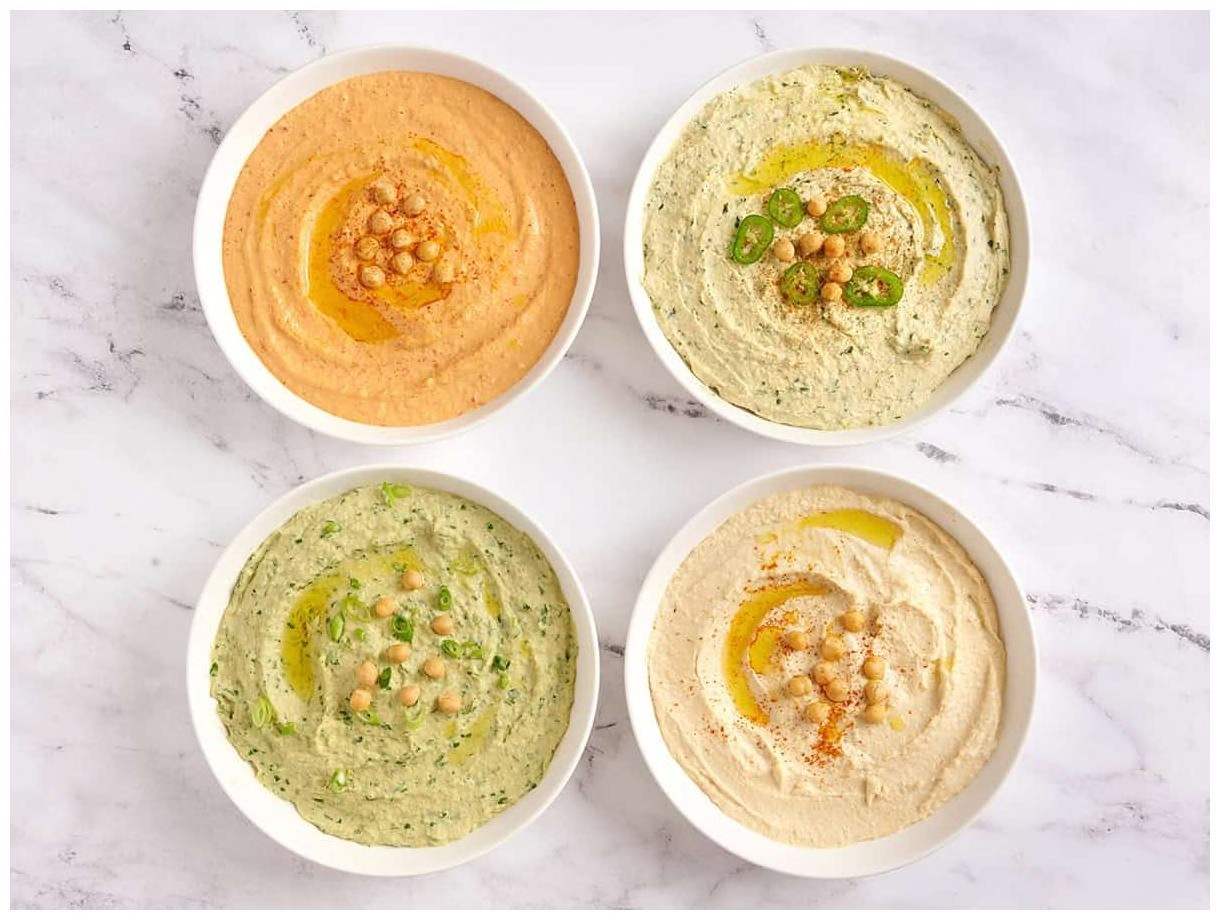
Ever wondered how to achieve that perfectly creamy, luscious texture in your homemade hummus recipe? Look no further! This comprehensive guide will transform your kitchen into a Mediterranean haven, showing you exactly how to craft the best homemade hummus recipe and elevate it with exciting variations. Forget store-bought options; once you master this easy homemade hummus recipe, you’ll never go back.
Hummus, a staple of Middle Eastern cuisine, is more than just a dip. It’s a versatile, nutritious, and incredibly satisfying dish made primarily from garbanzo beans (chickpeas), tahini, lemon juice, and garlic. Learning how to make hummus from scratch not only saves you money but also allows for endless customization, ensuring your dip is always exactly how you like it. For those who appreciate flavorful vegetable-based dishes, you might also enjoy our recipe for stuffed bell peppers.
Whether you’re seeking a healthy snack, a crowd-pleasing appetizer, or a flavorful spread for sandwiches, this guide to making a fantastic homemade hummus recipe will equip you with all the knowledge and techniques you need. Get ready to impress your taste buds and guests with your culinary skills!
Homemade Hummus Recipe – An Overview of Mediterranean Delight
Hummus, derived from the Arabic word for “chickpeas,” has graced tables across the Middle East and Mediterranean for centuries. Its rich history is matched only by its incredible flavor and nutritional benefits. This simple yet profound garbanzo bean dip offers a perfect blend of protein, fiber, and healthy fats, making it a cornerstone of a balanced diet. To learn more about the fascinating history of hummus, explore its origins.
At its heart, a traditional homemade hummus recipe requires just a few key ingredients, each playing a crucial role in achieving its characteristic taste and texture. The interplay of earthy chickpeas, nutty tahini, bright lemon, and pungent garlic creates a symphony of flavors that is both comforting and invigorating. Understanding these components is the first step towards your perfect batch.
The Secret to the Best Homemade Hummus Recipe
Achieving truly smooth, restaurant-quality hummus at home might seem daunting, but it’s surprisingly simple with a few insider tricks. The key lies in understanding the ingredients and the blending process. Patience and proper preparation are your best allies in crafting the best hummus recipe you’ve ever tasted.
Many common mistakes can lead to grainy or bland hummus. We’ll reveal the techniques that professional chefs use to ensure a consistently creamy and flavorful result every single time. Get ready to elevate your hummus game significantly.
Choosing the Right Chickpeas for Your Homemade Hummus Recipe
The foundation of any great hummus is, of course, the chickpeas. While canned chickpeas are convenient, dried chickpeas, soaked and cooked until very tender, offer a superior texture and flavor. If using canned, rinsing them thoroughly is essential to remove excess sodium and improve taste. For detailed information on the nutritional benefits of chickpeas, you can consult reliable health resources.
For an ultra-creamy texture, some enthusiasts even recommend peeling the chickpeas. While time-consuming, this step removes the outer membrane, resulting in an incredibly smooth dip. This small effort can make a big difference in your homemade hummus recipe.
The Importance of High-Quality Tahini in an Easy Hummus Recipe
Tahini, a paste made from ground sesame seeds, is the unsung hero of hummus. It provides the characteristic nutty flavor and contributes significantly to the creamy texture. Investing in good quality tahini, preferably from a Middle Eastern or Mediterranean brand, will dramatically improve your homemade hummus recipe. For a guide on selecting and storing the best tahini, Serious Eats offers excellent advice.
Look for tahini that is light in color and has a pourable consistency, similar to natural peanut butter. If your tahini is thick and gritty, it can make your hummus dense. Stirring the tahini well before using ensures all the oils are incorporated, leading to a smoother blend.
Essential Ingredients for Your Easy Homemade Hummus Recipe
Creating an authentic and delicious hummus doesn’t require a long list of exotic items. In fact, one of the beauties of this dish is its reliance on readily available, wholesome ingredients. Here’s what you’ll need to gather for your basic homemade hummus recipe:
- Chickpeas: One can (15 oz / 425g) or 1 cup dried, cooked.
- Tahini: 1/4 to 1/3 cup, depending on preference.
- Fresh Lemon Juice: 1/4 cup, freshly squeezed is non-negotiable for brightness.
- Garlic: 2-3 cloves, minced, or to taste.
- Ice Water: 2-4 tablespoons, crucial for emulsification and creaminess.
- Salt: 1/2 teaspoon, or to taste.
- Olive Oil: For drizzling and serving.
- Optional: A pinch of cumin for added depth.
How to Make Homemade Hummus – Step-by-Step Guide
Follow these straightforward steps to create a perfect batch of creamy, flavorful hummus. This method focuses on achieving maximum smoothness and balanced taste for your homemade hummus recipe.
Step 1: Prepare the Chickpeas
If using canned chickpeas, drain and rinse them thoroughly under cold water. If you choose to peel them for extra creaminess, gently rub them between your fingers or with a clean towel. For dried chickpeas, soak them overnight, then cook them until very tender, almost mushy.
Step 2: Blend Tahini and Lemon Juice
In a food processor, combine the tahini and fresh lemon juice. Process for 1-2 minutes until the mixture becomes pale and thickens slightly, almost resembling whipped cream. This crucial step lightens the tahini and ensures a smoother final product for your easy hummus recipe.
Step 3: Add Chickpeas and Garlic
Add the prepared chickpeas, minced garlic, and salt to the food processor. Process for another 2-3 minutes, scraping down the sides as needed. The mixture will initially be very thick and pasty, but don’t worry, the magic is about to happen.
Step 4: Achieve Silky Smoothness with Ice Water
With the food processor running, slowly drizzle in 2-4 tablespoons of ice-cold water, one tablespoon at a time. The cold water helps to emulsify the mixture, transforming it into a light, airy, and incredibly creamy dip. Continue processing until the hummus is perfectly smooth and has reached your desired consistency.
Step 5: Season and Serve Your Homemade Hummus Recipe
Taste the hummus and adjust seasonings as needed. You might want to add more lemon juice, salt, or even an extra clove of garlic. Transfer the hummus to a serving bowl, drizzle generously with good quality olive oil, and garnish with paprika, parsley, or pine nuts.
Exploring Delicious Homemade Hummus Recipe Variations
While the classic homemade hummus recipe is undeniably delicious, its neutral base makes it a fantastic canvas for creative flavor combinations. Experimenting with different ingredients can transform your simple garbanzo bean dip into an exciting culinary adventure. These flavored hummus recipes are perfect for parties or just spicing up your snack routine. For another unique appetizer that will impress, explore our guide to stuffed artichokes.
Roasted Red Pepper Hummus Variation
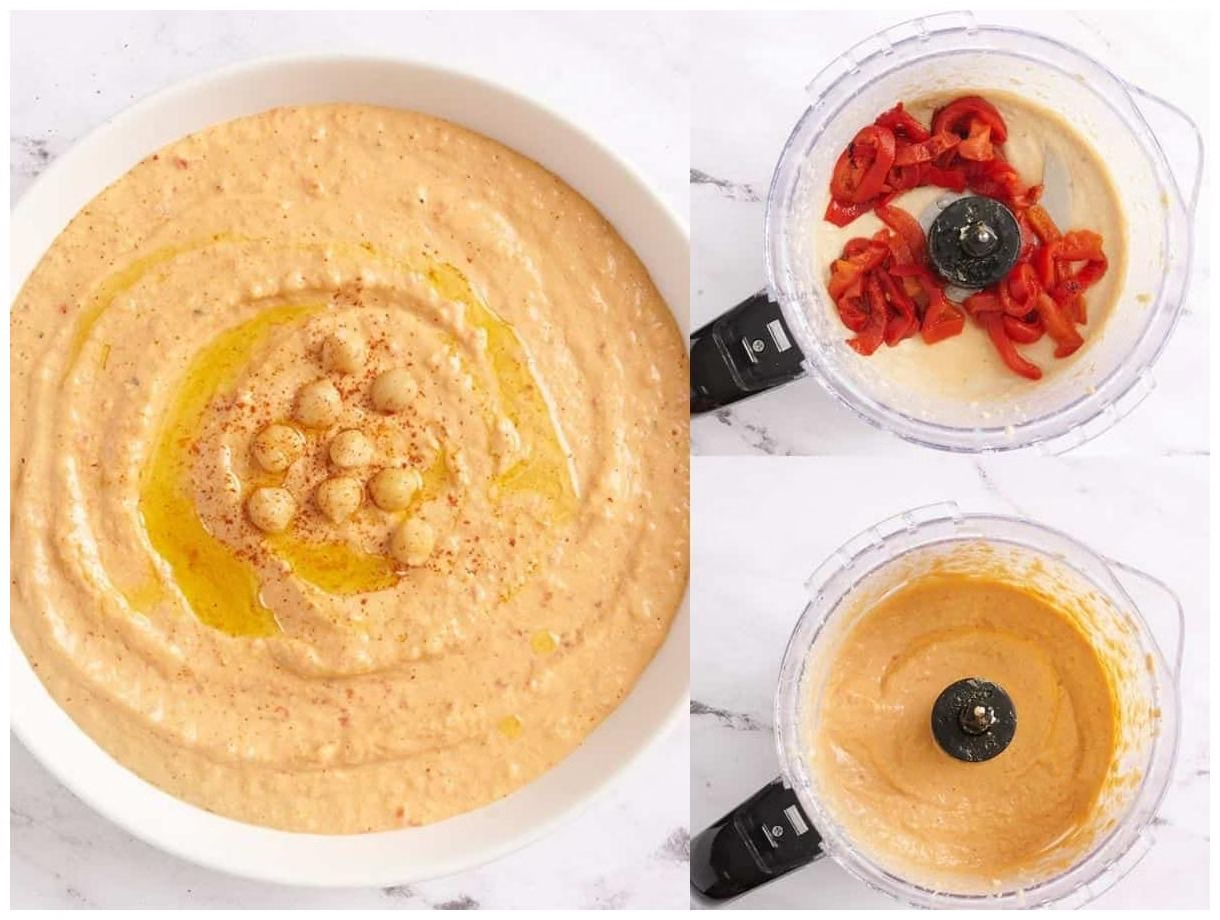
For a sweet and smoky twist, add 1/2 cup of roasted red peppers (from a jar, drained) to your food processor along with the chickpeas. The peppers add a beautiful color and a depth of flavor that complements the creamy base beautifully. This hummus variations recipe is a crowd favorite.
Spicy Jalapeño Cilantro Hummus
If you love a kick, deseed and finely chop one fresh jalapeño and add it to the food processor with the garlic. A handful of fresh cilantro (about 1/4 cup) added in the final blending stage provides a vibrant, herbaceous counterpoint. This spicy homemade hummus recipe is perfect for those who enjoy heat.
Zesty Sundried Tomato Hummus
Incorporate 1/4 cup of oil-packed sun-dried tomatoes (drained) into the food processor with the chickpeas. Their concentrated, tangy flavor adds a delightful Mediterranean flair to your dip. A sprinkle of dried oregano can further enhance this variation of garbanzo bean dip.
Garden Herb Hummus
For a fresh and aromatic option, blend in 2-3 tablespoons of a mix of fresh herbs like parsley, dill, mint, or chives during the final blending stage. This simple addition brightens the entire dip and offers a delightful herbaceous aroma. This makes for a truly fresh and appealing creamy hummus dip.
Expert Tips for Perfect Homemade Hummus Every Time
Beyond the basic steps, a few expert tips can ensure your hummus is consistently excellent. These small adjustments can make a big difference in achieving the perfect texture and flavor for any homemade hummus recipe.
Always start with the tahini and lemon juice first; this emulsifies them and creates a lighter base. Don’t be shy with the garlic – fresh garlic provides the best pungency and aroma. Adjusting salt and lemon juice at the end is crucial, as flavors can mellow or intensify during blending.
Consider the temperature of your ingredients. Using slightly warm chickpeas (if you cooked them yourself) and ice-cold water helps create that desirable creamy texture. A good food processor is also your best friend in this endeavor, ensuring a truly smooth finish.
Creative Ways to Serve Your Hummus Creations
Once you’ve mastered your favorite homemade hummus recipe, the serving possibilities are endless! Hummus is incredibly versatile and can elevate a variety of meals and snacks beyond the traditional pita and veggie platter.
Serve it as a vibrant spread in wraps and sandwiches, replacing mayonnaise for a healthier option. Spoon it generously onto grain bowls, top it with roasted vegetables, or use it as a base for delicious homemade pizzas. It also pairs wonderfully with baked salmon or grilled meats, or as a side with falafel. For a delicious pasta dish that also embraces rich flavors, consider our creamy fettuccine alfredo. Alternatively, a refreshing side like cucumber salad complements hummus beautifully.
For a more elaborate appetizer, create a mezze platter with olives, feta cheese, cucumber slices, cherry tomatoes, and warm pita bread. The visual appeal and variety will be a delightful treat for your guests. These flavored hummus recipes are perfect for sharing.
Storing Your Homemade Hummus
Proper storage ensures your delicious homemade hummus recipe stays fresh and flavorful for longer. With a few simple steps, you can enjoy your batch for several days.
Transfer the hummus to an airtight container. Before sealing, drizzle a thin layer of olive oil over the surface of the hummus. This creates a barrier that prevents drying out and helps maintain freshness. Store in the refrigerator for up to 5-7 days.
You can also freeze homemade hummus for up to 3-4 months. Place it in a freezer-safe container, leaving a little headspace, and drizzle with olive oil before freezing. Thaw in the refrigerator overnight and stir well before serving. This is a great way to batch cook your creamy hummus dip.
Nutritional Benefits of This Healthy Dip
Beyond its delicious taste, a homemade hummus recipe is packed with impressive nutritional benefits. Chickpeas are a fantastic source of plant-based protein and dietary fiber, which aids digestion and helps keep you feeling full and satisfied. For another healthy and flavorful option, try our refreshing green apple juice. Tahini contributes healthy monounsaturated fats, calcium, and iron. Lemon juice adds a boost of Vitamin C, while garlic is known for its immune-boosting properties. This makes hummus not just a tasty treat, but a truly wholesome addition to your diet, contributing to overall well-being. It’s a smart choice for a healthy snack or meal component.
Common Questions About Making Hummus at Home
Whether you’re a seasoned chef or a kitchen novice, questions naturally arise when trying new recipes. We’ve compiled some of the most frequently asked questions about making an amazing homemade hummus recipe, addressing common concerns and offering practical solutions. These insights will help you confidently tackle your next batch.
- Use Ice Water for Creaminess: Always add 2-4 tablespoons of ice-cold water, one tablespoon at a time, while the food processor is running. This helps emulsify the tahini and lemon juice, creating a remarkably light and airy texture in your homemade hummus recipe.
- Don’t Skip the Tahini-Lemon Blend: Processing tahini and lemon juice together first, before adding other ingredients, is crucial. It lightens the tahini and prevents a dense, pasty hummus, ensuring a much smoother and more pleasant consistency for your easy hummus recipe.
- Cook Chickpeas Until Very Tender: If using dried chickpeas, cook them longer than you think necessary – until they are almost falling apart. Overcooked chickpeas blend more easily into a silky-smooth paste, which is key for the best hummus recipe.
- Peel Chickpeas for Ultra-Smoothness: For a truly restaurant-quality, exceptionally smooth hummus, take the extra step to peel the outer skins from the cooked chickpeas. This removes any potential grittiness and results in a luxurious texture.
- Adjust Seasoning Gradually: Salt and lemon juice can drastically change the flavor profile. Start with the recommended amounts, then taste and adjust. You might find your homemade hummus recipe benefits from a little extra zing or seasoning at the end.
- Scrape Down the Food Processor: Regularly stop and scrape down the sides of your food processor bowl during blending. This ensures all ingredients are fully incorporated and contributes to a uniform, smooth consistency for your garbanzo bean dip.
- Garnish with Good Olive Oil: A generous drizzle of high-quality extra virgin olive oil before serving isn’t just for looks. It adds richness, a fruity aroma, and enhances the overall flavor of your creamy hummus dip.
- Experiment with Garlic: Raw garlic provides a pungent kick, while roasted garlic offers a sweeter, milder flavor. Adjust the amount and type of garlic based on your preference for your homemade hummus recipe.
- Consider a Touch of Cumin: A pinch of ground cumin (about 1/4 teaspoon) can add a warm, earthy depth to your classic homemade hummus recipe. Add it with the chickpeas and adjust to taste for a subtle, aromatic enhancement.
- Refrigerate Before Serving: While delicious immediately, allowing your homemade hummus to chill in the refrigerator for at least 30 minutes lets the flavors meld and intensify. This results in a more cohesive and tastier dip.
