Unlock kimchi’s essential immune-boosting power for your family! Discover practical tips and delicious recipes to incorporate this superfood into your daily meals.
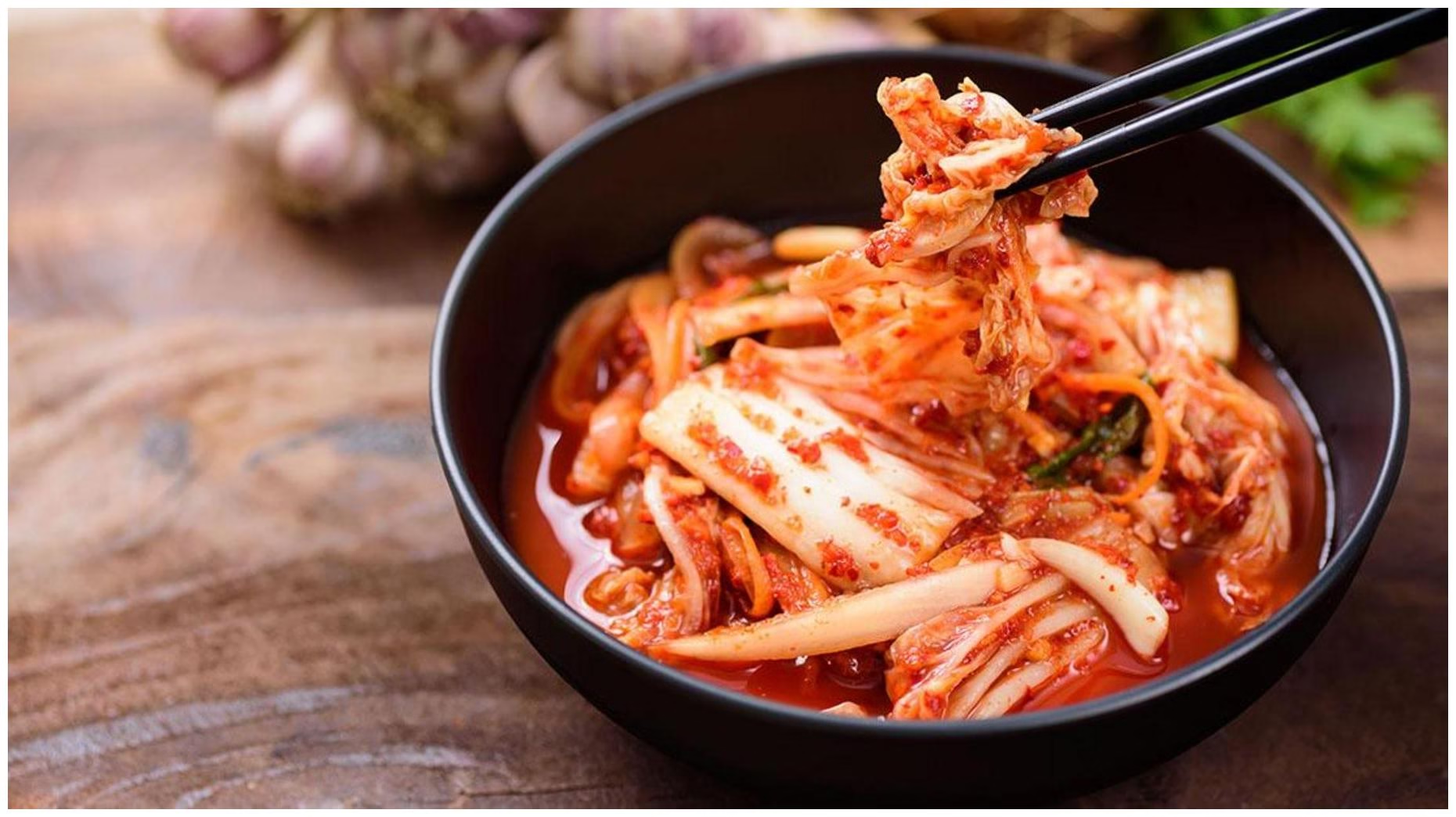
Are you a busy home cook constantly searching for delicious yet healthy ways to support your family’s well-being? If so, get ready to discover a culinary secret that’s been gaining significant scientific attention: kimchi’s immune-boosting power. This vibrant, fermented Korean staple isn’t just a tasty side dish; it’s a powerhouse of probiotics and nutrients, now more than ever recognized for its profound impact on our immunity.
In our fast-paced lives, keeping our families healthy can feel like a constant battle. We’re bombarded with germs, and finding natural, effective ways to bolster our defenses is paramount. That’s where kimchi steps in, offering a delicious and accessible solution. Imagine a food that not only tantalizes your taste buds but also actively works to fortify your body’s natural shields. This isn’t a dream; it’s the reality of incorporating kimchi into your family’s diet.
Recent breakthrough studies have shed new light on how this traditional food can be a game-changer for your immune system, making it an essential addition to any health-conscious kitchen. We’re going to dive deep into the science, explore practical ways to integrate it into your meals, and uncover why kimchi is more than just a trend – it’s a time-tested ally for a robust immune system.
Understanding Kimchi’s Remarkable Immune-Boosting Power
For centuries, kimchi has been a cornerstone of Korean cuisine, celebrated for its unique flavor and perceived health benefits. But what exactly is it about this fermented cabbage dish that makes it so potent for our immune system? At its heart, kimchi is a symphony of ingredients, including napa cabbage, Korean radish, garlic, ginger, scallions, and a blend of spices like gochugaru (Korean chili powder), all undergoing a transformative fermentation process.
This process is where the magic truly happens. When lactic acid bacteria, naturally present on the vegetables, begin to ferment, they break down sugars and produce beneficial compounds. This isn’t just about preservation; it’s about creating a living food teeming with probiotics, enzymes, and enhanced nutrients. Understanding this process is key to appreciating kimchi’s immune-boosting power and how it can contribute to your family’s overall health.
What Makes Kimchi a Probiotic Powerhouse?
The star of kimchi’s immune-boosting power is undoubtedly its rich probiotic content, particularly strains of Lactobacillus plantarum. These friendly bacteria are not merely passengers in your gut; they are active contributors to your digestive and immune health. During fermentation, these microorganisms multiply, making kimchi an exceptional source of diverse beneficial microbes. Think of them as tiny, diligent workers reinforcing your body’s defenses.
Unlike many processed foods, traditional kimchi is packed with these live cultures, which are crucial for maintaining a healthy gut microbiome. A balanced gut flora is increasingly recognized as fundamental to a strong immune system. When your gut environment thrives with good bacteria, it creates a less hospitable environment for harmful pathogens, setting the stage for enhanced immunity. This natural synergy is what makes kimchi a true probiotic powerhouse.
The Gut-Immune Connection: Why It Matters for Your Family
You might be surprised to learn that a significant portion of your immune system – around 70-80% – resides in your gut. This intricate relationship, often called the gut-immune axis, highlights why a healthy gut is synonymous with a healthy body. When your gut microbiome is balanced and diverse, it effectively communicates with your immune cells, training them to respond appropriately to threats while distinguishing between harmful invaders and harmless substances.
For busy families, understanding this connection is vital. Children and adults alike can benefit immensely from supporting their gut health, as it directly impacts their ability to fight off infections, manage allergies, and even improve mood. By providing your family with foods rich in probiotics like kimchi, you’re not just feeding their stomachs; you’re fortifying their entire immune defense system. This makes leveraging kimchi’s gut health benefits a smart choice for everyone at home.
The Science Behind Kimchi’s Health Benefits for a Stronger You
While traditional wisdom has long lauded kimchi’s health properties, modern science is now providing compelling evidence to back these claims. A recent breakthrough study from Konkuk University in Korea has brought the specific mechanisms of kimchi’s immune effects into sharp focus, offering a deeper understanding of how this fermented food truly works within our bodies. This research provides a solid foundation for why we should all consider adding more kimchi to our diets.
The study highlighted not just the presence of beneficial bacteria but also their active role in enhancing specific immune responses. It’s a fascinating look into the intricate ways food interacts with our biology. This isn’t just about general wellness; it’s about targeted support for our body’s defense mechanisms, providing tangible benefits for those seeking to maximize their health and vitality.
Lactobacillus Plantarum and IgA: Your Gut’s Secret Weapon
The Konkuk University study specifically pinpointed Lactobacillus plantarum, a predominant probiotic strain in kimchi, as a key player in boosting mucosal immunity. This bacterium was found to significantly increase the production of immunoglobulin A (IgA). What is IgA, and why is it so important? IgA is a critical antibody that acts as the first line of defense in our mucous membranes – surfaces like your gut, nose, and lungs.
Think of IgA as a protective shield, intercepting pathogens before they can enter your bloodstream and cause infection. By enhancing IgA production, kimchi directly strengthens your body’s ability to ward off colds, flu, and other common illnesses. This mechanism underscores a crucial aspect of kimchi’s immune-boosting power: it doesn’t just broadly support immunity; it targets and strengthens specific immune responses that are vital for everyday protection. This is particularly beneficial for active families who are frequently exposed to various environments.
Beyond Probiotics: Vitamins, Minerals, and Antioxidants in Kimchi
While probiotics are undoubtedly a major draw, kimchi’s immune-boosting power extends far beyond its beneficial bacteria. It’s a nutritional powerhouse, rich in a spectrum of vitamins, minerals, and antioxidants that synergistically contribute to overall health and immune function. The raw ingredients themselves are packed with goodness, and the fermentation process can even enhance their bioavailability, making nutrients easier for your body to absorb.
For instance, kimchi is an excellent source of Vitamin C, a well-known immune enhancer that supports the function of various immune cells. It also provides Vitamin K, important for blood clotting and bone health, and B vitamins, vital for energy metabolism. Furthermore, the garlic, ginger, and chili powder in kimchi contain potent antioxidants and anti-inflammatory compounds that help combat oxidative stress and reduce inflammation, both of which can compromise immune function. This comprehensive nutritional profile makes kimchi a truly holistic food for bolstering your family’s defenses.
Easy Ways to Harness Kimchi’s Immune-Boosting Power in Your Kitchen
Now that you’re convinced of kimchi’s incredible health benefits, the next question is: how do you get your family to eat it? For many home cooks and busy families, the idea of incorporating a fermented food might seem daunting, especially if your family isn’t accustomed to bold flavors. But fear not! There are countless simple and delicious ways to introduce kimchi, making it a regular and enjoyable part of your meals. Embracing kimchi’s immune-boosting power doesn’t have to be complicated.
The key is often to start small, perhaps mixing it into familiar dishes, or offering milder versions. Think of it as an exciting new ingredient that brings a burst of flavor and a wealth of health benefits to your table. You might be surprised at how quickly your family, especially adventurous eaters, develops a liking for its tangy, spicy, and savory notes.
Simple Kimchi Recipes for Busy Weeknights
Integrating kimchi into your busy weeknight routine can be surprisingly easy and adds an exciting twist to everyday meals. Here are a few family-friendly ideas to get you started:
- Kimchi Fried Rice: A classic for a reason! Sauté chopped kimchi with leftover rice, a fried egg, and your choice of protein (chicken, tofu, or beef). It’s quick, customizable, and a fantastic way to introduce the flavor.
- Kimchi Pancakes (Kimchijeon): Mix chopped kimchi into a simple pancake batter (flour, water, egg). Pan-fry until golden brown and crispy. Serve with a soy-dipping sauce. Great for a light dinner or a unique snack.
- Kimchi Tacos or Burrito Bowls: Add kimchi as a vibrant topping to your usual taco night or burrito bowls. Its crunch and tang perfectly complement grilled meats, beans, and rice.
- Kimchi Omelets or Scrambled Eggs: Fold finely chopped kimchi into your morning eggs for a flavorful and healthy breakfast boost. It adds a delicious savory and slightly spicy kick.
- Kimchi Stew (Kimchi Jjigae – simplified): While traditional kimchi jjigae can be complex, you can make a simpler version. Sauté kimchi with pork or tofu, add broth, and simmer with onions and perhaps some instant ramen noodles for a hearty meal.
These recipes are designed to be approachable and allow you to leverage kimchi’s immune-boosting power without spending hours in the kitchen. Experiment with quantities to find the perfect balance of flavor and spice that suits your family’s preferences.
Kimchi Variations: Finding the Perfect Flavor for Every Palate
Not all kimchi is created equal, and this is good news for families with varying taste preferences! While the most common type is napa cabbage kimchi (Baechu Kimchi), there are numerous variations that can be milder, less spicy, or offer different textures. Exploring these options can help you find the perfect entry point for your family to enjoy kimchi’s immune-boosting power.
- White Kimchi (Baek Kimchi): This variety is made without chili powder, offering a milder, refreshing, and less spicy flavor. It’s often made with more fruits like pear, making it slightly sweet. It’s an excellent choice for children or those sensitive to spice, providing all the probiotic benefits without the heat.
- Radish Kimchi (Kkakdugi): Made with diced Korean radish, this kimchi has a satisfying crunch and a slightly different flavor profile. It can be prepared with varying levels of spice.
- Cucumber Kimchi (Oi Sobagi): Stuffed cucumbers offer a fresh and crisp kimchi experience. Often prepared quickly, it’s a good option for a lighter side dish.
- Fresh Kimchi (Geotjeori): This is an unfermented or lightly fermented kimchi, similar to a seasoned salad. It has a fresher, brighter taste and less tang, which can be more appealing to beginners.
Don’t be afraid to try different types of kimchi from your local Asian market or even attempt a simple homemade version. Finding a kimchi that your family genuinely enjoys is the first step towards regularly incorporating its fantastic immune-boosting power into your diet.
Common Misconceptions About Kimchi and Family Meals
Despite its growing popularity, there are still several misconceptions about kimchi that might deter home cooks and busy families from embracing its incredible immune-boosting power. Addressing these myths can help you feel more confident about introducing this fermented superfood into your daily routine and reaping its numerous health rewards.
One prevalent misconception is that all kimchi is incredibly spicy. While many traditional varieties pack a significant punch, as we’ve discussed, there are milder options available, like white kimchi, that offer all the probiotic benefits without the heat. Another common concern revolves around its preparation, with many believing that making kimchi at home is a complex and time-consuming process. While traditional methods can be involved, simplified recipes exist that are perfect for beginners, requiring minimal effort and ingredients.
Some people also worry about the sodium content in kimchi. While it does contain sodium, a typical serving size is relatively small, and the overall health benefits often outweigh this concern, especially when consumed as part of a balanced diet. Furthermore, the fermentation process itself reduces the need for excessive salt as a preservative over time. Understanding these points can empower you to confidently add kimchi to your family’s meals.
Expert Tips for Maximizing Kimchi’s Benefits for Your Loved Ones
To truly harness kimchi’s immune-boosting power for your family, a few expert tips can make all the difference. These practical strategies go beyond just eating kimchi; they focus on smart choices, proper handling, and creative integration to ensure your loved ones get the most out of this fermented superfood. Adopt these suggestions to elevate your kimchi game and make it a consistent part of your healthy eating plan.
- Choose Unpasteurized Kimchi: For maximum probiotic benefit, always opt for raw, unpasteurized kimchi. Pasteurization kills the beneficial bacteria, so check labels carefully for “raw,” “live cultures,” or “unpasteurized.”
- Introduce Gradually: If your family isn’t used to fermented foods, start with small portions. Begin by adding a spoonful to a salad or as a side, then gradually increase as their palates adjust.
- Mix into Familiar Foods: As mentioned in the recipes section, incorporating kimchi into dishes they already love – like fried rice, eggs, or even sandwiches – can make it more palatable and less intimidating.
- Balance the Spice: If your family prefers less spice, rinse some of the chili paste off the kimchi before serving, or opt for milder varieties. You can also mix spicy kimchi with a dollop of plain yogurt or sour cream to temper the heat.
- Store Properly: Keep kimchi refrigerated in an airtight container. The fermentation will continue slowly in the fridge, and it will become tangier over time. Proper storage ensures its longevity and maintains its probiotic potency.
- Don’t Overcook Live Kimchi: If your goal is to consume live probiotics for kimchi cooking methods, avoid cooking it at high temperatures for extended periods. Add it towards the end of cooking, or enjoy it raw as a side dish or topping. For dishes like stews, some probiotics will survive, but maximum benefit comes from raw consumption.
- Consider Homemade: Making your own kimchi allows you to control the ingredients, spice level, and fermentation time. Many beginner-friendly recipes exist, and it can be a fun family project.
- Pair with Other Fermented Foods: For a supercharged gut health approach, combine kimchi with other fermented foods like yogurt, kefir, kombucha, or sauerkraut. Variety in probiotics is key for a diverse microbiome.
Embrace Kimchi’s Immune-Boosting Power for a Healthier Family
In conclusion, the scientific community is increasingly validating what traditional cultures have known for centuries: kimchi’s immune-boosting power is real and profoundly beneficial. From its rich content of Lactobacillus plantarum and other probiotics to its wealth of vitamins, minerals, and antioxidants, kimchi offers a delicious and effective way to fortify your family’s natural defenses. The breakthrough study highlighting its ability to enhance IgA production provides a clear, scientific reason to make this fermented superfood a regular part of your diet.
As home cooks and busy families, we are constantly seeking practical solutions to nurture our loved ones. Kimchi presents itself as an exciting, flavorful, and scientifically supported answer. It’s more than just a culinary experience; it’s an investment in robust health, improved digestion, and a stronger immune system for everyone at your table. So, why not embark on this delicious journey? Explore the diverse world of kimchi, experiment with the recipes and tips provided, and witness firsthand the transformative impact of kimchi’s immune-boosting power on your family’s well-being. Your gut, and your immune system, will thank you!
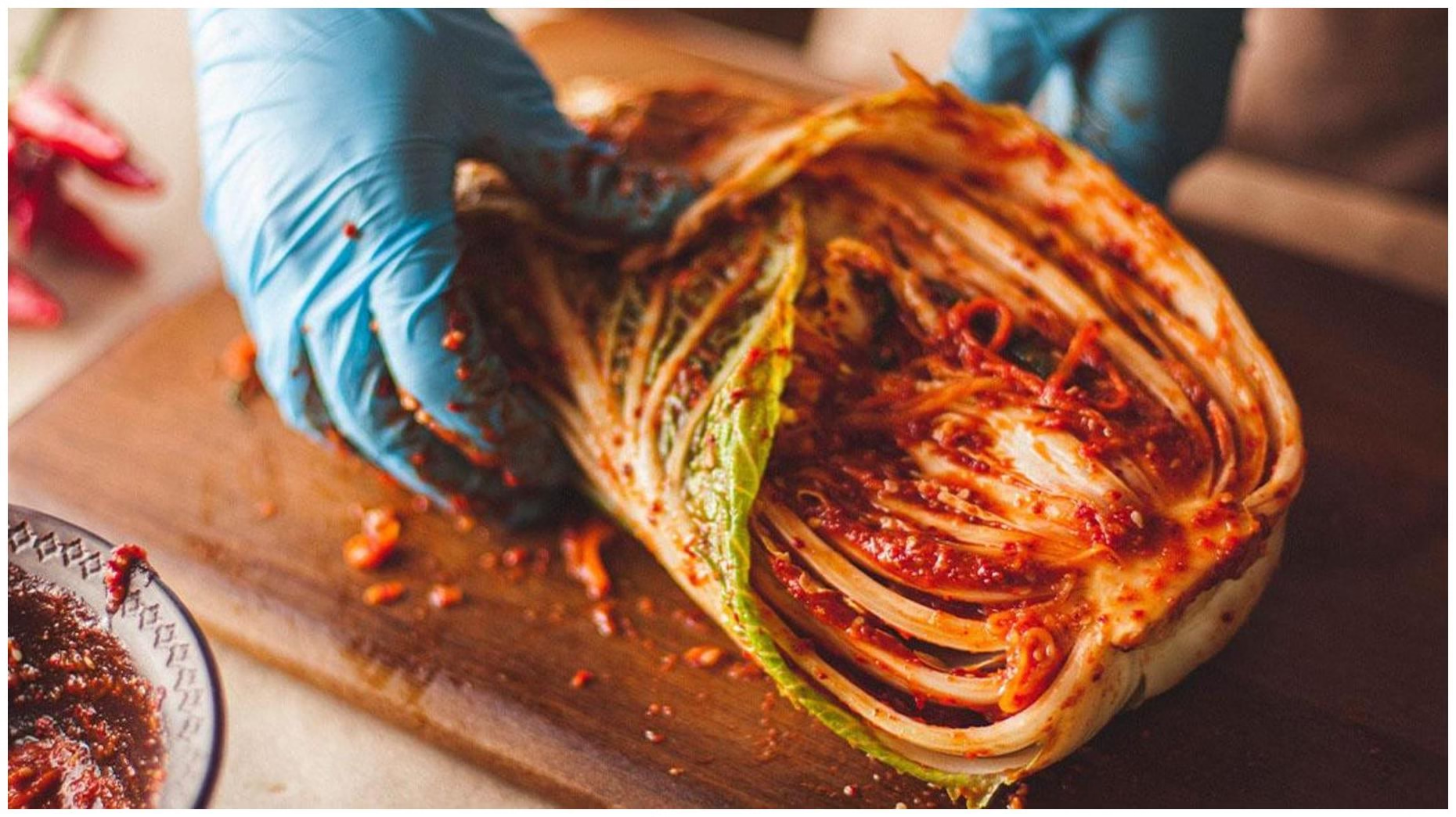
- Opt for Raw, Unpasteurized Kimchi: To maximize the probiotic benefits crucial for kimchi’s immune-boosting power, always choose kimchi labeled “raw,” “live cultures,” or “unpasteurized.” Heat treatment destroys beneficial bacteria.
- Introduce Kimchi Gradually to Kids: Start with small, finely chopped portions mixed into familiar dishes like fried rice or scrambled eggs. This subtle introduction helps children adapt to the unique flavor profile and embrace kimchi’s immune-boosting power.
- Balance Spice with Creaminess: If the spice level is too high for your family, serve kimchi alongside a dollop of plain yogurt, sour cream, or avocado. The fat helps to cut the heat and makes it more palatable.
- Beyond a Side Dish: Creative Kimchi Integration: Don’t limit kimchi to just a side. Incorporate it into sandwiches, wraps, pasta salads, or even as a topping for avocado toast to easily add its immune-boosting power.
- Master Homemade Kimchi Basics: Consider making a simple batch of homemade kimchi. This gives you full control over ingredients, spice levels, and fermentation, allowing for customization to your family’s taste.
- Store Kimchi for Optimal Freshness: Always keep your kimchi refrigerated in an airtight glass container. This slows the fermentation process, keeping it fresh longer and preserving its active probiotics.
- Combine with Prebiotic Foods: Enhance kimchi’s immune-boosting power by pairing it with prebiotic-rich foods like onions, garlic, and leeks. Prebiotics feed the beneficial probiotics, creating a healthier gut environment.
- Use Kimchi Juice in Dressings: Don’t discard the leftover kimchi juice! It’s packed with probiotics and flavor. Use it in salad dressings, marinades, or even as a base for quick dipping sauces to add an extra health kick.
- Experiment with Milder Kimchi Varieties: If traditional kimchi is too spicy, try “white kimchi” (Baek Kimchi), which contains no chili flakes and offers a much milder, refreshing taste, perfect for beginners.
- Don’t Overcook for Probiotic Benefits: While delicious in stews, excessive high-heat cooking can reduce the live probiotic count. For maximum probiotic intake from kimchi’s immune-boosting power, enjoy it raw or add it to dishes just before serving.