Masala Chai
Master the art of authentic Masala Chai with our easy recipe. Learn to brew rich, aromatic Indian spiced tea at home for a comforting experience.
Ready to awaken your senses with the ultimate comfort drink? Learning how to create an authentic Masala Chai Recipe at home is a journey into the heart of Indian culinary tradition. This isn’t just any tea; it’s a rich, aromatic, and deeply satisfying spiced milk tea that has captured the hearts of millions worldwide. Forget the store-bought powders and syrupy lattes – a homemade Masala Chai offers an unparalleled depth of flavor and warmth that will truly transform your tea-drinking experience.
Imagine the cozy aroma of cinnamon, cardamom, ginger, and cloves wafting through your kitchen, mingling with the robust notes of black tea and the creamy embrace of milk. Our comprehensive guide will walk you through every step, ensuring you master the art of this beloved beverage. Get ready to impress your friends and family with a brew that’s not just a drink, but a cultural experience.
Masala Chai Recipe – An Overview of Indian Spiced Tea
Masala Chai, literally meaning “spiced tea,” is a cornerstone of Indian culture and daily life. It’s more than just a beverage; it’s a ritual, a social lubricant, and a source of comfort and energy. While regional variations abound, the core elements remain consistent: strong black tea, fresh milk, and a blend of aromatic whole spices. This Masala Chai Recipe aims to bring that authentic experience directly to your cup.
The beauty of making your own authentic Masala Chai lies in the ability to customize. You can adjust the intensity of the spices, the sweetness, and the creaminess to perfectly suit your palate. This makes it an incredibly versatile drink, perfect for a morning boost, an afternoon pick-me-up, or a soothing evening treat.
The Heart of Authentic Masala Chai: Understanding the Spices
The magic of Masala Chai truly comes alive through its spice blend. While there’s no single “correct” combination, certain spices are staples. Green cardamom pods offer a sweet, floral note, while fresh ginger provides a spicy warmth. Cinnamon sticks add a woody sweetness, cloves contribute a pungent aroma, and black peppercorns introduce a subtle heat that elevates the entire profile. Experimenting with these spices is key to finding your perfect blend for this Masala Chai Recipe.
Each spice not only contributes to the flavor but also offers potential health benefits, ranging from aiding digestion to providing anti-inflammatory properties. This makes Masala Chai not just a delicious drink but a wholesome one too.
Choosing Your Spices for Authentic Masala Chai
For the truly best homemade chai, opt for whole, fresh spices whenever possible. Pre-ground spices lose their potency quickly, resulting in a less vibrant and aromatic brew. Whole spices, when lightly crushed just before use, release their essential oils, infusing the tea with maximum flavor. Seek out high-quality spices from reputable sources for your ultimate Masala Chai Recipe experience.
Look for plump green cardamom pods, fragrant cinnamon sticks that haven’t lost their color, and firm, unblemished ginger root. The freshness of your ingredients directly impacts the final taste, making this selection a crucial step in achieving authentic Masala Chai.
Grinding Spices for Maximum Flavor in Your Homemade Chai
Once you have your whole spices, a crucial step is to lightly crush them. This can be done using a mortar and pestle or by gently smashing them with the back of a heavy pan. The goal isn’t to create a fine powder, but rather to break open the pods and crack the spices, allowing their aromatic compounds to be released more effectively during brewing. This simple act unlocks a depth of flavor that pre-ground spices simply cannot match for your homemade chai.
For ginger, grating or finely mincing it maximizes its surface area, allowing its pungent, warm notes to infuse thoroughly. This preparation ensures that every sip of your Masala Chai Recipe is bursting with vibrant, fresh spice.
Ingredients for Your Best Masala Chai Recipe
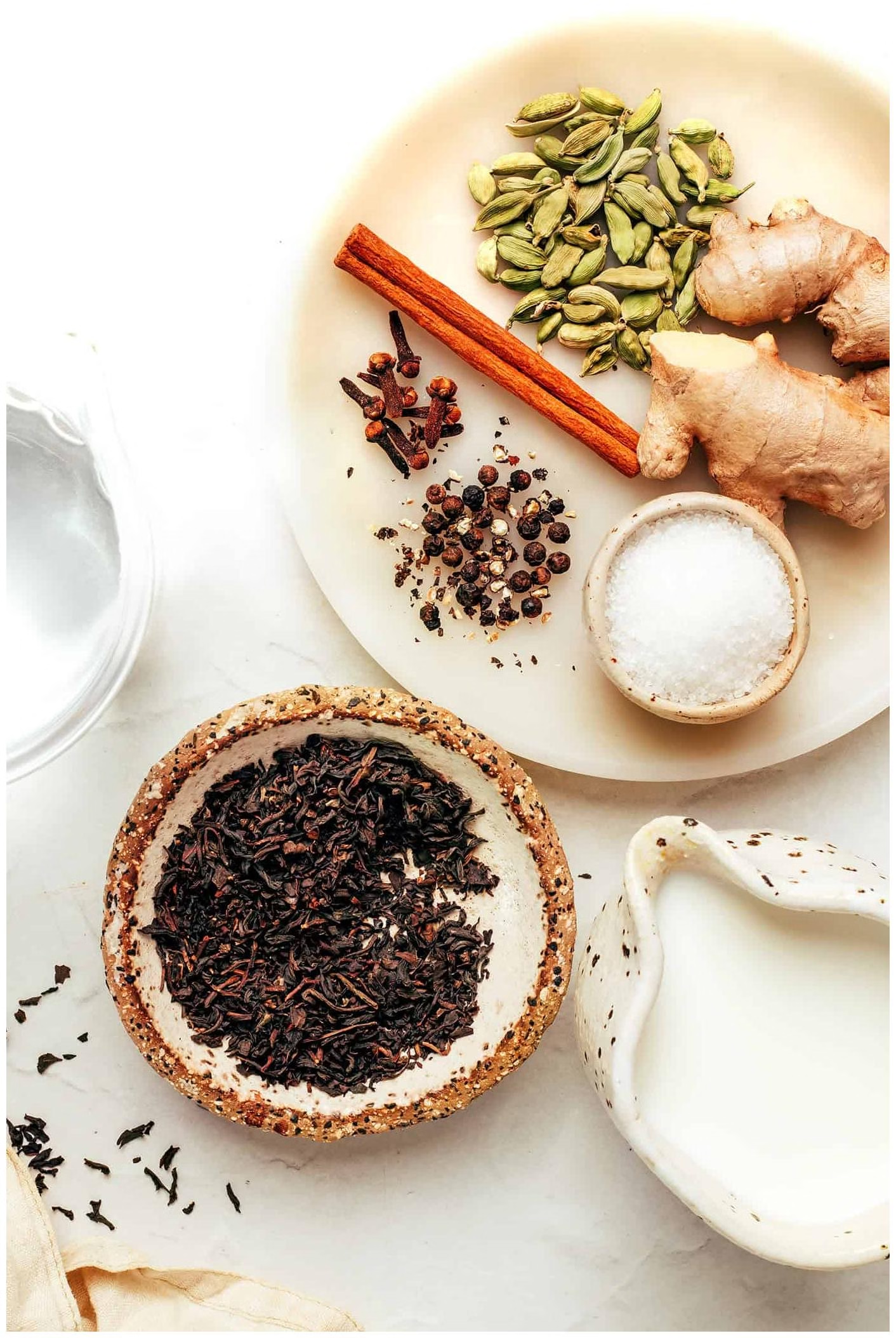
Crafting the perfect cup of Masala Chai begins with a thoughtful selection of ingredients. Quality truly makes a difference here, transforming a simple drink into an extraordinary experience. Here’s what you’ll need for a truly unforgettable Masala Chai Recipe:
- Water: The base of our tea, ensuring purity is key.
- Whole Spices:
- Green Cardamom Pods: Lightly crushed.
- Cinnamon Stick: A small piece, broken.
- Fresh Ginger: Grated or thinly sliced.
- Whole Cloves: A few pieces.
- Black Peppercorns: A few, lightly crushed.
- Black Tea: Strong black tea, such as Assam or Darjeeling CTC (Crush, Tear, Curl) grade, is ideal. For more insights, explore different types of black tea.
- Milk: Whole milk provides the creamiest and most traditional texture. You can also use 2% or even plant-based milks.
- Sweetener: Granulated sugar is classic, but honey, maple syrup, or jaggery can also be used to taste.
These ingredients, combined with careful preparation, form the foundation of a rich and flavorful Indian spiced tea. The ratios can be adjusted to your personal preference, allowing for a truly customized brew.
How to Make Masala Chai Recipe – Step by Step Guide
Follow these detailed steps to brew your own perfect cup of this authentic Masala Chai Recipe. The process is simple, but each stage contributes significantly to the final taste and aroma. Get ready to experience the true essence of Indian spiced tea.
Step 1: Prepare Your Spices for Authentic Flavor
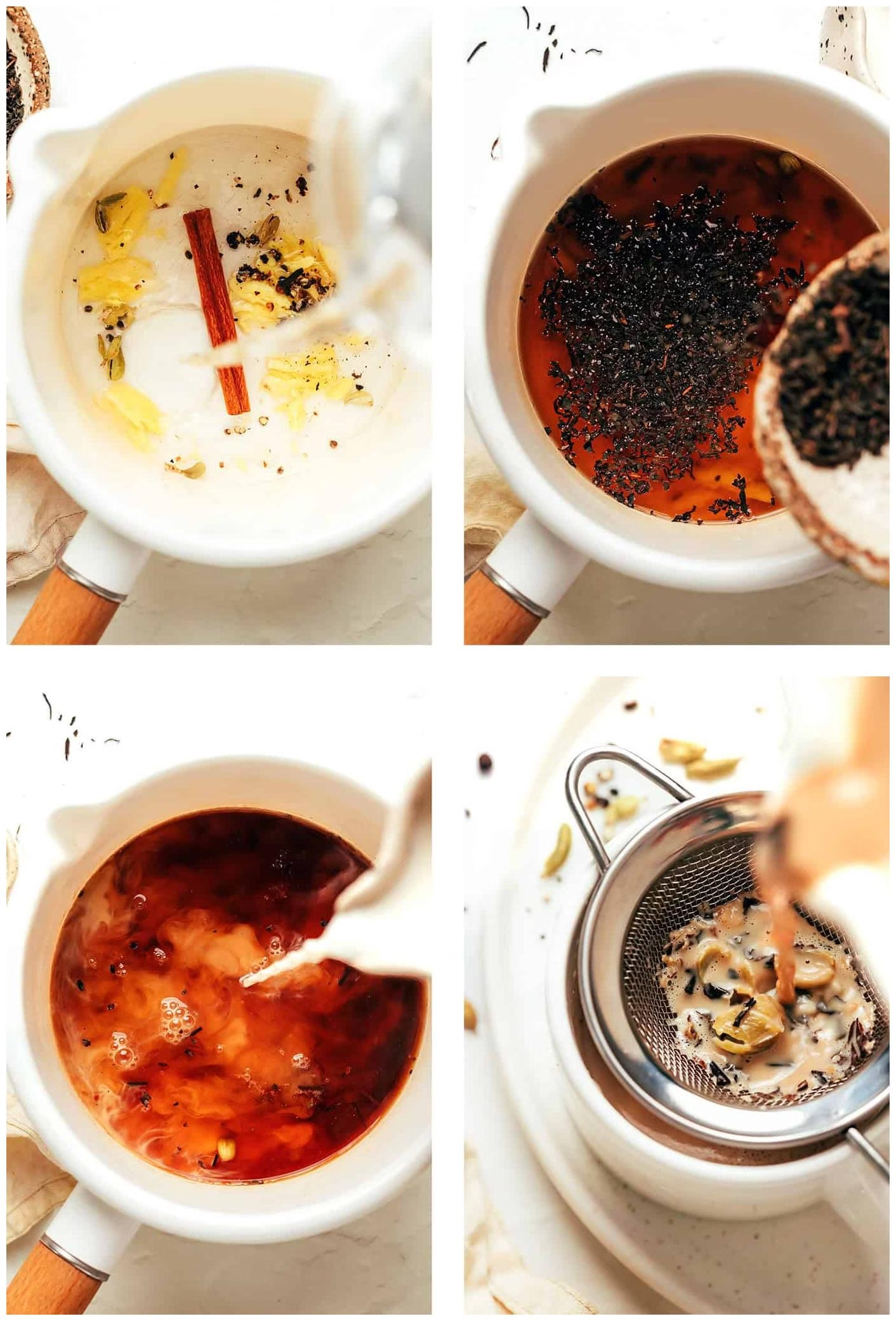
Begin by gathering your whole spices. Lightly crush the green cardamom pods, black peppercorns, and cloves using a mortar and pestle, or the back of a heavy spoon. Grate or thinly slice your fresh ginger. The goal is to break them open slightly to release their fragrant oils without turning them into a fine powder. This initial step is vital for a robust and flavorful homemade chai.
Step 2: Simmer and Brew the Aromatic Base
In a small saucepan, combine water, your crushed spices, and the broken cinnamon stick. Bring the mixture to a gentle boil over medium heat, then reduce the heat and simmer for 5-7 minutes. This allows the spices to infuse the water deeply, creating a potent aromatic base for your Masala Chai Recipe. The air will fill with a delightful fragrance.
Step 3: Add Black Tea, Milk, and Sweetener to Your Spiced Milk Tea
After the spices have simmered, add the black tea leaves to the saucepan. Continue to simmer for another 1-2 minutes, allowing the tea to brew and blend with the spices. Next, pour in the milk and add your desired amount of sweetener. Bring the mixture back to a gentle boil, then immediately reduce the heat to low and let it simmer for another 2-3 minutes, stirring occasionally. This helps to marry all the flavors and create a creamy consistency for your spiced milk tea.
Step 4: Strain and Serve Your Delicious Homemade Chai
Once your Masala Chai has reached your desired strength and creaminess, remove the saucepan from the heat. Carefully pour the chai through a fine-mesh strainer directly into your serving cups, ensuring all the loose tea leaves and whole spices are removed. Give it a gentle stir and serve hot. For an extra touch, you can froth a small amount of milk separately and spoon it on top.
Expert Tips for Perfect Results Every Time
Achieving a consistently excellent Masala Chai Recipe involves a few expert nuances. Beyond the basic steps, these tips will help you elevate your homemade chai from good to truly exceptional. Pay attention to the details, and your spiced milk tea will always be a crowd-pleaser.
One key is to use a good quality, strong black tea. CTC (Crush, Tear, Curl) varieties like Assam are popular for chai because they release their flavor quickly and stand up well to the spices and milk. Avoid delicate black teas, as their flavor can get lost. Additionally, don’t be afraid to taste as you go, especially when adding sweetener and simmering for strength.
Common Mistakes When Making Homemade Chai to Avoid
Making homemade chai is relatively straightforward, but there are a few common pitfalls that can diminish the quality of your brew. One frequent mistake is not simmering the spices long enough before adding the tea and milk. This results in a weak, one-dimensional flavor. Another error is over-boiling the milk aggressively, which can cause it to separate or develop an off-flavor. Always aim for a gentle simmer. Lastly, using stale or pre-ground spices will never yield the vibrant aroma and taste of an authentic Masala Chai Recipe.
Serving Suggestions for Your Spiced Milk Tea
Masala Chai is delightful on its own, but it also pairs wonderfully with a variety of snacks and treats. In India, it’s often enjoyed with savory street foods like pakoras or samosas, or sweet biscuits known as “rusk.” For a simpler pairing, consider serving your homemade chai with a slice of pound cake, or a simple buttered toast. The warmth and spice of the tea beautifully complement both sweet and savory flavors. For another delightful dessert, try a rich honey cake alongside your chai.
Consider offering a small bowl of extra sugar or honey on the side for guests to adjust the sweetness to their liking. A sprinkle of ground cinnamon or a single star anise on top can also add an elegant touch to your serving presentation. This makes the experience even more customizable and enjoyable.
Storage and Reheating Homemade Chai
While Masala Chai Recipe is best enjoyed fresh, you can certainly make a larger batch and store it. Once cooled, transfer the strained chai to an airtight container and refrigerate for up to 2-3 days. The flavors may even deepen slightly over time. For reheating, gently warm the chai on the stovetop over low to medium heat, stirring occasionally, until it reaches your desired temperature. Avoid boiling it vigorously, as this can alter the taste and texture of the milk.
If you plan to store it, consider making the spiced tea concentrate (without milk) and adding fresh milk when ready to serve. This often yields a fresher taste upon reheating. A quick stir or whisk before serving will help recombine any settled spices or milk solids, ensuring a smooth and consistent drink.
Variations and Substitutions for Your Masala Chai
One of the joys of a Masala Chai Recipe is its adaptability. Don’t be afraid to experiment with the spice blend or milk type to create a version that’s uniquely yours. This allows for endless customization, catering to different dietary needs or simply personal preferences. The core method remains the same, but the flavor profile can be dramatically altered.
For a richer flavor, some recipes include a tiny pinch of nutmeg or a single bay leaf during the spice simmering stage. If you enjoy a sharper, more intense ginger flavor, you can add an extra slice or two, perhaps like in our ginger lime cake. The possibilities are vast, ensuring that every batch of homemade chai can be a new adventure.
Customizing Your Spiced Milk Tea to Your Taste
Adjusting the spice levels is simple. If you prefer a milder chai, reduce the number of peppercorns and cloves. For a more intense ginger kick, add an extra piece of fresh ginger. Sweetness can also be tailored; some prefer their chai lightly sweetened, while others enjoy a more decadent treat. Taste as you go and don’t hesitate to add more of what you love to your spiced milk tea. This is your personal brew, after all!
Dairy-Free Masala Chai Options
For those avoiding dairy, an equally delicious version of this Masala Chai Recipe can be made with plant-based milks. Almond milk, oat milk, and soy milk are excellent choices, each lending a slightly different flavor profile. Oat milk often provides the creamiest texture, similar to whole milk, while almond milk offers a subtle nutty note. Ensure you use unsweetened varieties to control the sugar content yourself. For other dairy-free delights, explore our dairy-free lemon cake recipe. Just substitute it directly for the dairy milk in the recipe.
Nutritional Insights of Indian Spiced Tea
Beyond its incredible taste, Masala Chai offers some nutritional benefits, largely due to its spice content. Ginger is known for its anti-inflammatory properties and ability to aid digestion. Cardamom and cloves are rich in antioxidants. Black tea itself contains polyphenols that contribute to heart health. While the added sugar and milk contribute calories, enjoying a homemade chai in moderation can be a delightful and somewhat healthful indulgence. This makes your Masala Chai Recipe a wholesome choice.
Common Questions About Masala Chai Recipe
Whether you’re a seasoned chai enthusiast or new to the world of Indian spiced tea, it’s natural to have questions. This section addresses some of the most common queries we receive about making the perfect Masala Chai Recipe, ensuring your brewing journey is smooth and enjoyable. From ingredient choices to troubleshooting, we’ve got you covered. These insights will help clarify any doubts and enhance your confidence in preparing this delicious beverage.
- Embrace Whole Spices: For the most vibrant and aromatic Masala Chai Recipe, always use whole spices. Their essential oils are locked in until crushed, releasing a fresher, more potent flavor than pre-ground powders.
- Crush Spices, Don’t Powder: Use a mortar and pestle to lightly crush your whole spices. This breaks them open to release their flavors without turning them into a fine powder, which can make your chai gritty.
- Simmer Spices First: Before adding tea leaves or milk, simmer your crushed spices in water for 5-7 minutes. This crucial step extracts maximum flavor from the spices, building a robust base for your homemade chai.
- Use Strong Black Tea: Opt for a robust black tea like Assam CTC (Crush, Tear, Curl) grade. Its strong flavor stands up well to the rich spices and milk, preventing a watered-down taste in your spiced milk tea.
- Don’t Over-Boil Milk: Once milk is added, bring the chai to a gentle simmer, not a rolling boil. Aggressive boiling can cause the milk to separate or develop an undesirable cooked flavor.
- Taste and Adjust Sweetness: Add sugar or your preferred sweetener gradually, tasting as you go. This allows you to achieve the perfect balance for your palate, ensuring your Masala Chai Recipe is just right.
- Froth for Creaminess: For a cafe-style creamy texture, vigorously whisk or use an immersion blender to froth the chai just before serving. This incorporates air, making your spiced milk tea wonderfully velvety.
- Strain Thoroughly: Always use a fine-mesh strainer to remove all solid spice pieces and tea leaves. This ensures a smooth, enjoyable drinking experience, free from gritty bits.
- Make a Spice Blend Ahead: To save time, prepare a larger batch of your crushed spice blend and store it in an airtight container. This makes whipping up a fresh cup of Masala Chai quick and easy whenever the craving strikes.
- Experiment with Milk: While whole milk is traditional, don’t hesitate to try other options. Oat milk offers a similar creaminess, while almond or soy milk can provide delicious dairy-free alternatives for your homemade chai.