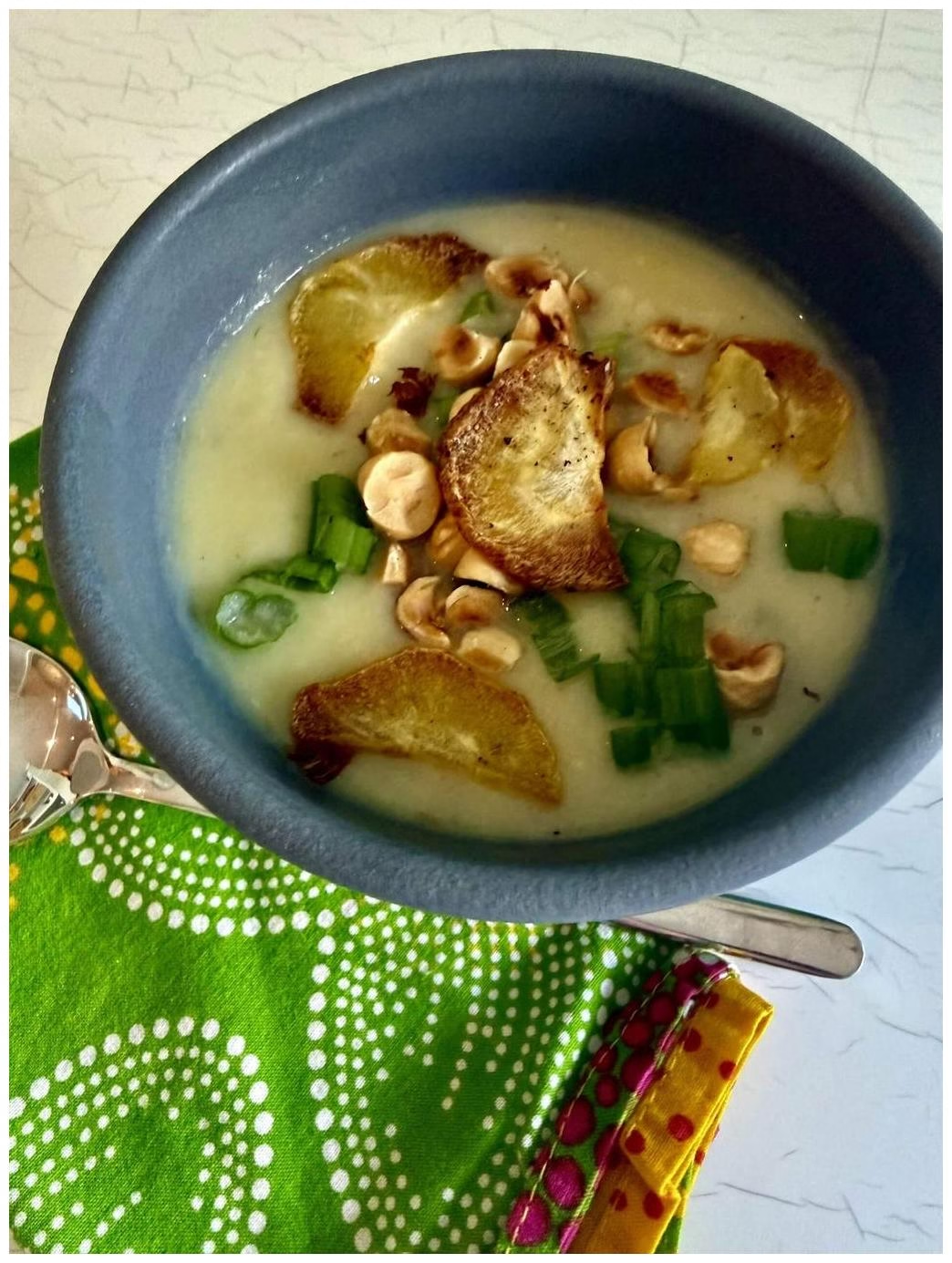
Discover amazing parsnip recipes for home cooks! Explore sweet, earthy, and nutty parsnip dishes, from comforting soups to roasted delights. Get easy parsnip cooking ideas now!
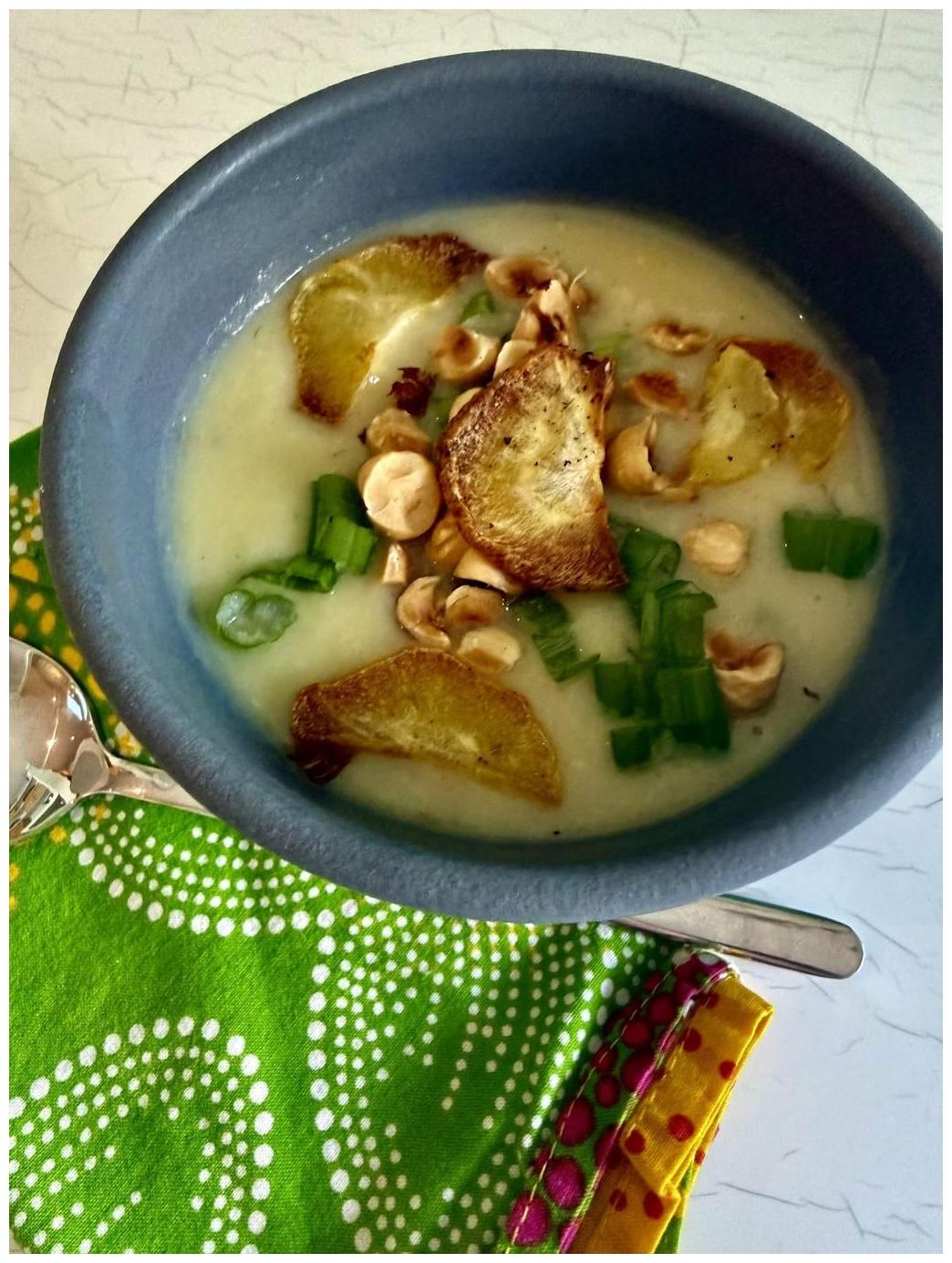
Ever wondered what magic lies beneath the soil, waiting to transform your meals with a unique blend of sweetness and earthiness? Parsnips, those often-overlooked root vegetables, hold a culinary secret that’s ready to be unlocked in your kitchen. If you’re a home cook or a busy family looking for delicious, healthy, and surprisingly versatile new additions to your meal rotation, then exploring incredible parsnip recipes is an absolute must. These humble roots, cousins to the carrot, boast a distinctive flavor profile that shifts from subtly sweet to deeply earthy and wonderfully nutty, especially when cooked to perfection.
Forget bland or predictable side dishes; parsnips are capable of starring in everything from comforting winter soups and hearty stews to surprisingly elegant roasted preparations and even unique desserts. Their adaptability makes them a fantastic ingredient for families seeking to expand their culinary horizons without needing complicated techniques or exotic ingredients. We’re here to guide you through five truly amazing ways to incorporate this nutritious and flavorful vegetable into your family’s favorite meals, proving just how adaptable and delightful parsnips can be, even for the busiest schedules.
Get ready to discover simple yet sensational parsnip recipes that will impress even the pickiest eaters and add a touch of gourmet flair to your everyday cooking. From quick weeknight meals to impressive holiday sides, parsnips offer a world of flavor waiting to be explored. Let’s dive into the fascinating world of parsnips and elevate your culinary skills with these fantastic root vegetable recipes that promise both deliciousness and ease!
Unearthing the Charm: Why Parsnip Recipes Deserve a Spot in Your Kitchen
Parsnips are far more than just a seasonal vegetable; they are a true culinary gem, offering a unique flavor and impressive nutritional benefits that make them ideally suited for a wide array of parsnip recipes. For home cooks and busy families, understanding the multifaceted appeal of this often-underestimated root vegetable is the crucial first step towards incorporating it more frequently and confidently into your weekly meal planning. What exactly makes parsnips so incredibly special, and why should you consider them a staple for your next family meal?
Firstly, let’s delve into their extraordinary flavor. Unlike the straightforward, one-note sweetness of a traditional carrot, parsnips present a complex, nuanced taste profile that deepens, sweetens, and becomes wonderfully rich upon cooking. Roasting them, for instance, triggers a magnificent caramelization of their natural sugars, transforming their initial subtle earthiness into a profoundly satisfying, almost butter-like nutty flavor that is truly irresistible. This remarkable versatility means they can seamlessly transition from being a star ingredient in savory main courses to even making unexpected, yet delightful, appearances in sweet treats. Imagine the culinary possibilities of adding this distinctive, sophisticated taste to your repertoire of family dishes – it’s genuinely a game-changer that opens doors to new and exciting flavors!
Beyond their unique and captivating taste, parsnips are also formidable nutritional powerhouses, offering substantial health benefits that make them an intelligent choice for any health-conscious household. They are an excellent source of dietary fiber, which is absolutely essential for maintaining healthy digestion, promoting regularity, and helping to sustain a feeling of fullness, thus making them a smart and satisfying option for anyone pursuing healthy eating goals. Furthermore, parsnips provide a significant amount of Vitamin C, a vital nutrient known for its immune-boosting properties, and Vitamin K, which plays a crucial role in bone health and blood clotting. They also contain valuable amounts of folate, potassium, and several other essential minerals that contribute to overall well-being. Integrating parsnips into your cooking regimen means you’re not just serving delicious food, but you’re also boosting your family’s nutrient intake without sacrificing an ounce of flavor or needing to resort to overly complicated root vegetable recipes.
Finally, and perhaps most appealingly for the modern household, parsnips are both incredibly versatile and wonderfully budget-friendly, making them an ideal choice for busy families striving to eat well without breaking the bank. They boast excellent storage capabilities, remaining fresh in your refrigerator for several weeks, and are generally inexpensive to purchase. Their inherent adaptability means they can be prepared in countless ways with minimal effort – whether mashed into a creamy side, roasted to golden perfection, pureed into luxuriously smooth soups, or even baked into comforting cakes. This flexibility significantly reduces meal prep stress, encourages culinary creativity, and allows you to easily experiment with a multitude of different parsnip cooking ideas throughout the week. You’ll quickly find that once you introduce them, these remarkable root vegetables seamlessly become a beloved and indispensable staple in your kitchen, offering endless delicious possibilities.
Classic Comfort: Warming Parsnip Soup Recipes for Chilly Days
When the crisp air of autumn descends or the biting chill of winter sets in, there’s arguably nothing quite as soul-satisfying and heartwarming as a steaming bowl of homemade soup to envelop you in comfort from the inside out. Parsnips, with their inherent sweetness and earthy undertones, lend themselves exquisitely to crafting creamy, comforting, and deeply flavorful soups. They offer a unique depth of flavor that is both immensely satisfying and distinctly elegant. If you’re actively seeking hearty, nourishing, and relatively simple parsnip soup recipes to add to your winter repertoire, these delightful options are sure to become cherished family favorites, perfect for a cozy evening at home after a long day.
The Velvety Smooth Parsnip & Apple Soup
This classic parsnip and apple soup is a symphony of flavors, expertly combining the robust earthy sweetness of parsnips with the delicate, subtle tartness of apples, creating a harmonious and incredibly smooth flavor profile that is truly enchanting. It’s a surprisingly elegant dish that tastes far more complex than its simple preparation suggests, making it perfectly suitable for any weeknight meal or even a casual dinner party. To prepare this exquisite soup, you’ll begin by gently sautéing finely chopped parsnips, a selection of apples (such as Granny Smith for tartness or Honeycrisp for balanced sweetness), aromatic onions, and a touch of minced garlic until all the vegetables are softened and fragrant. Next, you’ll introduce a generous amount of high-quality vegetable or chicken broth, bringing the mixture to a simmer and allowing it to cook until the parsnips are perfectly tender. The crucial step follows: blending the soup until it achieves a velvety smooth, luxurious consistency. A final splash of cream or a dairy-free alternative like coconut milk at the very end adds a rich, silken finish that elevates the entire dish. This soup is not only incredibly delicious but also serves as a fantastic, approachable way to introduce a variety of delightful root vegetable recipes to even the most discerning palates in your family.
The secret to achieving that coveted perfect velvety texture lies in the thoroughness of your blending. An immersion blender used directly in the pot is a convenient tool, or if using a stand blender, carefully transfer the hot soup in batches, ensuring the lid is vented to safely release steam. For an extra touch of gourmet appeal, consider garnishing your finished soup with a delicate swirl of cream, a sprinkle of fresh, vibrant chives, or a scattering of crunchy toasted pumpkin seeds for an extra layer of flavor and texture. This simple yet sophisticated soup stands as a shining testament to how truly delightful and surprisingly complex parsnip recipes can be when thoughtfully combined with complementary ingredients, creating a memorable culinary experience with minimal fuss.
Spicy Curried Parsnip Soup: A Flavorful Twist
For adventurous palates and those who revel in a delightful kick of warmth and spice, a curried parsnip soup offers an exciting, vibrant, and incredibly flavorful twist on the more traditional recipe. This invigorating soup expertly marries the inherent natural sweetness of parsnips with a medley of aromatic curry spices, the pungent brightness of fresh ginger, and the creamy richness of coconut milk, resulting in a dish that is simultaneously deeply comforting and wonderfully invigorating. Begin by gently sautéing finely diced onions, minced garlic, and freshly grated ginger until they become fragrant and translucent, building a foundational layer of flavor. Then, stir in a generous tablespoon or two of your preferred curry powder, allowing the spices to toast and bloom in the oil, releasing their full aromatic potential. Next, add the chopped parsnips and vegetable broth, bringing the mixture to a simmer and cooking until the parsnips are perfectly tender and easily pierced with a fork.
Once the parsnips are cooked to perfection, blend the soup until it is smooth and uniform, then stir in a can of rich, full-fat coconut milk. This addition not only provides incredible richness but also contributes a lovely, silky texture that is utterly luxurious. A final squeeze of fresh lime juice at the end is a crucial step; it brightens all the complex flavors, adding a zesty counterpoint that makes this a truly memorable and well-rounded dish. This innovative curried version brilliantly demonstrates that parsnip cooking ideas can be incredibly diverse, exciting, and globally inspired, especially when you dare to venture into the vibrant realm of international flavors. It’s an accessible and remarkably easy way to elevate your weeknight meals with a unique, delicious, and distinctly adventurous root vegetable recipe that your family will undoubtedly adore.
Exploring Nutty Parsnip Dishes: Roasting and Beyond
While parsnips undeniably excel in the realm of comforting soups, their true character, rich texture, and deepest flavors often shine brightest when subjected to the magic of roasting. The intense, dry heat of the oven masterfully caramelizes their natural sugars, intensifying their inherent sweetness and developing a wonderfully complex, almost browned-butter nutty flavor that is utterly addictive and surprisingly sophisticated. These nutty parsnip dishes are remarkably simple to prepare, requiring minimal hands-on time, and make for absolutely fantastic side dishes that can complement almost any main course, or even serve as delightful, healthy snacks. Let’s embark on a culinary journey to explore some truly irresistible ways to enjoy roasted parsnips that will undoubtedly have everyone at your table clamoring for seconds, transforming a humble root into a star!
Perfectly Roasted Parsnips with Honey-Glaze
Roasted parsnips, especially when adorned with a glistening, subtly sweet glaze, are nothing short of a culinary revelation. They possess the remarkable ability to transform a humble, unassuming root into a show-stopping side dish that can easily grace any holiday table or elevate a simple weeknight meal. The preparation process is incredibly straightforward and forgiving: begin by peeling your parsnips and then chopping them into uniform pieces. Spears, rounds, or even diagonal slices work exceptionally well, but consistency in size is key for even cooking. Next, toss these prepared parsnip pieces with a generous drizzle of good quality olive oil, a sprinkle of coarse sea salt, and freshly cracked black pepper. Spread them out in a single layer on a sturdy baking sheet, ensuring they have ample space to roast effectively without overcrowding, which can cause them to steam rather than caramelize. Roast them in a hot oven (around 400°F or 200°C) until they are beautifully tender when pierced with a fork and exhibit a lovely, lightly golden brown hue, typically taking about 20-25 minutes, depending on their size.
For that ultimate, irresistible glaze that adds an extra layer of sweetness and aroma, prepare a simple mixture of a tablespoon or two of local honey or pure maple syrup, perhaps infused with a touch of fresh, finely chopped thyme or rosemary for an herbaceous counterpoint. Drizzle this exquisite mixture generously over the parsnips during the final 5-10 minutes of their roasting time, allowing the sugars to gently caramelize and cling beautifully to the vegetables. The result is a dish that masterfully highlights the inherent sweet earthy parsnips notes, boasting a beautifully crisp exterior that gives way to a tender, flavorful interior. This method is not only one of the easiest but also arguably one of the most flavorful parsnip recipes you can effortlessly add to your culinary repertoire, making it perfect for impressive holiday meals or simply a comforting, gourmet-level weeknight side dish that your family will adore.
Crispy Parsnip Fries: A Healthier Side Dish
Are you actively searching for a healthier, yet equally satisfying, alternative to traditional potato fries that still delivers on that irresistible craving for something crispy, savory, and utterly delicious? Look no further than the delightful world of parsnip fries! These fantastic vegetable sticks offer a subtly sweet and distinctly earthy flavor profile, combined with a wonderfully satisfying crunch that makes them a superb addition to virtually any meal. They are an excellent way to sneak more root vegetables into your family’s diet without them even realizing it! To create these culinary wonders, start by peeling your parsnips thoroughly and then cutting them into uniform fry-shaped sticks, mimicking the classic appearance of french fries. The absolute key to achieving perfectly cooked parsnip fries is consistency in size, which ensures even baking and a uniformly crispy result.
Once your parsnips are prepped, toss the sticks with a light, even coating of good quality olive oil, a generous sprinkle of sea salt, freshly ground black pepper, and perhaps a pinch of smoky paprika or aromatic garlic powder for an extra boost of flavor. Spread them out in a single layer on a baking sheet that has been lined with parchment paper – it is absolutely crucial not to overcrowd the baking sheet, otherwise, the parsnips will steam and become limp instead of achieving that coveted crispiness. Bake them in a preheated hot oven (around 425°F or 220°C) for approximately 20-30 minutes, making sure to flip them halfway through the cooking process to ensure even browning and crisping, until they are beautifully golden brown and delightfully crunchy. These irresistible parsnip fries are a fantastic and innovative way to enjoy nutty parsnip dishes and present a wonderful, wholesome alternative among your usual collection of root vegetable recipes, sure to become a new family favorite!
Sweet Earthy Parsnips: Surprising Desserts and Mash
While parsnips are most frequently featured as a star ingredient in savory main dishes and side accompaniments, the true depth of their natural sweetness surprisingly shines when they are daringly incorporated into unexpected culinary creations. This includes everything from truly decadent desserts to luxuriously creamy, elevated side dishes that will redefine your perception of this versatile root. Don’t limit your culinary imagination to just savory options; these ingenious ideas for utilizing sweet earthy parsnips will unequivocally open up a whole new world of exciting flavor possibilities for your family meals, demonstrating the incredible range of this humble vegetable. Prepare to be delightfully surprised and enchanted by the unparalleled versatility of this incredible root vegetable and its potential to elevate both your main courses and your dessert table.
Decadent Parsnip Cake with Cream Cheese Frosting
Hold the phone, carrot cake – parsnip cake is here to claim its rightful and well-deserved place as a surprisingly delicious, incredibly moist, and utterly unique dessert! The cooked and meticulously pureed parsnips contribute an almost unbelievable amount of moisture, a subtle yet distinctive earthy sweetness, and a wonderfully tender crumb to the cake, much like its more famous carrot-based cousin. This delightful cake typically features a harmonious blend of warm, inviting spices such as aromatic cinnamon, fragrant nutmeg, and zesty ginger, alongside classic baking ingredients including rich brown sugar, farm-fresh eggs, all-purpose flour, and a touch of pure vanilla extract. The parsnip’s subtle, integrated flavor beautifully melds with these components, creating a truly unique and sophisticated dessert that will have everyone guessing the secret ingredient, and then demanding the recipe!
To achieve the ultimate indulgence, generously crown this delightful cake with a classic tangy cream cheese frosting. The exquisite combination of the moist, perfectly spiced cake and the creamy, sweet-tart frosting is simply irresistible and creates a perfect balance of flavors and textures that tantalizes the palate. This is undoubtedly one of those truly memorable parsnip recipes that will generate conversation and surprise, making people guess the secret ingredient, and they’ll be absolutely amazed when they discover it’s parsnips! It stands as an adventurous yet incredibly rewarding addition to your collection of sweet treats, definitively proving that humble root vegetables can indeed transcend their savory origins and become the undisputed star of a show-stopping dessert, expanding your repertoire of sweet earthy parsnips delights.
Creamy Parsnip Mash: An Elevated Alternative
For those seeking a sophisticated, flavorful, and incredibly comforting alternative to the ubiquitous traditional mashed potatoes, we wholeheartedly recommend trying a luxuriously creamy parsnip mash. Parsnips, when carefully boiled until exquisitely tender and then expertly mashed, develop a remarkably smoother texture, a subtly sweeter taste, and a far more complex flavor profile than potatoes alone can offer. This elevated mash is particularly sublime when served as an elegant accompaniment to rich, roasted meats, succulent poultry, or any hearty main course that could benefit immensely from a sweet, earthy, and perfectly balanced counterpoint. Its unique flavor adds a touch of gourmet flair to any meal, making it a favorite amongst those who appreciate refined root vegetable recipes.
To prepare this simple yet elegant dish, begin by meticulously peeling and chopping your parsnips into uniform pieces, ensuring even cooking. Then, boil them in salted water until they are exceptionally tender and easily mashed. Drain them thoroughly, removing all excess water. For optimal creaminess and richness, mash them with a potato masher or a sturdy fork, then stir in a generous knob of unsalted butter and a splash of warm milk or cream. Season the mash generously with sea salt and freshly ground white pepper to taste. Some culinary enthusiasts also enjoy adding a hint of freshly grated nutmeg or a few cloves of sweet, roasted garlic for an added layer of aromatic flavor and depth. This deceptively simple yet profoundly flavorful dish is a prime example of how easy it is to create comforting, delicious, and distinctly sophisticated parsnip cooking ideas that effortlessly elevate everyday meals into memorable dining experiences, showcasing the versatility of parsnips.
Mastering Parsnip Cooking Ideas: Step-by-Step Guidance
Achieving the absolute best results from parsnips starts with understanding a few fundamental, yet crucial, preparation and cooking techniques. Whether you consider yourself a seasoned culinary enthusiast or are just beginning your journey in the kitchen, these practical and easy-to-follow tips for handling parsnips will ensure that your parsnip recipes turn out perfectly delicious and beautifully textured every single time. Let’s walk through the essential steps, covering everything from meticulously selecting the freshest parsnips at the market to getting them impeccably ready for cooking, setting the stage for culinary success.
Selecting Fresh Parsnips
The inaugural and perhaps most vital step to creating truly great parsnip dishes is undoubtedly choosing fresh, high-quality vegetables from the outset. When selecting parsnips, look for roots that are remarkably firm to the touch throughout their entire length, completely free from any soft spots, blemishes, discolored patches, or undesirable sprouts. Opt for smaller to medium-sized parsnips, typically ranging from about 6 to 10 inches long; these generally possess the finest flavor, offer the most tender texture, and are significantly less likely to have developed a tough, woody core that can detract from your dish. It’s wise to avoid very large parsnips, as they can often be fibrous and surprisingly less sweet. The ideal color should be a uniform, creamy white, without any significant yellowing or brownish discoloration. Remember, freshness genuinely impacts the final taste and texture of all your root vegetable recipes, so choose wisely!
Prepping: Peeling, Trimming, and Cutting
Once you’ve secured your fresh, high-quality parsnips, proper and careful preparation is absolutely key to unlocking their full potential. While young, exceptionally tender parsnips might only necessitate a thorough scrub under running water, it’s generally highly recommended to peel parsnips, especially older or larger specimens, to effectively remove their tougher outer skin and any potential bitterness. Utilize a sharp vegetable peeler to remove the skin thinly and efficiently. Next, meticulously trim off both ends – the top where the stem was attached and the very tip of the root. If your parsnip happens to be particularly large, you might discern a fibrous, woody core running through its center; this inedible core absolutely must be removed. Achieve this by carefully slicing the parsnip lengthwise and then expertly cutting out the tough central part with a sharp knife. For optimal and consistent cooking, always cut parsnips into uniform pieces that are appropriate for your chosen parsnip cooking ideas – whether it’s neat rounds for roasting, precise cubes for soup, or evenly sized sticks for crispy fries, consistency is crucial for delicious results.
Basic Cooking Methods: Boiling, Roasting, and Mashing
Understanding and mastering the fundamental cooking methods for parsnips will unequivocally unlock a world of delicious parsnip recipes for your kitchen. Boiling parsnips until they are just tender (typically about 15-20 minutes for chopped pieces, depending on size) is the perfect preparation method for crafting smooth mashes or velvety purees, as it thoroughly softens them without overcooking. Always remember not to overcook them, as they can quickly become waterlogged and lose their distinct flavor. Roasting, as we’ve enthusiastically discussed, is an excellent technique for intensifying their natural sweetness and bringing out those delightful nutty notes; simply toss them with a good quality oil and your favorite seasonings, then bake at a high heat until they are beautifully tender and wonderfully caramelized. Mashing involves boiling, thoroughly draining, and then expertly mashing with a knob of butter, a splash of warm milk or cream, and generous seasonings until you achieve a smooth, creamy consistency. These fundamental culinary techniques are your essential starting point for preparing countless delicious parsnip dishes that are sure to impress and delight.
Common Parsnip Mistakes to Avoid for Delicious Results
Even when working with a seemingly straightforward and humble vegetable like the parsnip, there exist several common pitfalls and mistakes that can unfortunately prevent your otherwise promising parsnip recipes from reaching their full, delicious potential. Being acutely aware of these frequent missteps can genuinely save you from encountering bland, disappointingly mushy, or unpleasantly stringy results, thus ensuring that every single dish you painstakingly prepare with this remarkably versatile root vegetable is a resounding culinary success. Let’s meticulously examine what to consciously avoid to guarantee that your parsnip dishes are always a spectacular hit with your family and guests.
One of the most frequent and impactful mistakes made when cooking parsnips is undoubtedly overcooking them. Unlike sturdy potatoes that can generally tolerate a bit of extra boiling or simmering without much consequence, parsnips are far more delicate and can very quickly turn mushy, watery, and lose their desirable texture if cooked for even slightly too long, especially when boiled or steamed. This regrettable overcooking inevitably leads to a significant loss of their distinctive texture and their nuanced flavor. Always aim to cook parsnips only until they are just tender when gently pierced with a fork, and absolutely no further. This precise cooking is particularly crucial for crafting exquisite parsnip soup recipes, where the texture of the pureed vegetable contributes immensely to the overall appeal, mouthfeel, and lusciousness of the final product.
Another common and often overlooked oversight, particularly pertinent when dealing with larger or more mature parsnips, is the critical importance of not removing the woody core. As parsnips grow and mature, a noticeably fibrous, often inedible core can unfortunately develop right in their center. If this tough core is inadvertently left in, it can render your carefully prepared dishes unpleasantly stringy, tough, and significantly diminish the overall enjoyment of the meal. For the absolute best and most delectable parsnip recipes, it is always advisable to carefully check larger parsnips after cutting them in half lengthwise and diligently remove any tough, stringy central part with a sharp knife before proceeding with your chosen parsnip cooking ideas. This seemingly small but incredibly crucial preparatory step makes an enormous difference in the final mouthfeel, texture, and ultimate enjoyment of all your root vegetable recipes featuring parsnips.
Finally, a mistake that can unfortunately render your otherwise promising parsnip dishes tasting disappointingly dull or insipid is under-seasoning. While parsnips possess a wonderful and unique natural flavor, they benefit immensely from thoughtful and proper seasoning to truly shine. Therefore, do not be shy or hesitant with using generous amounts of sea salt and freshly ground black pepper. Beyond the basics, consider introducing aromatic herbs such as thyme, rosemary, or sage, which beautifully complement their earthiness, or warm, inviting spices like nutmeg, cinnamon, or even a hint of ginger, especially when you are preparing sweet earthy parsnips dishes or desserts. A subtle touch of natural sweetness from a drizzle of honey or pure maple syrup can also magnificently elevate their inherent flavors, creating a perfect balance. Experiment judiciously to discover the ideal seasoning combination that perfectly complements the natural sweetness and nuanced earthiness of these truly amazing and versatile vegetables, ensuring every bite is bursting with flavor.
Expert Advice for Elevating Your Root Vegetable Recipes
Transforming your parsnip dishes from merely good to truly exceptional often hinges on incorporating a few expert tips, professional techniques, and best practices into your cooking routine. These invaluable insights will empower you to consistently maximize the flavor, optimize the texture, and enhance the overall visual and gustatory appeal of all your root vegetable recipes, allowing you to confidently explore new and exciting culinary horizons with parsnips and other seasonal produce. By implementing these thoughtful suggestions, you can effortlessly add a touch of sophisticated, professional flair to your everyday home cooking, impressing both your family and any dinner guests.
Pairing with Complementary Flavors
Parsnips boast a wonderfully unique and complex flavor profile – simultaneously sweet, deeply earthy, and distinctly nutty – that pairs exceptionally well with a broad array of other ingredients. To truly enhance and elevate your parsnip recipes, consider these winning and harmonious flavor combinations that are guaranteed to delight the palate:
- Herbs: Fresh and dried herbs such as fragrant thyme, robust rosemary, earthy sage, and vibrant parsley are fantastic choices that beautifully bring out the deeper, earthy notes of parsnips.
- Spices: Warm and inviting spices like freshly grated nutmeg, aromatic cinnamon, zesty ginger, delicate cardamom, and even a subtle hint of curry powder expertly complement and amplify their natural sweetness. These spices are especially wonderful in sweet earthy parsnips preparations.
- Sweeteners: Natural sweeteners like rich honey, pure maple syrup, and dark brown sugar serve to intensify their inherent sugars, making them incredibly delicious, particularly in roasted applications or when creating parsnip-based desserts.
- Acids: A bright squeeze of fresh lemon juice, a delicate splash of apple cider vinegar, or the delightful tartness of crisp apples (as showcased in our parsnip and apple soup recipe) can brilliantly brighten and perfectly balance the inherent richness of parsnips, adding a zesty counterpoint.
- Fats: Rich, unsalted butter, high-quality olive oil, and luxurious cream not only add a wonderful richness but also effectively help to carry and distribute flavors throughout your parsnip dishes, enhancing the overall taste and mouthfeel.
Experimenting creatively with these diverse pairings will truly elevate your everyday parsnip cooking ideas into memorable culinary experiences.
Smart Storage and Batch Cooking Tips
Proper storage is absolutely crucial for significantly extending the usable life and maintaining the fresh quality of your parsnips, ensuring they are always ready when inspiration strikes. Always store them unwashed in a perforated plastic bag within the crisper drawer of your refrigerator, where they can remarkably last for several weeks without losing their freshness or firm texture. For busy families, adopting the strategy of batch cooking parsnips can be an absolute lifesaver for efficient meal planning. Consider roasting a large tray of parsnips at the beginning of the week; these can then be effortlessly used as a quick, delicious side dish, added to vibrant salads for extra texture and flavor, or incorporated into other meals throughout the week. You can also prepare a generous batch of parsnip soup and freeze individual portions for convenient, nutritious, and ready-to-eat meals on demand, providing a convenient solution for hectic evenings. These smart strategies make integrating more wholesome root vegetable recipes into your regular routine remarkably effortless and stress-free, ensuring delicious meals are always within reach.
Conclusion: Embrace the Versatility of Parsnip Recipes
From exquisitely comforting and velvety soups to delightfully crispy fries, and even surprisingly sophisticated and decadent desserts, the culinary world of parsnip recipes is undeniably rich with endless possibilities just waiting to be explored by every home cook and busy family. Throughout this comprehensive guide, we’ve meticulously explored how these humble yet extraordinary root vegetables, with their unique and captivating sweet, earthy, and distinctly nutty flavors, can be masterfully transformed into truly amazing dishes that are both exceptionally nutritious and incredibly delicious. Whether you find yourself simmering a luxuriously smooth parsnip soup on a chilly evening, expertly roasting honey-glazed nutty parsnip dishes for a festive gathering, or even daring to bake a surprisingly decadent parsnip cake for a special treat, you are embracing a vegetable that consistently brings remarkable depth, nuanced character, and undeniable elegance to any meal it graces.
Therefore, don’t allow parsnips to remain a forgotten or overlooked vegetable languishing in the produce aisle any longer. With these comprehensive parsnip cooking ideas, detailed recipes, and invaluable expert tips at your disposal, you now possess absolutely everything you need to confidently experiment, innovate, and ultimately discover new, cherished family favorites. So, next time you find yourself browsing the vibrant selection at the grocery store or local farmer’s market, make it a point to pick up a fresh bunch of parsnips and get ready to create some truly unforgettable root vegetable recipes that will impress and delight. Your taste buds, and most certainly your entire family, will undoubtedly thank you for introducing them to the magnificent versatility and unparalleled deliciousness of parsnips!

- Choose Smaller Parsnips for Best Flavor: For optimal tenderness and a more delicate flavor in your parsnip recipes, always opt for smaller to medium-sized parsnips. Larger ones can sometimes develop a tough, woody core that can detract from the dish’s texture, requiring extra preparation.
- Roast to Unleash Sweetness: High-heat roasting is the secret to bringing out the inherent sweet earthy parsnips flavors and creating a delightful caramelization. Toss them with a little oil and roast until tender and golden brown for a truly irresistible side dish.
- Don’t Discard the Greens: If your parsnips come with their greens attached, don’t throw them away! Parsnip greens are edible and have a peppery taste similar to parsley. Chop them finely and use them as a fresh garnish for parsnip soup recipes or incorporate them into salads for extra zest.
- Peel Wisely for Smooth Texture: While young, very tender parsnips might only need a good scrub, it’s generally best to peel older or larger parsnips. This removes the tougher outer skin and ensures a smoother, more pleasant texture in all your various parsnip dishes.
- Balance Flavors with Herbs & Spices: Parsnips pair wonderfully with a range of herbs like thyme and rosemary, and spices such as nutmeg, ginger, or a hint of curry. These additions can enhance their unique profile and prevent your nutty parsnip dishes from tasting bland.
- Proper Storage Extends Freshness: To keep your parsnips fresh for weeks, store them unwashed in a perforated plastic bag within your refrigerator’s crisper drawer. This method helps maintain their crispness and prevents premature spoilage, ensuring they’re ready for your next parsnip cooking ideas.
- Blanch Before Freezing for Convenience: If you’re faced with an abundance of parsnips, blanching them briefly in boiling water before freezing is a great way to preserve their quality. This makes them convenient for future use in soups, stews, or other root vegetable recipes.
- Even Cuts for Even Cooking: When preparing parsnips for roasting, frying, or adding to stews, ensure you cut them into uniform pieces. Consistent sizing is crucial for even cooking, preventing some pieces from becoming overcooked and mushy while others remain undercooked.
- Save Peels for Flavorful Broth: Maximize your ingredients by saving parsnip peels (along with other vegetable scraps) to make a homemade vegetable broth. This adds a subtle, sweet earthy depth to your stocks, which can then be used as a base for future parsnip soup recipes.
- Experiment with Sweet & Savory Blends: Don’t be afraid to experiment! Parsnips excel in both sweet and savory applications. Try blending them with sweet potatoes for a unique mash, or adding them to a winter fruit crumble for an unexpected twist, broadening your parsnip recipes repertoire.