
Pugliese Pizza
Pugliese pizza is a rustic Italian specialty from the Puglia region, featuring a crispy semolina crust topped with rich tomato sauce, mozzarella, and optional Pecorino Romano cheese. This authentic recipe brings the flavors of Southern Italy to your home kitchen.
Ingredients
- For the Dough:
- 300g strong bread flour
- 200g semolina flour (or all-purpose if semolina isn’t available)
- 7g sachet active dry yeast
- 1 tsp sugar
- 1 tsp salt
- 320ml warm water
- 2 tbsp olive oil, plus extra for greasing
- For the Topping:
- 400g canned crushed tomatoes (San Marzano if possible)
- 1 clove garlic, minced
- 1 tsp dried oregano
- Pinch of red pepper flakes (optional)
- 200g mozzarella, shredded
- 50g Pecorino Romano, grated (optional)
- Fresh basil leaves, for garnish
- Salt and black pepper to taste
Instructions
- Activate Yeast: In a large bowl, combine warm water, sugar, and yeast. Let sit for 5-10 minutes until foamy.
- Mix Dough: Add flours, salt, and olive oil to the yeast mixture. Mix with a spoon or your hands until a shaggy dough forms.
- Knead: Turn dough onto a lightly floured surface and knead for 8-10 minutes until smooth and elastic.
- First Rise: Place dough in an oiled bowl, cover, and let rise in a warm place for 1-1.5 hours, or until doubled in size.
- Prepare Topping: While dough rises, simmer crushed tomatoes with garlic, oregano, and red pepper flakes for 15-20 minutes. Season with salt and pepper.
- Shape Pizza: Gently punch down dough. On a lightly floured surface, stretch or roll dough into a large rectangular or round shape (about 12-14 inches). Transfer to a parchment-lined baking sheet.
- Second Rise (Optional but Recommended): Let the shaped dough rest for 15-20 minutes.
- Top & Bake: Spread tomato sauce over the dough, leaving a small border. Sprinkle with mozzarella and Pecorino (if using).
- Bake: Preheat oven to 220°C (425°F). Bake for 15-20 minutes, or until crust is golden and cheese is bubbly.
- Serve: Garnish with fresh basil and a drizzle of olive oil. Slice and enjoy!
Notes & Tips
- This recipe is incredibly versatile – feel free to add your favorite toppings like olives, capers, or grilled vegetables to make it your own. It’s truly a taste of Puglia, perfect for sharing with loved ones.
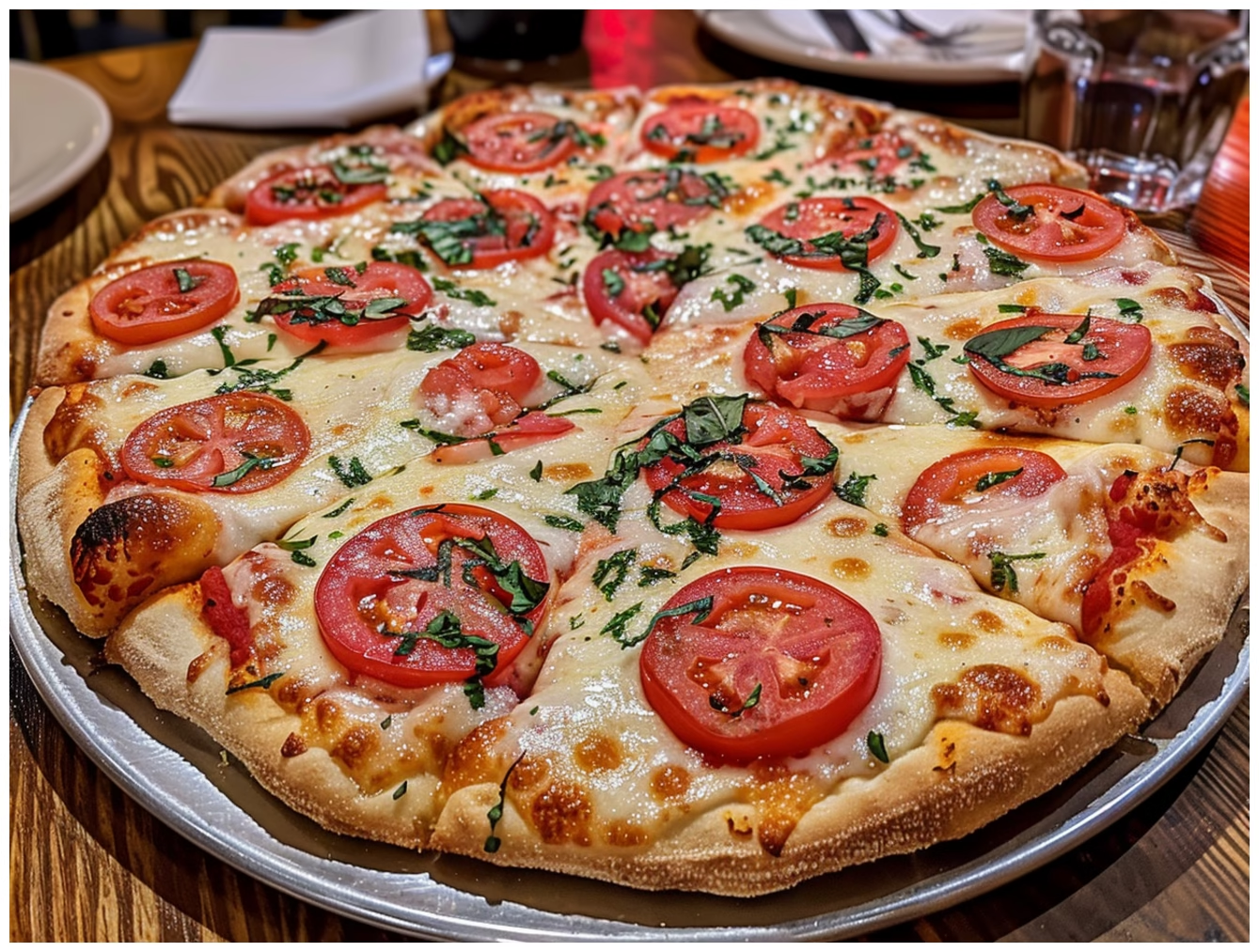
Have you ever wondered what makes Italian pizza so special? The secret often lies in regional variations like Pugliese pizza, a rustic and flavorful specialty from the sun-drenched region of Puglia in Southern Italy. This authentic Pugliese pizza recipe brings the heart of Italian cuisine to your home kitchen, offering a perfect balance of crispy crust, rich tomato sauce, and melty cheese that will transport your taste buds straight to the Mediterranean coast.
Making homemade Pugliese pizza might seem intimidating at first, but with the right guidance, you’ll discover it’s actually quite approachable. The beauty of this authentic Pugliese pizza lies in its simplicity – using quality ingredients and traditional cooking techniques to create something truly special. Whether you’re a seasoned home cook or just starting your culinary journey, this Pugliese pizza recipe will become a family favorite that you’ll return to again and again.
Why Pugliese Pizza Matters in Italian Cuisine
Pugliese pizza represents more than just another Italian dish – it embodies the culinary philosophy of Puglia, a region known for its agricultural abundance and simple, honest cooking. The use of semolina flour in the dough gives this authentic Pugliese pizza its distinctive texture and nutty flavor that sets it apart from other Italian pizza styles. Understanding the cultural significance of Pugliese pizza helps you appreciate why this recipe has endured for generations.
The History Behind Pugliese Pizza
The roots of Pugliese pizza trace back to the agricultural traditions of Southern Italy, where wheat and tomatoes were abundant crops. Farmers would create simple flatbreads using local semolina flour, topped with whatever ingredients were available from their gardens. This humble beginning evolved into the beloved Pugliese pizza recipe we know today, demonstrating how necessity and creativity can combine to create culinary masterpieces.
What Makes Pugliese Pizza Unique
Several factors distinguish authentic Pugliese pizza from other Italian pizza styles. The combination of bread flour and semolina creates a crust that’s both crispy and chewy, while the tomato sauce is typically cooked with garlic and oregano for a deeper flavor profile. The optional addition of Pecorino Romano cheese adds a sharp, salty note that perfectly complements the mild mozzarella. These elements work together to create a Pugliese pizza that’s distinctly different from Neapolitan or Roman styles.
Essential Ingredients for Perfect Pugliese Pizza
The success of any Pugliese pizza recipe depends heavily on the quality of ingredients used. Each component plays a crucial role in creating the authentic flavors and textures that make this Italian pizza so special. Let’s explore what you’ll need to create the perfect Pugliese pizza at home.
Choosing the Right Flour
The foundation of great Pugliese pizza begins with the flour. The traditional recipe calls for a combination of strong bread flour and semolina flour. Bread flour provides the necessary gluten structure for a chewy crust, while semolina flour – made from durum wheat – adds that characteristic golden color and slightly gritty texture that’s signature to authentic Pugliese pizza. If you can’t find semolina, all-purpose flour can work as a substitute, though you’ll miss some of that authentic texture.
The Importance of Quality Tomatoes
When it comes to the sauce for your Pugliese pizza, the tomatoes make all the difference. San Marzano tomatoes, grown in the volcanic soil near Mount Vesuvius, are considered the gold standard for Italian cooking. Their sweet flavor and low acidity create the perfect base for your sauce. If San Marzano tomatoes aren’t available, look for canned whole peeled tomatoes from Italy, which will provide a similar depth of flavor to your authentic Pugliese pizza.
Cheese Selection and Combinations
The cheese combination in Pugliese pizza is what creates its signature flavor profile. Fresh mozzarella provides that classic stretch and mild creaminess, while Pecorino Romano – if you choose to use it – adds a sharp, salty complexity that elevates the entire dish. The key is to use high-quality cheese and apply it in the right proportions – too much cheese can overwhelm the delicate balance of flavors in your Pugliese pizza.
Step-by-Step Guide to Making Pugliese Pizza
Creating the perfect Pugliese pizza at home is a rewarding process that combines patience with technique. This step-by-step guide will walk you through each stage, ensuring you achieve that authentic Italian flavor and texture every time.
Preparing the Perfect Pizza Dough
The foundation of any great Pugliese pizza is the dough. Start by activating your yeast in warm water with a touch of sugar – this step is crucial for developing the flavor and texture of your crust. Once your yeast is foamy and active, gradually incorporate your flours and salt, kneading until you achieve a smooth, elastic dough. The kneading process develops the gluten structure that will give your Pugliese pizza its characteristic chewiness.
After kneading, allow your dough to rise in a warm place until doubled in size. This first rise is essential for developing flavor and creating the light, airy texture that makes authentic Pugliese pizza so irresistible. Don’t rush this process – good things come to those who wait when it comes to pizza dough!
Creating the Signature Sauce
While your dough rises, you can prepare the sauce that will give your Pugliese pizza its distinctive flavor. Simmer crushed tomatoes with minced garlic, dried oregano, and a pinch of red pepper flakes if you like a bit of heat. The slow simmering process allows the flavors to meld together, creating a sauce that’s rich and complex without being overwhelming. Season with salt and pepper to taste, remembering that the cheese will also add saltiness to your finished Pugliese pizza.
Assembling and Baking Your Pizza
Once your dough has risen and your sauce is ready, it’s time to assemble your Pugliese pizza. Gently punch down the dough and stretch it to your desired shape – traditional Pugliese pizza is often rectangular rather than round. Transfer the shaped dough to a parchment-lined baking sheet, then add your sauce, leaving a small border around the edges. Top with mozzarella and Pecorino Romano if using, then bake in a preheated oven until the crust is golden and the cheese is bubbly and slightly browned.
Common Mistakes to Avoid with Pugliese Pizza
Even experienced home cooks can encounter challenges when making Pugliese pizza for the first time. Understanding these common pitfalls will help you avoid frustration and achieve better results with your authentic Pugliese pizza recipe.
One of the most frequent mistakes is overworking the dough. While kneading is important for developing gluten, too much handling can make your crust tough rather than tender. Another common error is using too much sauce – Pugliese pizza traditionally has a moderate amount of sauce that allows the crust and cheese to shine through. Finally, many home cooks make the mistake of baking at too low a temperature, which prevents the crust from developing that characteristic crispy exterior and chewy interior.
Expert Tips and Best Practices
Creating the perfect Pugliese pizza is both an art and a science. These expert tips will help you elevate your pizza-making skills and achieve results that rival your favorite Italian restaurant.
Temperature control is crucial when making Pugliese pizza. Ensure your water is warm but not hot when activating the yeast – too hot and you’ll kill the yeast, too cold and it won’t activate properly. When shaping your dough, handle it gently to preserve the air bubbles that create a light, airy crust. Consider using a pizza stone if you have one, as it helps create an evenly crispy bottom crust that’s characteristic of authentic Pugliese pizza.
Don’t be afraid to experiment with toppings while staying true to the Pugliese tradition. Local ingredients like olives, capers, or grilled vegetables can add interesting dimensions to your pizza while maintaining its authentic character. Remember that simplicity is often best – a few high-quality toppings will always surpass an overloaded pizza in terms of flavor and authenticity.
Conclusion: Mastering Your Pugliese Pizza Recipe
Creating authentic Pugliese pizza at home is a journey that combines traditional techniques with your personal touch. By understanding the history, selecting quality ingredients, and following proper techniques, you can create a Pugliese pizza that would make any Italian grandmother proud. Remember that practice makes perfect – each time you make this recipe, you’ll develop a better feel for the dough and a deeper understanding of the flavors that make Pugliese pizza so special.
The beauty of this Pugliese pizza recipe lies in its versatility and the joy it brings to family meals. Whether you’re cooking for a weeknight dinner or entertaining guests, this authentic Italian pizza offers a delicious way to bring people together around the table. So gather your ingredients, roll up your sleeves, and get ready to experience the wonderful world of Pugliese pizza – your taste buds will thank you!
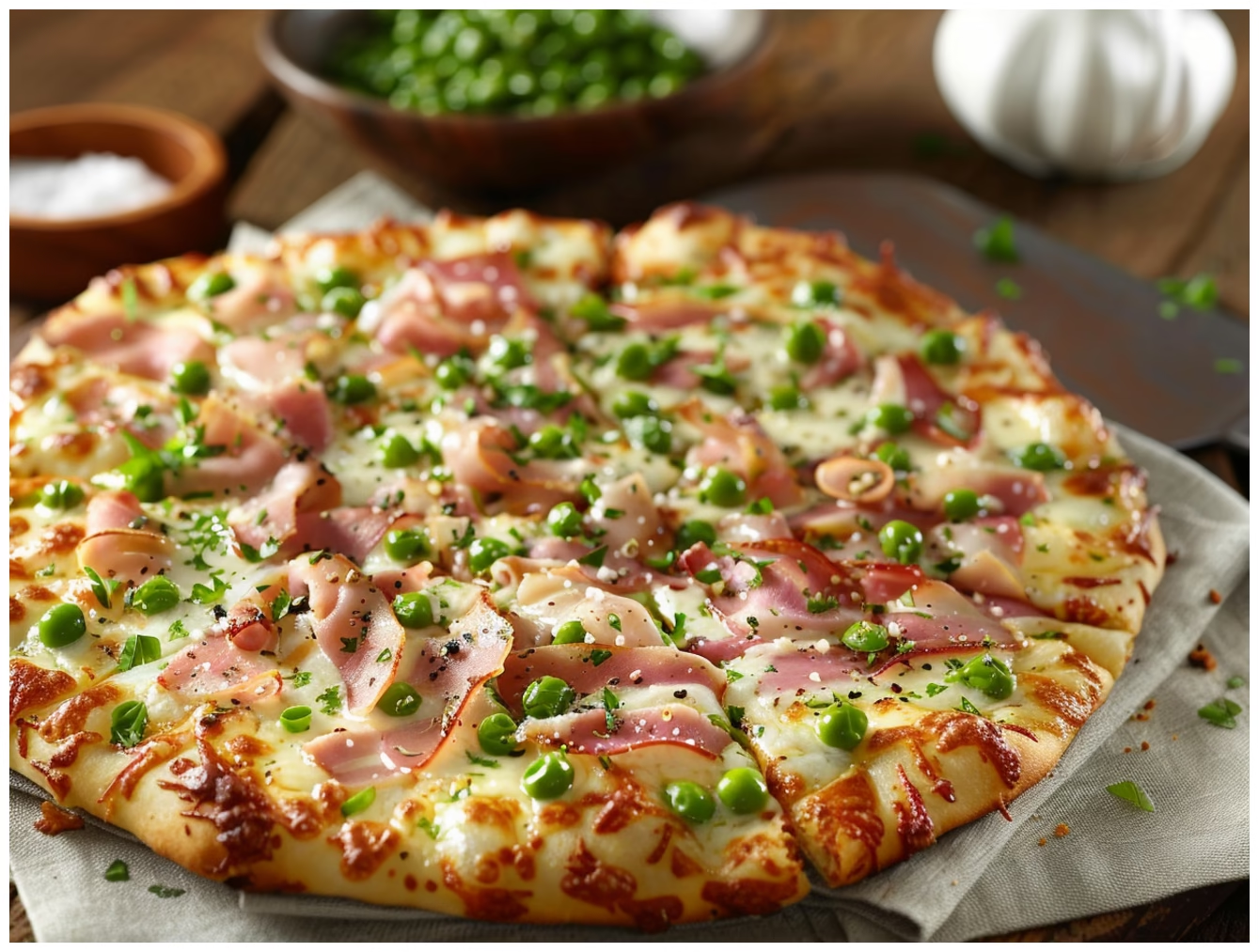
- Perfect Dough Temperature: Ensure your water is between 105-110°F when activating yeast. Too hot will kill the yeast, too cold won’t activate it properly for your Pugliese pizza dough.
- Semolina Secret: Don’t skip the semolina flour if possible. It gives authentic Pugliese pizza its characteristic golden color and slightly gritty texture that distinguishes it from other Italian pizza styles.
- Sauce Simmering Time: Allow your tomato sauce to simmer for at least 20 minutes. This slow cooking process develops the deep, rich flavors essential for authentic Pugliese pizza.
- Dough Rising Environment: Create the perfect rising environment by placing your covered dough in a slightly warm oven (turned off) with a bowl of hot water underneath. This humidity helps achieve optimal rise for your Pugliese pizza crust.
- Stretching Technique: Use your fingertips to gently stretch the dough rather than a rolling pin. This preserves the air bubbles that create the light, airy texture characteristic of authentic Pugliese pizza.
- Cheese Distribution: Distribute cheese evenly but don’t overload your pizza. Pugliese pizza traditionally has a balanced ratio of sauce, cheese, and crust for the perfect bite every time.
- Oven Temperature Accuracy: Use an oven thermometer to ensure your oven reaches the correct temperature. Authentic Pugliese pizza requires high heat (220°C/425°F) for that perfect crispy crust.
- Resting Period: Allow your shaped dough to rest for 15-20 minutes before adding toppings. This second rise creates a more tender crust and prevents the dough from shrinking back during baking.
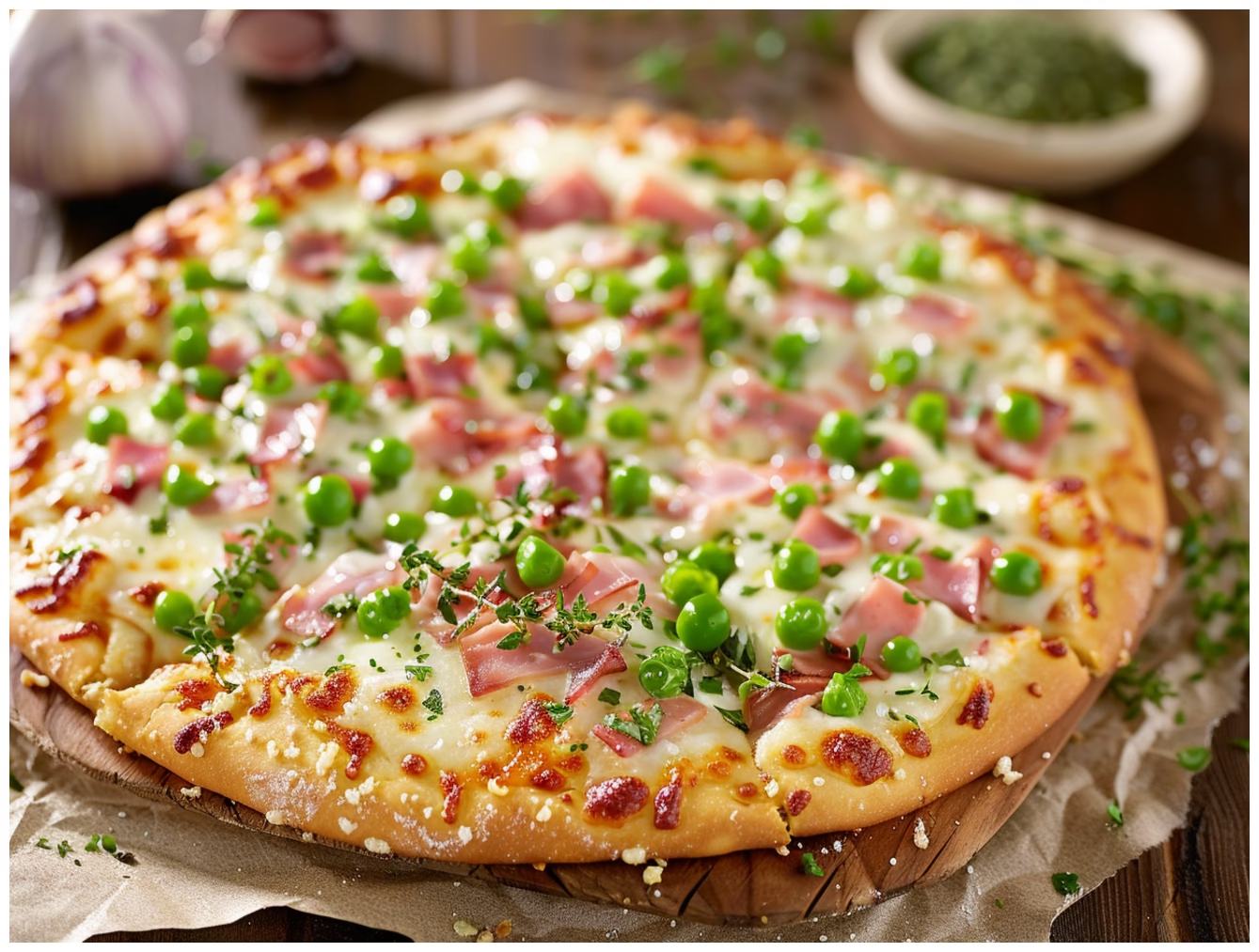
What is Pugliese pizza and how does it differ from other Italian pizzas?
Pugliese pizza is a traditional Italian pizza from the Puglia region, characterized by its use of semolina flour in the dough, which creates a golden, slightly gritty crust. Unlike Neapolitan pizza which uses only wheat flour, authentic Pugliese pizza has a distinctive texture and nutty flavor. The sauce is typically cooked with garlic and oregano, and the pizza often includes Pecorino Romano cheese alongside mozzarella, giving it a unique flavor profile that sets it apart from other Italian pizza styles.
How do I make the perfect Pugliese pizza dough at home?
To make perfect Pugliese pizza dough, combine warm water (105-110°F) with sugar and active dry yeast, letting it sit until foamy. Mix in bread flour, semolina flour, salt, and olive oil until a shaggy dough forms. Knead for 8-10 minutes until smooth and elastic, then let rise in a warm place for 1-1.5 hours until doubled in size. The key is using the right flour combination and allowing proper rising time to develop flavor and texture in your authentic Pugliese pizza.
Can I make Pugliese pizza without semolina flour?
Yes, you can make Pugliese pizza without semolina flour by substituting all-purpose flour for the semolina portion. However, you’ll lose some of the authentic texture and golden color that semolina provides. If you want to maintain the traditional characteristics of Pugliese pizza, try to find semolina flour at specialty stores or online. The semolina gives the crust its signature slightly gritty texture and nutty flavor that distinguishes authentic Pugliese pizza from other Italian pizza styles.
How long should I bake Pugliese pizza and at what temperature?
Bake your Pugliese pizza at 220°C (425°F) for 15-20 minutes, or until the crust is golden and the cheese is bubbly and slightly browned. The high temperature is crucial for achieving the perfect crispy exterior while maintaining a chewy interior. Use an oven thermometer to ensure accuracy, as many home ovens run cooler than their indicated temperature. The exact baking time may vary depending on your oven and the thickness of your crust, so watch carefully during the last few minutes of baking.
What are the best toppings for authentic Pugliese pizza?
Authentic Pugliese pizza traditionally features a simple combination of tomato sauce, mozzarella, and optional Pecorino Romano cheese, garnished with fresh basil. However, you can add traditional Puglian ingredients like black olives, capers, or grilled vegetables while maintaining authenticity. The key is to use high-quality ingredients and not overload the pizza – Pugliese pizza emphasizes the balance between crust, sauce, and toppings rather than quantity. Fresh herbs and a drizzle of good olive oil after baking can elevate your Pugliese pizza to restaurant quality.
Why is my Pugliese pizza crust tough instead of crispy and chewy?
A tough crust in your Pugliese pizza usually results from overworking the dough or not allowing proper rising time. When kneading, stop as soon as the dough becomes smooth and elastic – excessive kneading develops too much gluten, making the crust tough. Also ensure your dough rises in a warm, draft-free environment until doubled in size, as this fermentation process is crucial for developing the light, airy texture. Additionally, baking at too low a temperature can prevent the crust from developing its characteristic crispy exterior while maintaining a chewy interior.