
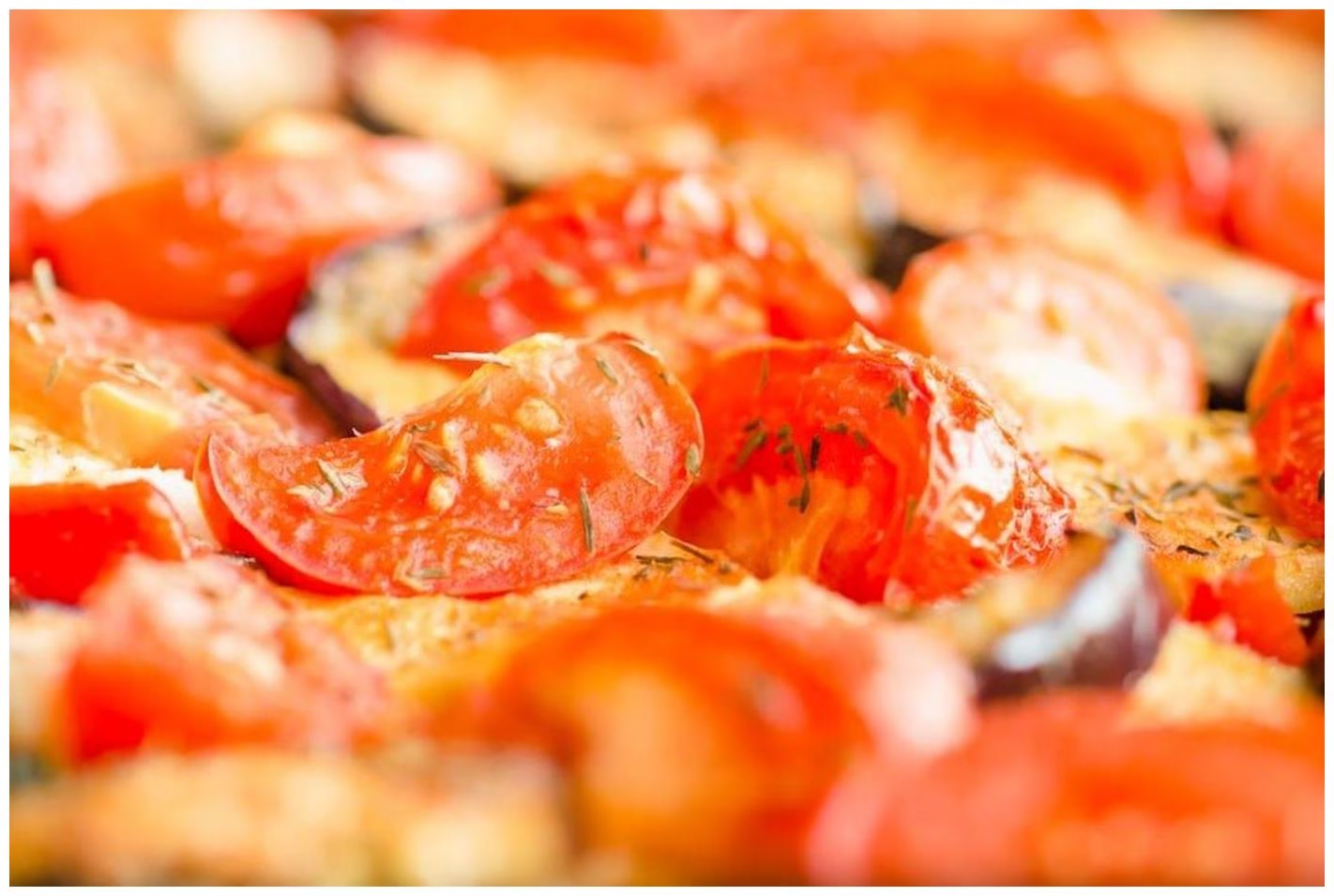
Traditional Ratatouille Provençal
Experience the classic flavors of Southern France with this timeless Ratatouille Provençal. This vibrant vegetable stew, rich with tender eggplant, zucchini, bell peppers, and tomatoes, slow-simmers to perfection, creating a comforting and aromatic dish perfect for any meal.
Ingredients
- 1 large eggplant, diced into 2 cm cubes
- 2 medium zucchinis, sliced into 1 cm rounds
- 1 red bell pepper, deseeded and chopped
- 1 yellow onion, finely chopped
- 3 cloves garlic, minced
- 1 (400g) can diced tomatoes, undrained
- 4 tbsp olive oil, divided
- 1 tsp Herbes de Provence
- 1/4 cup fresh basil leaves, chopped
- 1/2 tsp salt
- 1/4 tsp black pepper
Directions
- Heat 2 tbsp olive oil in a large heavy-bottomed pot or Dutch oven over medium heat. Add eggplant and cook, stirring occasionally, until lightly browned and softened, about 8-10 minutes. Remove eggplant and set aside.
- Add remaining 2 tbsp olive oil to the pot. Add zucchini and red bell pepper, cooking for 5-7 minutes until slightly tender.
- Add chopped onion and cook until softened, about 5 minutes. Stir in minced garlic and Herbes de Provence, cooking for 1 minute until fragrant.
- Return eggplant to the pot. Add diced tomatoes (with their juice), salt, and black pepper. Bring to a simmer, then reduce heat to low, cover, and cook for 25-30 minutes, stirring occasionally, until all vegetables are tender and flavors have melded.
- Stir in fresh basil just before serving. Taste and adjust seasoning if needed.
Tips
- Don’t overcrowd the pan when browning vegetables; cook in batches if necessary to achieve a nice sear.
- For a richer flavor, add a splash of red wine or a parmesan rind during simmering.
- Ratatouille tastes even better the next day as the flavors deepen.
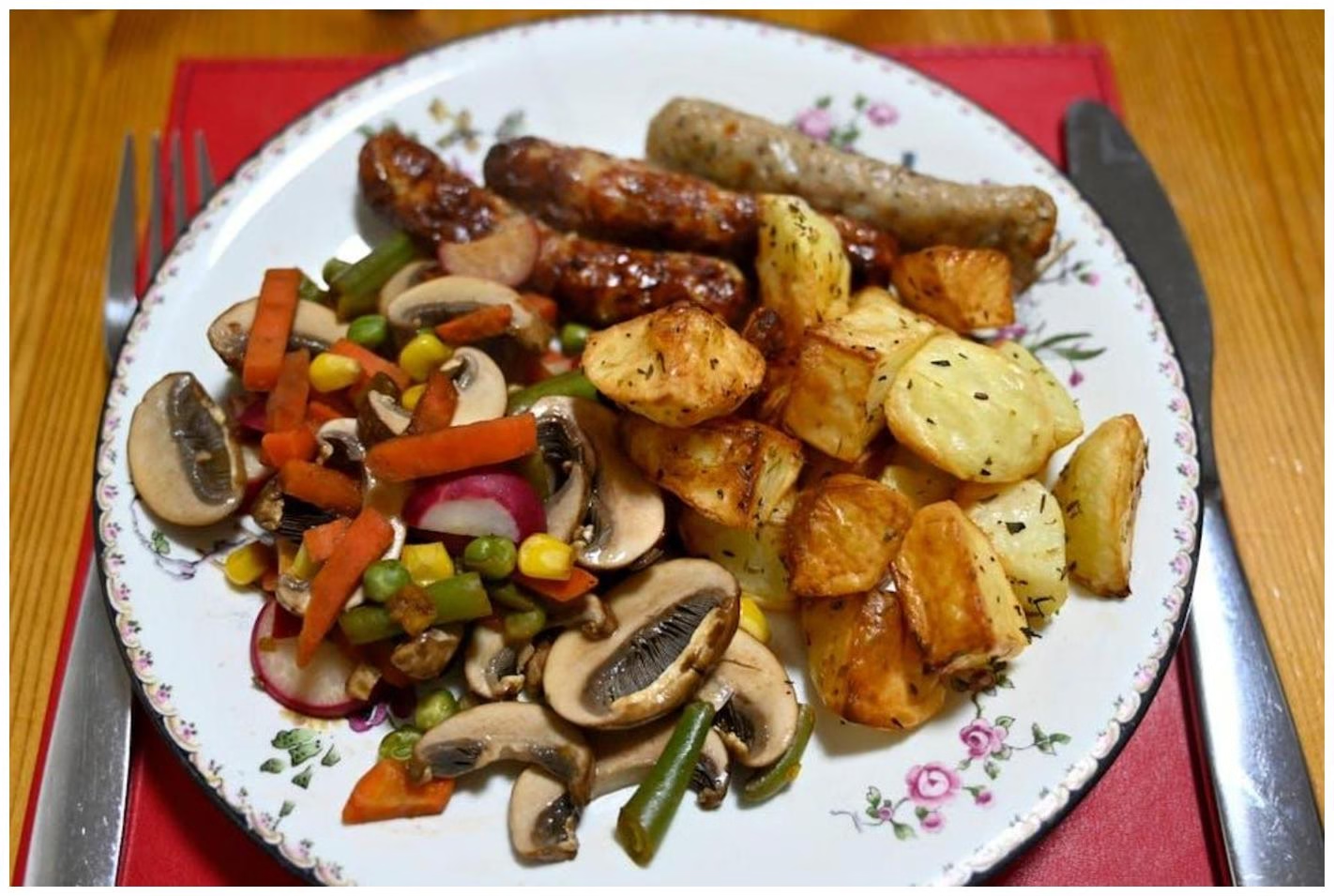
Herbed Roasted Vegetable Medley with Goat Cheese
Elevate your vegetable game with this simple yet elegant roasted medley, inspired by Provençal flavors. Fresh zucchini, yellow squash, and colorful bell peppers are tossed with herbs, roasted until tender, and finished with creamy goat cheese for a delightful side or light main.
Ingredients
- 2 medium zucchinis, sliced into 1 cm thick half-moons
- 1 yellow squash, sliced into 1 cm thick half-moons
- 1 orange bell pepper, deseeded and cut into 2 cm pieces
- 2 shallots, thinly sliced
- 1 cup cherry tomatoes, halved
- 3 tbsp olive oil
- 1 tsp dried oregano
- 1/2 tsp fresh thyme leaves, picked
- 1 tbsp balsamic vinegar
- 60g crumbled goat cheese
- 1/2 tsp salt
- 1/4 tsp black pepper
Directions
- Preheat oven to 200°C (400°F). Line a large baking sheet with parchment paper.
- In a large bowl, combine zucchini, yellow squash, orange bell pepper, shallots, and cherry tomatoes. Drizzle with olive oil, sprinkle with dried oregano, fresh thyme, salt, and black pepper. Toss well to coat all vegetables evenly.
- Spread the vegetables in a single layer on the prepared baking sheet.
- Roast for 20-25 minutes, or until vegetables are tender and slightly caramelized, stirring once halfway through.
- Remove from oven, drizzle with balsamic vinegar, and gently toss.
- Transfer to a serving dish and crumble goat cheese over the warm vegetables before serving.
Tips
- Ensure vegetables are in a single layer for proper roasting; use two baking sheets if needed.
- A sprinkle of red pepper flakes can add a subtle kick if you like a little heat.
- Leftovers are fantastic served cold in salads or as a bruschetta topping.
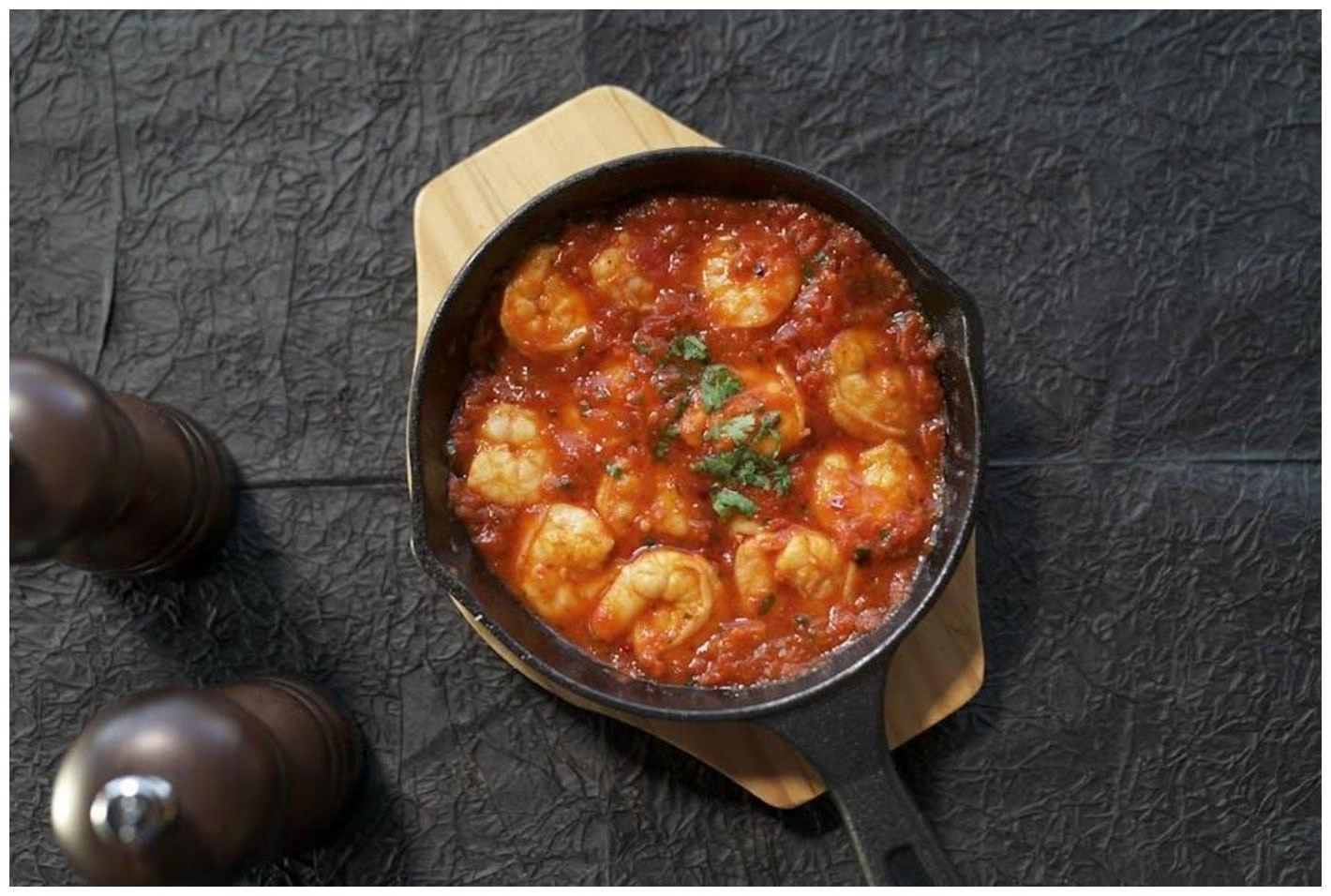
Hearty Provençal White Bean Skillet
This robust and comforting skillet dish brings the rustic charm of Provençal cooking right to your table. Plump cannellini beans simmered in a rich tomato sauce with bell peppers, onions, and aromatic herbs create a satisfying and flavorful vegetarian meal that’s surprisingly easy to make.
Ingredients
- 2 tbsp olive oil
- 1 red onion, chopped
- 2 cloves garlic, minced
- 1 green bell pepper, deseeded and chopped
- 1 (400g) can crushed tomatoes
- 1 (400g) can cannellini beans, rinsed and drained
- 1/2 cup vegetable broth
- 1 tsp smoked paprika
- 1/4 cup fresh parsley, chopped
- 1/4 tsp red pepper flakes (optional)
- 1/2 tsp salt
- 1/4 tsp black pepper
- Crusty bread, for serving
Directions
- Heat olive oil in a large skillet or shallow pot over medium heat. Add chopped red onion and cook until softened, about 5-7 minutes.
- Add minced garlic and green bell pepper. Cook for another 3-4 minutes until bell pepper starts to soften.
- Stir in crushed tomatoes, cannellini beans, vegetable broth, smoked paprika, red pepper flakes (if using), salt, and black pepper.
- Bring the mixture to a simmer, then reduce heat to low, cover, and cook for 15-20 minutes, allowing the flavors to meld and the sauce to thicken slightly.
- Stir in fresh parsley just before serving. Serve hot with crusty bread for dipping.
Tips
- To make it a more substantial meal, consider adding a handful of fresh spinach at the end, just until wilted.
- For a creamy texture, mash a quarter of the beans against the side of the pot.
- This skillet is also excellent served over rice or pasta.
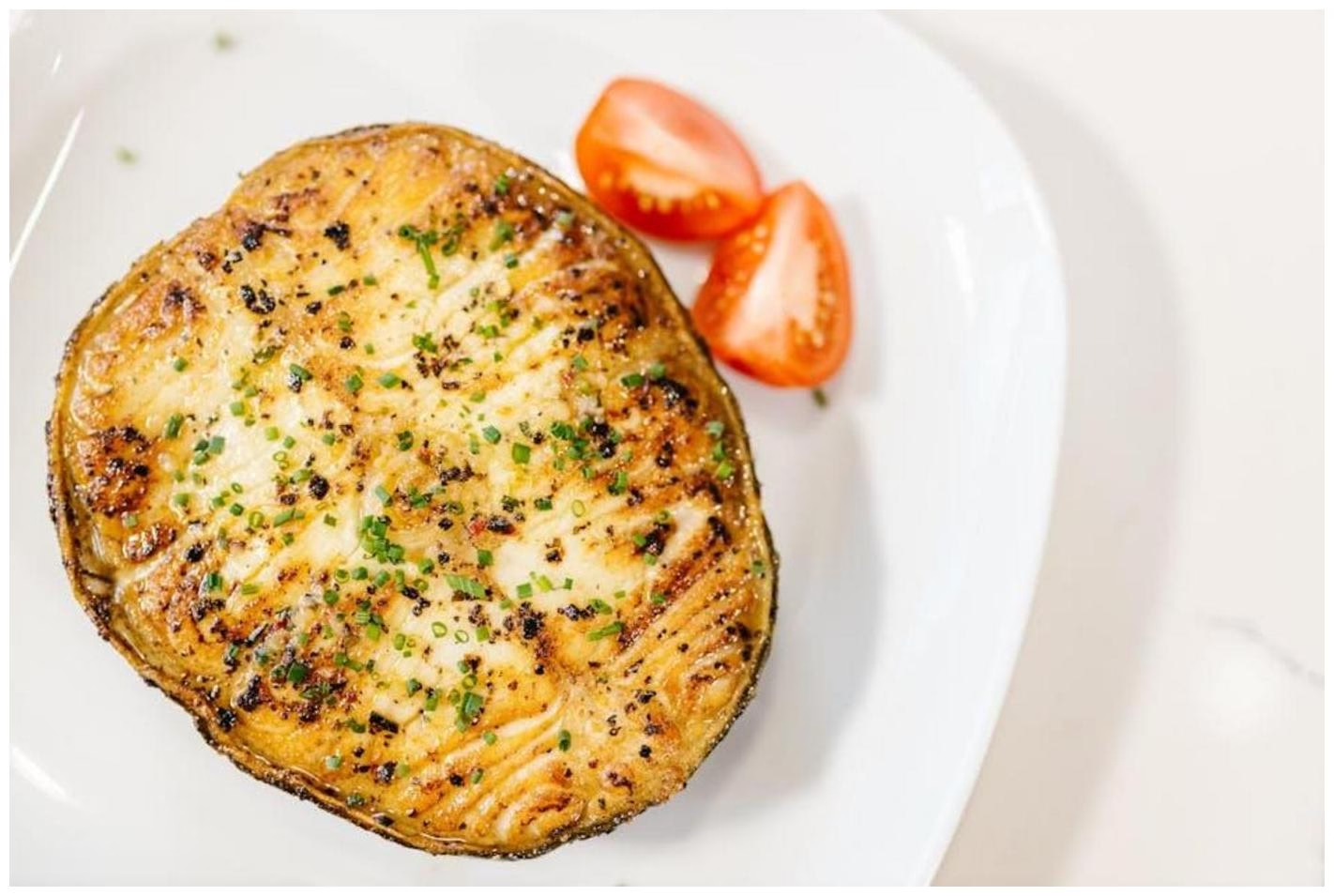
Lemony Minted Eggplant & Tomato Bake
Discover a fresh and vibrant take on Provençal vegetables with this zesty eggplant and tomato bake. Brightened with lemon and fresh mint, and accented with the crunch of toasted almonds and savory feta, it’s a wonderfully aromatic and wholesome dish.
Ingredients
- 1 large eggplant, cut into 1.5 cm rounds, then halved
- 3 large Roma tomatoes, sliced into 1 cm rounds
- 1 yellow bell pepper, deseeded and thinly sliced
- 4 spring onions (scallions), chopped (white and light green parts)
- 3 tbsp olive oil
- 2 tbsp fresh lemon juice
- 1/4 cup fresh mint leaves, roughly chopped
- 1/2 tsp ground cumin
- 60g crumbled feta cheese
- 1/4 cup toasted almonds, roughly chopped
- 1/2 tsp salt
- 1/4 tsp black pepper
Directions
- Preheat oven to 190°C (375°F). Lightly grease a large baking dish.
- In a large bowl, combine eggplant, Roma tomatoes, yellow bell pepper, and spring onions. Drizzle with 2 tbsp olive oil, lemon juice, ground cumin, salt, and black pepper. Toss gently to ensure all vegetables are coated.
- Arrange the vegetables in a single layer in the prepared baking dish.
- Bake for 30-35 minutes, or until the vegetables are tender and lightly browned, flipping halfway through.
- Remove from oven. Drizzle with the remaining 1 tbsp olive oil.
- Sprinkle with fresh mint, crumbled feta cheese, and toasted almonds before serving.
Tips
- For extra flavor, lightly salt the eggplant slices and let them sit for 15-20 minutes before patting dry to draw out bitterness.
- A dash of sumac alongside the cumin can enhance the lemony Mediterranean profile.
- Enjoy this bake warm or at room temperature as a side dish or light lunch.
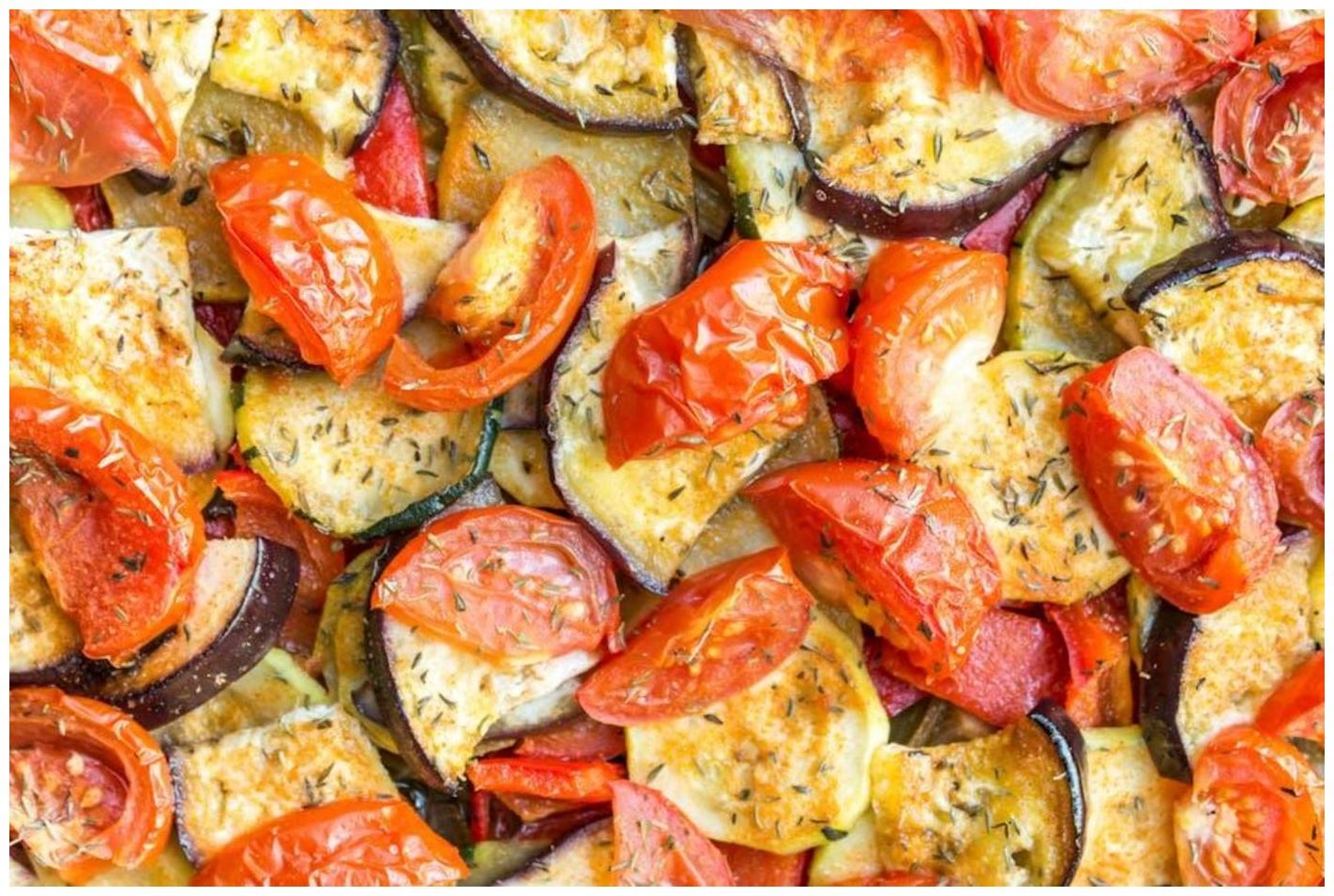
Ratatouille Provençal — A Taste of Sunshine and Tradition
Ever wonder about those vibrant, comforting vegetable dishes that just sing of summer? For home cooks and busy families seeking both flavor and nutrition, few dishes capture the essence of Mediterranean charm quite like Ratatouille Provençal. This iconic French stew, bursting with sun-ripened vegetables, isn’t just a meal; it’s an experience, a journey to the sun-drenched fields of Provence with every forkful. But what exactly makes a truly authentic Ratatouille Provençal, and why has it remained a beloved staple for centuries?
Many imagine complex techniques when they hear its name, yet the beauty of traditional Ratatouille Provençal lies in its simplicity and the quality of its ingredients. It’s a dish that celebrates the bounty of the garden, transforming humble vegetables into a symphony of flavors. Are you ready to dive into the rich history and versatile appeal of this culinary classic?
Whether you’re looking for a healthy weeknight dinner or a delightful side dish for entertaining, mastering this Provençal staple will elevate your cooking repertoire. Let’s explore the origins, benefits, and best practices for creating an unforgettable Traditional Ratatouille Provençal that will impress everyone at your table.
Why Ratatouille Provençal Matters in Today’s Kitchen
In an age where fresh, wholesome ingredients are increasingly valued, Ratatouille Provençal stands out as a beacon of healthy eating. This dish offers a fantastic way to incorporate a variety of vegetables into your diet, providing essential vitamins and minerals without sacrificing taste. It’s naturally vegan and gluten-free, making it an excellent choice for diverse dietary needs and preferences.
The Nutritional Powerhouse of Ratatouille Provençal
Think about the core ingredients: eggplant, zucchini, bell peppers, tomatoes, and onions. Each contributes significantly to your well-being. Eggplant, for instance, is rich in antioxidants, while zucchini offers a good source of Vitamin C and potassium. Bell peppers are packed with Vitamin A and C, and tomatoes are known for their lycopene content. Combined, they create a nutrient-dense meal that supports overall health.
A Culinary Canvas for Creativity
Beyond its health benefits, Ratatouille Provençal is incredibly versatile. While the traditional recipe calls for specific vegetables, you can adapt it to what’s in season or what you have on hand. It serves beautifully as a main course, a hearty side, or even a base for other dishes. Have you considered serving it alongside a perfectly baked chicken tenders for a complete meal? Its adaptability is one of its greatest strengths, encouraging home cooks to experiment and make it their own.
Ratatouille Provençal — Unpacking its Rich History and Cultural Roots
The story of Ratatouille Provençal is as colorful as the dish itself, deeply intertwined with the culinary heritage of Southern France. Originating in Nice, the word “ratatouille” comes from the Occitan word “ratatolha,” which translates to “to stir up.” It was traditionally a peasant dish, born out of necessity and ingenuity, making the most of the summer harvest.
From Humble Origins to Global Recognition
Historically, Ratatouille was a simple stew of garden vegetables, cooked slowly together. Over time, particularly in the 20th century, the dish evolved, with chefs and home cooks experimenting with different preparation methods. The more elegant, layered presentation, often seen today, gained popularity, though the soul of the dish – the slow simmering of fresh produce – remains unchanged. It’s a testament to how simple ingredients can create profound flavors.
The Provençal Way of Life on a Plate
Provence is synonymous with sunshine, lavender fields, and incredible produce. Ratatouille embodies this spirit entirely. It reflects a culinary philosophy that values fresh, local ingredients and slow cooking. Every spoonful connects you to the idyllic landscape and a way of life that celebrates good food and shared moments. It’s more than just food; it’s a piece of Provençal culture you can recreate in your own kitchen. You can even find modern interpretations and related dishes like Herbed Roasted Vegetable Medley with Goat Cheese that build on its vegetable-centric foundation.
Mastering the Techniques for Authentic Ratatouille Provençal
Achieving that perfect balance of tenderness and distinct flavor in your Ratatouille Provençal hinges on a few key techniques. While some purists argue for cooking each vegetable separately, a careful layering and slow simmering method can also yield exceptional results. The goal is to allow each vegetable to retain its integrity while melding into a harmonious whole.
The Art of Sautéing Vegetables Separately (or Smartly)
Traditionalists often advocate for sautéing each vegetable — eggplant, zucchini, and bell peppers — individually before combining them. This process helps to extract excess moisture, intensifies their flavors, and prevents them from turning mushy when stewed. While it adds a step, it’s a technique that truly elevates the final dish, ensuring distinct textures and vibrant colors. However, modern approaches sometimes combine some steps for efficiency, especially when time is tight.
The Slow Simmer: Key to Flavor Development
Once the vegetables are prepared, the magic truly happens during the slow simmer. This is where the flavors deepen and meld, creating that signature rich, aromatic profile of Ratatouille Provençal. A good quality tomato base, infused with garlic and herbs like thyme and bay leaf, acts as the unifying element. Allowing it to gently bubble, undisturbed, is crucial for developing the depth of flavor that makes this dish so comforting. Are you giving your vegetables enough time to truly get to know each other in the pot?
Serving Suggestions and Beyond: Enjoying Your Ratatouille Provençal
One of the joys of making Ratatouille Provençal is its incredible versatility in serving. It transitions effortlessly from a rustic main course to a sophisticated side dish, complementing a wide array of proteins and grains. Its vibrant flavors and textures make it a welcome addition to any meal, proving that vegetable dishes can be both satisfying and exciting.
Perfect Pairings for Your Vegetable Medley
Serve your ratatouille provencal warm or at room temperature. It’s delightful alongside grilled fish, roasted chicken, or even a simple fried egg for a light lunch. For a heartier meal, consider pairing it with a robust dish like braised short ribs or a creamy polenta. Its bright, herbaceous notes cut through richer dishes beautifully, creating a balanced and memorable dining experience.
Creative Uses for Leftover Ratatouille Provençal
Don’t let any leftovers go to waste! Ratatouille Provençal is fantastic the next day, as the flavors continue to develop. Try spooning it over crusty bread for a quick bruschetta, tossing it with pasta, or even using it as a topping for homemade pizza. It can also be incorporated into omelets or used as a filling for stuffed bell peppers. Its versatility truly knows no bounds, making meal prep a breeze.
Common Mistakes to Avoid with Ratatouille Provençal
Even though Ratatouille Provençal is a relatively straightforward dish, a few common pitfalls can hinder its potential. Being aware of these can save you from a bland or watery result, ensuring your efforts lead to a truly delicious outcome. Avoiding these mistakes is key to unlocking the full flavor profile of this classic.
Overcrowding the Pan
One of the biggest mistakes is overcrowding the pan when sautéing vegetables. This lowers the temperature, steaming the vegetables instead of browning them. Steamed vegetables won’t develop that beautiful caramelized flavor that adds so much depth to the ratatouille. Work in batches if necessary, allowing each vegetable enough space to properly sear and develop its distinct taste and texture.
Not Seasoning Adequately
Vegetables need proper seasoning to truly shine. A common oversight is under-seasoning the individual components or relying solely on the tomato base for flavor. Season each vegetable lightly as you cook it, and then adjust the seasoning of the whole dish at the end. Don’t be shy with fresh herbs, good quality olive oil, and a pinch of salt and freshly ground black pepper throughout the process. A little attention to detail here makes a huge difference in the final taste.
Expert Tips and Best Practices for a Stellar Ratatouille Provençal
Beyond the basics, there are always little tricks and techniques that can elevate your Ratatouille Provençal from good to extraordinary. These insights come from years of culinary exploration and an understanding of how to coax the best out of fresh, seasonal ingredients. Consider these recommendations as you embark on your own Provençal cooking adventure.
Embrace Peak Season Produce
The success of any Ratatouille Provençal hinges on the quality of your ingredients. Aim to use vegetables that are in season, ideally from a local farmer’s market. Summer is prime time for eggplant, zucchini, bell peppers, and tomatoes, ensuring they are at their most flavorful and vibrant. Fresh, ripe produce will deliver a sweetness and depth that outshines anything out of season, making your ratatouille truly sing. Perhaps you might find fresh ingredients to make a vibrant chopped Italian salad to serve alongside?
Don’t Skimp on Good Olive Oil
Olive oil is not just a cooking fat in Ratatouille Provençal; it’s an ingredient that contributes significantly to the overall flavor and mouthfeel. Use a good quality extra virgin olive oil, especially for the initial sautéing and a final drizzle before serving. The fruity, peppery notes of a high-quality olive oil will complement the vegetables beautifully, enhancing the dish’s Mediterranean character. It truly makes a noticeable difference.
A Touch of Sweetness and Acidity
Sometimes, the natural sweetness of the tomatoes and bell peppers might need a little boost, or the dish might benefit from a hint of acidity to brighten the flavors. A pinch of sugar can balance the acidity of the tomatoes, while a splash of good red wine vinegar or a squeeze of fresh lemon juice at the end can awaken all the flavors. Taste as you go, and adjust to your preference, creating a perfectly balanced Ratatouille Provençal every time. This balance is also key in related dishes like a Lemony Minted Eggplant & Tomato Bake.
Conclusion: Ratatouille Provençal — A Timeless Culinary Gem
From its humble beginnings in the sun-drenched region of Provence to its esteemed place on tables worldwide, Ratatouille Provençal remains a testament to the power of simple, fresh ingredients. It’s a dish that teaches us the value of patience, the beauty of seasonal eating, and the profound joy of creating something truly delicious from scratch. Whether you’re a seasoned chef or a home cook exploring new flavors, we hope this guide inspires you to embrace the art of making this vibrant vegetable stew. Why not try your hand at this exquisite chicken cacciatore next, perhaps alongside a generous serving of your homemade ratatouille? We encourage you to savor every spoonful of your homemade Ratatouille Provençal, a dish that truly embodies comfort and tradition.
Tips & Tricks
- Blanch and Peel Tomatoes: For the smoothest Ratatouille Provençal sauce, take the extra step to blanch and peel your fresh tomatoes. This removes the tough skins and seeds, resulting in a more refined texture and a cleaner tomato flavor for your base.
- Salt Eggplant Ahead: To prevent watery Ratatouille Provençal, slice your eggplant, sprinkle with salt, and let it sit for 30 minutes. This draws out excess moisture and bitterness, ensuring the eggplant cooks up tender and flavorful without diluting the stew.
- Don’t Rush the Sauté: Give each vegetable adequate time to brown and caramelize during sautéing. This browning develops deep, complex flavors that are crucial for a rich and satisfying Ratatouille Provençal, rather than just soft, cooked vegetables.
- Use Fresh Herbs Liberally: While dried herbs are fine, fresh thyme, oregano, and basil will truly elevate your Ratatouille. Stir them in towards the end of cooking to preserve their vibrant flavors and aromas, bringing an authentic Provençal essence to your dish.
- Taste and Adjust Seasoning: Throughout the cooking process, taste your Ratatouille Provençal and adjust salt, pepper, and herbs. The flavors will deepen as it simmers, so a final adjustment before serving ensures perfect balance and highlights the fresh ingredients.
- Rest for Flavor Development: Like many stews, Ratatouille Provençal often tastes even better the next day. The flavors have more time to meld and deepen, making it a fantastic make-ahead dish for busy families or entertaining.
- Add a Final Drizzle of Olive Oil: Before serving, a generous drizzle of high-quality extra virgin olive oil over your Ratatouille Provençal can enhance its richness and aromatic qualities. This finishing touch brightens the flavors and adds a luxurious sheen.
- Consider Presentation for Guests: While a rustic stew is fine, for a more elegant presentation, arrange the sautéed vegetables in concentric circles in a baking dish before baking. This visually stunning approach for Hearty Provençal White Bean Skillet or a layered ratatouille always impresses.
- Pair with Crusty Bread: Don’t forget a good crusty baguette! It’s essential for soaking up all the delicious juices and flavors of your Ratatouille Provençal. A simple slice of bread transforms the dish into a complete and comforting meal experience.
Frequently Asked Questions
What exactly is Ratatouille Provençal?
Ratatouille Provençal is a classic French vegetable stew originating from the Nice region of Provence. It typically features garden vegetables like eggplant, zucchini, bell peppers, onions, and tomatoes, slow-cooked with garlic and herbs. It’s renowned for its vibrant flavors and healthful properties, often served as a main dish or a versatile side. The slow cooking allows the individual vegetable flavors to meld beautifully without losing their distinct textures, creating a harmonious and comforting dish.
How do I prevent my Ratatouille Provençal from becoming watery?
To avoid a watery Ratatouille Provençal, the key is to manage moisture. Sautéing each vegetable separately before combining them helps to evaporate excess water and brown them properly. Also, consider salting your sliced eggplant and letting it drain for about 30 minutes before cooking; this technique draws out additional moisture and prevents the dish from becoming overly liquid. Ensure your tomatoes are ripe and not overly juicy, and don’t cover the pot completely during simmering.
Can Ratatouille Provençal be made ahead of time?
Absolutely! Ratatouille Provençal is an excellent dish for making ahead, as its flavors tend to deepen and improve overnight. Prepare it a day or two in advance and store it in an airtight container in the refrigerator. Reheat gently on the stovetop or in the oven. This makes it a perfect option for meal prepping or for entertaining, allowing you more time to enjoy your guests.
Is Ratatouille Provençal a healthy dish for busy families?
Yes, Ratatouille Provençal is incredibly healthy and suitable for busy families. It’s packed with nutrient-rich vegetables like eggplant, zucchini, and tomatoes, providing essential vitamins and fiber. It’s naturally vegan and gluten-free, accommodating various dietary needs. Plus, its versatility means it can be served in many ways, making it easy to incorporate into diverse meal plans, from a light main to a flavorful side. It’s a fantastic way to ensure everyone gets their daily dose of vegetables.
What’s the best way to store leftover Ratatouille Provençal?
Store leftover Ratatouille Provençal in an airtight container in the refrigerator for up to 3-4 days. It can also be frozen for longer storage, up to 3 months. To freeze, divide into portion-sized containers, leaving a little headspace. Thaw overnight in the refrigerator before reheating. This ensures you can enjoy the delicious flavors of Provence whenever the craving strikes, even on the busiest of days.
Why is my Ratatouille Provençal bland and lacking flavor?
If your Ratatouille Provençal tastes bland, it’s likely due to insufficient seasoning or not developing enough flavor during cooking. Ensure you’re seasoning the vegetables as you sauté them, not just at the end. Use high-quality olive oil and fresh herbs like thyme and bay leaf. Allowing the dish to simmer slowly for an adequate amount of time is crucial for the flavors to meld and deepen. Don’t be afraid to adjust seasoning before serving; sometimes a touch more salt, pepper, or even a splash of lemon juice can make all the difference.