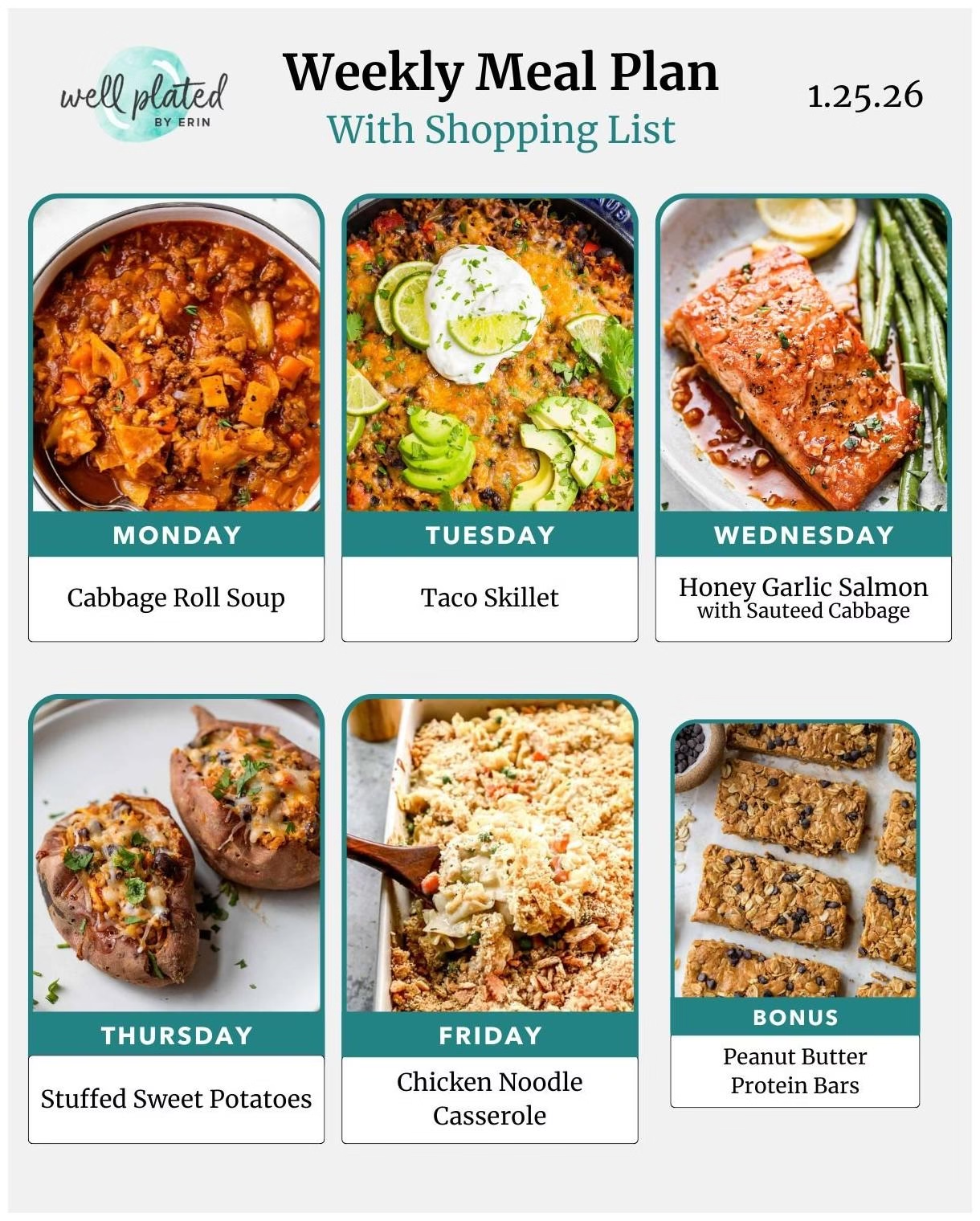
Weekly Meal Plan 1.25.26
Explore the ultimate weekly meal plan with 7 balanced, easy recipes for family dinners. Simple prep, nutritious meals, and irresistible flavors—start today!
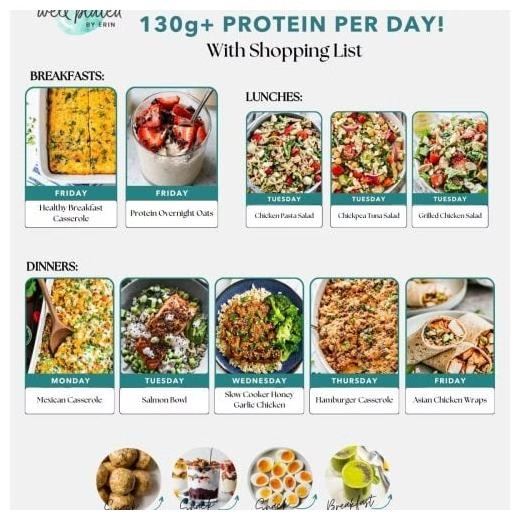
Planning a weekly meal plan can transform your kitchen routine, save money, and reduce stress. Whether you’re cooking for a busy family or simply looking to eat healthier, a structured weekly meal plan gives you a clear roadmap for every day of the week. In this guide we’ll walk you through the essential steps, clever tips, and tasty ideas that make meal planning easy and enjoyable.
The Power of a Weekly Meal Plan
A weekly meal plan does more than just dictate what’s for dinner. It creates a rhythm that simplifies grocery trips, reduces food waste, and frees up mental space for creativity. When you know what you’ll cook, you can shop with confidence and avoid the last‑minute scramble that often leads to unhealthy takeout.
Key Benefits of Planning Your Meals
There are countless advantages to adopting a weekly meal plan. You’ll notice savings at the checkout, a smaller carbon footprint from reduced packaging, and improved nutrition because you control portion sizes and ingredient quality. Moreover, a consistent plan encourages culinary experimentation without the fear of waste.
How to Create a Weekly Meal Plan That Works
Success starts with a clear snapshot of your upcoming schedule. Mark busy evenings, social events, and days when you’ll have extra time to cook. Use this insight to slot in simple recipes on hectic nights and more elaborate dishes when you can enjoy the process. Flexibility is essential; treat your plan as a living document.
Step 1: Take Inventory of Your Pantry
Before you add new items, assess what you already have. List staples like rice, beans, canned tomatoes, and spices that can form the foundation of multiple meals. This inventory step prevents duplicate purchases and sparks ideas for creative combinations.
Step 2: Choose Core Proteins
Select a mix of animal‑based and plant‑based proteins to keep meals interesting. Grilled chicken, baked salmon, lentils, and tofu each bring distinct flavors and textures. By prepping several portions at once, you’ll have ready‑to‑heat options that fit any cuisine.
Choosing the Right Recipes for Your Weekly Meal Plan
Look for dishes that share common ingredients, especially fresh produce and herbs. This overlap minimizes waste and streamlines shopping. Aim for a balance of quick 20‑minute meals, one‑pot wonders, and a couple of dishes that allow for weekend cooking fun.
Balancing Proteins, Carbs, and Veggies
A well‑rounded plate includes roughly one‑quarter protein, one‑quarter complex carbs, and one‑half vegetables. This ratio supports steady energy and satiety. When selecting recipes, check that they collectively meet this guideline across the week.
Smart Shopping for Your Weekly Meal Plan
Create a categorized grocery list—produce, dairy, meat, pantry—so you can move efficiently through the store. Stick to the list to avoid impulse buys, and consider buying seasonal produce for better flavor and lower cost. Don’t forget to include storage containers and reusable bags.
Prep Strategies to Streamline Your Weekly Meal Plan
Batch‑cooking is the backbone of efficient planning. Roast a sheet pan of vegetables, boil a pot of quinoa, and grill a tray of chicken on Sunday. Store each component in labeled containers, then mix and match throughout the week. This approach cuts daily cooking time by up to 50%.
Cooking in Stages
Prepare components that can be reused in multiple recipes. For example, shredded chicken works in tacos, salads, and soups. Pre‑chopped onions, garlic, and peppers can be sautéed once and added to many dishes, saving both time and flavor degradation.
Serving Ideas for Your Weekly Meal Plan
Presentation elevates everyday meals. Garnish dishes with fresh herbs, toasted nuts, or a drizzle of high‑quality olive oil to add visual appeal. Pair main courses with complementary sides, such as a crisp salad or a warm roll, to create a balanced dining experience.
Storing Leftovers from Your Weekly Meal Plan
Proper storage extends the life of your creations. Transfer cooled food to airtight containers, leaving a small headspace for expansion. Refrigerate meals you’ll eat within three days, and freeze the rest for up to three months. Label each container with the date and dish name for easy identification.
Customizing Your Weekly Meal Plan for Special Diets
Whether you’re gluten‑free, dairy‑free, or following a low‑carb regimen, adaptation is straightforward. Substitute wheat pasta with rice noodles, use coconut milk instead of cream, or replace potatoes with cauliflower mash. Always verify that substitutions maintain the desired texture and flavor profile.
Nutritional Advantages of a Balanced Weekly Meal Plan
Planning ahead ensures you meet macro and micronutrient goals. By incorporating a variety of colorful vegetables, you boost fiber, vitamins, and antioxidants. Including lean proteins supports muscle maintenance, while whole grains provide sustained energy throughout the day. For detailed nutrient profiles, refer to the USDA database.
Common Questions About Your Weekly Meal Plan
Got more questions? Below are answers to some of the most common queries about creating and maintaining a weekly meal plan.
How do I start a weekly meal plan?
Can I customize a weekly meal plan for vegetarians?
How long does a weekly meal plan last in the fridge?
What are the best foods to prep for a weekly meal plan?
Why is a weekly meal plan helpful for weight loss?
How do I grocery shop for a weekly meal plan?
What are common mistakes when creating a weekly meal plan?
For more recipe ideas, explore our baked salmon and turkey club pizza recipes.
Learn more about selecting quality Parmesan from Serious Eats.
Proper food safety is essential; see the FDA’s food safety guidelines for best practices.
For deeper nutrition insights, consult the Harvard Nutrition Source.
This guide is brought to you by Dishes & Recipes.
Enjoy stress‑free, tasty meals all week long!
#WeeklyMealPlan #MealPrep #HealthyEating #FamilyDinners #FoodPlanning
‘}
- Plan Around Sales Cycles: Check your grocery store’s weekly flyer before finalizing your weekly meal plan to purchase proteins and produce at discounted prices.
- Batch‑Cook Staples: Prepare large portions of grains, beans, and roasted vegetables on Sunday; they become versatile building blocks for multiple meals throughout the week.
- Use a Modular Recipe System: Choose a few base dishes—like a stir‑fry, a soup, and a sheet‑pan dinner—and mix‑match toppings to keep meals fresh without extra effort.
- Prep Sauces in Advance: Store homemade dressings, marinades, and sauces in portioned containers; they add flavor instantly and cut down on cooking time.
- Label Everything Clearly: Write the date and contents on each container; this prevents forgotten leftovers and ensures food safety.
- Keep Emergency Meals: Stock quick‑cook options such as canned beans, frozen veggies, or pre‑cooked grains for nights when plans change.
- Involve the Whole Family: Assign simple tasks like setting the table or stirring sauces; it speeds up prep and teaches kids valuable cooking skills.
- Review and Adjust Weekly: At the end of each week, note what worked, what didn’t, and tweak your weekly meal plan for continuous improvement.