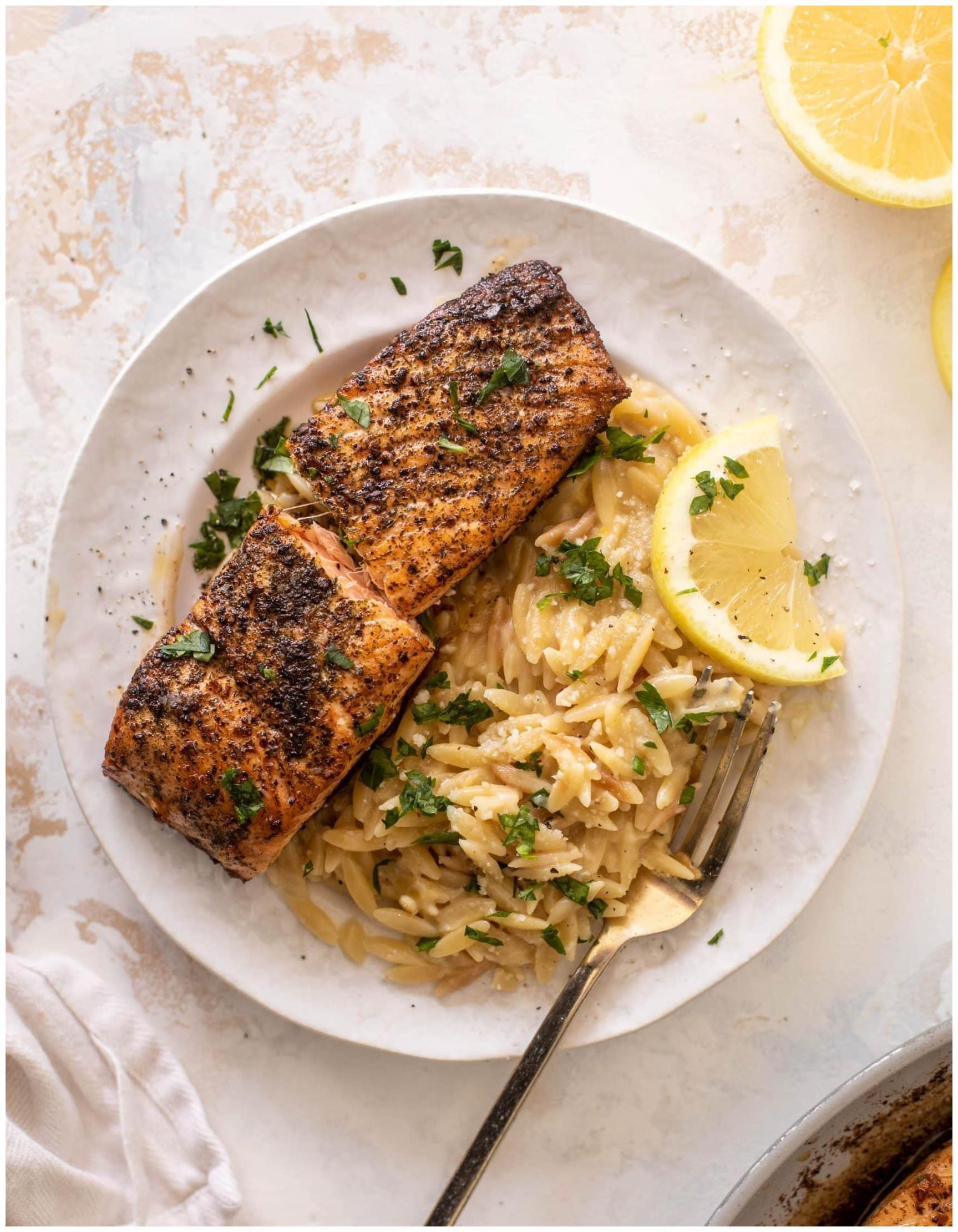
What To Eat This Week: 1/25/26.
Discover what to eat this week with seven quick, delicious dinner ideas that are easy to prepare and sure to satisfy the whole family. Try these recipes today!
What to eat this week can feel overwhelming, especially when you’re juggling work, workouts, and a never‑ending to‑do list. That’s exactly why I created this week’s menu—to save you time and fill your evenings with delicious, stress‑free meals.
In this post you’ll discover seven mouth‑watering dishes that cover every night of the week, from quick 30‑minute pasta dinners to comforting casseroles that practically cook themselves. Each recipe comes with a high‑resolution photo so you can visualize the final result before you even turn on the stove.
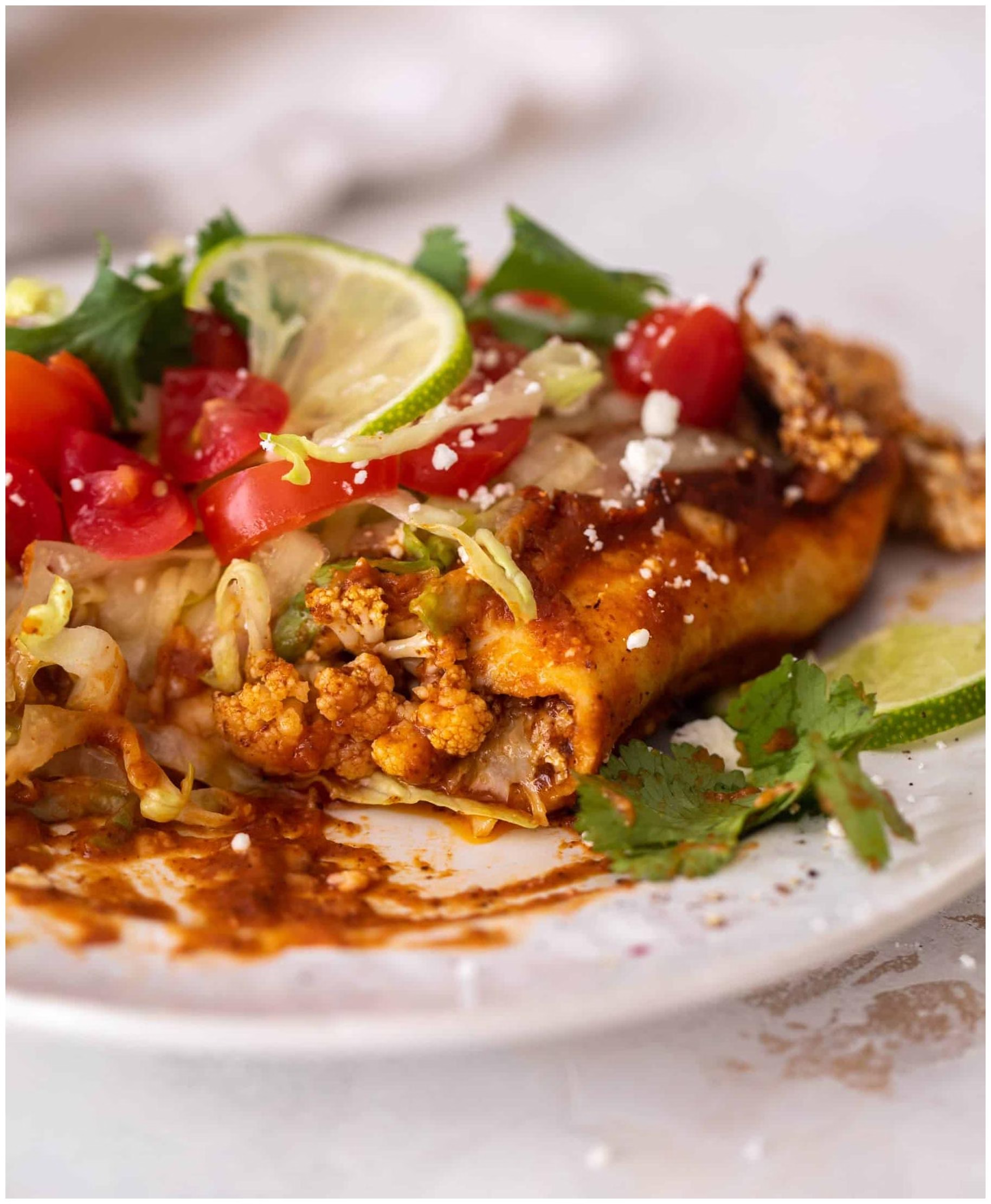
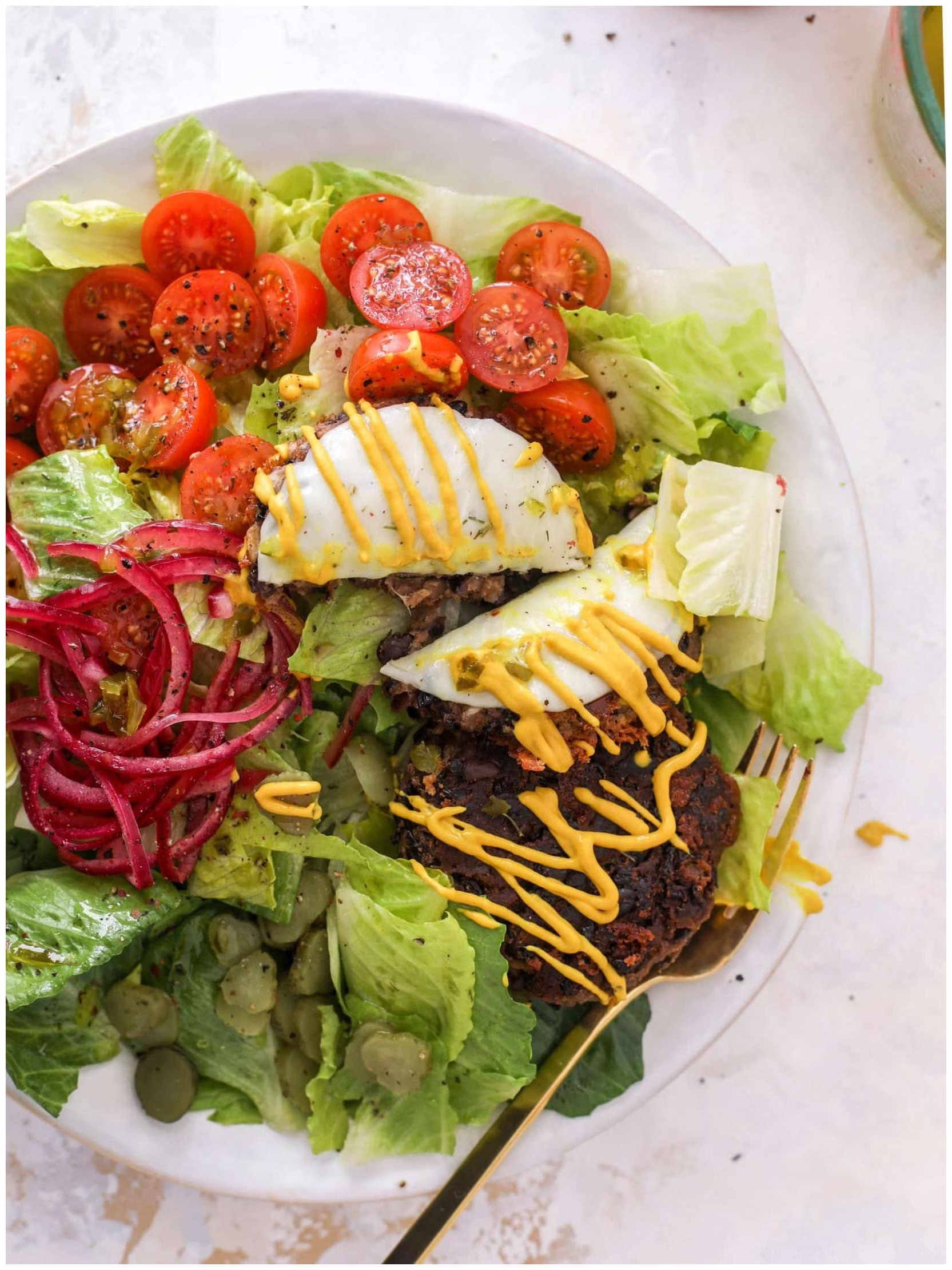
Why does this weekly plan work? First, it balances flavors and textures: you’ll get the bright, garlicky kick of Aglio e Olio with salmon, the hearty plant‑based goodness of black‑bean burger bowls, and the cozy cheesy comfort of cauliflower enchiladas recipe. Second, the ingredients overlap intentionally, so you can shop smarter and waste less. Third, every meal is prep‑friendly, meaning dinner is ready in minutes, not hours.
What to Eat This Week: A Quick Overview
Planning what to eat this week doesn’t have to be complicated. These seven recipes are built around simple techniques, minimal prep, and maximum flavor, ensuring you can enjoy restaurant‑quality meals at home.
Why Planning What to Eat Saves Time and Money
When you decide what to eat this week ahead of time, you avoid last‑minute grocery trips and reduce food waste. By overlapping ingredients across recipes, you buy just what you need and stretch your budget further.
Ingredients You’ll Need for This Week’s Meals
While each dish has its own list, most of the meals share common staples: chicken breast, salmon fillets, canned beans, fresh vegetables, pantry herbs, and a few dairy items. Having these on hand makes the cooking process smooth.
- Chicken breast (1 lb)
- Salmon fillets (1 lb)
- Canned black beans (2 cans)
- Sweet potatoes (2 medium)
- Whole wheat pasta (8 oz)
- Fresh spinach (5 oz)
- Parmesan cheese (½ cup grated)
- Olive oil, garlic, onion, and basic spices
For the best flavor, use quality Parmesan cheese.
Olive oil, garlic, onion, and basic spices — for more on the health benefits of olive oil.
How to Make These Easy Dinner Ideas
Below you’ll find step‑by‑step instructions for each recipe, organized to keep the process intuitive. Follow the numbered steps, and you’ll have a complete meal on the table in under 30 minutes for most dishes.
Step 1: Prep Your Proteins
Season chicken and salmon with salt, pepper, and a drizzle of olive oil. Let them sit at room temperature for 10 minutes while you preheat the oven or stovetop. This simple pause ensures even cooking.
Step 2: Cook the Base
Boil the pasta according to package directions, but remove it 1‑2 minutes early for al dente texture. While the pasta cooks, sauté garlic and onion in a skillet to build flavor foundations for sauces. Perfect pasta cooking techniques can help you achieve the ideal texture, similar to classic spaghetti carbonara.
Step 3: Combine and Simmer
Add your chosen sauce ingredients—cream, broth, or tomato—and let them meld over low heat. If the sauce thickens too quickly, stir in reserved pasta water a tablespoon at a time until you reach the perfect consistency.
Step 4: Finish with Fresh Elements
Stir in fresh spinach or basil at the end for a burst of color and nutrients. Finish with a sprinkle of grated Parmesan and a grind of black pepper for added depth.
Step 5: Plate and Serve
Plate the pasta or protein on a warm dish, drizzle any remaining sauce, and garnish with fresh herbs. Pair with a simple side salad or crusty bread to round out the meal.
Tips for Perfect Results
Even seasoned cooks can benefit from a few insider tricks that elevate flavor and streamline workflow. These tips focus on technique, timing, and ingredient choices.
- Use Room Temperature Ingredients: Bring cream and butter to room temperature before cooking for smoother sauce and better emulsification. Cold ingredients can cause separation.
- Don’t Overcook the Pasta: Cook pasta 1‑2 minutes under package directions for perfect al dente texture. It continues cooking when tossed with hot sauce.
- Reserve Pasta Water: Save at least 1 cup of starchy pasta water before draining. Use it to adjust sauce consistency and help it cling to noodles.
- Batch‑Cook Grains: Prepare a big pot of rice or quinoa at the start of the week. Store portions in airtight containers for quick reheating.
- Invest in a Good Chef’s Knife: A sharp blade reduces prep time and improves safety, allowing you to chop vegetables uniformly.
- Use Fresh Herbs When Possible: Add chopped parsley, cilantro, or dill at the end of cooking to preserve bright flavors.
- Season in Layers: Add a pinch of salt at each cooking stage rather than dumping it all at once for balanced taste.
- Pat Dry Proteins: Dry chicken or fish with paper towels before searing to achieve a golden crust.
- Prep Sauces Ahead: Make sauces like pesto or vinaigrette the night before; they develop richer flavor overnight.
- Keep a Spice Jar Organized: Label and store spices alphabetically so you can quickly find what you need.
Serving Suggestions to Elevate Your Meals
Presentation matters, and a few simple tweaks can turn a home‑cooked dish into a restaurant‑style experience. Pair your meals with complementary sides and garnishes.
- Serve pasta with a side of garlic‑rosemary focaccia for a crunchy contrast.
- Top soup bowls with a drizzle of infused oil and a sprinkle of fresh herbs.
- Arrange protein and vegetables in a circular pattern on the plate for visual appeal.
- Add a squeeze of lemon or lime right before serving to brighten flavors.
- Offer a small fresh cucumber salad with a light vinaigrette to cut through richness.
Storage Tips and Leftovers
Proper storage extends the life of your meals and preserves flavor. Cool dishes to room temperature within two hours, then transfer to airtight containers.
Follow food safety guidelines to ensure leftovers stay safe and tasty.
Most cooked proteins keep well in the refrigerator for 3‑4 days; reheat gently on the stove or in the microwave with a splash of broth to retain moisture. Soups and stews often taste better after a night in the fridge as flavors meld.
For longer storage, freeze individual portions in freezer‑safe bags. Label with the date and reheat directly in a skillet or microwave, adding a bit of water if needed.
Variations and Substitutions
Flexibility is key when planning what to eat this week, especially if you have dietary preferences or limited ingredients.
Vegetarian Option
Swap chicken or salmon for cubed tofu or chickpeas, and use vegetable broth instead of chicken stock. The same sauce base works beautifully with plant‑based proteins.
If you’re avoiding dairy, replace Parmesan with nutritional yeast and use coconut milk in place of heavy cream for a creamy texture.
Nutritional Benefits of This Week’s Menu
Each recipe is crafted to provide a balance of lean protein, complex carbohydrates, and healthy fats, supporting energy levels and satiety.
The salmon dishes deliver omega‑3 fatty acids that promote heart health, while the bean‑based bowls supply plant protein and fiber for digestive wellness.
Sweet potatoes contribute vitamin A and potassium, and the leafy greens add iron and antioxidants, making the overall menu nutrient‑dense.
Common Questions About What to Eat This Week
Below you’ll find answers to the most frequently asked queries that pop up when you start planning your meals.
What to eat this week for a quick dinner?
What to eat this week that is vegetarian?
What to eat this week that is gluten‑free?
How long does the sauce last in the fridge?
Why is my pasta sauce too thick?
What side dishes pair well with these meals?
Can I freeze cooked pasta after making it?
- Plan Your Shopping List Early: Bring the list to the store after you finalize the weekly menu. Stick to the items you need to avoid impulse buys and reduce waste.
- Prep Ingredients in Batches: Chop vegetables, marinate proteins, and measure spices before cooking. Storing pre‑pped components in labeled containers cuts cooking time dramatically.
- Use a Timer for Multitasking: Set timers for each component of the meal, such as simmering sauce or baking bread. This prevents overcooking and keeps everything synchronized.
- Leverage One‑Pot Meals: Choose recipes that cook everything in a single pot or skillet. This minimizes cleanup and lets flavors meld seamlessly.
- Keep a Spice Organizer: Arrange spices alphabetically and keep frequently used ones at eye level. Quick access means you’ll season dishes properly without hesitation.
- Cook Grains in Excess: Make a larger batch of rice, quinoa, or couscous and store leftovers for later meals. Reheated grains can be tossed into salads or stir‑fries for instant variety.
- Taste as You Go: Adjust seasoning throughout the cooking process rather than waiting until the end. Small additions of salt, pepper, or herbs keep flavors balanced.
- Use Lemon Zest for Freshness: A sprinkle of lemon zest brightens sauces and dressings without adding extra liquid. It adds a subtle aroma that elevates simple dishes.
- Invest in Silicone Lids: These reusable lids create a tight seal on pots and bowls, keeping food fresh longer and reducing the need for plastic wrap.
- Freeze Leftovers Promptly: Transfer cooled leftovers to freezer‑safe bags within two hours. Label with date and reheat gently to maintain texture and flavor.