
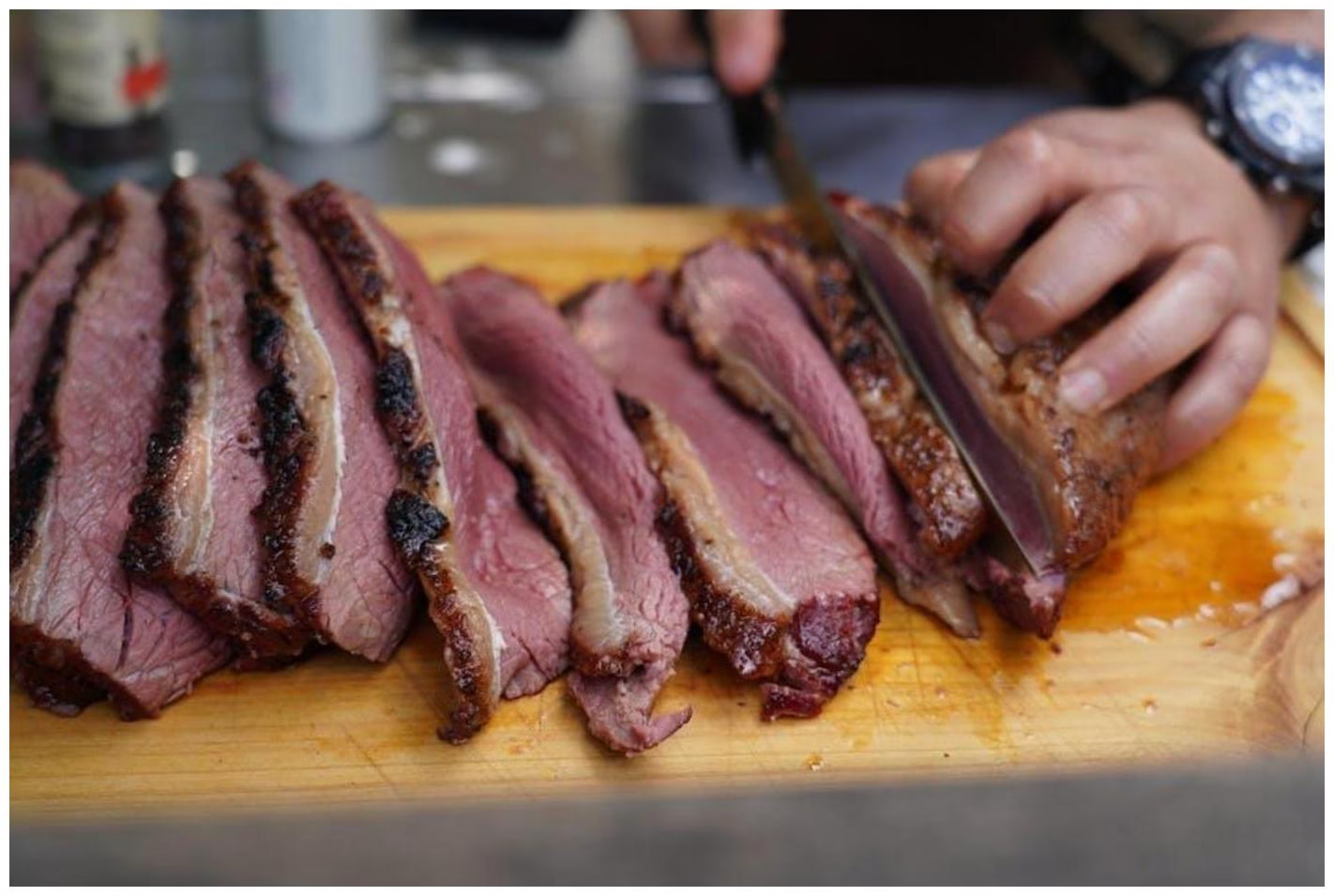
Classic Texas-Style Smoked Brisket
Dive into the heart of Texas BBQ with this quintessential slow-smoked brisket. Achieving that perfect bark and melt-in-your-mouth tenderness is simpler than you think with a classic salt and pepper rub and patient smoking. A true crowd-pleaser for any gathering!
Ingredients
- 1 (12-14 lb / 5.4-6.3 kg) beef brisket, packer cut
- 1/2 cup coarse salt
- 1/4 cup freshly ground black pepper
- 2 tbsp garlic powder
- 2 tbsp onion powder
- 1 tbsp smoked paprika
Directions
- Trim the Brisket: Trim the hard fat from the brisket, leaving about 1/4 inch (0.6 cm) of soft fat on the fat cap. Ensure an even thickness to promote uniform cooking.
- Apply the Rub: In a bowl, combine coarse salt, black pepper, garlic powder, onion powder, and smoked paprika. Generously apply the rub to all surfaces of the brisket, pressing gently to adhere.
- Rest: Place the rubbed brisket on a wire rack set over a baking sheet and refrigerate for at least 4 hours, or preferably overnight, uncovered. This helps create a better bark.
- Preheat Smoker: Preheat your smoker to a consistent temperature of 250°F (120°C). Add your preferred wood chunks (oak or post oak are traditional for Texas brisket).
- Smoke Phase 1: Place the brisket fat-side up in the smoker. Smoke until the internal temperature reaches 165-175°F (74-79°C) and a deep, mahogany bark has formed. This typically takes 6-8 hours.
- The Texas Crutch (Wrap): Once the bark is set, remove the brisket and wrap it tightly in butcher paper (or aluminum foil for beginners). Return it to the smoker.
- Smoke Phase 2: Continue smoking until the internal temperature reaches 200-205°F (93-96°C) and the brisket is probe-tender (a skewer should slide in with very little resistance). This can take another 4-6 hours.
- Rest: Remove the wrapped brisket from the smoker and let it rest at room temperature for at least 1-2 hours. For best results, place it in a cooler for 3-4 hours to allow the juices to redistribute.
- Slice and Serve: Slice the brisket against the grain, about pencil-thickness. Serve immediately.
Tips
- Always slice against the grain for maximum tenderness.
- Invest in a good quality digital thermometer for accurate temperature readings.
- Don’t rush the rest period; it’s crucial for a juicy brisket.
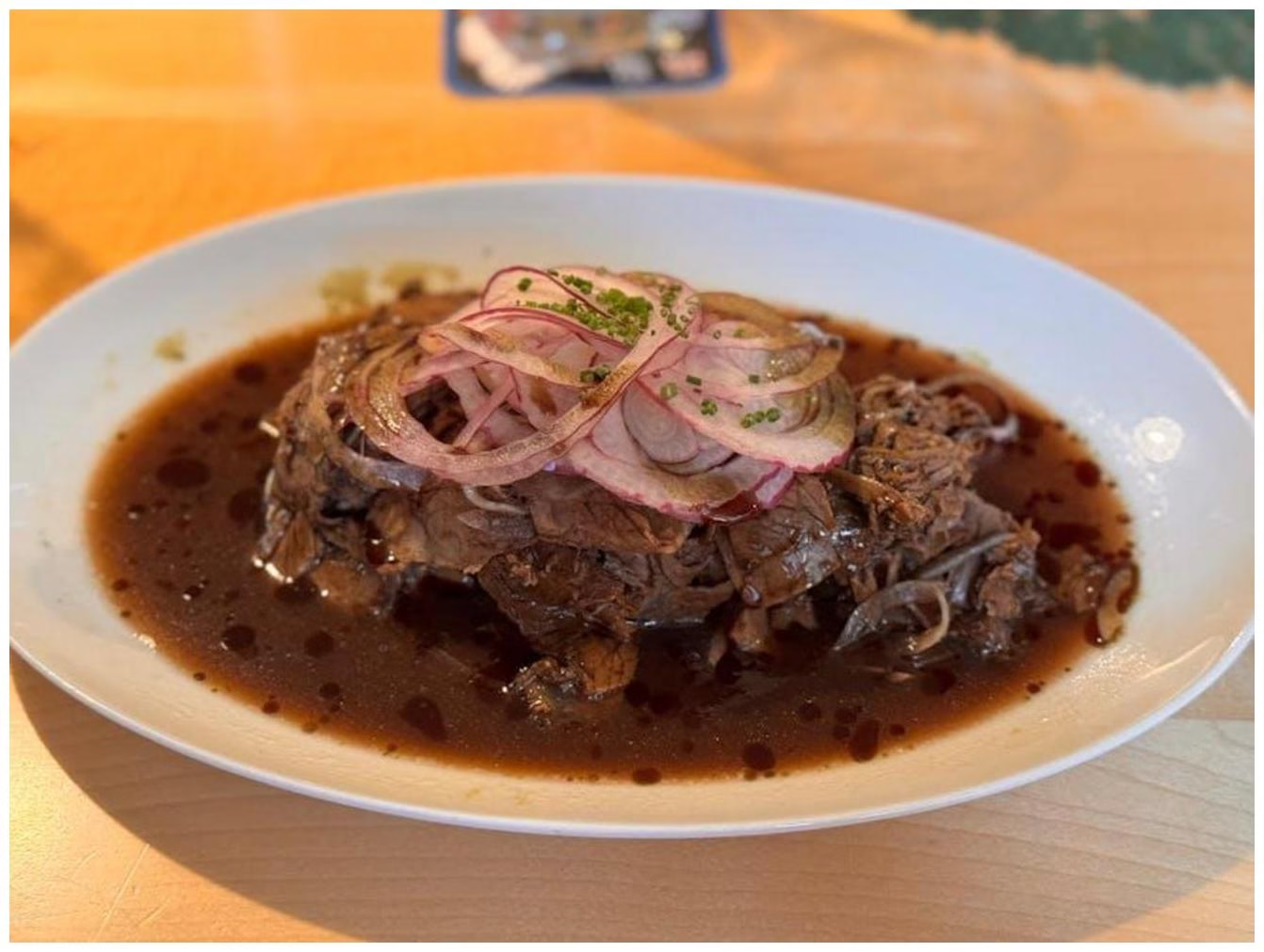
Smoky Ancho Coffee Brisket
Unleash a symphony of deep, smoky flavors with this unique ancho coffee-rubbed brisket. The robust coffee and mild ancho chili powder create an incredible bark and a tender, intensely flavored meat that’s sure to impress any BBQ enthusiast.
Ingredients
- 1 (12-14 lb / 5.4-6.3 kg) beef brisket, packer cut
- 1/4 cup ancho chili powder
- 2 tbsp ground coffee, fine grind
- 1/4 cup light brown sugar, packed
- 1 tbsp ground cumin
- 1 tsp cayenne pepper
- 1 tbsp dried oregano
- 1/4 cup fine sea salt
Directions
- Prepare Brisket: Trim the brisket, removing any hard fat and leaving a uniform 1/4 inch (0.6 cm) fat cap. Pat dry with paper towels.
- Make the Rub: In a small bowl, combine ancho chili powder, ground coffee, brown sugar, cumin, cayenne pepper, dried oregano, and fine sea salt. Mix thoroughly.
- Apply Rub: Liberally apply the coffee rub over all surfaces of the brisket, pressing it firmly to ensure good adhesion.
- Rest (Optional): For deeper flavor, place the rubbed brisket on a wire rack and refrigerate, uncovered, for 2-4 hours.
- Preheat Smoker: Set your smoker to a steady 275°F (135°C). Use hickory or mesquite wood for a strong smoky flavor that complements the rub.
- Smoke to Bark Formation: Place the brisket fat-side up in the smoker. Smoke until the internal temperature reaches around 170°F (77°C) and a dark, flavorful bark has formed, usually 5-7 hours.
- Wrap and Continue Smoking: Wrap the brisket tightly in butcher paper or heavy-duty aluminum foil. Return to the smoker and continue cooking until it reaches an internal temperature of 200-205°F (93-96°C) and is fork-tender. This may take an additional 3-5 hours.
- Crucial Rest: Remove the wrapped brisket and allow it to rest in an insulated cooler or at room temperature for at least 2 hours, or up to 4 hours. This resting period is critical for juiciness.
- Slice and Enjoy: Unwrap, carve against the grain into thin slices, and serve this powerfully flavored brisket.
Tips
- Choose a dark roast coffee for the rub to enhance the deep, smoky notes.
- For extra moisture, spritz the brisket every hour during the unwrapped smoke phase with apple cider vinegar.
- The sweetness from the brown sugar helps create a fantastic crust.
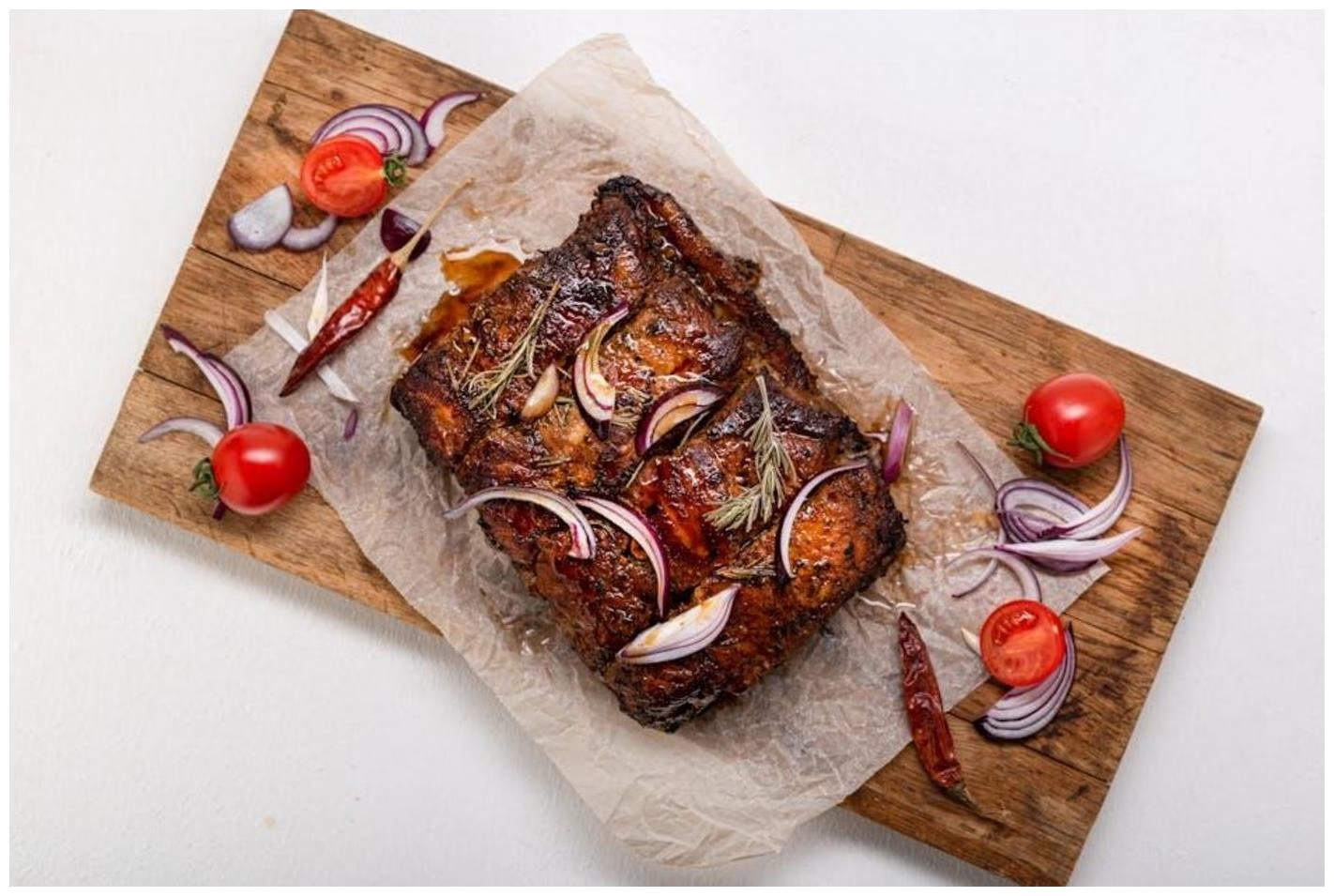
Sweet & Sticky Bourbon Glazed Brisket
Elevate your smoked brisket with a sweet and sticky bourbon glaze that adds incredible depth and a gorgeous caramelized finish. This recipe combines classic smoke with a touch of sweetness and tang, perfect for a show-stopping meal.
Ingredients
- 1 (12-14 lb / 5.4-6.3 kg) beef brisket, packer cut
- 1/2 cup light brown sugar, packed
- 1/4 cup bourbon (e.g., Maker’s Mark, Jim Beam)
- 1/4 cup apple cider vinegar
- 2 tbsp Worcestershire sauce
- 1 tbsp Dijon mustard
- 1 tbsp garlic powder
- 1 tbsp onion powder
- 1 tsp smoked paprika
Directions
- Brisket Trim: Trim the brisket to a consistent 1/4 inch (0.6 cm) fat cap. Pat the entire brisket dry.
- Initial Rub: In a small bowl, combine 2 tbsp brown sugar, garlic powder, onion powder, and smoked paprika. Apply this rub evenly to the brisket.
- Prepare Glaze: In a saucepan, whisk together the remaining brown sugar, bourbon, apple cider vinegar, Worcestershire sauce, and Dijon mustard. Bring to a simmer over medium heat, then reduce heat and cook, stirring occasionally, until slightly thickened, about 10-15 minutes. Set aside.
- Preheat Smoker: Preheat your smoker to 225°F (107°C). Use cherry or pecan wood for a milder, sweeter smoke profile.
- Smoke Unwrapped: Place the brisket fat-side up in the smoker. Smoke for approximately 8-10 hours, or until the internal temperature reaches 165°F (74°C) and a decent bark has formed.
- Wrap and Glaze: Remove the brisket from the smoker. Brush generously with the prepared bourbon glaze. Wrap tightly in butcher paper or foil.
- Continue Smoking: Return the wrapped and glazed brisket to the smoker. Continue cooking until the internal temperature reaches 200-205°F (93-96°C) and the brisket is tender. This may take an additional 3-5 hours.
- Rest for Juiciness: Once cooked, remove the brisket and let it rest, still wrapped, in a cooler for 2-4 hours. This is vital for juice redistribution.
- Slice and Serve: Unwrap, brush with any remaining glaze (reheat if needed), slice against the grain, and serve.
Tips
- Don’t over-thicken the glaze; it will reduce more as it adheres to the brisket.
- Apply the glaze during the wrapping stage to prevent it from burning during the initial long smoke.
- A good quality bourbon will make a noticeable difference in the glaze’s flavor.
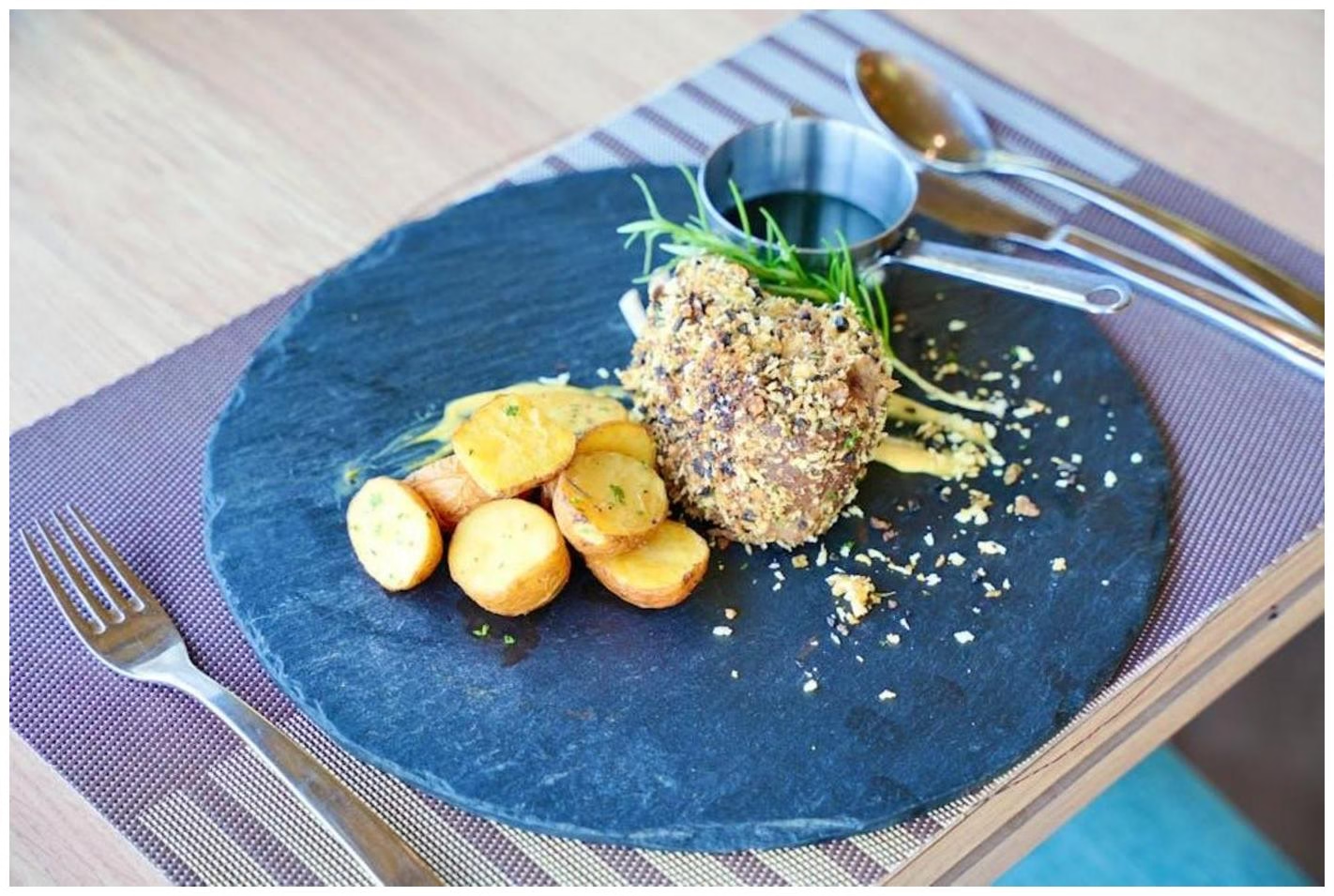
Zesty Herb Crusted Brisket
Brighten up your slow-smoked brisket with a vibrant, aromatic herb crust that offers a delightful contrast to the rich, tender meat. Infused with fresh rosemary, thyme, and lemon zest, this brisket is a sophisticated twist on a BBQ classic.
Ingredients
- 1 (12-14 lb / 5.4-6.3 kg) beef brisket, packer cut
- 1/4 cup fresh rosemary, finely chopped
- 1/4 cup fresh thyme, finely chopped
- Zest of 2 large lemons
- 6 cloves garlic, minced
- 1/4 cup olive oil
- 1/4 cup coarse salt
- 2 tbsp freshly ground black pepper
Directions
- Trim Brisket: Trim the brisket, leaving a 1/4 inch (0.6 cm) fat cap. Pat dry thoroughly.
- Make Herb Paste: In a bowl, combine finely chopped fresh rosemary, fresh thyme, lemon zest, minced garlic, olive oil, coarse salt, and freshly ground black pepper. Mix well to form a thick paste.
- Apply Herb Crust: Generously rub the herb paste all over the brisket, ensuring good coverage.
- Marinate: Place the brisket on a wire rack over a baking sheet, cover loosely with plastic wrap, and refrigerate for at least 6 hours, or preferably overnight, to allow flavors to penetrate.
- Preheat Smoker: Set your smoker to 275°F (135°C). Use fruit woods like apple or peach for a milder smoke that complements the herbs.
- Initial Smoke: Place the brisket fat-side up in the smoker. Smoke for 5-7 hours, or until the internal temperature reaches 165°F (74°C) and a crust has formed.
- Wrap: Remove the brisket and wrap it tightly in butcher paper or heavy-duty foil.
- Finish Smoking: Return the wrapped brisket to the smoker and continue cooking until the internal temperature reaches 200-205°F (93-96°C) and it is incredibly tender. This will take an additional 3-5 hours.
- Rest: Let the wrapped brisket rest in an insulated cooler for a minimum of 2 hours. This resting period is crucial for juices to redistribute, resulting in a moist brisket.
- Slice and Serve: Unwrap the brisket, slice against the grain into thin pieces, and serve immediately, letting the aromatic herb crust shine.
Tips
- Using fresh herbs is key for the bright, zesty flavor profile.
- Don’t be shy with the lemon zest; it really cuts through the richness of the beef.
- The longer marinade time allows the herb flavors to truly infuse the meat.
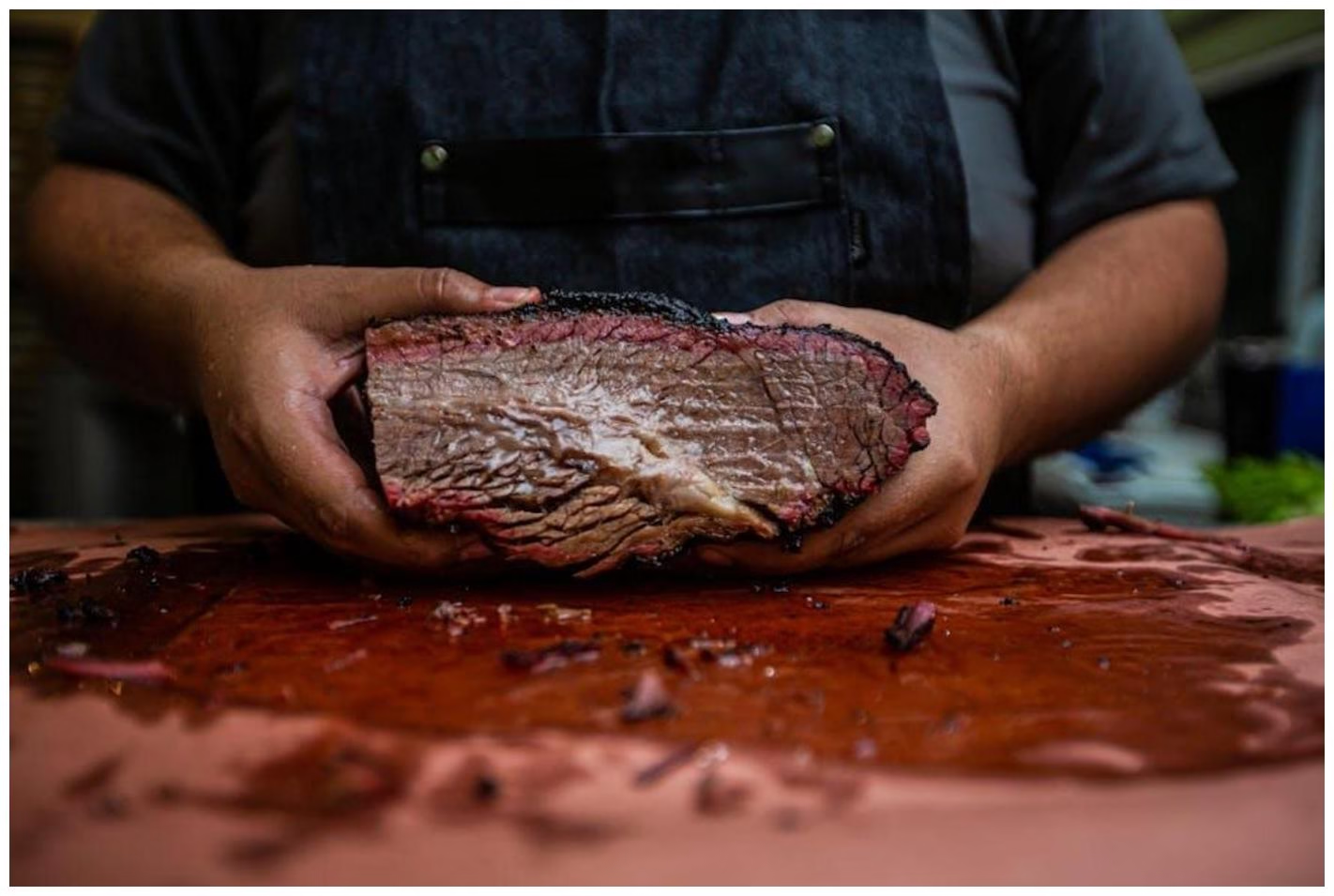
Beef Brisket Slow Smoked — Unlocking Culinary Perfection
Have you ever dreamt of serving a meal so tender, so flavorful, that it silences a room in blissful appreciation? For home cooks and busy families, mastering the art of a perfectly cooked beef brisket slow smoked can feel like an insurmountable challenge, yet it’s truly an achievable culinary triumph. This isn’t just about cooking a piece of meat; it’s about transforming a tough cut into an incredibly juicy, melt-in-your-mouth experience that leaves a lasting impression.
The journey to an exceptional beef brisket slow smoked dish is one of patience, understanding, and a dash of passion. While the term “slow smoked” might conjure images of elaborate setups and all-day commitment, modern techniques and accessible tools make this classic much more approachable for anyone looking to elevate their cooking repertoire. It’s an investment of time that pays dividends in flavor and satisfaction.
Before we dive deep into the world of slow-smoked brisket, perhaps you’re familiar with the foundational steps of preparing a great beef brisket in any form. Regardless of your experience level, this guide will illuminate the nuances of smoking, ensuring your next brisket isn’t just good, but legendary. Are you ready to discover the secrets to tender, smoky perfection?
Why Beef Brisket Slow Smoked Matters
Brisket, a cut from the lower chest or breast of a cow, is renowned for its rich flavor but also its tough nature, thanks to its high amount of connective tissue. This is precisely why the “slow smoked” method isn’t just a preference; it’s a necessity. Low and slow cooking methods, particularly smoking, gently break down these tissues over hours, resulting in unparalleled tenderness.
The Historical Roots of Slow Smoking
The tradition of slow-cooking tough cuts of meat goes back centuries, rooted in cultures around the world. Smoking, in particular, was initially a preservation method, but it quickly evolved into a culinary art form. In the American South, especially Texas, Classic Texas-Style Smoked Brisket became an icon, a testament to the transformative power of smoke and time. This heritage teaches us that great food often comes from respecting the ingredients and applying patient techniques.
The Unrivaled Flavor Profile
What truly sets a beef brisket slow smoked apart is its complex flavor profile. The slow combustion of wood chips or chunks infuses the meat with a distinctive, aromatic smokiness that can’t be replicated by other cooking methods. This smoky essence, combined with a well-chosen rub and the natural richness of the beef, creates a symphony of tastes that is deeply satisfying. It’s a taste experience that evokes tradition and comfort, making it perfect for family gatherings or special occasions.
Mastering the Art of Beef Brisket Slow Smoked
Achieving that perfect bark, a succulent smoke ring, and an incredibly tender interior requires attention to detail. It’s less about strict adherence to a clock and more about understanding the meat and the environment you’re cooking in. The beauty of this process is in its subtle artistry.
Selecting the Perfect Brisket
Your journey begins at the butcher shop. Look for a “packer” brisket, which includes both the flat (leaner) and the point (fattier). Marbling, the flecks of fat within the muscle, is your friend here; it contributes significantly to moisture and flavor during the long cook. Don’t be afraid to ask your butcher for guidance – they are a valuable resource in finding quality cuts that will yield the best beef brisket slow smoked.
The Essential Rub and Prep
A good rub is crucial for a fantastic bark. While simple salt and pepper can suffice for a true Texas style, many enthusiasts experiment with blends that include garlic powder, onion powder, paprika, and even a touch of brown sugar. For a unique twist, consider a Smoky Ancho Coffee Brisket rub to add depth and a slight kick. Trim excess hard fat, but leave a thin layer (about 1/4 to 1/2 inch) on the fat cap to protect the meat and render down into luscious flavor.
The Crucial Role of Temperature and Time
Slow smoking is all about maintaining a consistent, low temperature over many hours. Typically, smokers are held between 225°F and 275°F (107°C and 135°C). This extended period allows the collagen to break down into gelatin, tenderizing the meat without drying it out. The “stall,” where the internal temperature plateaus, is a well-known phenomenon and a test of patience. Wrapping the brisket in butcher paper or foil (the “Texas Crutch”) can help power through this phase, retaining moisture and accelerating the cook.
Understanding the “Stall” and Wrapping
The stall occurs when moisture evaporating from the surface of the meat cools it, much like sweating cools the human body. It can last for hours, and it’s a critical point in the slow smoking process. To combat this, wrapping the brisket once the bark has set (usually around 150-165°F internal temperature) helps push through the stall by trapping moisture and heat. Butcher paper is often preferred as it breathes slightly, preserving some of the bark’s crispness compared to foil, which creates more of a braising environment. This technique is vital for a truly tender braised short ribs-like texture.
When Is It Done? Forget the Clock!
The internal temperature is a guide, but tenderness is the true indicator of doneness for beef brisket slow smoked. While briskets are often “done” when they reach 195-205°F (90-96°C), the most reliable test is probing the meat with a thermometer. It should slide in with very little resistance, feeling like it’s pushing into warm butter. This “probe tender” stage ensures that all the connective tissues have properly broken down. Don’t rush this final stage; it’s where the magic truly happens.
Common Mistakes to Avoid with Beef Brisket Slow Smoked
Even seasoned pitmasters make mistakes, but knowing the common pitfalls can help you steer clear of them. Learning from these can transform your smoking game.
Ignoring the Importance of Rest
One of the biggest errors is cutting into the brisket too soon after it comes off the smoker. Resting the meat is non-negotiable. This allows the juices to redistribute evenly throughout the brisket, resulting in a significantly moister product. Tent it loosely with foil for at least one hour, or even up to four hours in an insulated cooler. Rushing this step is a disservice to all your hard work and can lead to a dry, less flavorful outcome. Think of it as the final, crucial step in achieving the perfect beef stroganoff-level tenderness.
Over-Trimming or Under-Trimming the Fat
Fat management is key. Over-trimming can leave parts of the brisket exposed to direct heat, drying them out. Under-trimming, especially hard fat between the point and the flat, can prevent the rub from penetrating and make for a greasy final product. Aim for a consistent 1/4 to 1/2 inch layer of fat on the top (fat cap) to render moisture and flavor into the meat as it cooks. Properly trimmed brisket will result in a more even cook and a superior bark.
Expert Tips and Best Practices
Elevate your slow-smoked brisket with these insights, drawing from years of experience in the barbecue world. These small adjustments can make a significant difference to your finished product.
Fuel Choice and Smoke Quality
The type of wood you use profoundly impacts the flavor of your beef brisket slow smoked. Oak is a traditional choice for beef, offering a robust but not overpowering smoke. Hickory provides a stronger, bacon-like flavor, while pecan offers a milder, nutty profile. Avoid too much “white smoke,” which indicates dirty combustion and can impart a bitter flavor. Aim for a thin, wispy “blue smoke” for the cleanest, most desirable flavor. This delicate balance of smoke is similar to how different ingredients are chosen for a rich beef and potato stew, where each component plays a vital role.
Embrace the Variety of Flavors
While classic rubs are fantastic, don’t shy away from experimenting with glazes and finishing sauces. A Sweet & Sticky Bourbon Glazed Brisket can add a delightful complexity, or a Zesty Herb Crusted Brisket could offer a fresh, aromatic counterpoint to the smoky richness. These variations allow you to tailor the experience to your palate and impress your guests with your versatility. Have you considered how a simple glaze can completely transform the entire dish?
Conclusion: Beef Brisket Slow Smoked Summary
Embarking on the journey of creating a perfect beef brisket slow smoked is a rewarding experience for any home cook. It’s a culinary adventure that teaches patience, technique, and appreciation for the transformation of simple ingredients into extraordinary flavors. From selecting the right cut to managing the smoke and ensuring a proper rest, each step contributes to the ultimate goal: a tender, juicy, and incredibly flavorful brisket that will be the star of any meal.
Whether you’re serving it sliced, shredded for sandwiches, or even incorporating it into dishes like beef burritos, the effort put into a slow-smoked brisket is always worth it. It’s more than just a recipe; it’s a craft that brings people together and creates unforgettable dining moments. So, fire up that smoker, gather your ingredients, and prepare to impress with your next slow-smoked masterpiece!
Tips & Tricks
- Choose the Right Wood: For your beef brisket slow smoked, select hardwoods like oak, hickory, or pecan. Oak offers a robust yet balanced smoke, while hickory is stronger, and pecan is milder and sweeter, ensuring a deep, appealing flavor without bitterness.
- Maintain Consistent Temperature: Fluctuations in smoker temperature are detrimental. Invest in a good thermometer and aim to keep your smoker consistently between 225-275°F (107-135°C) throughout the cook. Patience here directly translates to tenderness.
- Season Generously and in Advance: Don’t be shy with your rub. Apply a generous coating 12-24 hours before smoking and refrigerate. This allows the flavors to penetrate the meat deeply, creating a more cohesive and flavorful bark on your beef brisket slow smoked.
- Master the “Probe Test”: While temperature guides are useful, the true indicator of doneness is tenderness. The probe should slide into the thickest part of the brisket like butter, without significant resistance, signaling perfectly rendered collagen.
- Consider the Texas Crutch: Wrapping your brisket in butcher paper or foil after the bark has set (around 150-165°F internal) helps it push through the “stall” and retains moisture. Butcher paper is often preferred for preserving more of the bark’s texture, similar to how one might handle pork carnitas for maximum tenderness.
- Always Rest Your Brisket: This is non-negotiable. Allow your beef brisket slow smoked to rest for at least 1-4 hours in an insulated cooler. This crucial step redistributes the juices, ensuring a supremely moist and flavorful final product.
- Slice Against the Grain: Once rested, identify the grain of the meat and slice thinly against it. This shortens the muscle fibers, making each bite incredibly tender and easy to chew, a trick also valuable when preparing stuffed pork ribs.
- Experiment with Flavors: While classic salt and pepper are great, explore different rubs and glazes. Adding a bit of coffee to your rub, or trying a Sweet & Sticky Bourbon Glazed Brisket, can introduce exciting new dimensions to your dish.
Frequently Asked Questions
What is the ideal temperature for smoking a beef brisket slow smoked?
The generally recommended temperature range for smoking a beef brisket slow smoked is between 225°F and 275°F (107°C and 135°C). Maintaining a consistent low temperature allows the tough connective tissues in the brisket to slowly break down into gelatin, resulting in that desirable tender, juicy texture. Fluctuations should be minimized for the best results.
How long does it typically take to smoke a beef brisket?
The cooking time for a beef brisket slow smoked varies significantly based on its size, the smoker’s consistency, and the exact temperature. As a general rule, plan for about 1 to 1.5 hours per pound. A 12-pound brisket, for example, could take anywhere from 12 to 18 hours. Always cook to tenderness, not strictly to time or internal temperature.
Why does my beef brisket slow smoked sometimes get tough or dry?
Tough or dry brisket is often a result of either cooking at too high a temperature, not cooking long enough to break down connective tissues, or failing to rest the meat adequately. High heat dries it out, insufficient cooking leaves it tough, and not resting allows juices to escape upon slicing. Ensuring proper technique and patience is key for a tender beef brisket slow smoked.
Is it necessary to wrap the brisket during the smoking process?
Wrapping, often called the “Texas Crutch,” is not strictly necessary but highly recommended, especially for home cooks. It helps push the brisket through the “stall” by trapping moisture and heat, preventing it from drying out, and speeding up the cooking process. You can use butcher paper or foil, each offering slightly different results for your beef brisket slow smoked.
What is the “stall” and how do I deal with it when smoking a beef brisket?
The “stall” is a phase during smoking where the internal temperature of the brisket plateaus, often between 150-165°F. This occurs due to evaporative cooling on the meat’s surface. To deal with it, you can simply wait it out, or you can wrap the brisket (the “Texas Crutch”) in butcher paper or foil to retain moisture and heat, helping the temperature rise more quickly.
Can I prepare a beef brisket slow smoked in advance for a party?
Yes, you can absolutely prepare your beef brisket slow smoked in advance! After it’s cooked and properly rested, allow it to cool, then wrap it tightly and refrigerate. Reheat it gently, wrapped, in an oven at a low temperature (around 250°F / 120°C) until warmed through. This can actually enhance flavor and tenderness, making party planning much easier.