
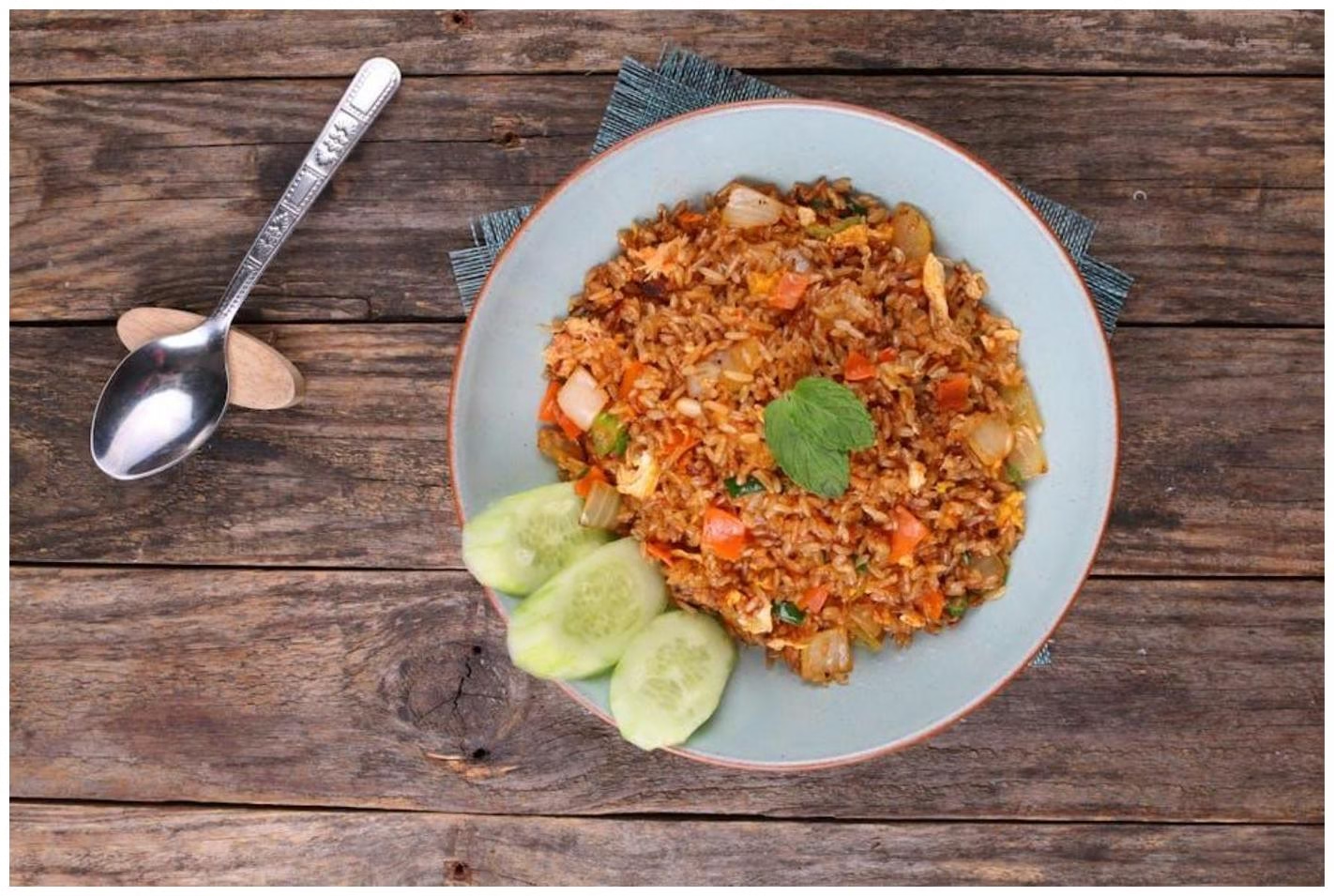
Vegetable Fried Rice
A quick, satisfying stir-fry packed with fresh vegetables and fluffy rice, ideal for busy weeknights.
Ingredients
- 2 cups cooked jasmine rice
- 1 cup broccoli florets
- 1 carrot, julienned
- 1 cup snap peas
- 2 cloves garlic, minced
- 2 tbsp soy sauce
- 1 tbsp olive oil
- 1 egg (optional)
- Salt and pepper to taste
- 1/2 tsp sesame oil
Directions
- Heat olive oil in a large skillet over medium heat.
- Add garlic and sauté until fragrant, about 30 seconds.
- Add broccoli, carrot, and snap peas; stir-fry for 3–4 minutes.
- Add cooked rice and soy sauce; toss to combine.
- Push veggies to the side, add egg if using, and scramble quickly.
- Mix egg into rice and vegetables; season with salt, pepper, and sesame oil.
Tips
- Use day-old rice for best texture.
- Add protein like chicken or tofu for extra staying power.
- Finish with a squeeze of lime for brightness.
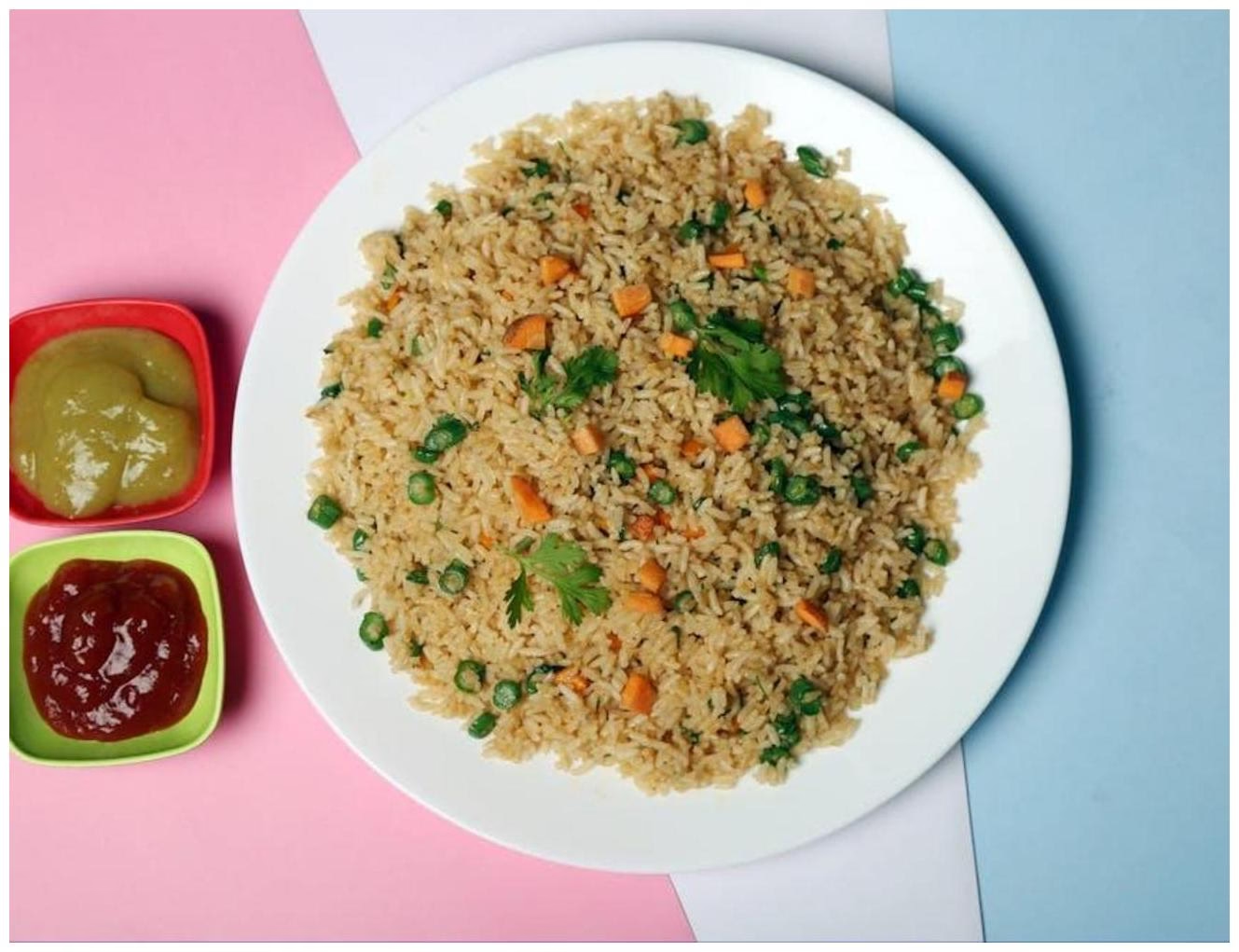
Spicy Vegetable Fried Rice
A fiery twist on classic fried rice, loaded with crisp veggies and bold chili heat.
Ingredients
- 2 cups cooked long-grain rice
- 1 red bell pepper, diced
- 1 cup shredded cabbage
- 1/2 cup sliced green onions
- 1–2 tsp fresh ginger, grated
- 1 tbsp chili garlic sauce
- 1 tbsp vegetable oil
- 1/4 cup soy sauce
- 1/4 cup toasted sesame seeds
- Salt to taste
Directions
- Heat vegetable oil in a wok or large skillet over high heat.
- Add ginger and chili garlic sauce; stir for 10 seconds.
- Add bell pepper and cabbage; stir-fry for 2–3 minutes.
- Add rice and soy sauce; toss until well mixed and heated through.
- Stir in green onions and sesame seeds if using.
- Taste and adjust salt; serve immediately.
Tips
- Control spice with chili sauce amount.
- Add cashews for crunch.
- Keep veggies colorful for visual appeal.
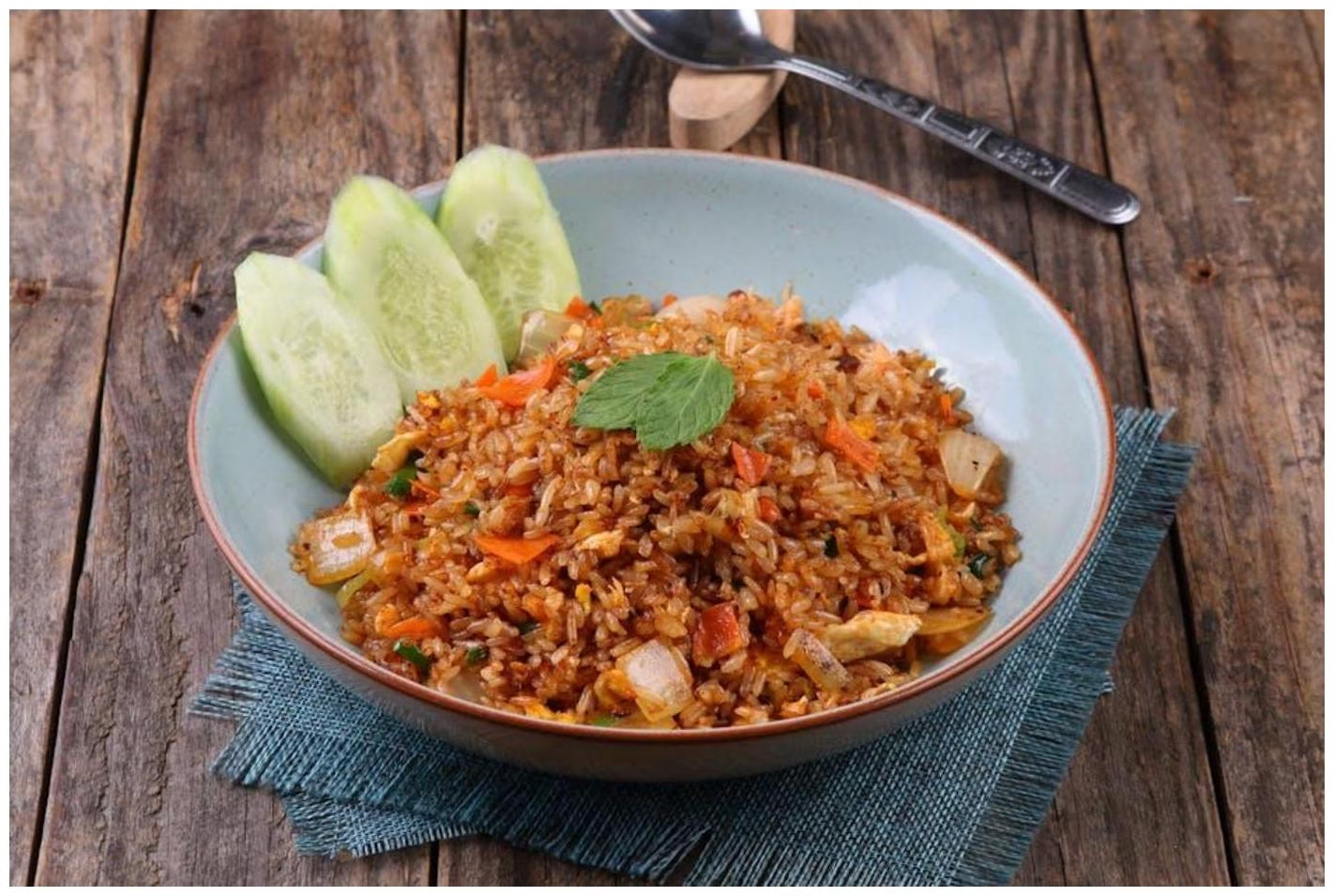
Coconut Vegetable Fried Rice
A creamy, aromatic take on fried rice with coconut milk and tender vegetables.
Ingredients
- 2 cups cooked jasmine rice
- 1/2 cup coconut milk
- 1 cup diced zucchini
- 1/2 cup corn kernels
- 1/4 cup chopped cilantro
- 1 tbsp lime juice
- 1 tbsp coconut oil
- 1 clove garlic, minced
- 1/4 tsp turmeric
- Salt and pepper to taste
Directions
- Warm coconut oil in a skillet over medium heat.
- Sauté garlic until fragrant, about 30 seconds.
- Add zucchini and corn; cook until just tender.
- Stir in rice, coconut milk, turmeric, salt, and pepper.
- Simmer gently for 3–4 minutes until heated through.
- Off heat, mix in lime juice and cilantro; serve hot.
Tips
- Use full-fat coconut milk for creaminess.
- Avoid overcooking rice.
- Garnish with peanuts for extra crunch.
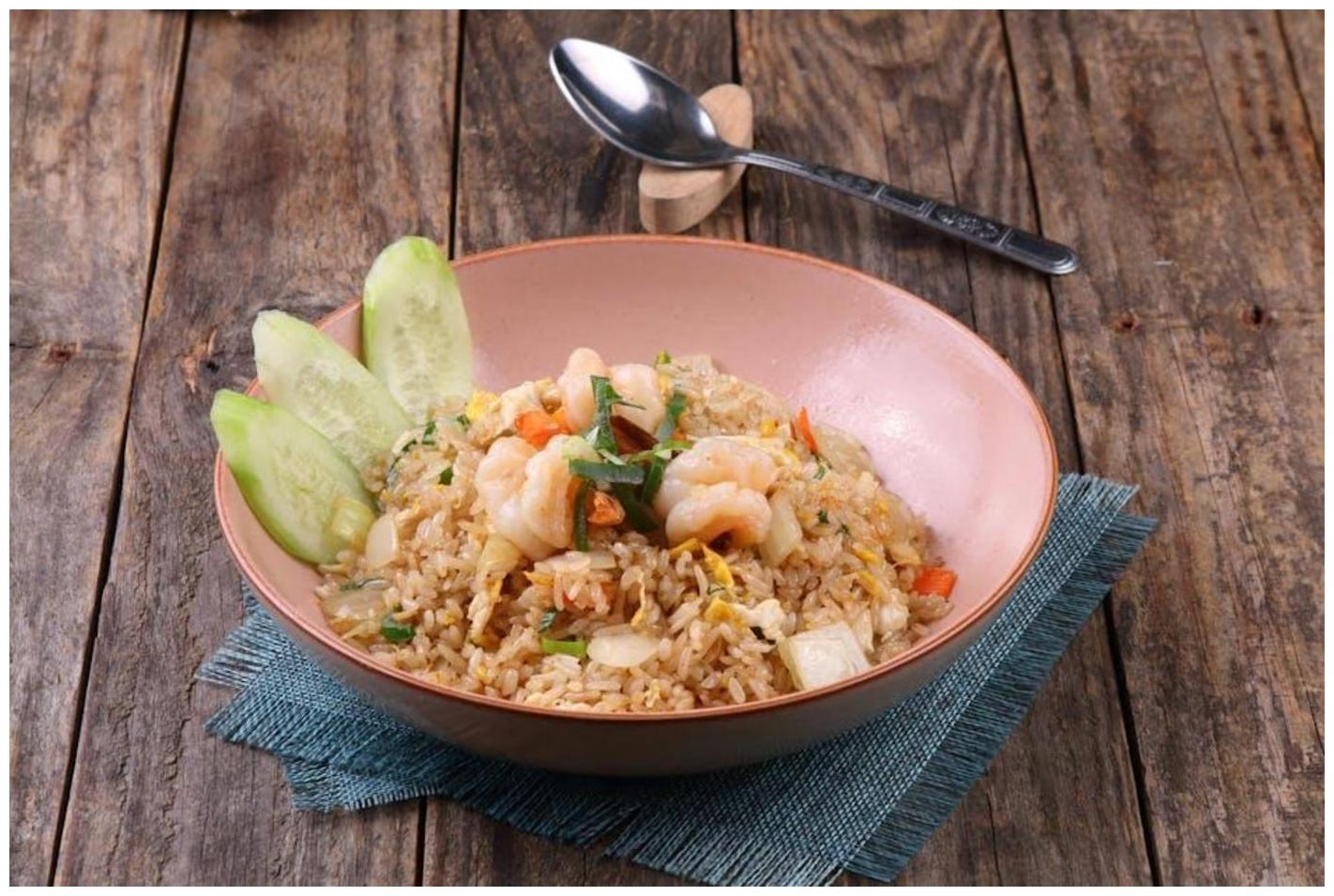
Lemon Herb Vegetable Fried Rice
Bright and fresh, this version uses citrus and herbs to lift simple vegetables and rice.
Ingredients
- 2 cups cooked rice
- 1/2 cup peas
- 1/4 cup diced onion
- 2 tbsp butter or olive oil
- 1 tbsp lemon zest
- 1 tbsp lemon juice
- 1/2 tsp thyme (or mixed herbs)
- Salt and pepper to taste
- 1/4 cup feta or toasted almonds
Directions
- Heat butter or oil in a skillet over medium heat.
- Add onion and peas; sauté until onion turns translucent.
- Add rice and cook, stirring, for 2–3 minutes.
- Stir in lemon zest, lemon juice, and herbs.
- Season with salt and pepper; toss to coat.
- Top with feta or almonds before serving.
Tips
- Use cold cooked rice for distinct grains.
- Add white wine for depth.
- Keep herbs fresh for best flavor.
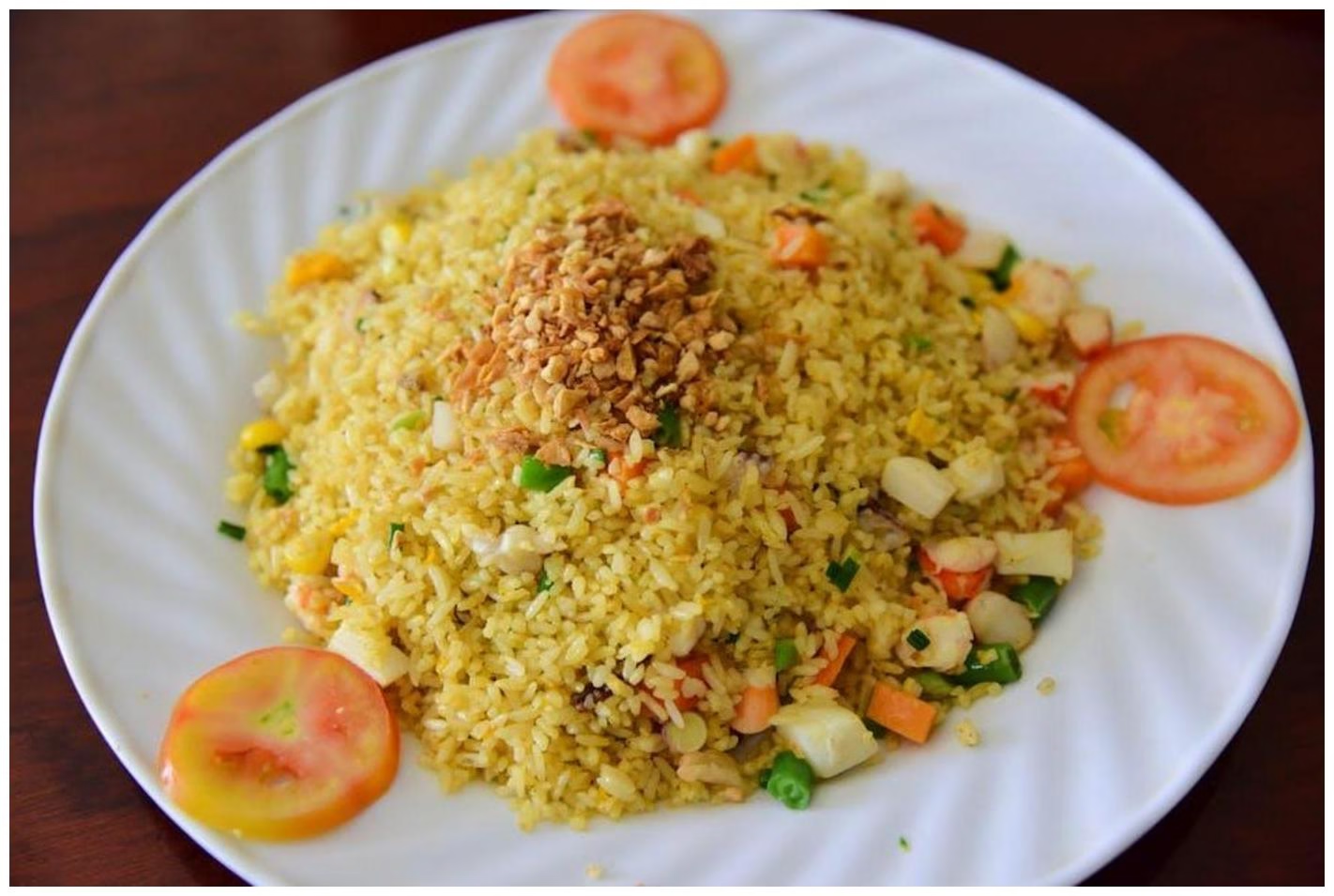
Fried Rice Vegetable — A Complete Guide to Flavorful Home Cooking
Have you ever wondered how a simple bowl of leftovers can transform into something irresistibly aromatic and satisfying? Fried rice vegetable captures that magic by turning humble grains and garden produce into a crave-worthy dish that feels both resourceful and rewarding. You can rely on this approach to bring excitement to your table while keeping stress low and flavor high.
From busy weeknights to relaxed weekend gatherings, this style of cooking fits naturally into real life without demanding perfection or rare ingredients. You will discover how balancing texture, heat, and seasoning creates a meal that feels personal yet universally loved by home cooks and busy families alike. When you explore the layers behind beef enchiladas, you see that great cooking often relies on timing and trust, just as it does here.
Understanding why this method works so well helps you adapt it endlessly across seasons and moods. Let this overview guide you toward confident choices that make your kitchen feel like a place of possibility rather than pressure.
Why Fried Rice Vegetable Matters
Cultural Roots and Lasting Appeal
Fried rice vegetable carries centuries of ingenuity, rooted in traditions that valued resourcefulness and bold flavor above excess. You can feel that history in each bite, where simplicity meets technique to create something greater than its parts. This legacy reminds us that nourishing meals do not require extravagance, only attention and care.
Modern kitchens benefit from this heritage by embracing flexibility without losing respect for balance. You may notice how similar principles appear in dishes like chicken tikka masala, where spice and texture play off each other with purpose. The result is a dish that evolves while staying comforting and familiar.
By honoring these roots, you give yourself permission to experiment without fear of straying too far. This mindset encourages thoughtful choices that elevate everyday cooking into something memorable and sustaining.
Economic and Environmental Value
Choosing to make a vibrant fried rice vegetable helps you stretch ingredients further while reducing waste in practical ways. You can transform yesterday’s rice and seasonal vegetables into a complete meal that feels intentional rather than improvised. This efficiency supports both your budget and your desire to cook responsibly.
Small decisions like using up lingering produce or repurposing grains add up to meaningful change over time. You might also appreciate how other resourceful dishes, such as vegan chocolate cake, demonstrate that smart cooking need not sacrifice indulgence. These habits invite creativity while keeping your kitchen grounded in reality.
When you view each meal through this lens, cooking becomes a quiet act of stewardship that benefits everyone at your table. The practice encourages thoughtful planning without demanding perfection or rigid rules.
Fried Rice Vegetable — Flavor Foundations
The Role of Rice and Texture
Rice acts as the quiet backbone of any successful fried rice vegetable, offering a neutral canvas that absorbs seasoning and heat with grace. You want grains that are slightly dry and distinct, allowing each piece to caramelize lightly without clumping into a heavy mass. This texture creates pockets of flavor that burst pleasantly as you eat.
Choosing the right rice variety and treating it with care ensures that your final dish feels light yet substantial. You can think of this principle as similar to building layers in a hearty baked lasagna rolls, where structure supports richness without overwhelming it. The goal is balance, not dominance.
Understanding how rice behaves under heat empowers you to adjust timing and technique for consistent results. With this knowledge, you gain confidence to explore variations while keeping the core experience satisfying and reliable.
Aromatics and Seasoning Balance
Aromatics like garlic, ginger, and scallions bring brightness and depth to fried rice vegetable, guiding your senses before the first bite even lands. You can layer these elements to create complexity without clutter, letting each note support rather than compete with the others. This harmony keeps the dish approachable yet intriguing.
Seasoning should feel intuitive, with salt and acid working together to lift flavors and sharpen edges. You might notice how careful seasoning echoes the clarity found in classics like classic Caesar salad, where simplicity reveals quality. The right balance makes richness feel earned rather than accidental.
By tasting as you go, you train your palate to recognize when a dish is truly finished. This habit transforms cooking from guesswork into a conversation between you and your ingredients.
Vegetable Selection and Technique
Choosing Vegetables for Color and Nutrition
Selecting vegetables for your fried rice vegetable involves thinking about color, texture, and how each piece will hold up to heat. You want a mix that offers crunch, sweetness, and earthiness without turning soft or watery during cooking. This balance keeps the dish lively and visually inviting.
Combining quick-cooking options with slightly heartier choices allows you to build layers of interest in every bite. You may find inspiration in how cucumber salad pairs crispness with subtle flavor, proving that contrast can be gentle yet effective. The result is a bowl that feels abundant without being chaotic.
Thoughtful selection also ensures that you get the most nutrition and satisfaction from each serving. This approach encourages you to rotate vegetables with the seasons, keeping your cooking fresh and engaging throughout the year.
Cutting, Timing, and Heat Control
How you cut vegetables for fried rice vegetable directly affects how they cook and how they feel in your mouth. You should aim for pieces that are similar in size so they finish cooking together, creating a uniform texture that feels intentional. This precision helps you avoid uneven bites or overdone edges.
Timing each addition according to density ensures that delicate vegetables stay bright while heartier ones soften just enough. You will notice that this discipline resembles the care needed for something like shrimp scampi, where seconds can make or break the final experience. Controlled heat turns potential chaos into clarity.
Practicing this rhythm builds muscle memory that serves you well across many dishes. Over time, you will find that your instincts guide you toward timing that feels natural and effective.
Common Mistakes to Avoid with Fried Rice Vegetable
One frequent misstep with fried rice vegetable is using freshly cooked rice that is still moist and sticky, which can lead to clumping and uneven browning. You can avoid this by spreading cooked rice on a tray to cool and dry slightly before using it in the pan. This small change makes a significant difference in texture and flavor distribution.
Another issue arises from overcrowding the pan, which lowers the temperature and steams the ingredients instead of frying them. You want to work in manageable batches or use a sufficiently large surface to maintain high heat and quick cooking. This discipline ensures that each element develops the right amount of caramelization and bite.
Finally, underseasoning or overcomplicating the mix of flavors can dull the dish’s natural brightness. You should taste frequently and let salt, acid, and aromatics guide you rather than masking them with too many competing sauces. Keeping the focus clear allows fried rice vegetable to shine as a balanced, satisfying meal.
Expert Tips and Best Practices
As you refine your approach to fried rice vegetable, small adjustments can elevate your results from good to great. You will find that paying attention to heat, timing, and ingredient order creates a smoother cooking process and a more enjoyable final dish. These tips help you build consistency without losing the flexibility that makes this method so appealing.
Consider how each choice supports the overall texture and flavor, from when you add sauce to how you finish with fresh herbs or a squeeze of citrus. You can also draw lessons from other well-balanced dishes, such as moussaka, where layers are built with care and restraint. The goal is to make confident decisions that feel natural and repeatable.
With practice, you will notice patterns that signal when a dish is perfectly balanced and ready to serve. This awareness turns cooking into a rewarding routine that fits smoothly into your life.
Conclusion: Fried Rice Vegetable Summary
Fried rice vegetable stands out as a practical, flavorful way to bring variety and nourishment to your table with minimal fuss and maximum reward. You now understand how history, technique, and thoughtful choices combine to create a dish that feels both comforting and exciting. This knowledge empowers you to adapt and enjoy it in ways that suit your tastes and schedule.
By focusing on balance, texture, and smart ingredient use, you can make this approach a reliable go-to for busy days and relaxed gatherings alike. You might also appreciate how the principles here echo through other satisfying dishes, such as garlic bread pizza, where simplicity meets crave-worthy flavor. The key is to keep learning while trusting your instincts.
Carry these lessons forward as you continue to explore and refine your cooking, knowing that each meal offers a chance to connect and create. You have everything you need to make fried rice vegetable a joyful, lasting part of your kitchen routine.
Tips & Tricks
- Dry Your Rice Before Cooking Fried Rice Vegetable: Spread cooked rice on a tray and let it rest briefly so excess moisture evaporates. This step helps grains separate and brown evenly, giving you better texture and flavor development with less sticking or clumping.
- Control Heat and Batch Size: Use high heat and avoid overcrowding the pan so vegetables fry rather than steam. You will achieve brighter colors and firmer textures, making each bite feel lively and well defined without losing moisture.
- Layer Aromatics Early and Finish Fresh: Add garlic and ginger at the right moment to infuse oil, then finish with herbs or citrus for lift. lemon herb vegetable fried rice blends show how brightness at the end can elevate the whole dish without overpowering it.
- Balance Sauces and Seasoning: Add salty or sweet sauces in small amounts and taste as you go to avoid masking natural flavors. This restraint keeps fried rice vegetable vibrant and lets each ingredient contribute to the final harmony.
- Explore Plant-Based Proteins: Tofu or tempeh can add substance while keeping the dish light and flexible for different diets. vegetable fried rice with tofu products illustrate how a simple addition can turn a side into a satisfying main course.
- Use Seasonal Vegetables Wisely: Choose produce that is fresh and firm to maintain texture and sweetness during quick cooking. You can pair this habit with other smart vegetable-forward dishes like pepperoni pizza inspirations where balance between richness and acidity matters.
- Finish with Texture and Contrast: A sprinkle of toasted seeds or a squeeze of lime adds crunch and acidity that lifts the entire bowl. These small touches make fried rice vegetable feel complete and memorable without extra complexity or time.
- Store and Reheat with Care: Cool leftovers quickly and reheat in a hot pan with a splash of water to refresh texture. This method preserves flavor and prevents drying, so your next meal feels nearly as good as the first.
- Experiment with Global Flavors: Try modest spice blends or herb pastes to create new profiles while keeping the base method familiar. spicy vegetable fried rice options can guide you toward balanced heat that enhances rather than overwhelms.
- Mind Your Oil and Fat Choices: Use oils with appropriate smoke points and consider adding a knob of butter at the end for sheen and richness. Controlled fat use helps fried rice vegetable develop flavor layers while keeping the dish approachable and satisfying.
Frequently Asked Questions
What makes fried rice vegetable different from standard fried rice?
Fried rice vegetable highlights a mix of colorful, often seasonal produce as the main attraction rather than a supporting element. You get more varied textures and brighter flavors because the vegetables are chosen and timed to complement the rice without overpowering it. This focus creates a lighter yet still satisfying meal that fits well into plant-forward or flexible eating patterns.
How do I keep my fried rice vegetable from becoming soggy or sticky?
Use rice that has been cooled and slightly dried to avoid excess moisture that leads to clumping. You should also work in batches if needed and keep the heat high enough to fry rather than steam the ingredients. These habits help each grain stay distinct and the vegetables retain a pleasant bite throughout your meal.
Is fried rice vegetable suitable for meal prep and reheating?
Yes, it reheats well if you cool it quickly and store it in a sealed container to preserve texture and flavor. You can refresh leftovers in a hot pan with a small splash of water or broth to bring back moisture without making the dish soggy. This makes fried rice vegetable a practical choice for busy days when you want something wholesome and ready to enjoy.
Can I customize the spice level in fried rice vegetable?
Absolutely, you can adjust chiles, pastes, or sauces to match your heat preference while keeping the dish balanced. You should add spice gradually and taste as you go so it enhances rather than masks the natural flavors of the vegetables and rice. This flexibility lets you create a version of fried rice vegetable that feels just right for your palate.
What are the best vegetables to include for texture and flavor?
Combine quick-cooking options like peas or scallions with slightly firmer choices such as carrots or bell peppers for contrast. You want pieces that hold up to heat without turning soft or watery, creating a lively mix in every bite. This balance keeps fried rice vegetable interesting and satisfying from start to finish.
Why does my fried rice vegetable sometimes taste flat or bland?
Underseasoning or overloading the pan can mute flavors and prevent proper caramelization that adds depth. You should season in layers, taste often, and avoid crowding so each ingredient can develop the right amount of flavor. With practice, you will recognize the cues that signal a well-balanced, vibrant dish.