
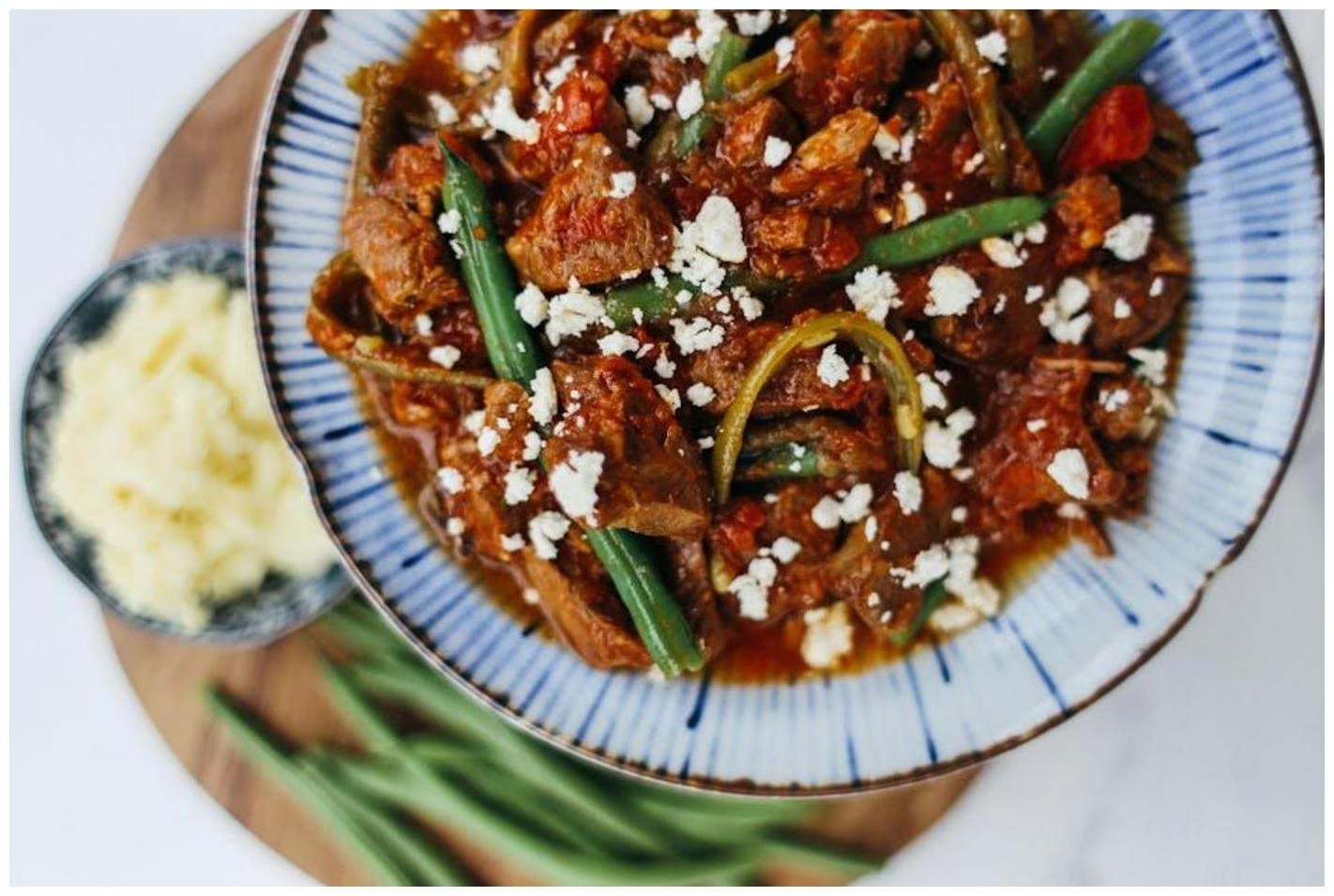
Classic Hearty Lamb Stew with Root Vegetables
This timeless stew combines tender lamb with a medley of potatoes, carrots, and celery in a rich, savory broth, perfect for a cozy family dinner.
Ingredients
- 2 tbsp olive oil
- 600 g boneless lamb shoulder, cut into 3-4 cm cubes
- 1 large onion, chopped
- 2 cloves garlic, minced
- 2 medium carrots, peeled and sliced
- 2 medium potatoes, peeled and cubed
- 1 stalk celery, sliced
- 1 tbsp tomato paste
- 700 ml beef broth
- 1 tsp dried thyme
- 1/2 tsp dried rosemary
- Salt and black pepper to taste
Directions
- Heat olive oil in a large Dutch oven or heavy-bottomed pot over medium-high heat. Season lamb cubes with salt and pepper, then brown in batches until nicely seared on all sides. Remove lamb and set aside.
- Add chopped onion to the pot and cook until softened, about 5 minutes. Stir in minced garlic, carrots, potatoes, and celery. Cook for another 5 minutes, stirring occasionally.
- Stir in tomato paste and cook for 1 minute. Return the browned lamb to the pot. Pour in beef broth, then add dried thyme and rosemary.
- Bring the stew to a boil, then reduce heat to low, cover, and simmer for 1.5 to 2 hours, or until the lamb is fork-tender and vegetables are soft.
- Taste and adjust seasoning if needed. Serve hot.
Tips
- Brown your lamb well for a deeper flavor.
- Don’t rush the simmering process; slow cooking is key for tender meat.
- A splash of red wine can be added with the broth for extra richness.
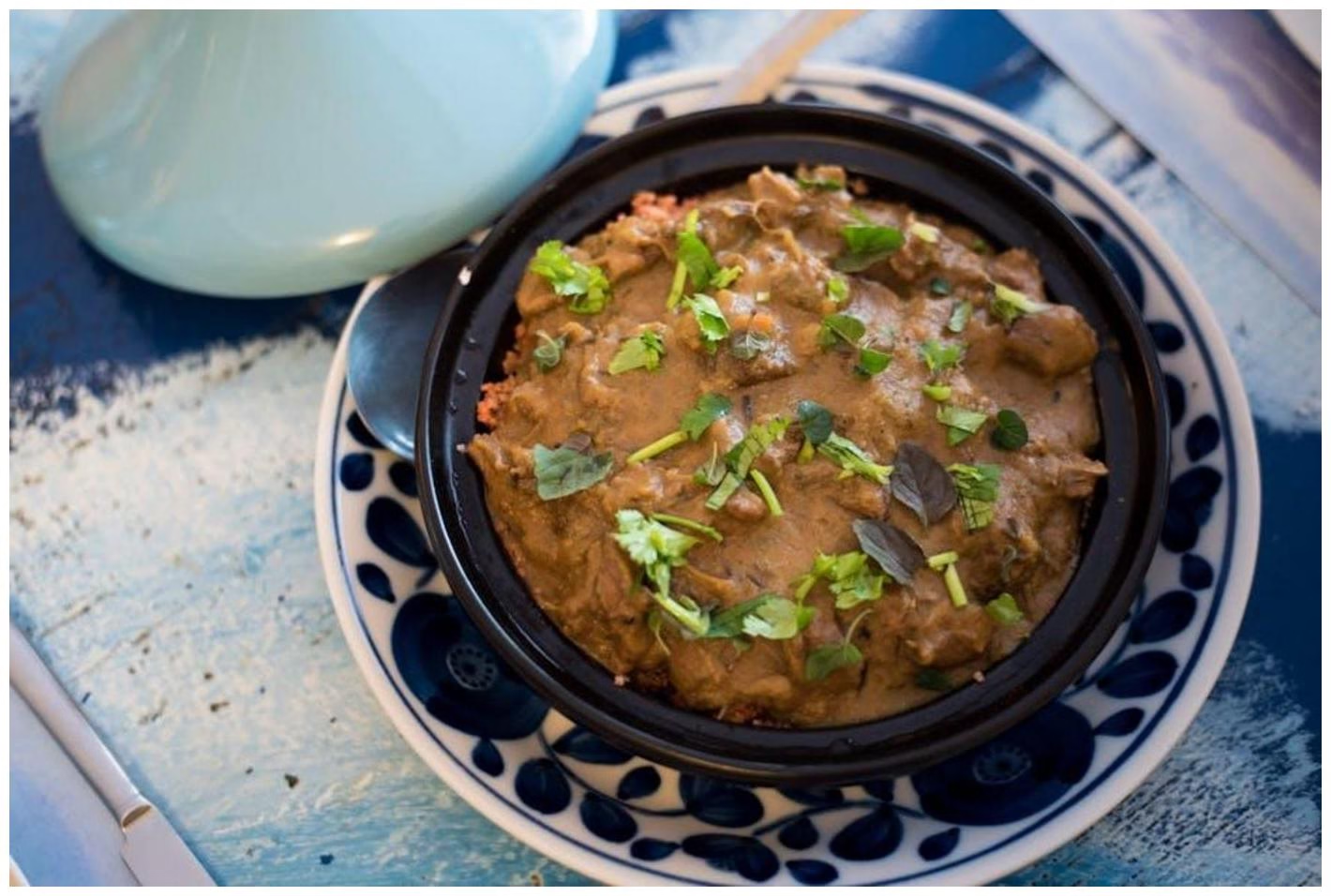
Mediterranean Lamb Stew with Lemon & Olives
Bright and zesty, this stew features tender lamb, sweet potatoes, and briny Kalamata olives, all infused with fragrant lemon and oregano for a taste of the Mediterranean.
Ingredients
- 2 tbsp olive oil
- 600 g boneless lamb leg, cut into 3-4 cm cubes
- 1 red onion, chopped
- 3 cloves garlic, minced
- 1 medium sweet potato, peeled and cubed
- 1/2 cup Kalamata olives, pitted and halved
- 400 g can diced tomatoes
- 500 ml chicken broth
- 1 tbsp dried oregano
- Zest and juice of 1 lemon
- 1/4 cup fresh parsley, chopped
- Salt and black pepper to taste
Directions
- Heat olive oil in a large pot or Dutch oven over medium-high heat. Season lamb with salt and pepper, then brown in batches until well seared. Remove and set aside.
- Add red onion to the pot and cook until softened, about 5 minutes. Stir in minced garlic and cook for 1 minute until fragrant.
- Return lamb to the pot. Add sweet potato, Kalamata olives, diced tomatoes, chicken broth, and dried oregano. Bring to a boil, then reduce heat.
- Cover and simmer for 1.5 hours, or until lamb is tender. Stir in lemon zest, lemon juice, and fresh parsley.
- Taste and adjust seasoning. Serve warm with crusty bread.
Tips
- Don’t overcook the olives; add them towards the end if you prefer them firmer.
- For a thicker stew, mash some of the sweet potato against the side of the pot.
- A pinch of red pepper flakes adds a nice subtle heat.
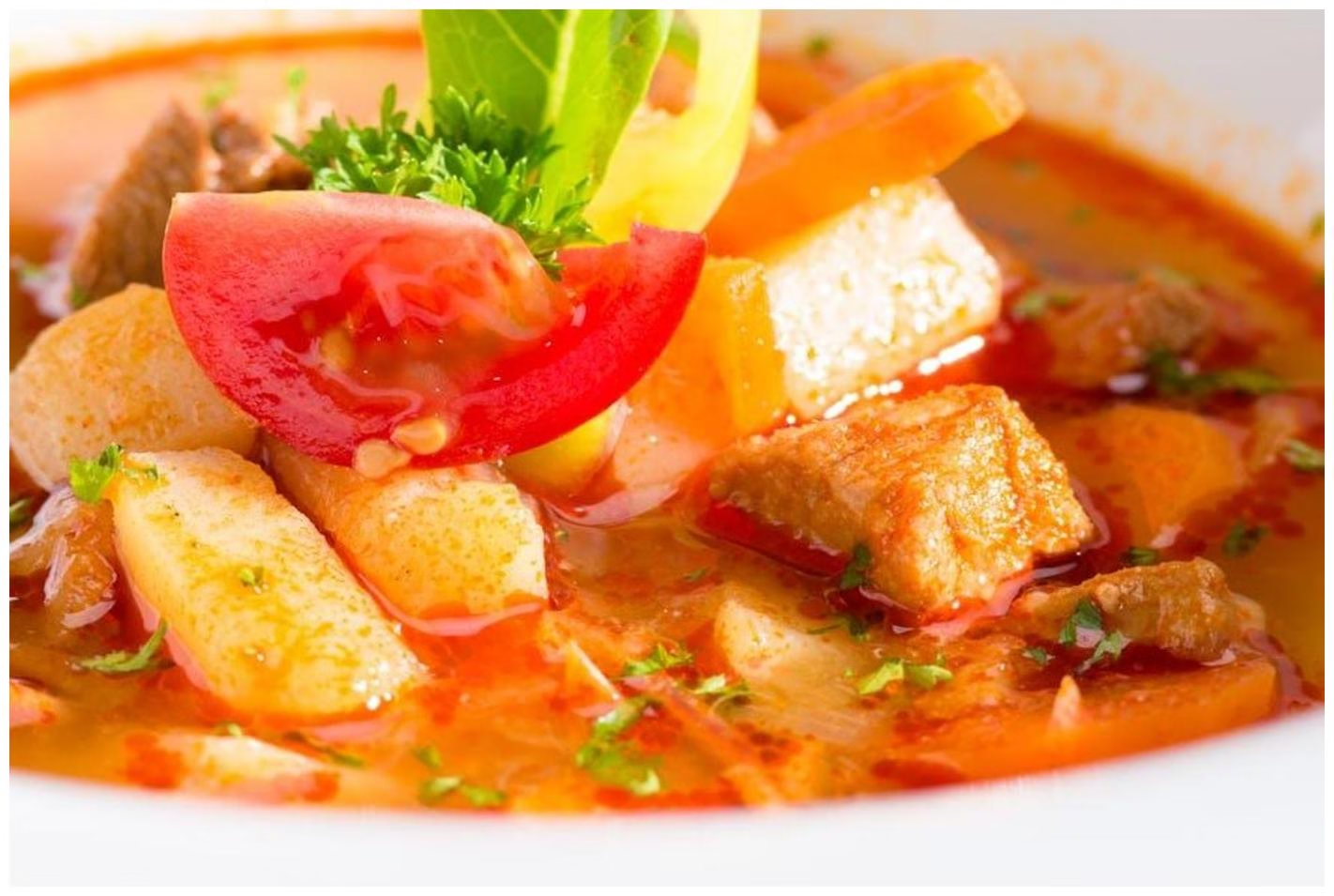
Spicy Moroccan Lamb & Chickpea Stew
Journey to North Africa with this aromatic stew, combining tender lamb, chickpeas, and carrots in a rich, spiced tomato broth, fragrant with cumin, coriander, and turmeric.
Ingredients
- 2 tbsp vegetable oil
- 600 g boneless lamb shoulder, cut into 3-4 cm cubes
- 1 large onion, chopped
- 2 cloves garlic, minced
- 1 tbsp fresh ginger, grated
- 2 medium carrots, peeled and sliced
- 400 g can chickpeas, drained and rinsed
- 400 g can diced tomatoes
- 700 ml vegetable broth
- 1 tbsp ground cumin
- 1 tsp ground coriander
- 1/2 tsp ground turmeric
- 1/4 cup fresh cilantro, chopped
- Salt and black pepper to taste
Directions
- Heat vegetable oil in a large pot or Dutch oven over medium-high heat. Season lamb with salt and pepper and brown in batches. Remove lamb and set aside.
- Add onion to the pot and cook until softened. Stir in minced garlic and grated ginger, cooking for 1 minute until fragrant.
- Return lamb to the pot. Add carrots, chickpeas, diced tomatoes, vegetable broth, cumin, coriander, and turmeric. Stir well.
- Bring to a boil, then reduce heat, cover, and simmer for 1.5 to 2 hours, or until lamb is fork-tender and flavors have melded.
- Stir in fresh cilantro just before serving. Taste and adjust seasoning.
Tips
- Toast your spices lightly in the dry pot before adding other ingredients to enhance their aroma.
- For an extra layer of flavor, add a handful of dried apricots during the last 30 minutes of cooking.
- Serve with couscous or rice.
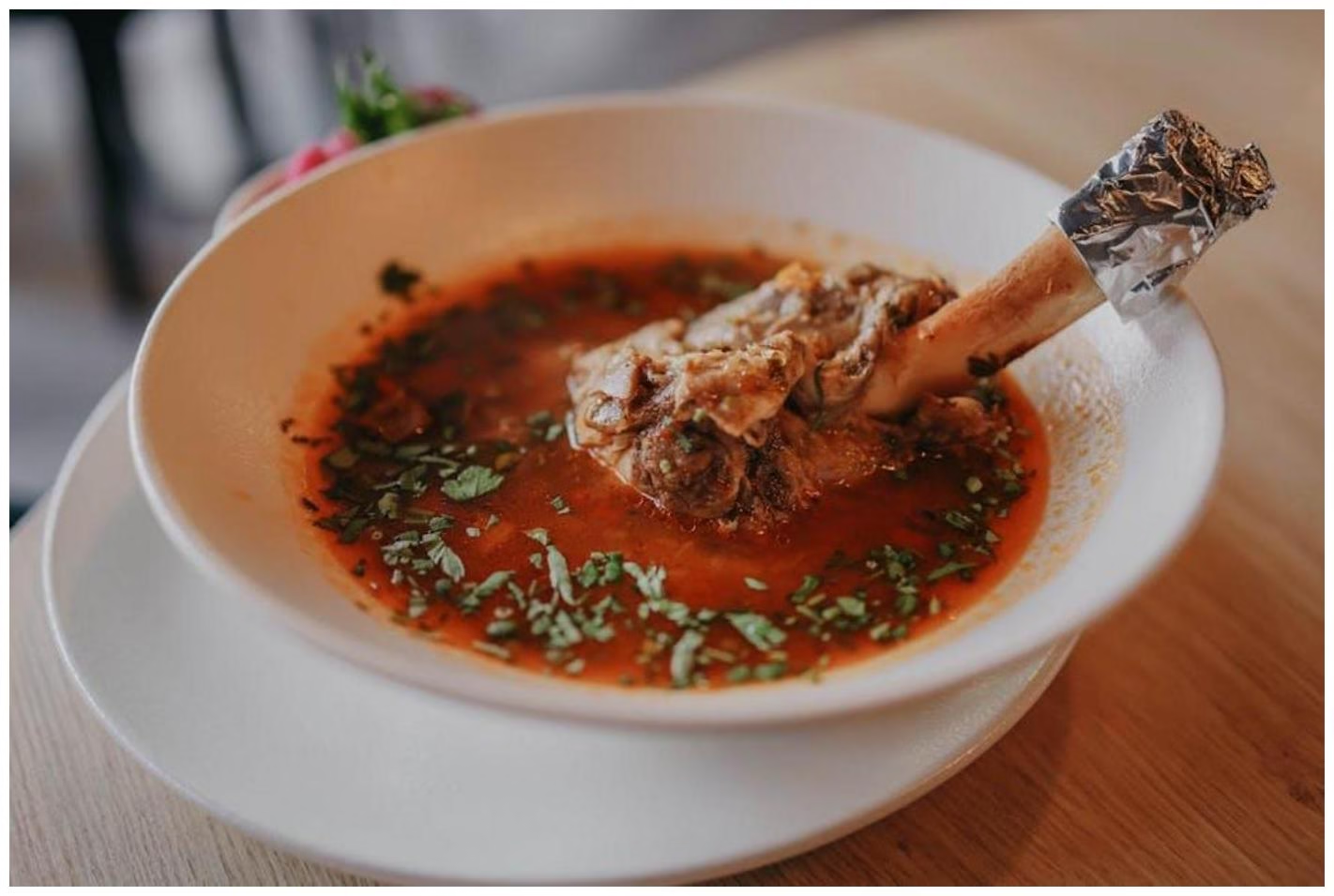
Irish Stout Lamb Stew with Pearl Barley
A hearty and robust stew featuring tender lamb, root vegetables, and toothsome pearl barley, all slow-cooked in a rich, malty stout beer broth for deep, comforting flavor.
Ingredients
- 2 tbsp olive oil
- 600 g boneless lamb neck or shoulder, cut into 3-4 cm cubes
- 1 large onion, chopped
- 3 cloves garlic, minced
- 2 medium carrots, peeled and sliced
- 2 medium potatoes, peeled and cubed
- 1 medium parsnip, peeled and sliced
- 330 ml Irish stout beer (e.g., Guinness)
- 500 ml beef broth
- 1/2 cup pearl barley
- 1 tsp dried thyme
- Salt and black pepper to taste
Directions
- Heat olive oil in a large Dutch oven over medium-high heat. Season lamb with salt and pepper, then brown in batches until well seared. Remove and set aside.
- Add onion to the pot and cook until softened. Stir in minced garlic, carrots, potatoes, and parsnip. Cook for 5 minutes, stirring.
- Pour in Irish stout, scraping up any browned bits from the bottom of the pot. Bring to a simmer and cook for 2-3 minutes to burn off alcohol.
- Return lamb to the pot. Add beef broth, pearl barley, and dried thyme. Stir well. Bring to a boil, then reduce heat to low.
- Cover and simmer for 2 to 2.5 hours, or until lamb is fork-tender and barley is cooked through and plump. Stir occasionally to prevent barley from sticking.
- Taste and adjust seasoning. Serve hot, garnished with fresh parsley if desired.
Tips
- Choose a good quality dry Irish stout for the best flavor.
- Pearl barley adds a lovely texture and helps to thicken the stew naturally.
- Don’t be afraid to let it simmer for the full time; the longer it cooks, the more flavors develop.
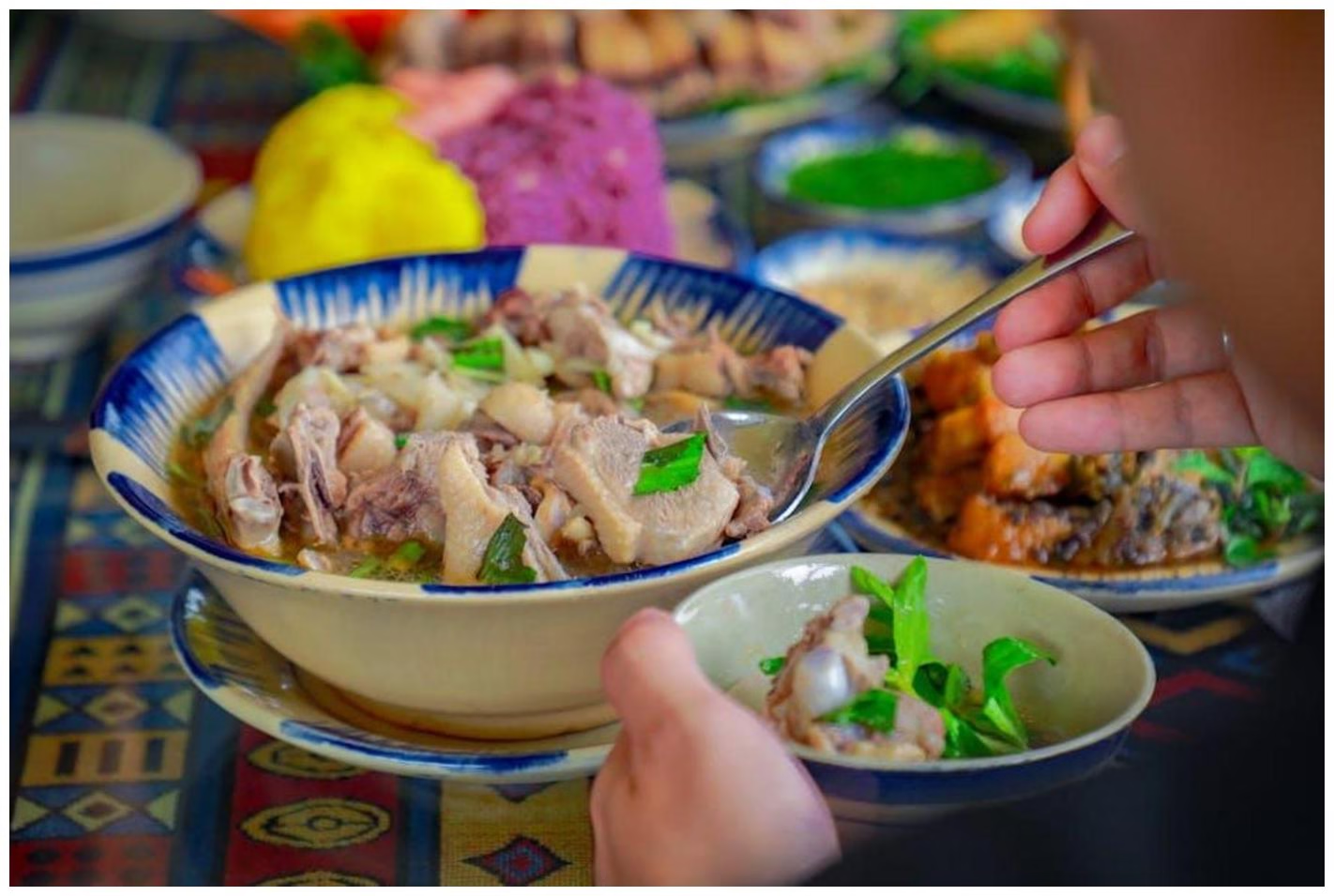
Hearty & Wholesome: Exploring the Comfort of Lamb Stew With Root Vegetables
Ever wonder what truly defines a dish as “comfort food”? Is it the warmth it brings to a chilly evening, the rich aroma filling your kitchen, or perhaps the way it effortlessly brings people together around the dinner table? For many home cooks and busy families, a beautifully prepared Lamb Stew With Root Vegetables embodies all these qualities and more.
This timeless dish offers a harmonious blend of tender lamb, earthy vegetables, and aromatic herbs, creating a meal that nourishes both body and soul. It’s more than just a recipe; it’s a culinary experience steeped in history and tradition, promising warmth and satisfaction with every spoonful. Understanding the nuances of this classic stew can elevate your cooking from good to truly exceptional, making your Lamb Stew With Root Vegetables a memorable highlight.
Whether you’re new to the art of stew-making or looking to refine your technique, embracing the process of creating a savory dish like a beef and potato stew can be incredibly rewarding. Are you ready to dive into the rich world of this wholesome meal and discover why Lamb Stew With Root Vegetables remains a beloved staple in kitchens worldwide?
Why Lamb Stew With Root Vegetables Matters So Much
The appeal of Lamb Stew With Root Vegetables extends far beyond its delicious taste; it’s a testament to resilient cooking traditions and the art of transforming simple ingredients into something extraordinary. This dish speaks to our innate desire for nourishing, fulfilling meals, especially during colder months. It’s a meal that truly celebrates the bounty of the earth and the richness of flavor, making every serving of Lamb Stew With Root Vegetables a special occasion.
A Culinary Journey Through History and Tradition
Stewing is one of the oldest cooking methods, dating back thousands of years across various cultures. From ancient European hearths to bustling marketplaces in the Middle East, the concept of slow-cooking meat and vegetables in a pot has been a cornerstone of sustenance. The evolution of Lamb Stew With Root Vegetables reflects this global heritage, adapting regional spices and available produce to create countless delicious variations. This method of cooking allowed tougher cuts of meat to become incredibly tender and flavorful, making it a practical and delicious solution for many households.
Nutritional Benefits and Wholesome Goodness
Beyond its comforting qualities, this stew is a nutritional powerhouse, making it an ideal choice for busy families looking for healthy meal options. Lamb provides high-quality protein, essential vitamins, and minerals like iron and zinc. The array of root vegetables — think carrots, potatoes, parsnips, and turnips — delivers a wealth of fiber, antioxidants, and vital nutrients. This combination ensures a well-rounded and energy-boosting meal that supports overall well-being, keeping you feeling full and satisfied after enjoying your Lamb Stew With Root Vegetables.
Crafting the Perfect Lamb Stew With Root Vegetables
Achieving a truly exceptional Lamb Stew With Root Vegetables involves more than just tossing ingredients into a pot; it’s about understanding the key elements that contribute to its depth of flavor and tender texture. From selecting the right cut of lamb to mastering the art of building layers of taste, each step plays a crucial role in the final outcome. Do you know which cut of lamb works best for a tender and flavorful stew?
Selecting the Ideal Lamb Cut for Stewing
For a tender and succulent lamb stew, choosing the right cut of meat is paramount. Shoulder, leg, or neck cuts are often preferred because they contain enough connective tissue to break down during long, slow cooking, resulting in incredibly tender pieces. These cuts, while initially tougher, become meltingly soft and absorb the rich flavors of the broth beautifully. You can find excellent options for a classic hearty lamb stew that often specify these ideal cuts, guaranteeing a superb texture for your Lamb Stew With Root Vegetables.
The Magic of Mirepoix and Aromatic Foundations
Every great stew begins with a strong aromatic foundation, and for any lamb stew with root vegetables, this often means a classic mirepoix. Sautéing finely chopped onions, carrots, and celery until softened creates a sweet and savory base that permeates the entire dish. Adding garlic, fresh herbs like thyme and rosemary, and a touch of tomato paste further enhances this foundational layer, building complexity before any liquid is even added. This step is non-negotiable for a truly flavorful Lamb Stew With Root Vegetables.
Enhancing Flavor and Texture in Your Lamb Stew With Root Vegetables
Beyond the basics, several techniques can elevate your Lamb Stew With Root Vegetables from good to unforgettable. These methods focus on intensifying flavors, achieving perfect tenderness, and creating a luscious, well-rounded sauce. What’s the secret to a rich, glossy gravy that perfectly complements your root vegetables?
Browning the Lamb for Depth of Flavor
Before any liquid touches the pot, thoroughly browning your lamb pieces is a critical step. This process creates a beautiful crust through the Maillard reaction, developing deep, savory flavors that cannot be replicated any other way. Don’t overcrowd the pot; work in batches to ensure proper searing and achieve that rich, golden-brown exterior. This adds incredible depth to the overall Lamb Stew With Root Vegetables, setting the stage for its amazing taste.
The Art of Braising and Slow Cooking
Braising is the heart of any great stew, transforming tough cuts into fork-tender delights. After browning, the lamb is submerged in a flavorful liquid—often broth, wine, or even a stout for an Irish stout lamb stew—and slow-cooked over low heat for several hours. This gentle, moist heat breaks down connective tissues, allowing the lamb to become incredibly tender while absorbing the rich flavors of the braising liquid. For more on this technique, you might explore recipes like braised lamb shanks or braised short ribs which rely heavily on this method to achieve similar succulence in their respective dishes.
Thickening Your Stew Naturally for a Velvety Finish
A well-structured stew has a velvety, rich sauce, not a thin, watery broth. While flour or cornstarch can be used, many cooks prefer natural thickening methods. Reducing the stew during the final stages of cooking concentrates its flavors and naturally thickens the sauce. Alternatively, mashing some of the cooked root vegetables against the side of the pot or adding a small amount of mashed potato can create a wonderfully creamy texture without any added thickeners. The goal is a luxurious consistency that coats the lamb and vegetables beautifully in your Lamb Stew With Root Vegetables.
Step-by-Step Guide to a Delectable Lamb Stew With Root Vegetables
Creating a mouthwatering Lamb Stew With Root Vegetables is an enjoyable culinary adventure. While specific recipes vary, the general progression remains consistent, ensuring you build layers of flavor with each step. This guide outlines the essential stages to help you craft a stew that’s both comforting and impressive, bringing out the best in both the lamb and the hearty root vegetables.
Preparation and Searing for Maximum Flavor
Begin by patting your lamb pieces dry and seasoning them generously. In a heavy-bottomed pot or Dutch oven, sear the lamb in batches until well-browned on all sides. Remove the lamb and set aside. Next, sauté your aromatic vegetables—onions, carrots, celery—until softened and fragrant, scraping up any delicious browned bits from the bottom of the pot. This creates a flavorful foundation that is crucial for the entire dish and an amazing Lamb Stew With Root Vegetables.
Building the Broth and Gentle Simmering
Deglaze the pot with a splash of wine or broth, then add your chosen liquid base, such as beef or lamb broth, ensuring you have enough to almost cover the lamb when it’s returned to the pot. Stir in tomato paste, herbs like thyme and bay leaves, and any additional seasonings. Return the seared lamb to the pot, bring the liquid to a gentle simmer, then cover and cook slowly for at least 1.5 to 2 hours, or until the lamb begins to tenderize. Patience at this stage is key to success for your Lamb Stew With Root Vegetables.
Adding Root Vegetables and Final Touches
After the initial cooking period, add your desired root vegetables like potatoes, parsnips, and turnips. These will cook through as the lamb continues to tenderize. Continue to simmer, covered, until the vegetables are tender and the lamb is fall-apart soft, typically another 45-60 minutes. Taste and adjust seasonings as needed, adding a final touch of fresh parsley or a dash of acid like red wine vinegar just before serving to brighten the flavors. Serve your amazing Lamb Stew With Root Vegetables hot and enjoy the fruits of your labor.
Common Mistakes to Avoid with Lamb Stew With Root Vegetables
Even seasoned cooks can sometimes stumble when preparing a hearty stew. Knowing the pitfalls can help you avoid them and ensure your Lamb Stew With Root Vegetables turns out perfectly every time. Are you guilty of any of these common errors?
One frequent mistake is overcrowding the pot when browning the lamb. This lowers the temperature, steaming the meat instead of searing it, which prevents the development of those crucial deep, savory flavors. Always brown your lamb in smaller batches to achieve a proper crust. Another error is not allowing enough cooking time; a good lamb stew needs several hours of slow simmering to become truly tender. Rushing the process will result in tough meat, undermining the comforting texture of your Lamb Stew With Root Vegetables.
Failing to properly season at various stages can also lead to a bland stew. Season the lamb before browning, season the aromatics, and taste and adjust the stew throughout its cooking process. Lastly, neglecting the liquid level can dry out your stew; ensure there’s always enough liquid to gently braise the ingredients, adding more hot broth if necessary. Remember, a good Lamb Stew With Root Vegetables is a labor of love that rewards patience and attention to detail.
Expert Tips and Best Practices for Your Lamb Stew With Root Vegetables
Elevate your lamb stew game with these expert recommendations that go beyond the basic recipe. These tips are designed to enhance flavor, optimize texture, and make your cooking experience more enjoyable and successful. Consider these insights for your next culinary endeavor to perfect your Lamb Stew With Root Vegetables.
For an even richer flavor, consider adding a piece of smoked ham hock or bacon to your stew during the simmering process. The subtle smoky notes will infuse the broth and complement the lamb beautifully. Another tip is to lightly roast your heartier root vegetables like potatoes and carrots separately before adding them to the stew in the final hour. This can prevent them from becoming too mushy and adds an extra layer of caramelized flavor. Many types of Mediterranean lamb stew often incorporate similar aromatic roasting techniques, lending a unique twist.
Don’t be afraid to experiment with different herbs and spices beyond the classic rosemary and thyme. Consider adding a pinch of smoked paprika, a bay leaf, or even a touch of orange zest for an unexpected brightness. For a unique twist, explore the flavors of a spicy Moroccan lamb stew, which often includes warming spices like cumin, coriander, and cinnamon. Finally, remember that stews often taste even better the next day, as the flavors have more time to meld and deepen. Make a large batch of your Lamb Stew With Root Vegetables and enjoy the delicious leftovers!
Conclusion: The Enduring Appeal of Lamb Stew With Root Vegetables
From its humble origins to its current status as a cherished comfort food, Lamb Stew With Root Vegetables continues to captivate palates worldwide. It’s a dish that embodies the warmth of home cooking, the richness of culinary history, and the simple pleasure of a well-prepared meal. Whether you’re gathering with family or seeking solace on a cold evening, this stew delivers on every front. Its adaptability allows for endless variations, making it a truly versatile addition to any home cook’s repertoire, showcasing the timeless appeal of Lamb Stew With Root Vegetables.
We hope this exploration has inspired you to create your own version of this magnificent dish, embracing the techniques and traditions that make it so special. Remember, the best meals are often those made with a little patience and a lot of love. If you’re looking for other comforting dishes, perhaps a recipe for beef stroganoff or chicken fricassee might pique your interest for another hearty meal. Enjoy your culinary journey!
Tips & Tricks
- Embrace the Day-After Magic: Your Lamb Stew With Root Vegetables often tastes even better the day after it’s made. Flavors meld and deepen, creating a more harmonious profile. Plan to cook it a day in advance for an even more satisfying meal experience.
- Perfect Your Vegetable Prep: Cut root vegetables into similar-sized pieces for even cooking and presentation. Add harder vegetables like carrots earlier, and softer ones like potatoes later, to prevent mushiness in your hearty Lamb Stew With Root Vegetables.
- Don’t Skimp on Deglazing: After browning lamb and sautéing aromatics, thoroughly deglaze your pot with wine or broth. Those browned bits are packed with flavor, adding immense depth to your stew’s sauce. This step is essential for a rich final product.
- Consider a Flour Dredge: For a slightly thicker and richer sauce, lightly dredge lamb pieces in seasoned flour before browning. This creates a roux as the lamb sears, naturally thickening the stew as it simmers. It’s a classic technique for a hearty consistency.
- Boost Umami with a Secret Ingredient: A tablespoon of Worcestershire sauce or a dash of soy sauce significantly boosts the umami flavor of your Lamb Stew With Root Vegetables. Add these subtle enhancers during simmering for an extra layer of complexity. Explore richer flavors with a classic hearty lamb stew.
- Herb Power: Fresh vs. Dried: While dried herbs are excellent for long simmering, finish your stew with fresh herbs like chopped parsley. The vibrant freshness brightens the overall flavor profile, adding a delightful aroma just before serving.
- Proper Storage for Leftovers: Allow your Lamb Stew With Root Vegetables to cool completely before transferring to airtight containers. This prevents bacterial growth, maintaining quality for 3-4 days in the refrigerator. For longer storage, freeze portions for convenience.
- Experiment with Different Root Vegetables: Don’t limit yourself to just potatoes and carrots. Add sweet potatoes for sweetness, turnips for a peppery note, or celery root for earthy depth. Variety enhances both flavor and nutritional value. Discover more pairings with dishes like pork carnitas.
- The Magic of a Slow Cooker: For incredible stew with less effort, use a slow cooker. Brown lamb and aromatics on the stovetop, then transfer everything to the slow cooker on low for 6-8 hours. It ensures fork-tender lamb. Explore more slow-cooked options like swiss steak recipe.
Frequently Asked Questions
What is the best cut of lamb for a flavorful Lamb Stew With Root Vegetables?
Shoulder, leg, or neck cuts are ideal for a rich and tender Lamb Stew With Root Vegetables. These cuts contain connective tissue that breaks down during slow cooking, ensuring succulent lamb. Avoid leaner cuts which can become dry, and consider bone-in pieces for extra flavor.
How can I prevent my root vegetables from becoming mushy in the stew?
Add root vegetables later in the cooking process to prevent mushiness. Heartier ones like carrots and parsnips can go in about 45-60 minutes before the end, while potatoes should be added around 30-40 minutes prior. Cutting uniform, larger pieces also helps maintain texture.
Why is browning the lamb important for a delicious Lamb Stew With Root Vegetables?
Browning lamb before simmering is crucial for developing deep, savory flavors. The Maillard reaction creates a rich crust that adds complexity and depth, setting the foundation for an exceptional Lamb Stew With Root Vegetables. This step enhances the overall taste significantly.
Can I make Lamb Stew With Root Vegetables ahead of time for better flavor?
Absolutely! Lamb Stew With Root Vegetables often tastes even better the next day as flavors meld and deepen. Prepare it in advance, cool completely, then store in an airtight container in the refrigerator. Reheat gently on the stovetop or in the oven, adding broth if needed.
What liquid is best for braising Lamb Stew With Root Vegetables?
Beef or lamb broth is the best liquid base, providing robust flavor. Red wine adds wonderful depth, and a good quality stout can create a richer, darker stew. While water can be used, broth or wine significantly enhance the overall taste of your Lamb Stew With Root Vegetables.
Is it safe to freeze leftover Lamb Stew With Root Vegetables?
Yes, Lamb Stew With Root Vegetables freezes very well. Allow it to cool completely, then portion into freezer-safe containers for up to 3 months. Thaw overnight in the refrigerator and reheat thoroughly on the stovetop, ensuring it reaches a safe internal temperature before serving.