
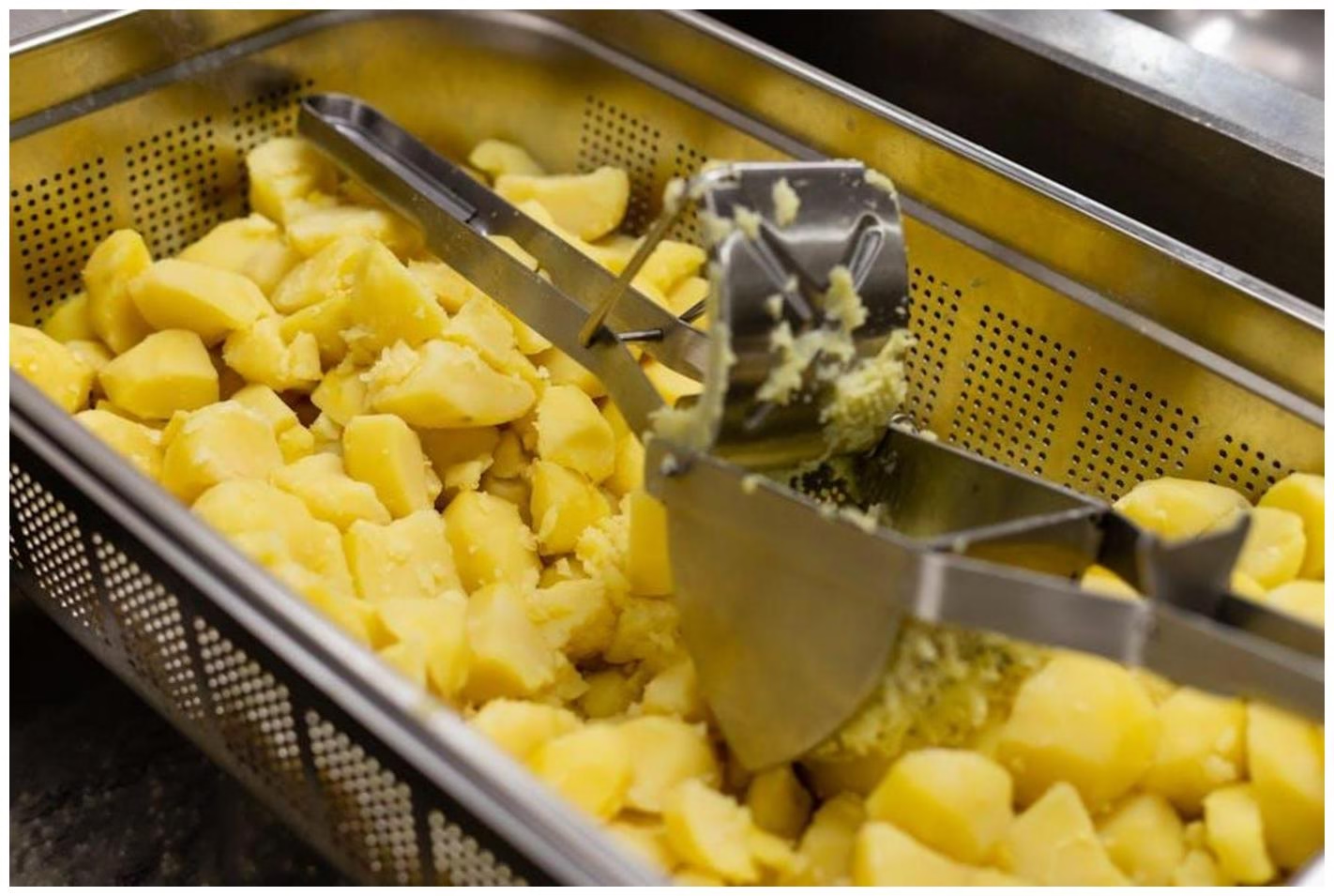
Classic Fish Chowder with Potatoes
Creamy seafood stew with tender potatoes and aromatic vegetables, simmered to perfection.
Ingredients
- 2 lbs white fish, diced
- 4 potatoes, cubed
- 1 onion, chopped
- 2 carrots, sliced
- 2 cups vegetable broth
- 1 cup heavy cream
- 2 tbsp butter
- 1 tbsp flour
- Salt & pepper
Directions
- Sauté onions and carrots in butter until soft
- Add fish and cook until opaque
- Stir in potatoes and broth
- Simmer 20 mins
- Add cream and flour for thickening
Tips
- Use firm white fish for best texture
- Add bay leaf for depth
- Adjust creaminess with milk if needed
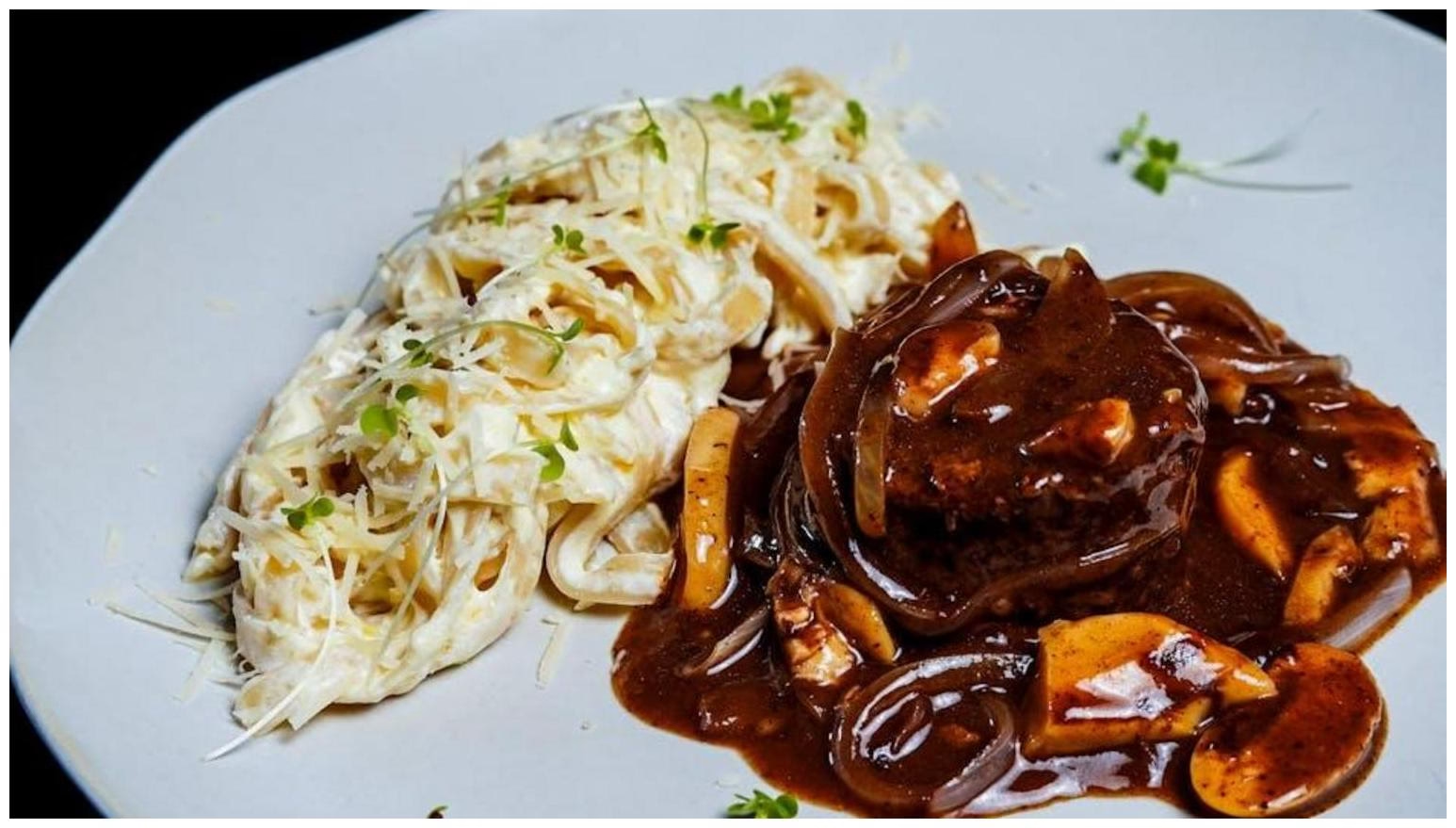
Creamy Mushroom Twist
Umami-rich chowder featuring autumn mushrooms, tender potatoes, and a rich cream base.
Ingredients
- 2 lbs cod, flaked
- 4 potatoes
- 1 lb mushrooms, sliced
- 3 celery stalks
- 1 cup chicken broth
- 1 cup heavy cream
- 1 tbsp flour
Directions
- Sauté mushrooms until browned
- Add celery and cook 5 mins
- Cook cod in broth
- Combine all ingredients
- Thicken with flour-cream blend
Tips
- Mushroom variety affects flavor
- Add parsley for brightness
- Use frozen cod for convenience
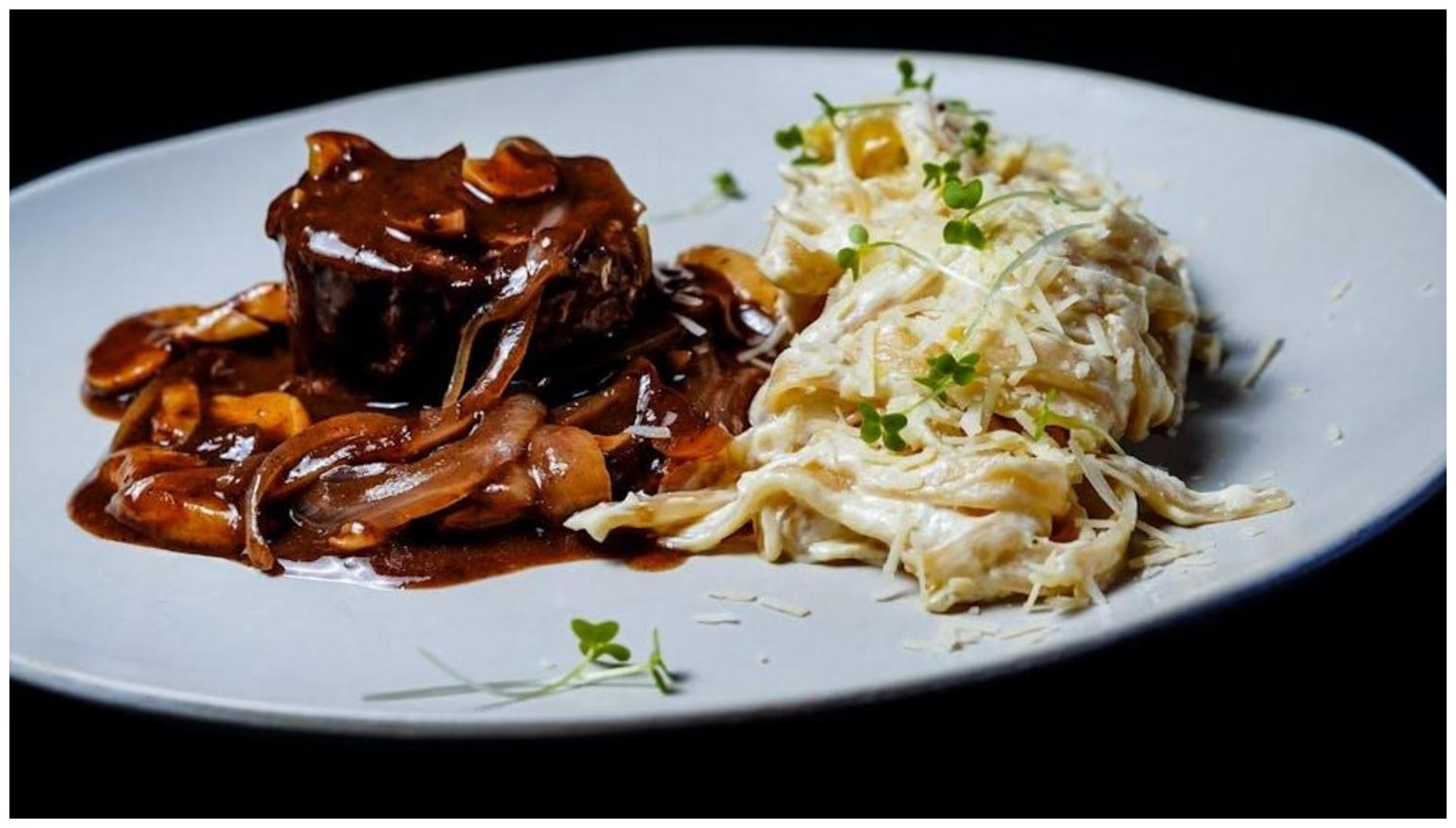
Citrus-Spiced Seafood
Zesty chowder with shrimp, lemon zest, and a hint of cayenne for a bold flavor profile.
Ingredients
- 2 lbs shrimp, peeled
- 4 potatoes
- 1 lemon, zested
- 4 cloves garlic
- 3 cups seafood stock
- 1 tbsp olive oil
- 1 tsp cayenne
Directions
- Sauté garlic in oil
- Cook shrimp until pink
- Add potatoes and stock
- Simmer 15 mins
- Stir in lemon zest and cayenne
Tips
- Use frozen shrimp for quick prep
- Balance heat with honey if needed
- Fresh dill enhances flavor
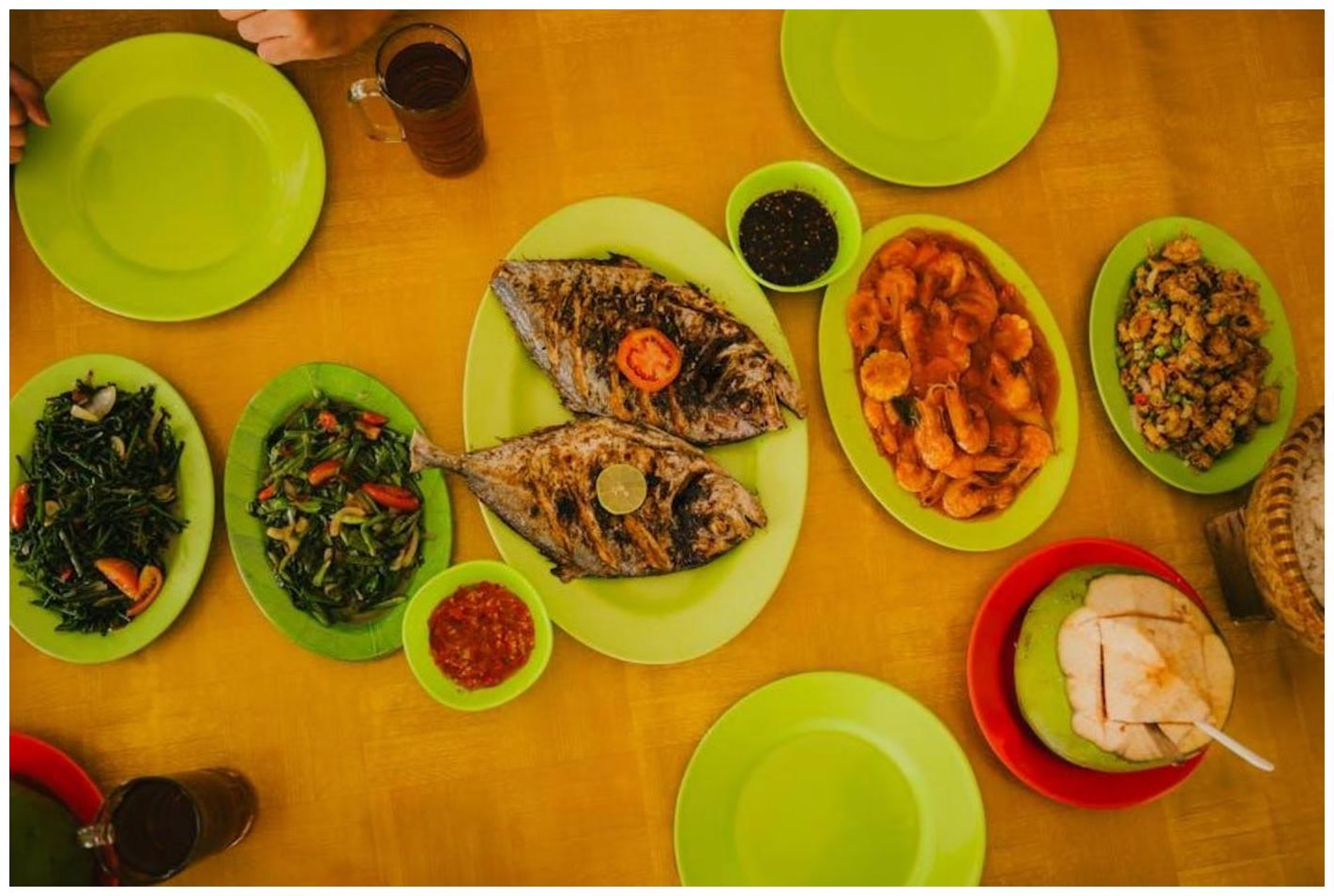
Gluten-Free Option
Creamy chowder using cauliflower instead of cream and cornstarch for thickening.
Ingredients
- 1.5 lbs haddock
- 4 potatoes
- 2 cups milk
- 1 cup cauliflower
- 2 tbsp cornstarch
- 1 onion
Directions
- Cook onion until soft
- Brown haddock in batches
- Simmer potatoes and milk
- Blend cauliflower for creaminess
- Thicken with cornstarch slurry
Tips
- Fresh dill enhances flavor
- Ensure dairy-free if needed
- Add parsley for brightness
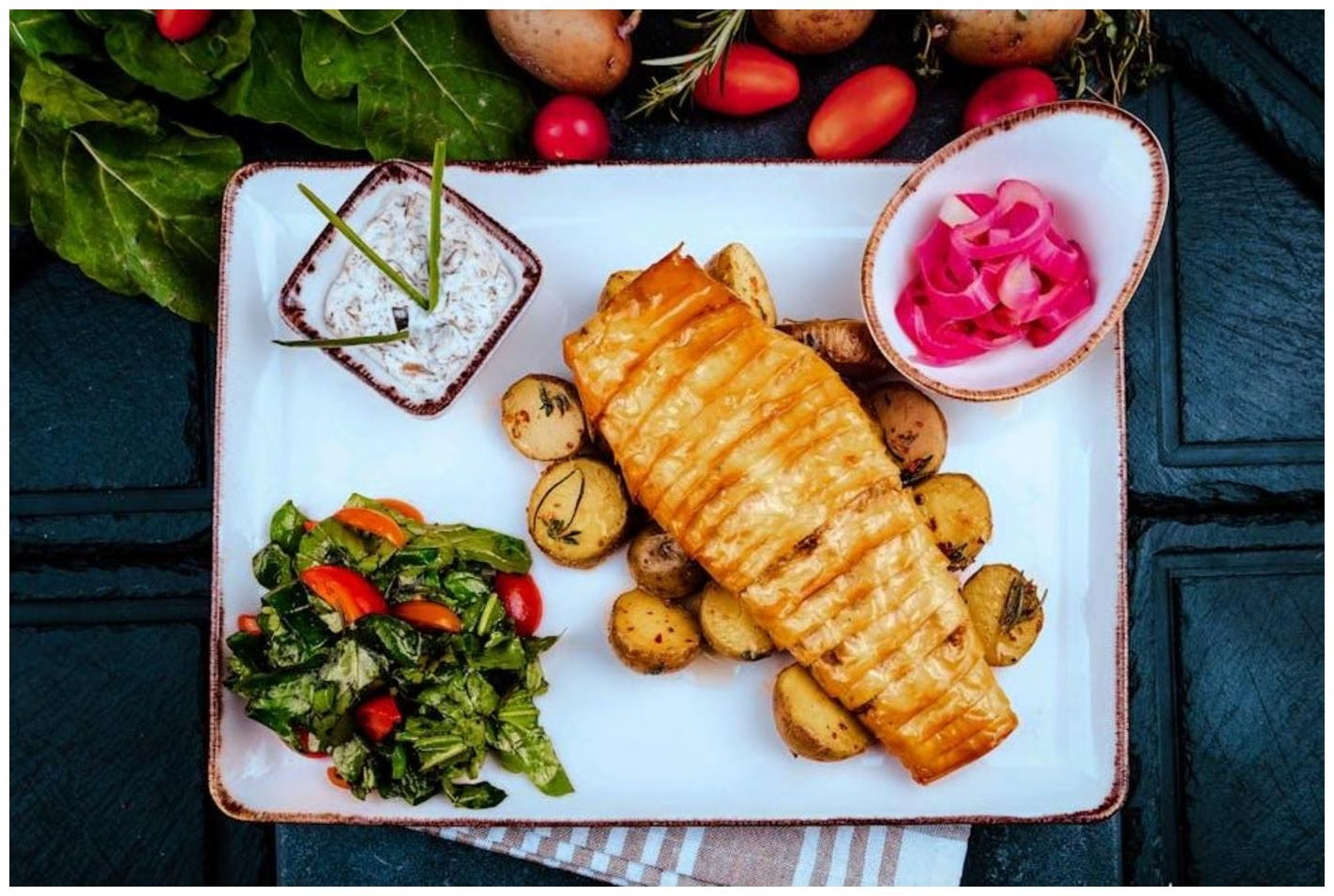
Fish Chowder With Potatoes — A Timeless Comfort Food
Have you ever wondered why fish chowder with potatoes feels like a hug in a bowl? This dish isn’t just about feeding hungry families; it’s a tradition that brings warmth to kitchens across generations. Whether you’re a home cook or someone busy juggling life, this dish proves that comfort can be both simple and deeply satisfying. Let’s dive into why fish chowder with potatoes holds such a special place in our hearts and how it can elevate your cooking game.
If you’ve ever thought, ‘How do I make this dish feel special without spending hours?’, you’re not alone. The beauty of fish chowder with potatoes lies in its adaptability. It’s a canvas for creativity, whether you’re using fresh catch or canned ingredients. Let’s explore how this dish evolved from necessity to a beloved staple.
Why Fish Chowder With Potatoes Matters
The History of Fish Chowder With Potatoes
Did you know fish chowder with potatoes dates back to coastal communities where fishers needed to preserve their catch? Potatoes, being sturdy and abundant, became the perfect partner. This combo wasn’t just practical—it was a celebration of resourcefulness. Today, this history adds depth to every spoonful, turning a simple bowl into a story of resilience.
Why Potatoes Make the Perfect Pairing
Potatoes in chowder aren’t a random choice. Their starch content thickens the soup without needing flour, while their earthy flavor balances the richness of fish. But here’s a question to ponder: Why do we often overlook the humble potato in modern recipes? The answer might surprise you—it’s all about texture and nostalgia.
How to Choose the Best Fish for Your Chowder
Types of Fish That Shine
Not all fish are created equal for chowder. White fish like cod or haddock offer a mild flavor that lets the spices shine, while oily fish like salmon or mackerel add depth. But what if you’re unsure what to buy? Should you prioritize freshness or convenience? The answer lies in balancing taste and practicality for your busy schedule.
Sustainability and Sourcing
Opting for sustainably sourced fish isn’t just ethical—it’s a way to support ecosystems. Look for certifications or local catches when possible. But here’s a thought: Can budget-friendly frozen fish work just as well? Spoiler: Yes, if stored properly and used within dates. It’s all about knowing your options.
Expert Tips and Best Practices
- Start with a Flavorful Base: Sauté onions and garlic to build depth. Skip shortcuts here—the base sets the tone for the entire dish.
- Use Potatoes Wisely: Cut them uniformly to ensure even cooking. Don’t overcook them or they’ll turn mushy. What’s the secret to maintaining their texture? Gentle simmering is key.
- Boost Protein with Seafood: Add shrimp or clams for a seafood lover’s twist. This isn’t just a tip—it’s a game-changer for complexity.
- Baked Salmon Pairing: If you’re serving this chowder as part of a meal, link to a salmon recipe for a cohesive spread.
- Grab Pre-Cooked Potatoes: Save time by using frozen or canned potatoes when you’re short on prep time.
Conclusion: Fish Chowder With Potatoes Summary
Fish chowder with potatoes isn’t just a meal—it’s a connection to tradition and a reminder that comfort food can be both nourishing and joyful. Whether you’re cooking for one or a crowd, this dish adapts to your needs. Remember, the key is balance: texture, flavor, and ease. Next time you’re in the kitchen, ask yourself: ‘How can I make this dish my own? That’s where the magic happens.
- Leftover Magic: Store chowder in portions for quick meals. Reheat with a splash of milk to refresh flavors. Can you freeze leftovers? Absolutely—this tip saves time without sacrificing taste.
- Spice Up the Game: Add a bay leaf or a pinch of white pepper for unexpected depth. Try mushroom add-ins for a savory twist.
- Potato Swaps: Use Yukon Gold for creaminess or new potatoes for a lighter touch. What if you don’t have potatoes? Cauliflower works surprisingly well in a low-carb version.
- Batch Cooking: Double the recipe and freeze half. This is a lifesaver for busy days. Gluten-free options are easy with frozen potato bases.
- Garnish Thoughtfully: Fresh herbs or a dollop of cream elevate presentation. But should you garnish before serving? Yes, it locks in aroma and color.
What is fish chowder with potatoes good for?
Fish chowder with potatoes is a hearty, nutrient-rich meal that provides protein from fish and carbs from potatoes. It’s ideal for cold weather, gatherings, or when you need a satisfying dish that feeds both body and soul. Its layered flavors also make it a conversation starter at the table.
How do I store fish chowder with potatoes?
Store chowder in airtight containers in the refrigerator for up to 3-4 days. For longer storage, freeze it in portioned bags. When reheating, add a little water or milk to restore creaminess. Avoid boiling it directly, as this can make it grainy.
Can I make fish chowder with potatoes without dairy?
Absolutely! Use plant-based milk or cream substitutes to maintain richness. Potatoes naturally thicken the soup, so you can skip creams entirely for a lighter version. This is a great option for those with dietary restrictions or lactose intolerance.
What’s the best type of fish for this recipe?
White fish like cod, haddock, or tilapia are ideal because their mild flavor lets spices and herbs shine. Oily fish like salmon add a richer taste but may overpower delicate seasonings. Supermarkets often carry pre-cooked fish, which saves time without compromising quality.
Is fish chowder with potatoes healthy?
It can be, depending on ingredients. Use lean fish, minimal added fats, and whole potatoes for a balanced meal. Avoid excessive cream or salt. Leftover fish chowder is also a sustainable choice, as it utilizes leftovers creatively.
How long does it take to make fish chowder with potatoes?
From prep to simmering, it typically takes 1.5 to 2 hours. However, many steps can be prepped ahead. Chop potatoes and onions in advance, and freeze broth for future use. This makes recreating the dish in a pinch quick and efficient.