
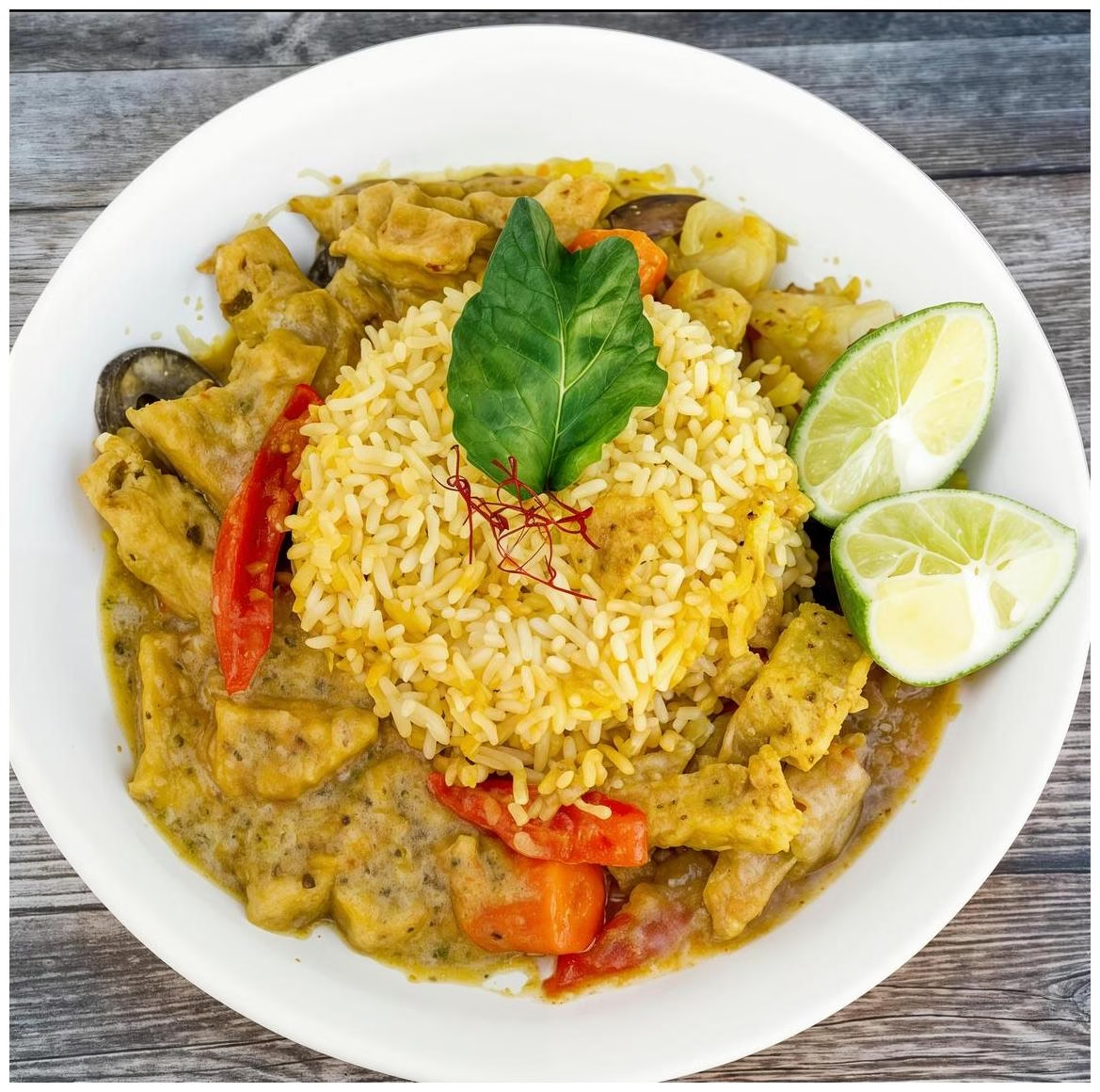
Classic Golden Saffron Rice Pilaf
A timeless and aromatic side dish, this classic saffron rice pilaf brings a touch of elegance to any meal. Infused with delicate saffron threads, it’s a flavorful and vibrant staple perfect for home cooks.
Ingredients
- 2 tbsp unsalted butter
- 1 large shallot, finely diced
- 1 ½ cups long-grain white rice, rinsed
- ¼ tsp saffron threads, steeped in ¼ cup hot water
- 3 cups chicken broth
- ½ tsp salt
- ¼ tsp black pepper
Directions
- In a medium saucepan, melt butter over medium heat. Add shallots and sauté until softened and translucent, about 3-4 minutes.
- Add the rinsed long-grain white rice to the saucepan and stir for 2-3 minutes, toasting the grains lightly.
- Pour in the saffron-infused water, chicken broth, salt, and black pepper. Stir gently to combine.
- Bring the mixture to a boil, then immediately reduce heat to low, cover tightly, and simmer for 15-18 minutes, or until all the liquid is absorbed and the rice is tender. Do not lift the lid during this time.
- Remove from heat and let stand, covered, for another 5-10 minutes.
- Fluff the rice gently with a fork before serving.
Tips
- Rinsing the rice thoroughly removes excess starch, leading to fluffier grains.
- Don’t peek! Keeping the lid on helps steam the rice evenly.
- For a richer flavor, toast a few pine nuts and sprinkle them over the top before serving.
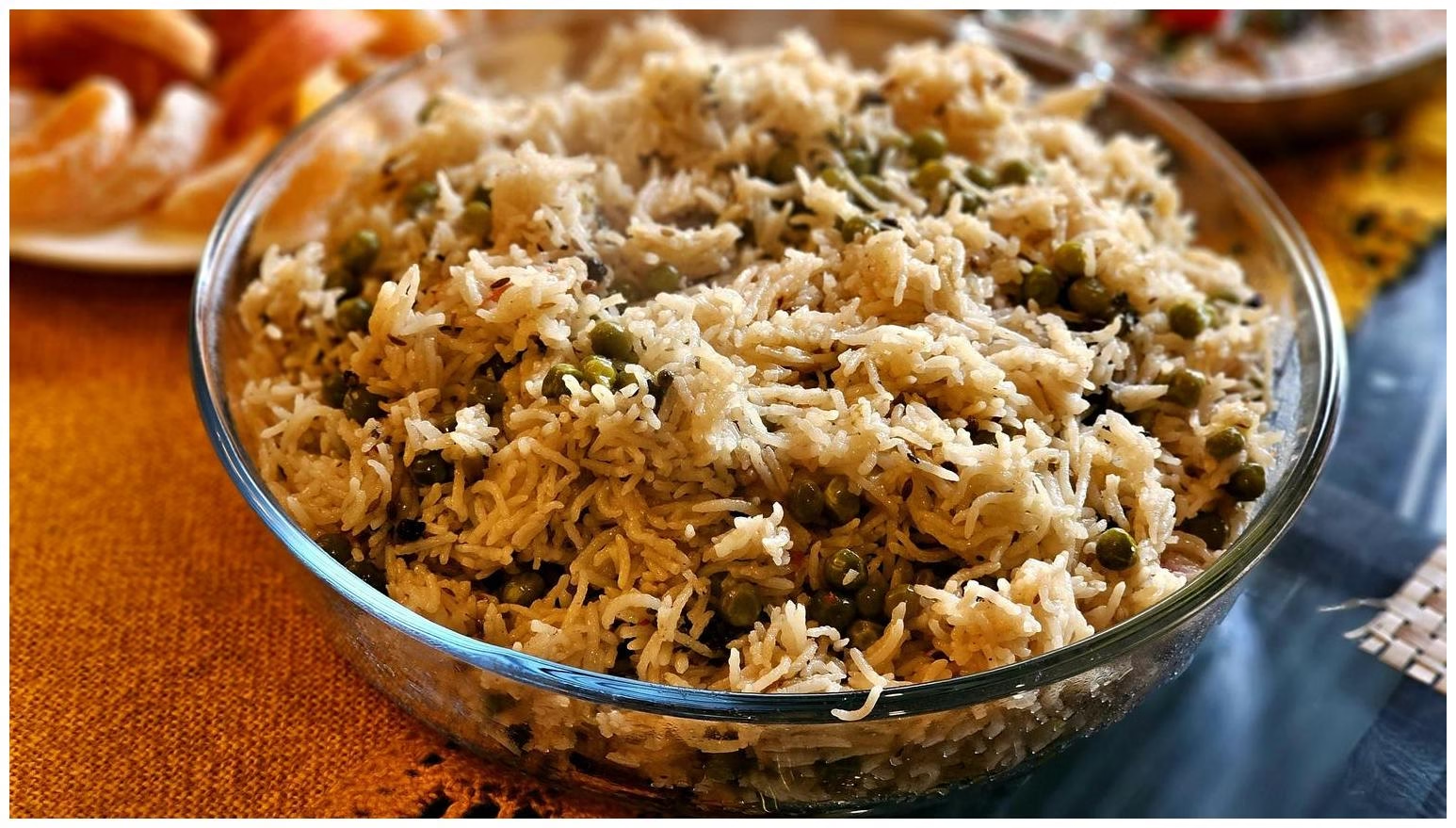
Zesty Lemony Herb Saffron Rice Pilaf
Brighten up your plate with this zesty saffron rice pilaf, bursting with fresh lemon and fragrant herbs. It’s a light and refreshing take on the classic, perfect for pairing with grilled chicken or fish.
Ingredients
- 1 ½ cups basmati rice, rinsed
- 3 cups chicken broth
- ¼ tsp saffron threads, steeped in ¼ cup hot water
- 2 tbsp olive oil
- 1 small yellow onion, finely chopped
- 2 cloves garlic, minced
- ½ cup fresh parsley, chopped
- ¼ cup fresh dill, chopped
- 1 lemon, zested and juiced
- Salt and black pepper to taste
Directions
- In a medium saucepan, heat olive oil over medium heat. Add chopped onion and sauté until softened, about 5 minutes. Add minced garlic and cook for another minute until fragrant.
- Add the rinsed basmati rice to the saucepan and stir for 2-3 minutes to lightly toast.
- Pour in the saffron-infused water and chicken broth. Season with salt and pepper. Bring to a boil, then reduce heat to low, cover, and simmer for 15-18 minutes, or until liquid is absorbed.
- Remove from heat and let stand, covered, for 5-10 minutes.
- Stir in the fresh parsley, dill, lemon zest, and lemon juice. Fluff gently with a fork and serve immediately.
Tips
- Add the herbs and lemon juice at the very end to retain their vibrant flavor and color.
- For a vegetarian version, swap chicken broth for vegetable broth.
- A pinch of red pepper flakes can add a subtle kick if you like a little heat.
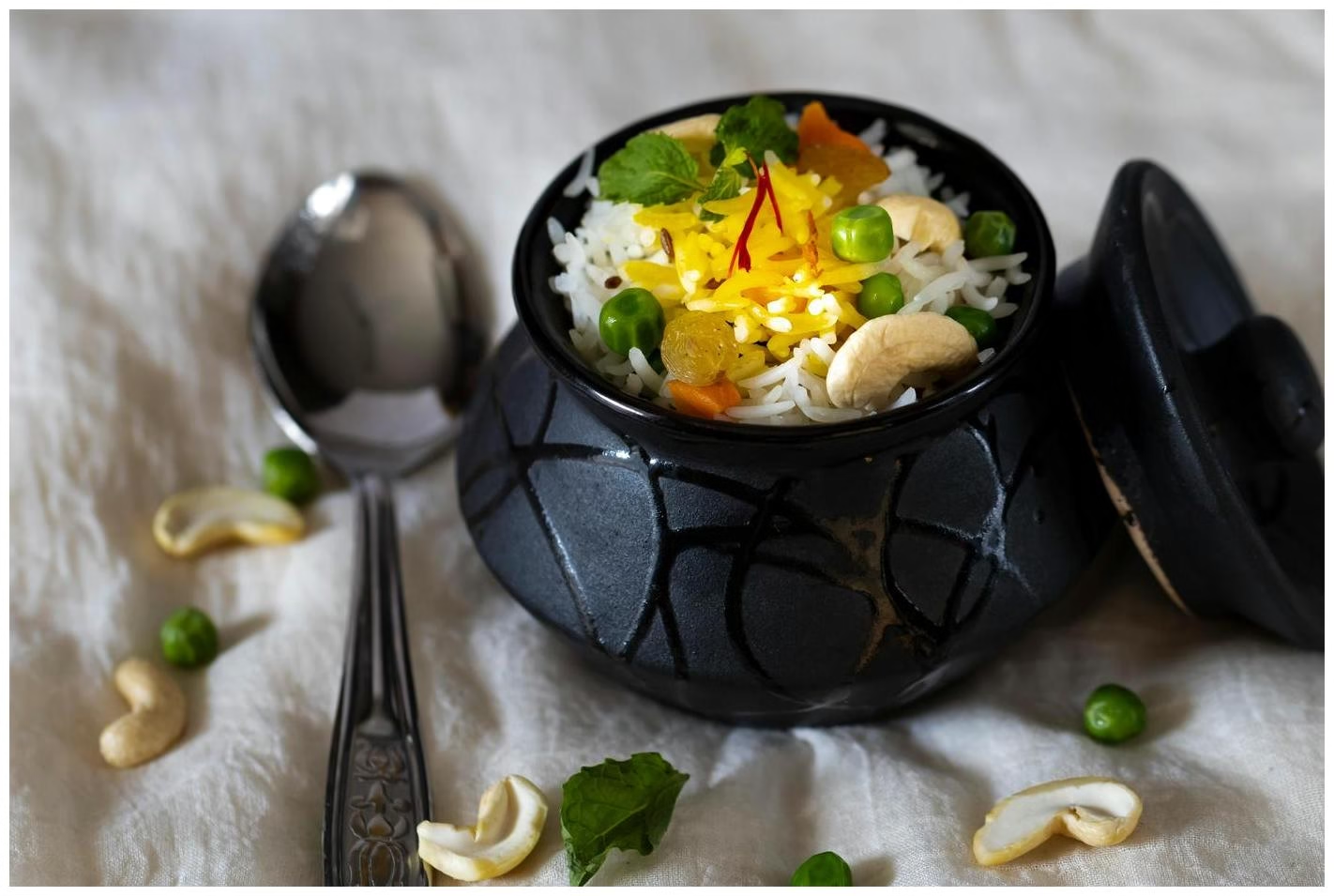
Hearty Vegetable Saffron Rice Pilaf
This wholesome and colorful saffron rice pilaf is packed with nutritious vegetables, making it a complete meal on its own or a satisfying side. Enjoy the vibrant flavors and comforting warmth of this easy-to-make dish.
Ingredients
- 1 ½ cups brown basmati rice, rinsed
- 3 ½ cups vegetable broth
- ¼ tsp saffron threads, steeped in ¼ cup hot water
- 2 tbsp olive oil
- 1 medium carrot, diced
- 1 stalk celery, diced
- ½ cup frozen peas
- ½ cup corn kernels (fresh or frozen)
- Salt and black pepper to taste
- ¼ cup slivered almonds, toasted (for garnish, optional)
Directions
- In a large saucepan or Dutch oven, heat olive oil over medium heat. Add diced carrot and celery, and sauté for 5-7 minutes until slightly tender.
- Add the rinsed brown basmati rice and stir for 2-3 minutes to lightly toast the grains.
- Pour in the saffron-infused water and vegetable broth. Season with salt and pepper. Bring to a boil, then reduce heat to low, cover, and simmer for 35-40 minutes, or until most liquid is absorbed. (Brown rice takes longer).
- Stir in the frozen peas and corn kernels. Re-cover and continue to cook for another 5-10 minutes, or until all liquid is absorbed and vegetables are tender.
- Remove from heat and let stand, covered, for 10 minutes. Fluff with a fork.
- Garnish with toasted slivered almonds before serving, if desired.
Tips
- Use brown basmati rice for added fiber and a nuttier flavor, but adjust cooking time as it takes longer than white rice.
- Feel free to customize with your favorite vegetables like bell peppers or green beans.
- Toasting the slivered almonds in a dry pan enhances their flavor and adds a nice crunch.
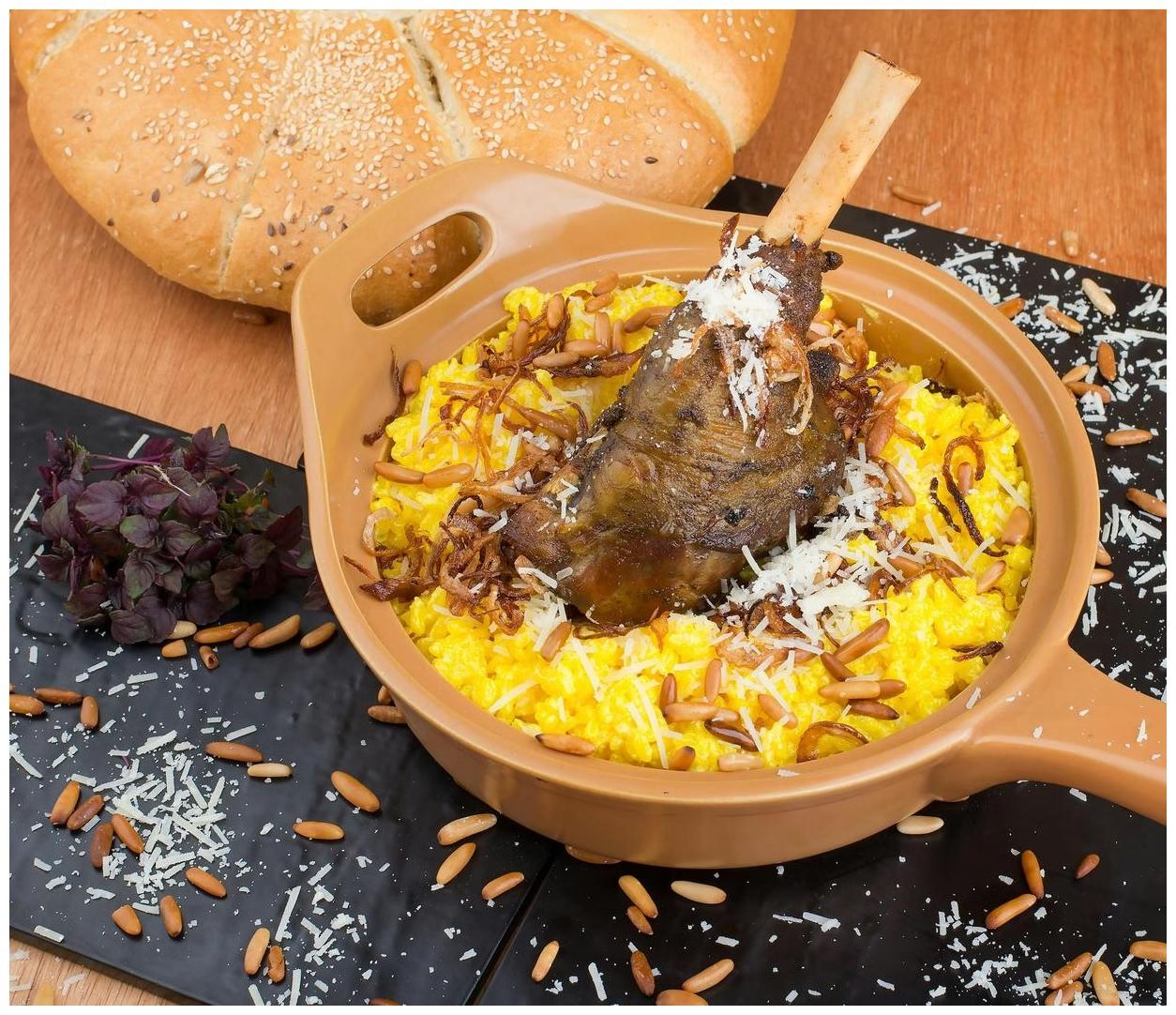
Sweet & Savory Cranberry Almond Saffron Rice
Elevate your saffron rice with this delightful sweet and savory twist! Dried cranberries and crunchy almonds add layers of flavor and texture, making this pilaf a festive and unforgettable side dish.
Ingredients
- 1 ½ cups basmati rice, rinsed
- 3 cups vegetable broth
- ¼ tsp saffron threads, steeped in ¼ cup hot water
- 2 tbsp unsalted butter
- 1 small red onion, finely diced
- ½ cup dried cranberries
- ½ cup slivered almonds
- ½ tsp ground cinnamon
- ¼ tsp ground cardamom
- Salt to taste
Directions
- In a medium saucepan, melt unsalted butter over medium heat. Add diced red onion and sauté until softened and translucent, about 5 minutes.
- Add the rinsed basmati rice, slivered almonds, ground cinnamon, and ground cardamom. Stir for 2-3 minutes, lightly toasting the almonds and spices.
- Pour in the saffron-infused water and vegetable broth. Add salt to taste. Bring to a boil, then reduce heat to low, cover, and simmer for 15-18 minutes, or until all the liquid is absorbed.
- Stir in the dried cranberries. Re-cover and let stand off the heat for another 5-10 minutes.
- Fluff the rice gently with a fork before serving.
Tips
- For extra depth, toast the slivered almonds briefly in a dry pan before adding them to the rice.
- A pinch of orange zest can complement the cranberries beautifully.
- This pilaf pairs wonderfully with roasted chicken or lamb for a holiday meal.
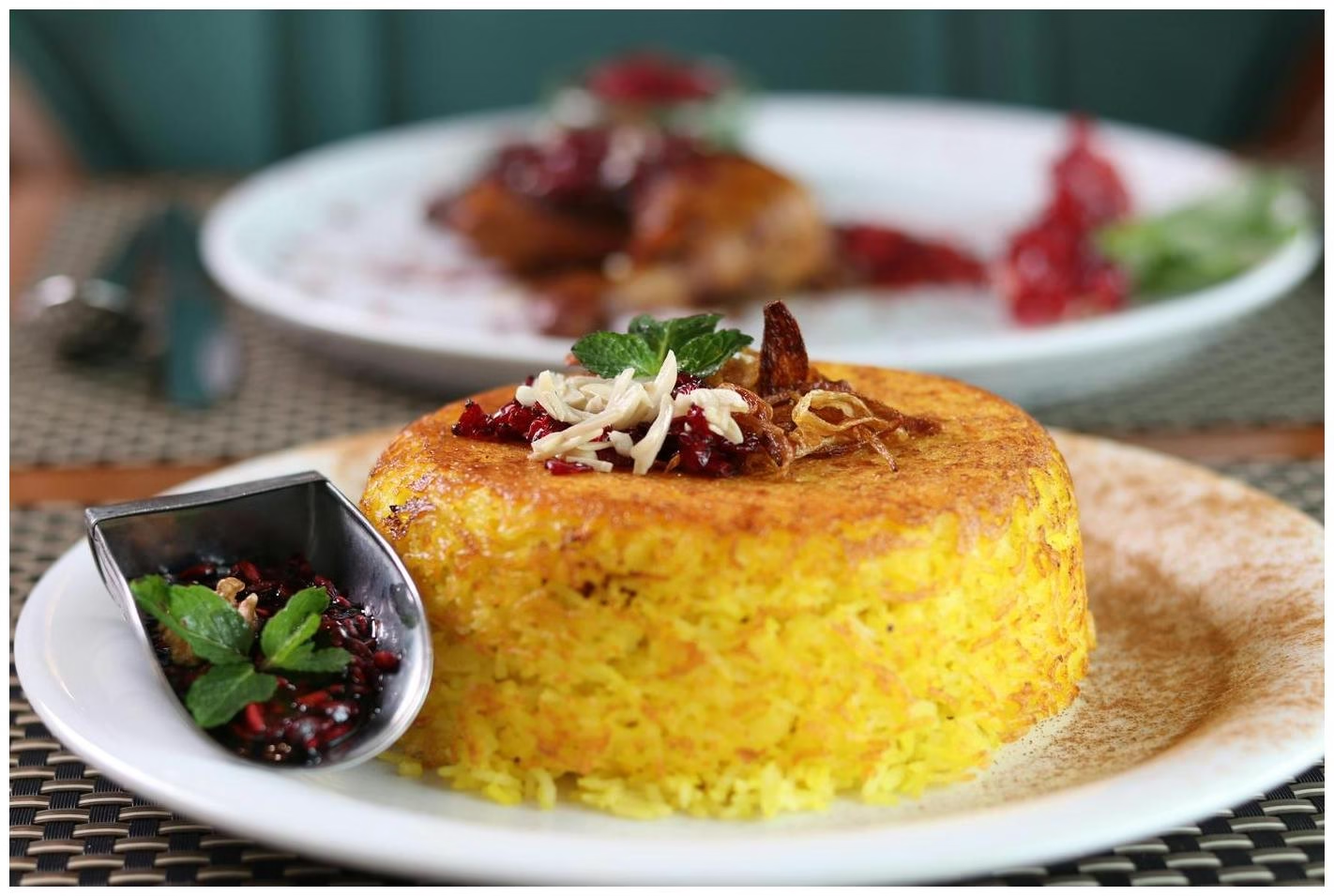
Saffron Rice Pilaf — The Golden Grain of Culinary Delight
Have you ever wondered what makes a dish truly unforgettable, capable of transporting you to distant lands with just a single bite? For many, the answer lies in the exquisite aroma and vibrant color of a perfectly prepared Saffron Rice Pilaf. This culinary gem isn’t just a side dish; it’s a celebration of flavor, history, and ancient traditions.
Imagine fluffy, individual grains of rice, each infused with the delicate, slightly sweet, and earthy notes of saffron, boasting a radiant golden hue. It’s a dish that elevates any meal, turning an ordinary dinner into a special occasion. But what exactly goes into creating this masterpiece, and how can you perfect it in your own kitchen?
Join us as we explore the captivating world of saffron and discover the secrets behind a truly exceptional pilaf, a dish that has charmed palates across centuries and continents. Understanding its origins and techniques will empower you to craft your own version with confidence, perhaps pairing it with a delicious baked salmon for a complete meal.
Why Saffron Rice Pilaf Matters
Beyond its undeniable beauty and captivating taste, Saffron Rice Pilaf holds a significant place in culinary history and diverse cultures. It’s more than just rice; it’s a testament to the power of a single, precious spice to transform humble ingredients into something extraordinary. This dish offers a sensory experience that goes far beyond simple sustenance.
The Allure of Saffron
Saffron, often called “red gold,” is the most expensive spice in the world, and for good reason. Harvested from the delicate stigmas of the Crocus sativus flower, each thread represents painstaking labor and meticulous care. Its unique flavor profile—a complex blend of floral, honey-like, and slightly metallic notes—is unparalleled, providing the signature taste that defines a true saffron rice pilaf.
Beyond flavor, saffron imparts a stunning, natural golden color that no artificial dye can replicate. This visual appeal is crucial to the dish’s identity, making it a feast for both the eyes and the palate. Have you ever noticed how the color alone can hint at the luxurious experience to come?
A Rich History on Your Plate
The history of rice pilaf, and especially its saffron-infused variations, stretches back millennia, with origins in ancient Persia. From there, it traveled along trade routes, influencing cuisines across the Middle East, Central Asia, and even parts of Europe. Each region adapted the basic pilaf technique, incorporating local ingredients and culinary traditions.
The act of preparing Classic Golden Saffron Rice Pilaf connects you to this rich heritage, echoing the techniques of cooks from empires long past. It’s a dish that tells a story, offering a taste of history with every flavorful spoonful. What other dishes on your table can boast such an illustrious past?
Crafting the Perfect Saffron Rice Pilaf
Achieving that ideal fluffy texture and vibrant flavor in Saffron Rice Pilaf requires more than just mixing ingredients. It’s about understanding the synergy between the rice, the liquid, and the aromatic additions. The technique involves careful consideration at every stage, from selecting your grains to the final resting period.
Selecting Your Ingredients Wisely
The foundation of any great pilaf is the rice itself. Long-grain varieties like Basmati or Jasmine are preferred for their ability to remain separate and fluffy when cooked, preventing a sticky, clumpy result. High-quality saffron is, of course, non-negotiable, ensuring both vivid color and authentic flavor. Don’t skimp on the butter or oil, as these are crucial for sautéing the rice and developing its nutty undertones.
Consider your aromatics too: finely diced onion or shallots create a sweet base when gently softened. Broth, whether chicken or vegetable, adds depth far beyond plain water. Think about how these elements, like the careful layering in a beef stroganoff, contribute to the overall richness of the dish.
Mastering the Pilaf Technique
The pilaf method involves first toasting the rice in a fat (butter or oil) until it’s slightly translucent. This step, often called sautéing or nuking the rice, is vital for developing flavor and ensuring individual grains. Next, the liquid (broth or water infused with saffron) is added, brought to a simmer, and then the rice is cooked covered over low heat.
The key is gentle simmering and a crucial resting period after cooking, allowing the rice to absorb any remaining moisture and steam itself to perfection. Resisting the urge to peek or stir during cooking is paramount; this process is similar to the patience required when creating delicate confections like homemade gelato, where temperature and timing are everything.
Beyond the Classic: Variations of Saffron Rice Pilaf
While the classic Saffron Rice Pilaf is a beloved staple, its versatility allows for exciting variations. You can easily adapt the basic recipe to suit different tastes, dietary preferences, or to complement various main courses. Don’t be afraid to experiment once you’ve mastered the foundational technique.
Zesty & Herbaceous Twists
For a brighter, more refreshing take, consider adding fresh lemon zest and a generous handful of chopped herbs like parsley, cilantro, or dill towards the end of cooking. The citrus notes provide a beautiful contrast to the saffron’s richness, while the herbs add a fragrant, verdant touch. This can transform your pilaf into a perfect accompaniment for grilled fish or chicken, much like a vibrant cucumber lemon juice cleanses the palate.
If you’re seeking inspiration, exploring recipes for Zesty Lemony Herb Saffron Rice Pilaf can provide excellent starting points for these delightful variations. The addition of these elements introduces new dimensions of flavor without overpowering the star spice.
Hearty & Sweet Additions
To make your pilaf more substantial or suitable for a festive occasion, incorporate hearty vegetables like peas, carrots, or diced bell peppers. Sauté these with the onions before adding the rice for extra flavor and texture. For a sweet and savory experience, dried fruits such as cranberries, raisins, or apricots, along with toasted nuts like slivered almonds or pistachios, can be stirred in at the end.
These additions can turn your pilaf into a standout dish, whether served alongside a rich braised short ribs or as a festive side for a holiday feast. You can find ready inspiration in dishes like Hearty Vegetable Saffron Rice Pilaf or Sweet & Savory Cranberry Almond Saffron Rice, which highlight these wonderful combinations.
Step-by-Step Guide to a Flawless Saffron Rice Pilaf
Crafting a perfect Saffron Rice Pilaf is a rewarding experience that follows a logical progression. While this isn’t a recipe card, understanding the sequence of actions can demystify the process. Each step builds upon the last, ensuring a harmonious and delicious outcome.
Prepping Your Grains and Aromatics
Begin by gently rinsing your chosen long-grain rice under cold water until the water runs clear. This removes excess starch, which is crucial for achieving separate, fluffy grains. While the rice drains, gently warm a small amount of broth and infuse your saffron threads, allowing them to bloom and release their color and aroma. This pre-infusion step is as important as the precision in preparing any delicate dish, like following the exact steps for how to dye pasta to get the right hue.
Next, sauté your finely diced aromatics, such as onions or shallots, in butter or oil until they are soft and translucent, but not browned. This step creates the flavorful base that will permeate every grain of rice. Don’t rush this process; patience here pays dividends in the final taste.
Common Mistakes to Avoid with Saffron Rice Pilaf
Even experienced cooks can sometimes stumble when preparing a saffron rice pilaf. Knowing the pitfalls can help you sidestep them, ensuring a consistently excellent dish. A little foresight can save a lot of frustration in the kitchen.
One frequent error is using too much or too little liquid, leading to either mushy or undercooked rice. Another is lifting the lid too often during the cooking process, which allows steam to escape and disrupts the even cooking of the grains. Over-stirring cooked rice can also break the grains, resulting in a sticky texture.
Lastly, be mindful of the quality and quantity of your saffron. Using imitation saffron or too little of the genuine article will result in a lacklustre color and flavor. Remember, quality ingredients are fundamental, much like ensuring you know does pasta go bad before cooking with it.
Expert Tips and Best Practices
Elevate your Saffron Rice Pilaf from good to truly exceptional with these refined techniques. These insights come from years of culinary experience and focus on small details that make a big difference.
Always bloom your saffron threads in a small amount of warm liquid (water, broth, or milk) for at least 10-15 minutes before adding them to the rice. This allows the full color and flavor to develop. Consider lightly toasting your rice grains in dry heat for a few minutes before adding any fat; this can enhance their nutty flavor even further.
Use a heavy-bottomed pot or Dutch oven for cooking, as it distributes heat more evenly and helps prevent scorching. After the initial cooking time, turn off the heat and let the pilaf rest, covered, for at least 10 minutes (or even longer) before fluffing with a fork. This resting period is critical for perfect texture, much like allowing a chocolate cake to cool before frosting.
Conclusion: Your Journey with Saffron Rice Pilaf Begins
Embracing the art of making Saffron Rice Pilaf is a delightful culinary adventure. From its ancient origins to the precise techniques required for perfection, this dish offers a rich tapestry of flavors, aromas, and history. It’s a testament to how simple ingredients, elevated by a precious spice, can create something truly spectacular.
We hope this exploration has inspired you to try your hand at crafting this golden grain delight. Remember, practice makes perfect, and each attempt brings you closer to mastering this elegant side dish. Enjoy the process, savor the flavors, and share the warmth of your homemade pilaf with friends and family. Perhaps next, you’ll delve into the intricacies of Beef Wellington for another impressive culinary feat.
Tips & Tricks
- Toast Your Saffron Gently: Before blooming, lightly toast your saffron threads in a dry pan for a few seconds to intensify their aroma and flavor. Be careful not to burn them, as this can make the saffron bitter. This simple step unlocks a deeper fragrance in your saffron rice pilaf.
- Use Clarified Butter: For a richer flavor and higher smoke point, consider using clarified butter (ghee) instead of regular butter when sautéing your rice. It adds a wonderfully nutty depth without the risk of burning the milk solids. This enhances the overall decadence of the dish.
- Don’t Forget to Rinse Your Rice: Always rinse your long-grain rice thoroughly under cold water until the water runs clear. This crucial step removes excess starch, preventing your pilaf from becoming gummy or sticky. Achieving separate, fluffy grains is key, much like the precision needed for perfectly textured pasta.
- Perfect Your Liquid-to-Rice Ratio: The exact ratio can vary slightly depending on the type of rice, but generally, a 1.5:1 to 1.75:1 liquid-to-rice ratio (by volume) works best for pilaf. Too much liquid leads to mushy rice, while too little results in crunchy, undercooked grains. Consistency is vital for your Classic Golden Saffron Rice Pilaf.
- Season in Layers: Don’t wait until the end to season. Add a pinch of salt when sautéing the aromatics, and another when adding the liquid, tasting and adjusting as you go. This builds flavor throughout the cooking process. Layered seasoning creates a more complex and satisfying taste.
- Add a Citrus Brightness: A squeeze of fresh lemon juice or a sprinkle of lemon zest right before serving can brighten the entire dish. The acidity cuts through the richness and enhances the saffron’s delicate notes. This is a common technique to add sparkle to many savory dishes.
- Consider a “Tahdig” Crust: For an authentic Persian touch, you can create a crispy bottom crust, or “tahdig,” by adding a thin layer of potato slices or lavash bread to the bottom of the pot before adding the rice. This coveted crunchy layer is a delightful textural contrast.
- Fluff with Care: Once your pilaf has rested, use a fork to gently fluff the grains from the bottom up. Avoid stirring vigorously, which can break the delicate rice grains and release starch. This gentle approach ensures your Saffron Rice Pilaf remains light and airy.
- Resting is Non-Negotiable: After the cooking time, turn off the heat and let the covered pot sit undisturbed for at least 10-15 minutes. This allows the steam to evenly distribute moisture, resulting in perfectly tender and separate grains. Skipping this step often leads to unevenly cooked rice.
- Serving Suggestion: Saffron Rice Pilaf is incredibly versatile. Serve it as an elegant side to roasted meats like baked chicken tenders, rich stews, or grilled vegetables. It also pairs beautifully with Middle Eastern or Mediterranean main courses, enhancing the entire meal experience.
Frequently Asked Questions
What is Saffron Rice Pilaf?
Saffron Rice Pilaf is a flavorful rice dish characterized by its vibrant golden color and distinct aroma, both derived from the precious saffron spice. It typically involves toasting long-grain rice in fat, adding saffron-infused broth, and then simmering until fluffy. Originating in Persia, it has become a celebrated dish across various cuisines, often served as an elegant side that elevates any meal with its luxurious taste and appearance.
How do I achieve the best saffron flavor in my Saffron Rice Pilaf?
To maximize saffron’s flavor, always “bloom” the threads before adding them to your pilaf. Gently toast the saffron in a dry pan for a few seconds, then steep them in a small amount of warm liquid (broth or water) for 10-15 minutes. This process helps release the full spectrum of its delicate, earthy, and floral notes, ensuring your Saffron Rice Pilaf is infused with its signature taste and rich color.
Why is my Saffron Rice Pilaf mushy?
Mushy Saffron Rice Pilaf often results from using too much liquid, not rinsing the rice sufficiently, or lifting the lid too often during cooking. Excess starch from unrinsed rice contributes to stickiness, while too much liquid overcooks the grains. Lifting the lid releases steam, disrupting the even cooking process. Ensure precise liquid ratios, thorough rinsing, and an undisturbed simmer to achieve separate, fluffy grains.
Is it safe to make Saffron Rice Pilaf ahead of time?
Yes, Saffron Rice Pilaf can be made ahead of time. Cooked rice should be cooled quickly and stored in an airtight container in the refrigerator within one hour of cooking to prevent bacterial growth. It can typically be stored safely for 3-4 days. Reheat gently on the stovetop with a splash of broth or water, or in the microwave, to restore its texture and warmth. Always ensure it is reheated thoroughly.
What are the signs of good quality saffron for my pilaf?
Good quality saffron threads are long, trumpet-shaped, and deep red with slight orange tips, indicating they are pure stigmas. They should have a strong, sweet, hay-like aroma, not powdery or overly floral. When steeped, high-quality saffron will slowly release its color, creating a vibrant yellow-orange infusion. Avoid saffron that crumbles easily or has a dull color, as these are signs of poor quality or adulteration for your Saffron Rice Pilaf.
When should I add the saffron to the rice pilaf?
The best time to add saffron to your rice pilaf is after it has been bloomed in a small amount of warm liquid. This saffron-infused liquid should be added to the toasted rice along with the rest of the cooking broth or water, just before you bring the mixture to a simmer and cover the pot. This ensures the saffron’s color and flavor are evenly distributed throughout the grains as they cook.
Can I make Saffron Rice Pilaf without a rice cooker?
Absolutely! Saffron Rice Pilaf can be perfectly prepared on the stovetop using a heavy-bottomed pot with a tight-fitting lid. The key steps remain the same: sauté the rice and aromatics, add the saffron-infused liquid, bring to a simmer, then cover and cook on low heat. A crucial resting period off the heat ensures fluffy, separate grains, demonstrating that specialized equipment isn’t necessary for success.
What are some common variations for Saffron Rice Pilaf?
Saffron Rice Pilaf is highly adaptable to various additions. Common variations include incorporating peas, carrots, or diced bell peppers for a hearty vegetable pilaf. For a sweet and savory twist, dried cranberries, raisins, or chopped apricots can be added along with toasted almonds or pistachios. Fresh herbs like parsley or cilantro, and a squeeze of lemon juice, can also brighten the dish, offering diverse flavor profiles.