
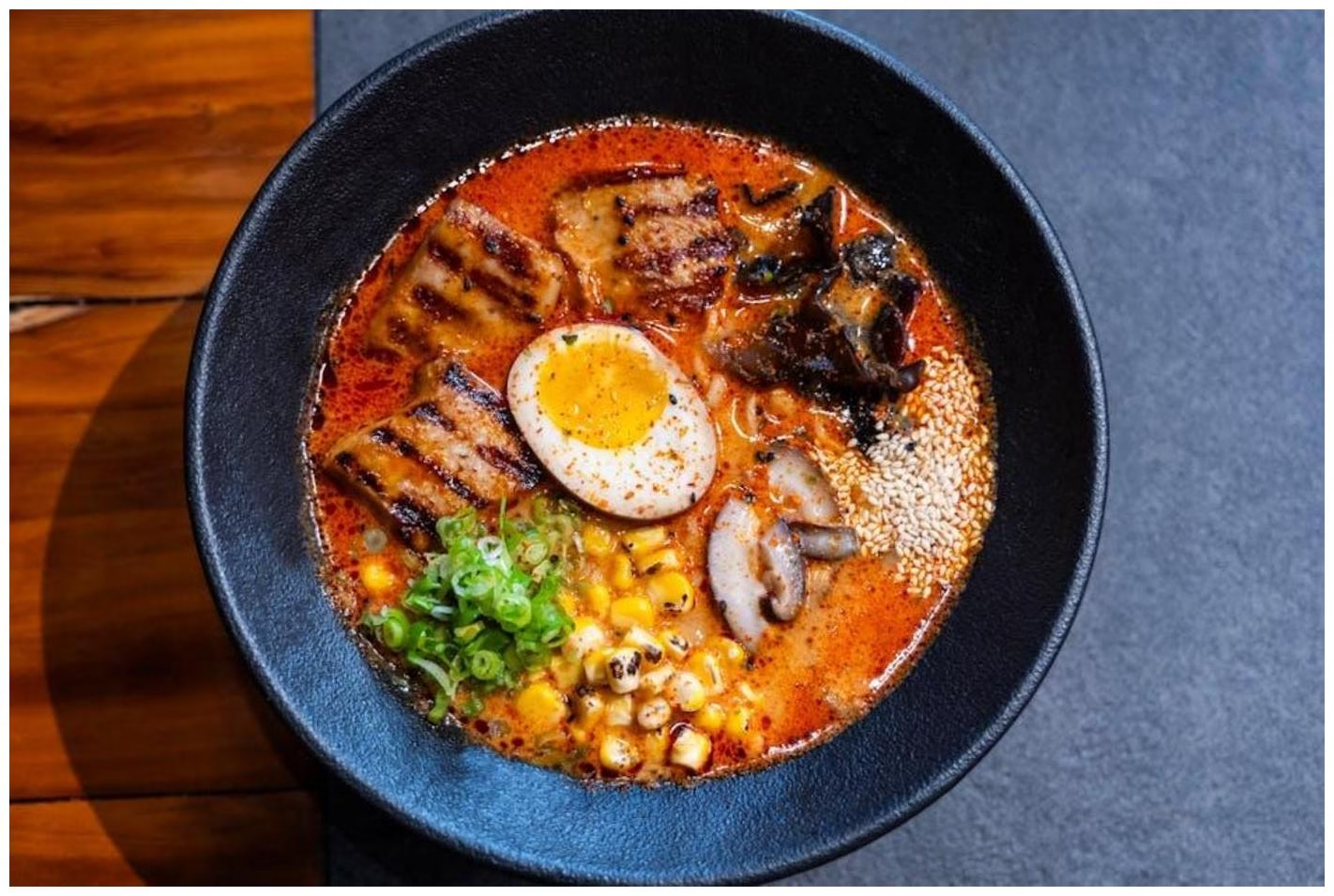
Classic Chicken Ramen Noodle Bowl
A comforting and rich ramen bowl featuring tender chicken, savory broth, and perfectly cooked noodles. Ideal for a cozy weeknight dinner.
Ingredients
- 200 g ramen noodles
- 2 chicken breasts, cooked and shredded
- 4 cups chicken broth
- 2 tbsp soy sauce
- 1 tbsp mirin
- 1 tsp grated fresh ginger
- 2 soft-boiled eggs, halved
- 2 sheets nori, cut into strips
- 2 green onions, sliced
- 1 tbsp sesame oil
Directions
- Cook ramen noodles according to package directions. Drain and set aside.
- In a saucepan, combine chicken broth, soy sauce, mirin, and ginger. Bring to a simmer over medium heat.
- Divide cooked noodles into two bowls.
- Ladle hot broth over the noodles.
- Arrange shredded chicken, halved eggs, nori strips, and sliced green onions on top of the noodles.
- Drizzle with sesame oil before serving.
Tips
- For extra flavor, roast the chicken bones before making broth.
- To get perfect soft-boiled eggs, cook for 6-7 minutes, then plunge into an ice bath.
- Add a dash of chili oil for a subtle kick.
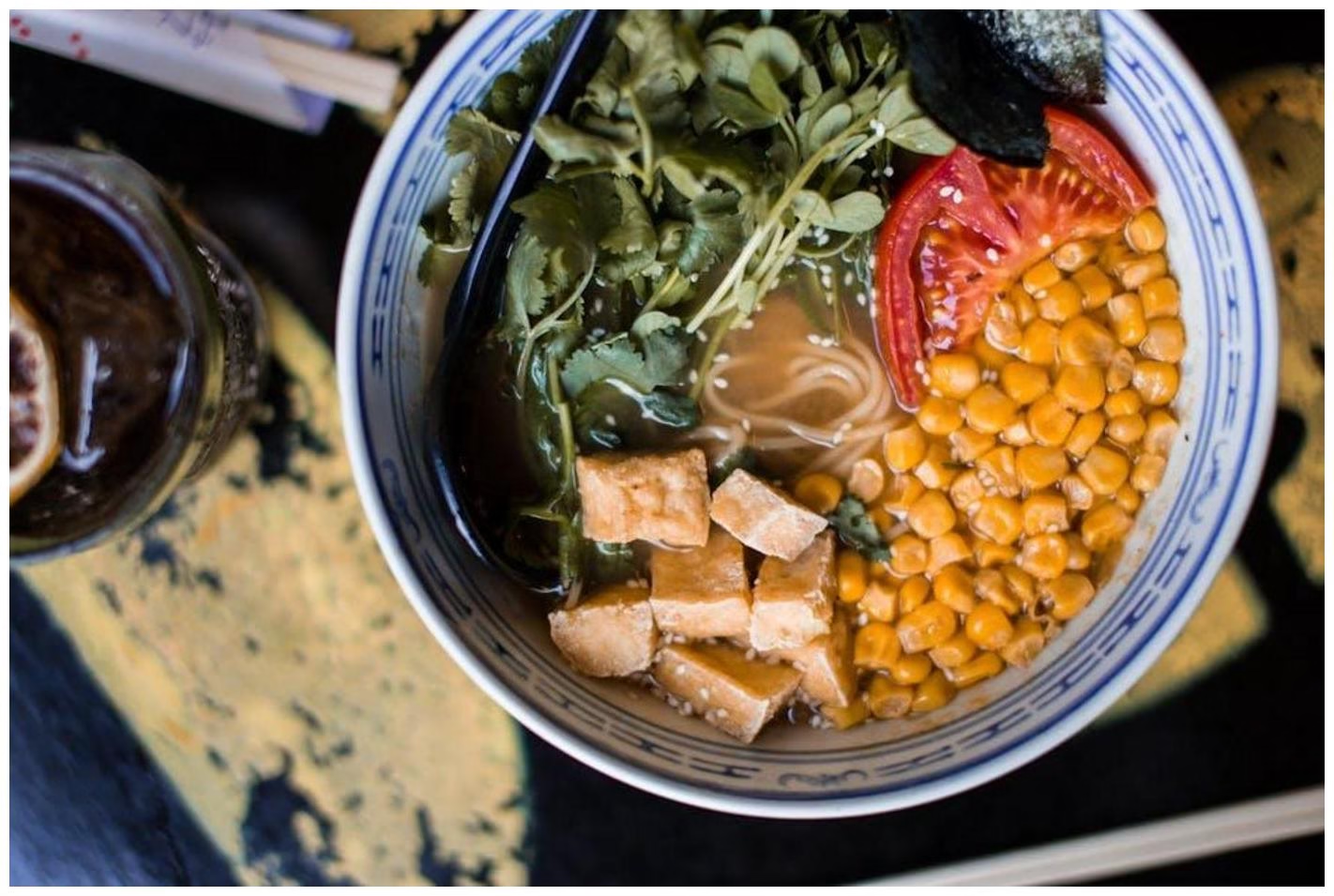
Spicy Tofu Miso Ramen
A vibrant and flavorful vegan ramen, packed with silken tofu, spicy miso broth, and an array of fresh vegetables. A delicious plant-based twist on a classic.
Ingredients
- 200 g ramen noodles
- 200 g firm tofu, pressed and cubed
- 4 cups vegetable broth
- 3 tbsp red miso paste
- 1 tbsp gochujang (Korean chili paste)
- 1 tbsp soy sauce
- 2 cloves garlic, minced
- 1 cup chopped bok choy
- 1/2 cup corn kernels
- 1/2 cup sliced mushrooms
- 1 tbsp neutral oil (e.g., canola or vegetable)
Directions
- Cook ramen noodles according to package directions. Drain and set aside.
- In a pot, heat neutral oil over medium heat. Sauté garlic until fragrant.
- Add vegetable broth, miso paste, gochujang, and soy sauce. Whisk until miso is dissolved. Bring to a gentle simmer.
- Add tofu, bok choy, corn, and mushrooms. Cook for 3-5 minutes until vegetables are tender-crisp.
- Divide cooked noodles into two bowls.
- Ladle hot broth and vegetables over the noodles.
- Garnish with red pepper flakes if desired.
Tips
- Pressing tofu thoroughly ensures it absorbs more flavor.
- Adjust gochujang to your preferred spice level.
- Add a splash of rice vinegar at the end for brightness.
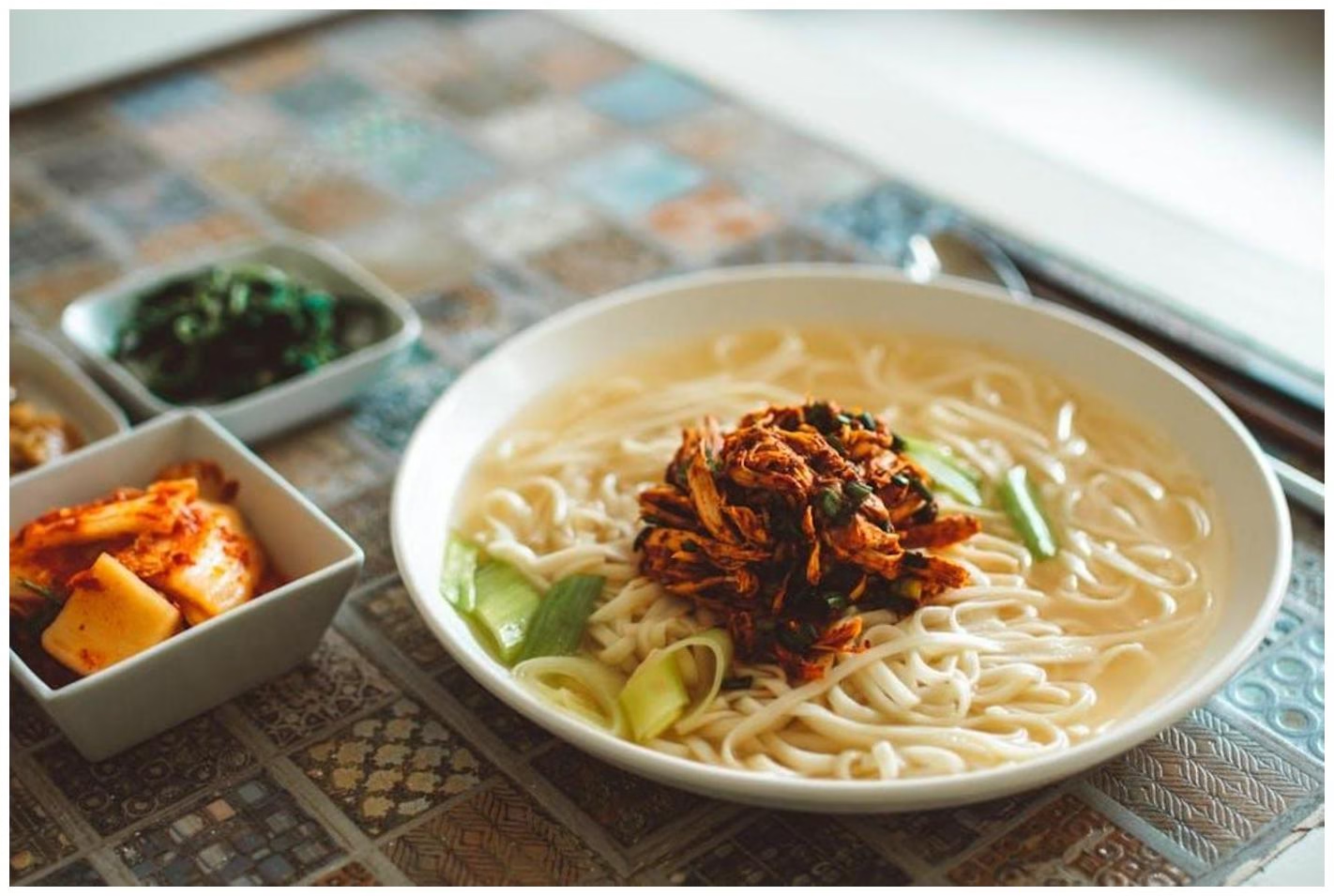
Quick Beef and Kimchi Ramen
A speedy and robust ramen bowl featuring thinly sliced beef, tangy kimchi, and a savory broth. Perfect for those busy nights when you crave something hearty and flavorful.
Ingredients
- 200 g ramen noodles
- 200 g thinly sliced beef (e.g., sirloin or flank steak)
- 4 cups beef broth
- 1/2 cup kimchi, roughly chopped
- 1 tbsp fish sauce
- 1 tsp neutral oil (for sautéing garlic)
- 1 clove garlic, minced
- 1/2 cup bean sprouts
- 1 soft-boiled egg, halved
- Sesame seeds, for garnish
- Green onions, sliced, for garnish
Directions
- Cook ramen noodles according to package directions. Drain and set aside.
- In a saucepan, heat neutral oil over medium-high heat. Add minced garlic and sauté briefly.
- Add beef broth and fish sauce. Bring to a simmer.
- Add thinly sliced beef and cook for 1-2 minutes until just cooked through.
- Stir in chopped kimchi and bean sprouts, cooking for another minute.
- Divide cooked noodles into two bowls.
- Ladle hot broth, beef, kimchi, and bean sprouts over the noodles.
- Top with a halved soft-boiled egg, sesame seeds, and sliced green onions.
Tips
- Slice beef against the grain for maximum tenderness.
- For an extra layer of flavor, sear the beef slices quickly before adding to the broth.
- Don’t overcook the kimchi; it adds a pleasant crunch.
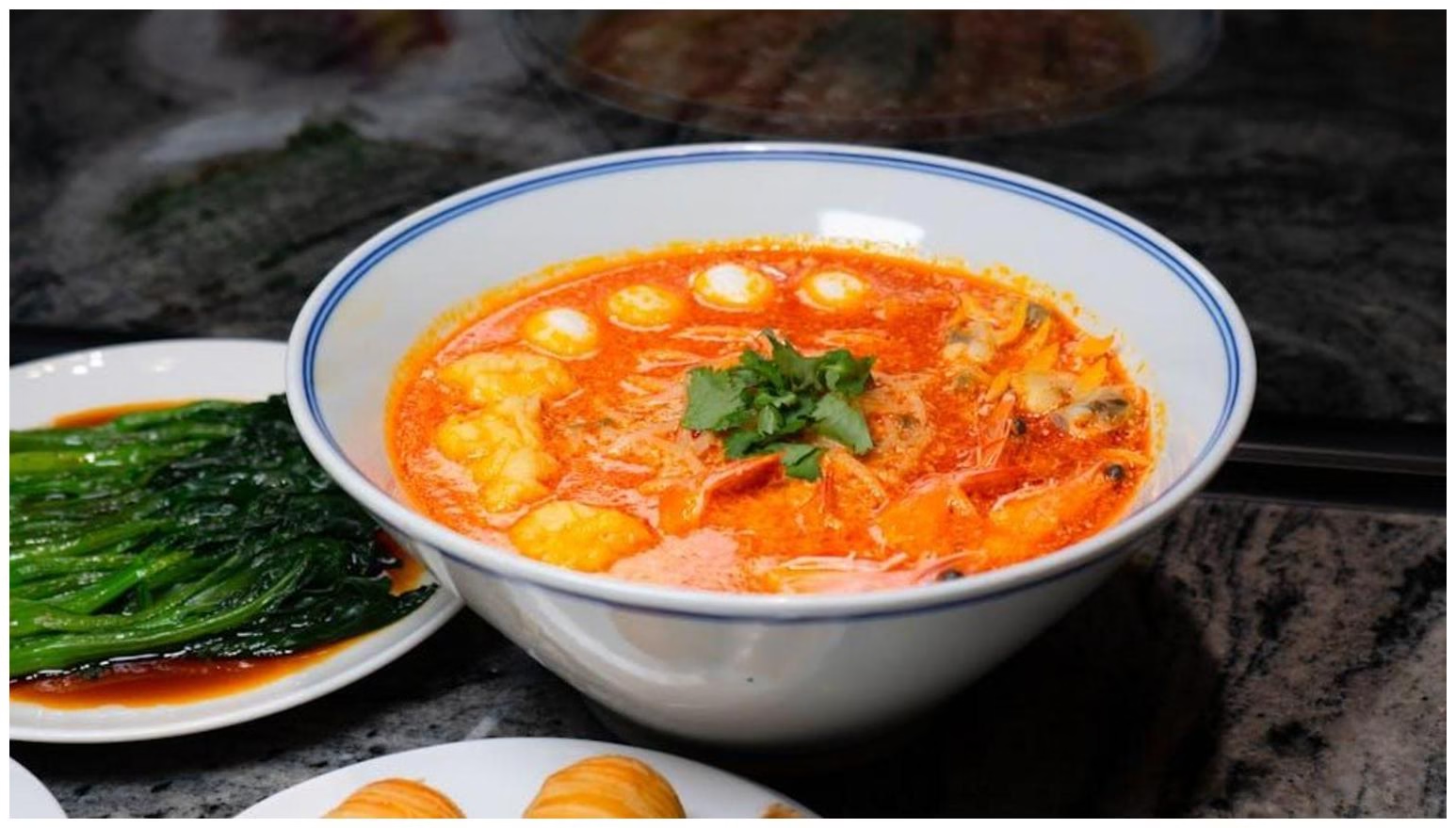
Creamy Coconut Curry Ramen
A unique fusion ramen experience, combining the rich creaminess of coconut milk and fragrant curry with classic ramen noodles. A comforting bowl with an exotic twist.
Ingredients
- 200 g ramen noodles
- 400 ml coconut milk
- 2 cups vegetable broth
- 2 tbsp red curry paste
- 1 tsp brown sugar
- 1 cup mixed vegetables (e.g., bell peppers, snap peas, carrots)
- 1/2 cup cooked shrimp or shredded chicken
- Lime wedges, for serving
- Fresh cilantro, chopped, for garnish
Directions
- Cook ramen noodles according to package directions. Drain and set aside.
- In a pot, combine coconut milk, vegetable broth, red curry paste, and brown sugar. Whisk until curry paste is fully dissolved.
- Bring the mixture to a simmer over medium heat, stirring occasionally.
- Add mixed vegetables and cook for 3-5 minutes until tender-crisp.
- Stir in cooked shrimp or shredded chicken and heat through for 1-2 minutes.
- Divide cooked noodles into two bowls.
- Ladle hot curry broth and ingredients over the noodles.
- Garnish with fresh cilantro and serve with lime wedges.
Tips
- Adjust red curry paste to your spice preference; start with less and add more.
- Feel free to use your favorite protein like tofu or chickpeas.
- A splash of lime juice at the end brightens all the flavors.
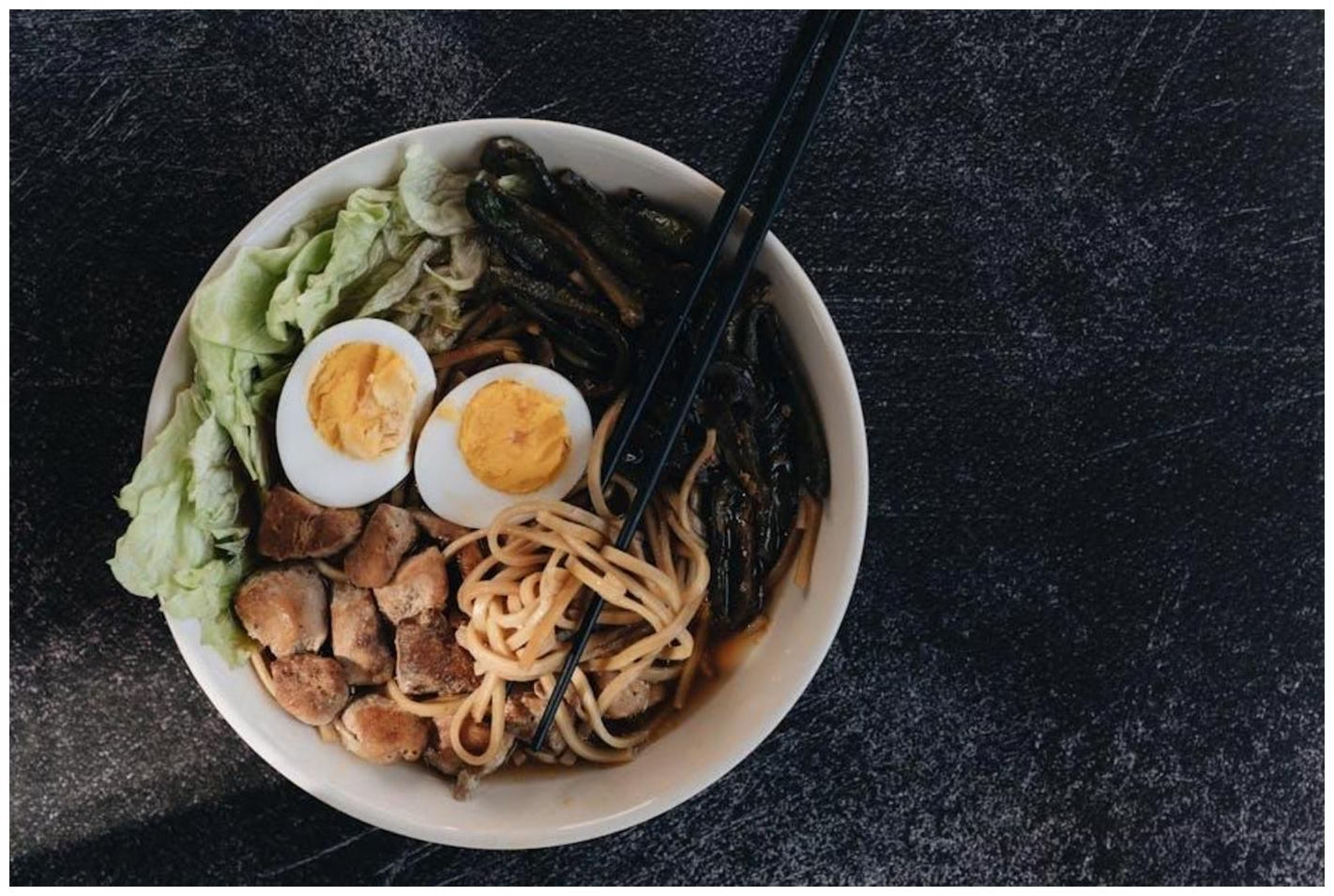
Savoring the Ultimate Comfort: Your Guide to the Perfect Ramen Noodle Soup Bowl
Have you ever craved a meal that’s both deeply comforting and bursting with complex flavors? For many, the answer lies in a steaming ramen noodle soup bowl. This iconic Japanese dish has transcended its origins to become a global phenomenon, captivating palates with its rich broths, springy noodles, and endless possibilities for customization. But what exactly makes a perfect ramen experience, and how can you recreate that magic in your own kitchen?
A true ramen noodle soup bowl is more than just a quick meal; it’s an art form, a symphony of textures and tastes. From the savory depth of the broth to the perfectly cooked noodles and thoughtfully chosen toppings, each element plays a crucial role. Whether you’re a seasoned ramen enthusiast or just beginning your journey, understanding the nuances can elevate your home cooking and bring the authentic taste of Japan right to your table.
Join us as we dive into the fascinating world of ramen, exploring its rich history, essential components, and how you can master the craft of preparing an irresistible ramen noodle soup bowl for your family and friends. Are you ready to transform simple ingredients into an extraordinary culinary delight?
Why the Ramen Noodle Soup Bowl Matters to Home Cooks
The appeal of a ramen noodle soup bowl extends far beyond its delicious taste. For home cooks and busy families, it represents a versatile, satisfying, and often quick meal solution that can be adapted to any dietary preference or time constraint. It’s a dish that warms you from the inside out, making it a perfect choice for any season, but especially on a chilly evening.
A Culinary Canvas for Creativity
One of the most exciting aspects of preparing a ramen noodle soup bowl is the sheer scope for creativity. While traditional ramen styles exist, home cooks can experiment with different broths, proteins, and vegetables to make it truly their own. You can adapt it to use whatever fresh ingredients you have on hand, minimizing waste and maximizing flavor. It’s an excellent way to explore new flavor profiles.
The Deep Roots and Evolution of the Ramen Noodle Soup Bowl
While often associated with Japan, ramen’s true origins are believed to lie in China. It arrived in Japan in the late 19th or early 20th century and quickly evolved, adapting to local tastes and ingredients. Over decades, regional variations emerged, each with its distinctive broth, noodle type, and toppings, cementing the ramen noodle soup bowl as a cornerstone of Japanese cuisine. Understanding this history deepens appreciation for every slurp.
Crafting the Perfect Ramen Noodle Soup Bowl — Essential Components
To truly appreciate and replicate an authentic ramen noodle soup bowl, you need to understand its core elements. Each component contributes significantly to the final flavor and texture, creating that harmonious balance that makes ramen so beloved. Neglecting any one part can detract from the overall experience, so attention to detail is key when you’re preparing your own.
The Heart of the Bowl: Broth and Tare
The broth is undeniably the soul of any ramen noodle soup bowl. It can range from rich, creamy tonkotsu (pork bone broth) to clear, savory shio (salt-based) or shoyu (soy sauce-based). Alongside the broth, the ‘tare’ is crucial. This concentrated seasoning, often a blend of soy sauce, mirin, sake, and other aromatics, provides the primary flavor profile and depth, making the ramen distinctly savory. A good tare is what truly makes a Classic Chicken Ramen Noodle Bowl sing.
Noodles: The Chewy Foundation of Your Ramen Noodle Soup Bowl
Ramen noodles are distinct from other pasta types, known for their specific chewiness and elasticity, often achieved through the use of kansui, an alkaline mineral water. They come in various shapes and thicknesses, each suited to different broth types. Achieving the perfect al dente texture for your noodles is paramount to a satisfying ramen noodle soup bowl. Overcooked noodles can quickly ruin an otherwise perfect dish, so time them carefully.
Beyond the Basics: Toppings and Garnishes for Your Ramen
Once you have your broth and noodles, the toppings are where you can really personalize your ramen noodle soup bowl. These additions not only enhance the flavor but also add visual appeal and textural contrast. Don’t underestimate the power of a few well-chosen garnishes to elevate your meal from good to truly exceptional.
Iconic Toppings to Elevate Your Ramen Noodle Soup Bowl
Common toppings include tender chashu pork, a perfectly soft-boiled ajitama (marinated egg), crisp nori (seaweed) sheets, vibrant scallions, and bamboo shoots (menma). Other popular choices for a Spicy Tofu Miso Ramen might include corn, bean sprouts, or a drizzle of chili oil. Each ingredient brings its unique contribution, creating a symphony of flavors in every bite. Consider what textures and flavors you want to introduce.
Customizing Your Ramen for Every Palate
The beauty of a ramen noodle soup bowl is its adaptability. For a quick weeknight dinner, you might opt for simpler toppings, while a weekend project could involve slow-cooked pork belly and homemade ajitama. You can also cater to dietary needs, swapping pork for chicken, tofu, or even mushrooms to create a delicious vegetarian version. How will you make your ramen uniquely yours tonight?
Step-by-Step Guide to Assembling Your Ramen Noodle Soup Bowl
While making a truly authentic broth can take hours, assembling a fantastic ramen noodle soup bowl at home is surprisingly straightforward, especially if you start with quality store-bought broth or instant ramen as a base. This guide focuses on putting it all together for maximum impact and enjoyment.
Preparing Your Elements for the Ultimate Ramen Noodle Soup Bowl Experience
First, ensure all your toppings are prepped and ready: slice your chashu, halve your ajitama, chop your scallions, and have your nori sheets nearby. Next, bring your chosen broth to a simmer, adjusting seasoning with tare to taste. Cook your ramen noodles according to package directions, typically just for a few minutes until al dente. This mise en place approach makes assembly quick and enjoyable.
Common Mistakes to Avoid with Your Ramen Noodle Soup Bowl
Even seasoned cooks can sometimes make mistakes when preparing ramen. Avoiding these common pitfalls will ensure your ramen noodle soup bowl is always a triumph, not a disappointment. Paying attention to these details can make a significant difference to the final outcome and enjoyment of your meal.
One frequent error is overcooking the noodles. Ramen noodles should be firm yet tender, never mushy. Another mistake is not balancing the tare with the broth; too much tare can make it overly salty, while too little will result in a bland broth. Also, don’t overcrowd your bowl with too many toppings, which can overwhelm the delicate flavors of the broth and noodles. Simplicity often reigns supreme.
Expert Tips and Best Practices for Your Ramen
Elevate your homemade ramen noodle soup bowl from good to gourmet with a few insider tricks. These practices focus on enhancing flavor, texture, and overall presentation, making every bowl a memorable culinary experience. Experiment with these suggestions to find what works best for your palate and kitchen.
Consider making your tare in advance to allow flavors to meld, creating a more complex base for your broth. Always serve ramen piping hot, as the flavors are best when the broth is steaming. Use a proper ramen noodle soup bowl with good insulation to keep your meal warm throughout. Lastly, don’t be afraid to experiment with your toppings; sometimes the most unexpected combinations yield the best results for your ramen.
Conclusion: Mastering Your Ramen Noodle Soup Bowl
The journey of mastering the perfect ramen noodle soup bowl is a delicious one, filled with opportunities for creativity and culinary exploration. From understanding the foundational elements of broth and noodles to experimenting with an array of vibrant toppings, each step brings you closer to crafting a bowl that truly speaks to your soul. Remember, the best ramen is the one you enjoy the most, whether it’s a rich tonkotsu or a lighter shio creation. What new ramen adventure will you embark on next?
So, gather your ingredients, fire up your stove, and prepare to embark on a delightful culinary adventure. With a little practice and a lot of passion, you’ll be serving up bowls of delicious, soul-satisfying ramen noodle soup in no time, impressing yourself and your loved ones with every slurp. For more global noodle inspirations, check out our guide on Fettuccine Alfredo.
Tips & Tricks
- Craft a Deeper Broth Base: Instead of plain water, try simmering kombu and shiitake mushrooms for 30 minutes before adding your main broth ingredients. This builds a foundational umami layer that significantly enhances the depth of any ramen noodle soup bowl. Strain before proceeding for a clear base.
- Perfect Your Ajitama (Marinated Egg): Boil eggs for exactly 6.5-7 minutes for a jammy yolk, then immediately transfer to an ice bath. Once cooled, peel and marinate in a mixture of soy sauce, mirin, and water overnight for flavorful, perfectly gooey eggs, a vital component of any ramen noodle soup bowl.
- Infuse Your Aroma Oil: A fragrant aroma oil can dramatically elevate your ramen. Sauté minced garlic, ginger, and scallion whites in sesame oil until fragrant, then strain. Drizzle a teaspoon over your finished ramen noodle soup bowl just before serving for an extra layer of complexity and aroma.
- Toast Your Nori Sheets: Lightly toast nori sheets over an open flame or in a dry pan for a few seconds per side before adding them to your bowl. This simple step enhances their crispness and brings out a deeper, more concentrated oceanic flavor, which complements the rich broth beautifully.
- Blanch Your Greens: For vibrant and tender greens like spinach or bok choy, blanch them quickly in boiling water for 30 seconds, then shock in ice water. This preserves their color and crisp texture, ensuring they don’t overcook or wilt too much in your hot ramen noodle soup bowl.
- Pre-warm Your Serving Bowls: To keep your ramen noodle soup bowl hotter for longer, especially if you’re enjoying it on a cold day, gently warm your serving bowls before assembly. You can do this by filling them with hot water for a few minutes or placing them in a low oven.
- Master the Tare Mix: Prepare your tare (seasoning concentrate) separately and add it to the bottom of your serving bowl before pouring in the hot broth. This allows for better flavor distribution and customization, ensuring each ramen noodle soup bowl has a perfectly balanced taste. You can purchase a quality Classic Chicken Ramen Noodle Bowl kit that includes a good tare.
- Render Chashu Fat for Flavor: When making chashu, don’t discard the rendered fat. This flavorful oil can be used to sauté vegetables or as an additional aroma oil drizzle for your ramen, adding a rich, porky depth that elevates the entire dish. This is a pro-tip for an amazing ramen noodle soup.
- Experiment with Pickled Toppings: Incorporate fermented or pickled vegetables like kimchi or pickled ginger for a tangy contrast. These add a refreshing acidity that cuts through the richness of the broth, providing a delightful burst of flavor in every spoonful. A Spicy Tofu Miso Ramen often benefits from these zesty additions.
- Balance Your Textures: Aim for a variety of textures in your bowl – chewy noodles, tender meat, crisp vegetables, and a creamy egg yolk. This textural contrast makes each bite interesting and satisfying, preventing your ramen noodle soup bowl from becoming monotonous. Consider adding some crunchy fried onions or garlic.
Frequently Asked Questions
What is the main difference between ramen and other noodle soups?
The primary distinction of a ramen noodle soup bowl lies in its unique combination of specialized wheat noodles (often made with kansui for chewiness), a deeply flavored broth (such as tonkotsu, shio, or shoyu), and a concentrated seasoning base called tare. Unlike many other noodle soups, ramen broth is usually simmered for extended periods to extract maximum flavor, resulting in a richer, more complex taste profile and distinct texture.
How do I get the perfect jammy egg for my ramen noodle soup bowl?
To achieve the ideal jammy yolk for your ramen noodle soup bowl, bring a pot of water to a rolling boil, then carefully lower cold eggs into the water. Boil for exactly 6.5 to 7 minutes, depending on the size of the egg and your preferred runniness. Immediately transfer the eggs to an ice bath to stop the cooking process. Peel gently under cold running water for the best results, then marinate if desired.
Can I make a vegetarian or vegan ramen noodle soup bowl?
Absolutely! Crafting a delicious vegetarian or vegan ramen noodle soup bowl is very achievable. You can use a rich mushroom and kombu broth as your base, flavored with miso paste or soy sauce for umami. Replace traditional chashu with pan-fried tofu, tempeh, or roasted mushrooms. Load up on fresh vegetables like bok choy, corn, and scallions, and use a plant-based egg substitute or omit the egg for a complete and satisfying meal.
What are the best noodles to use for a homemade ramen noodle soup bowl?
For an authentic ramen noodle soup bowl, look for fresh or dried ramen noodles that contain kansui, which gives them their characteristic springy texture and yellowish hue. Asian grocery stores often carry a good selection. If specialized ramen noodles are unavailable, good quality instant ramen noodles (discarding the seasoning packet if making your own broth) or even fresh pasta like spaghetti can serve as a decent substitute in a pinch, though the texture will differ.
How can I make my ramen broth richer and more flavorful?
To enhance the richness and flavor of your ramen noodle soup bowl broth, consider simmering aromatic vegetables like ginger, garlic, and scallions for a longer duration. Adding a piece of kombu (dried kelp) or dried shiitake mushrooms during the initial simmer can boost umami. You can also incorporate a spoonful of miso paste, a drizzle of sesame oil, or a touch of mirin to deepen the flavor profile and add complexity to your ramen.
Is it safe to freeze leftover ramen noodle soup bowl components?
Yes, you can safely freeze individual components of your ramen noodle soup bowl, but it’s not recommended to freeze the assembled bowl. Broth freezes beautifully and can be stored for several months. Cooked meats like chashu also freeze well. However, noodles tend to become mushy upon thawing and reheating, and fresh vegetables may lose their texture. It’s best to freeze broth and toppings separately, then cook fresh noodles when ready to serve.
Why is my ramen noodle soup bowl lacking depth of flavor?
A common reason for a ramen noodle soup bowl lacking depth is an underdeveloped broth or an imbalanced tare. Ensure your broth has simmered long enough with sufficient aromatics and bones (if using). The tare, a concentrated seasoning, is crucial; it provides the main flavor punch. Check your tare-to-broth ratio, and consider adding more umami-rich ingredients like miso, soy sauce, or a dash of fish sauce to your broth for a more profound and satisfying taste.