
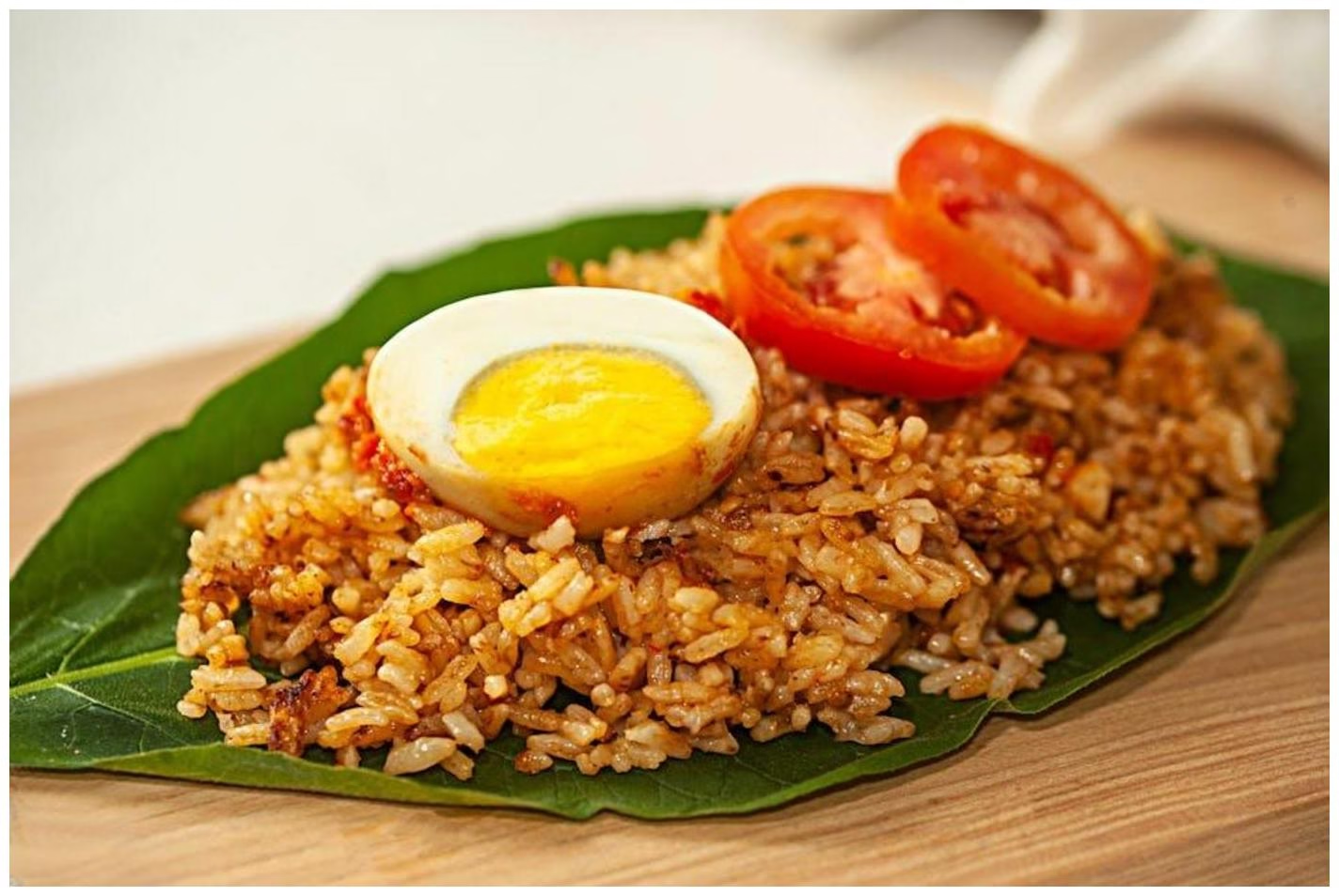
Classic Egg Fried Rice
Master the essential Classic Egg Fried Rice recipe, a comforting and endlessly customizable dish perfect for any meal. Fluffy rice, scrambled eggs, and savory seasonings come together for a simple yet satisfying experience that’s a cornerstone of Asian cuisine.
Ingredients
- 3 cups cooked day-old white rice
- 2 large eggs, lightly beaten
- 2 tablespoons vegetable oil
- 2 tablespoons light soy sauce
- 1/4 cup chopped green onions
- 1 teaspoon minced garlic
- 1/4 teaspoon white pepper
Directions
- Heat vegetable oil in a large wok or skillet over medium-high heat until shimmering.
- Pour in the beaten eggs and scramble them until just set. Break into small pieces and push to one side of the wok.
- Add the minced garlic to the empty side of the wok and stir-fry for 30 seconds until fragrant.
- Add the cooked day-old rice to the wok. Break up any clumps with your spatula.
- Pour the soy sauce over the rice and eggs. Toss everything together, ensuring the rice is evenly coated and heated through, about 3-5 minutes.
- Stir in the chopped green onions and white pepper. Toss for another minute.
- Serve hot immediately.
Tips
- Always use day-old, cold rice. Freshly cooked rice is too moist and will result in a soggy fried rice.
- Cook the ingredients in stages and use high heat to ensure a crispy texture and prevent overcrowding the wok.
- For extra flavor, consider adding a dash of sesame oil at the very end, just before serving.
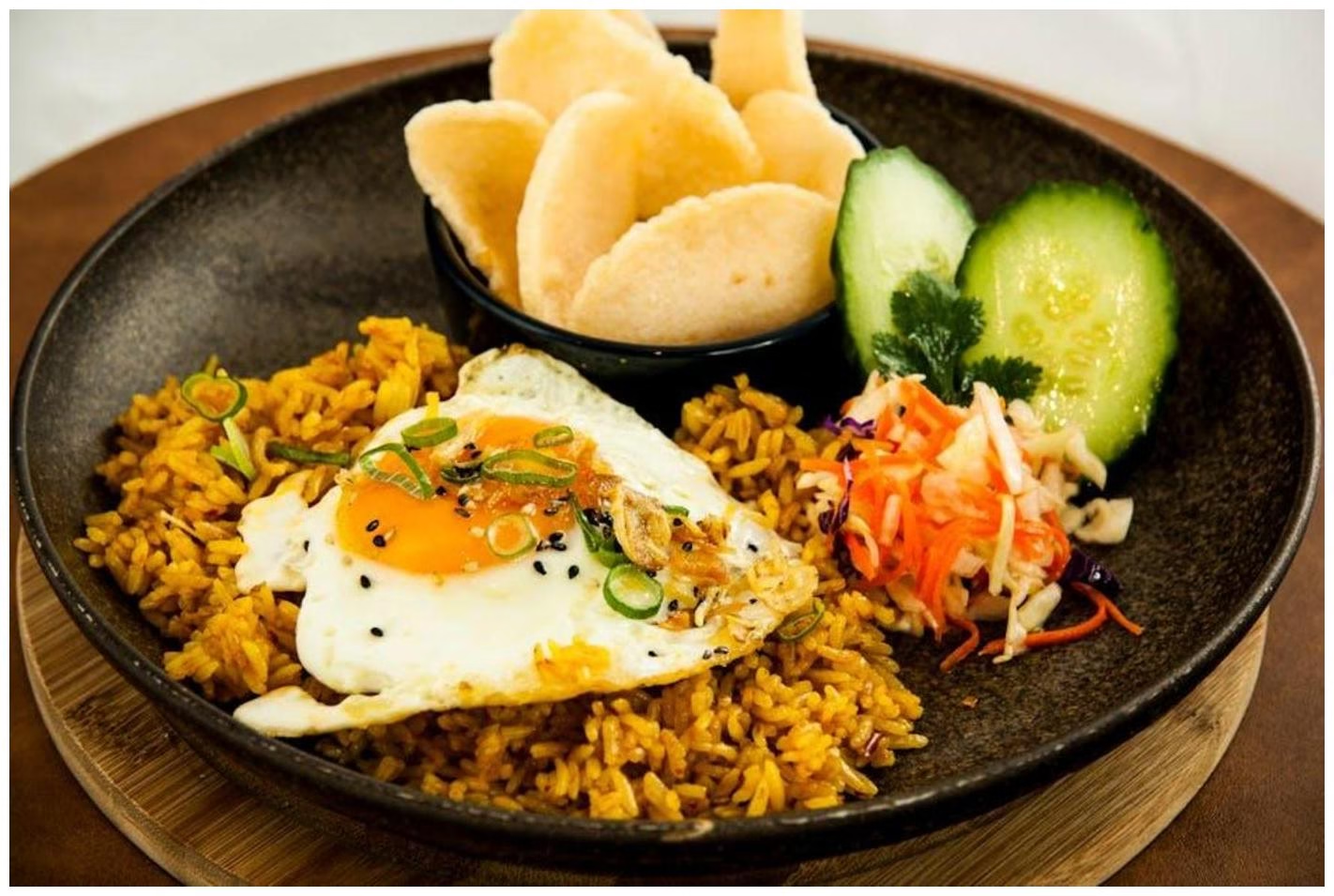
Spicy Sriracha Egg Fried Rice
Ignite your taste buds with this Spicy Sriracha Egg Fried Rice, a vibrant and zesty variation of the classic. Infused with the bold heat of sriracha and crunchy vegetables, it’s a quick and exciting meal for spice lovers. Perfect for a speedy, flavor-packed dinner.
Ingredients
- 3 cups cooked day-old white rice
- 2 large eggs, lightly beaten
- 2 tablespoons vegetable oil
- 2 tablespoons sriracha
- 1/2 cup frozen peas
- 1/2 cup frozen carrots, diced
- 1/2 teaspoon chili flakes
Directions
- Heat vegetable oil in a large wok or skillet over medium-high heat until hot.
- Pour in the beaten eggs and scramble until just set. Break into small pieces and push to one side.
- Add the frozen peas and diced carrots to the wok. Stir-fry for 2-3 minutes until slightly tender, then push to the side with the eggs.
- Add the cooked day-old rice to the empty side of the wok. Break up any clumps.
- Pour the sriracha over the rice and sprinkle with chili flakes. Toss everything together until the rice is evenly coated and heated through.
- Combine the eggs and vegetables with the rice. Continue to stir-fry for 2-3 more minutes.
- Serve immediately while hot.
Tips
- Adjust the amount of sriracha and chili flakes to your preferred spice level. You can start with less and add more.
- Ensure your wok is very hot before adding ingredients to get that desirable ‘wok hei’ or smoky flavor.
- For a complete meal, consider adding cooked shrimp or chicken during the vegetable stir-fry stage.
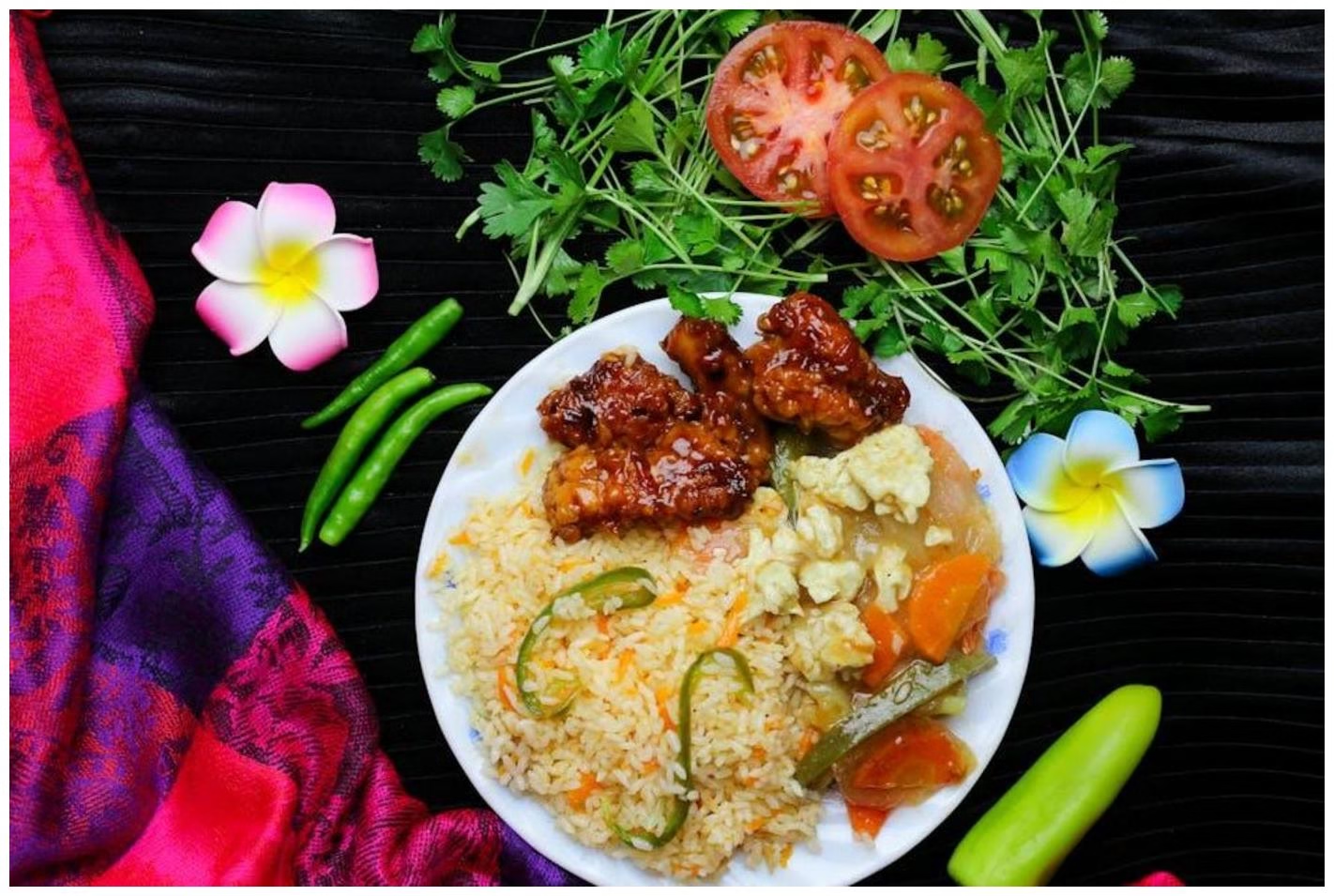
Vegetable Medley Egg Fried Rice
Boost your nutrition with this colorful and hearty Vegetable Medley Egg Fried Rice, bursting with fresh flavors and textures. This wholesome recipe is packed with a vibrant mix of bell pepper, corn, and broccoli, making it a delicious way to enjoy your daily dose of veggies. It’s a fantastic light meal or side dish.
Ingredients
- 3 cups cooked day-old white rice
- 2 large eggs, lightly beaten
- 2 tablespoons vegetable oil
- 1/2 cup diced red bell pepper
- 1/2 cup corn kernels
- 1/2 cup small broccoli florets
- 2 tablespoons light soy sauce
Directions
- Heat vegetable oil in a large wok or skillet over medium-high heat.
- Add broccoli florets, diced bell pepper, and corn kernels. Stir-fry for 3-4 minutes until vegetables are tender-crisp.
- Push vegetables to one side of the wok. Pour in the beaten eggs and scramble until just set, then break into small pieces and combine with the vegetables.
- Add the cooked day-old rice to the wok. Break up any clumps.
- Pour the soy sauce over the rice and vegetables. Toss everything together until thoroughly combined and heated through, about 4-5 minutes.
- Serve hot as a complete meal or a vibrant side dish.
Tips
- Cut vegetables into similar-sized pieces for even cooking. You can use any mix of your favorite quick-cooking vegetables.
- Avoid overcooking the vegetables; they should retain a slight crunch for best texture.
- Add a pinch of sugar with the soy sauce to enhance the flavor and balance the saltiness, if desired.
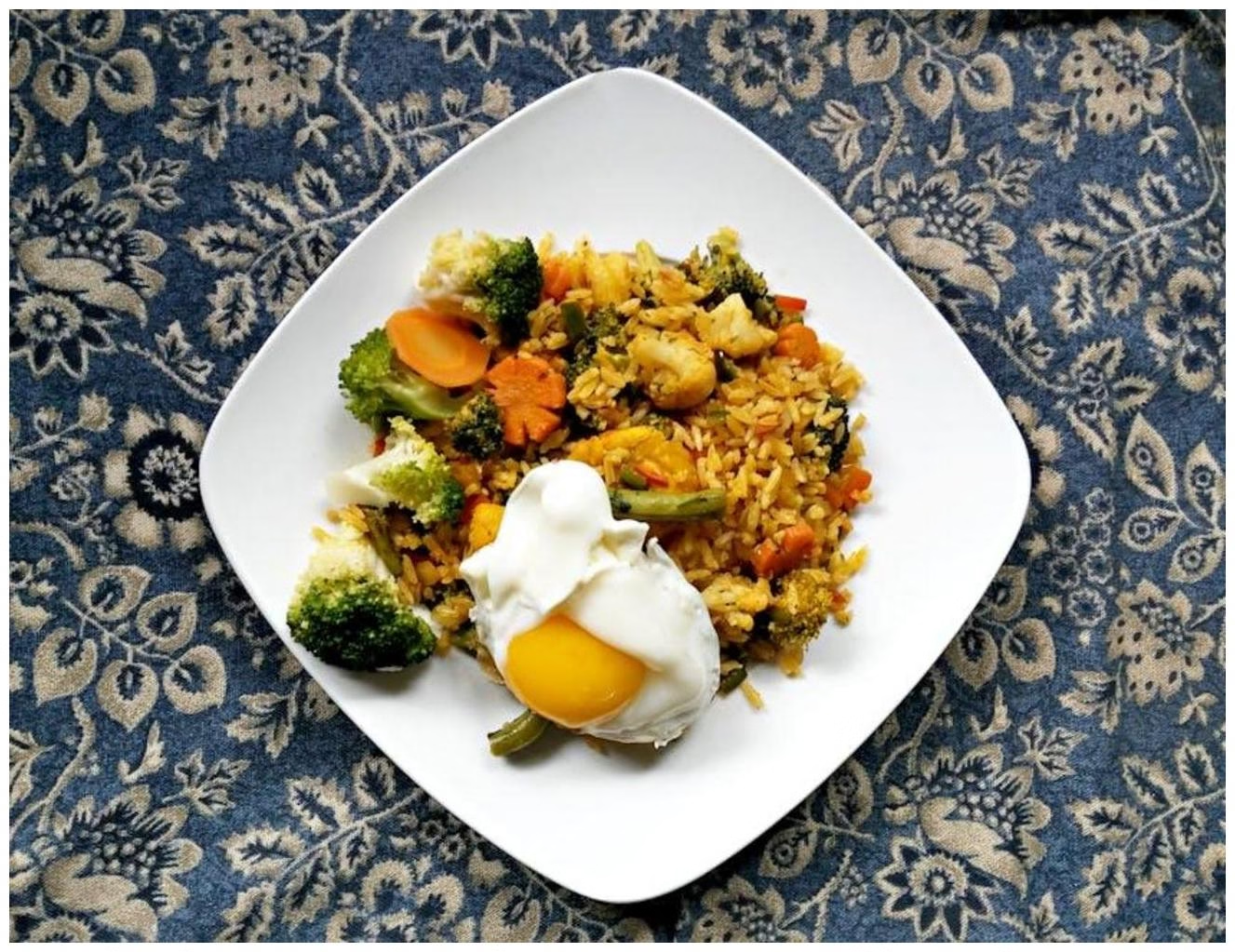
Mushroom & Scallion Egg Fried Rice
Savor the earthy goodness of Mushroom & Scallion Egg Fried Rice, a sophisticated twist on the classic featuring tender cremini mushrooms and fragrant scallions. Enhanced with savory oyster sauce and a hint of ginger, this dish offers a depth of flavor that’s both comforting and gourmet. It’s an ideal choice for a flavorful vegetarian meal.
Ingredients
- 3 cups cooked day-old white rice
- 2 large eggs, lightly beaten
- 2 tablespoons vegetable oil
- 1 cup sliced cremini mushrooms
- 1/4 cup chopped scallions
- 1 tablespoon oyster sauce
- 1 teaspoon minced ginger
Directions
- Heat vegetable oil in a large wok or skillet over medium-high heat.
- Add the sliced cremini mushrooms and stir-fry for 3-4 minutes until they are softened and lightly browned. Push to one side.
- Add the minced ginger to the empty side of the wok and stir-fry for 30 seconds until fragrant. Push ginger to the side.
- Pour in the beaten eggs and scramble until just set. Break into small pieces and combine with the mushrooms and ginger.
- Add the cooked day-old rice to the wok. Break up any clumps.
- Pour the oyster sauce over the rice and vegetables. Toss everything together until well combined and heated through, about 4-5 minutes.
- Stir in the chopped scallions and toss for another minute.
- Serve hot immediately.
Tips
- For a deeper umami flavor, you can rehydrate dried shiitake mushrooms and use their soaking liquid as part of the sauce.
- Ensure your mushrooms are dry before adding them to the hot wok to achieve a good sear rather than steaming.
- If you don’t have oyster sauce, you can use a combination of soy sauce and a pinch of sugar as a substitute, adjusting to taste.
Pineapple & Cashew Egg Fried Rice
Escape to the tropics with our Pineapple & Cashew Egg Fried Rice, a delightful fusion of sweet and savory flavors. Juicy pineapple chunks and crunchy roasted cashews are complemented by aromatic curry powder and savory fish sauce, creating a uniquely irresistible meal that’s both exotic and comforting. This vibrant dish is perfect for a special weeknight treat.
Ingredients
- 3 cups cooked day-old white rice
- 2 large eggs, lightly beaten
- 2 tablespoons vegetable oil
- 1 cup fresh pineapple chunks
- 1/2 cup roasted cashews
- 1 tablespoon fish sauce
- 1 teaspoon curry powder
- 1/4 cup chopped green onions
Directions
- Heat vegetable oil in a large wok or skillet over medium-high heat.
- Pour in the beaten eggs and scramble until just set. Break into small pieces and push to one side.
- Add the pineapple chunks to the empty side of the wok and stir-fry for 2-3 minutes until slightly caramelized.
- Add the cooked day-old rice to the wok. Break up any clumps.
- Sprinkle the curry powder over the rice, then pour in the fish sauce. Toss everything together until the rice is evenly coated and fragrant.
- Stir in the scrambled eggs, pineapple, roasted cashews, and chopped green onions. Toss for 2-3 more minutes until everything is well combined and heated through.
- Serve hot.
Tips
- Use fresh pineapple for the best flavor and texture; canned pineapple can be too watery and sweet.
- For extra protein, add cooked chicken or shrimp along with the pineapple.
- Ensure the cashews are unsalted, or adjust the saltiness from the fish sauce accordingly.
Kimchi Egg Fried Rice
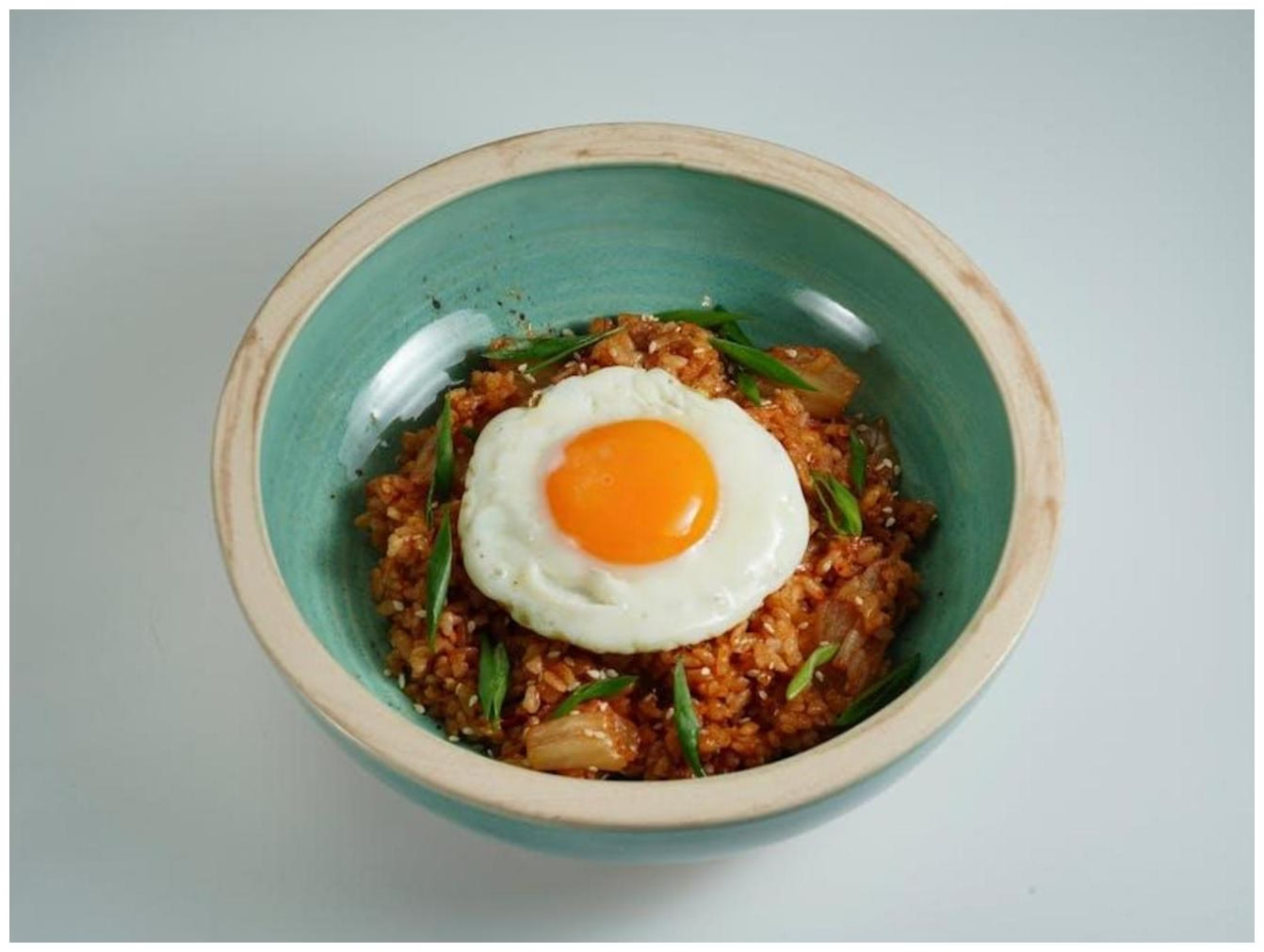
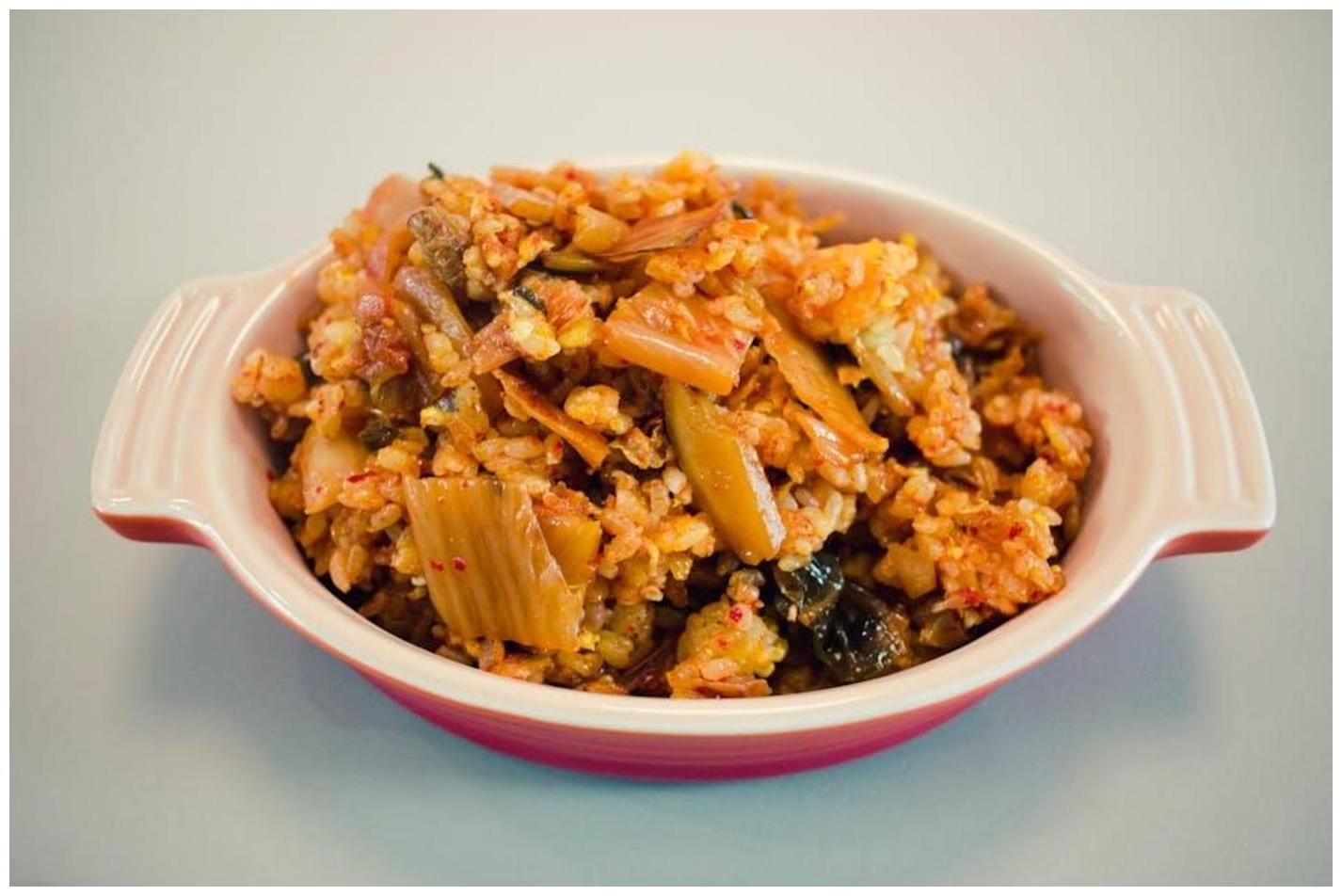
Experience a burst of Korean-inspired flavors with our bold Kimchi Egg Fried Rice, a truly addictive and savory dish. The tangy spice of kimchi combined with the rich depth of gochujang creates an unforgettable meal, often topped with a perfectly fried egg. It’s a fantastic way to use up leftover rice and fermented vegetables.
Ingredients
- 3 cups cooked day-old white rice
- 2 large eggs, lightly beaten
- 2 tablespoons vegetable oil
- 1 cup chopped kimchi, plus 2 tablespoons kimchi juice
- 1 tablespoon gochujang (Korean chili paste)
- 1 teaspoon minced garlic
- 1 teaspoon toasted sesame oil
Directions
- Heat vegetable oil in a large wok or skillet over medium-high heat.
- Add the minced garlic and stir-fry for 30 seconds until fragrant.
- Add the chopped kimchi and stir-fry for 2-3 minutes until softened. Push to one side.
- Pour in the beaten eggs and scramble until just set. Break into small pieces and combine with the kimchi.
- Add the cooked day-old rice to the wok. Break up any clumps.
- Add the gochujang and kimchi juice over the rice. Toss everything together until the rice is evenly coated and heated through, about 4-5 minutes.
- Stir in the toasted sesame oil. Toss for another minute.
- Serve hot, optionally topped with a fresh fried egg and extra kimchi.
Tips
- The age and fermentation level of your kimchi will affect the flavor; older kimchi tends to be tangier.
- For an extra rich flavor, fry a separate egg sunny-side up and place it on top of each serving.
- You can add cooked pork belly or spam during the kimchi stir-fry stage for a more substantial meal.
Mastering the Art of Egg Fried Rice Classic: Your Go-To Weeknight Meal
Ever found yourself staring into the fridge, wondering what quick yet satisfying meal you could whip up for dinner? Or perhaps you’re yearning for that familiar, comforting taste of your favorite takeout but want to create it fresh at home? Look no further than the humble yet extraordinary Egg Fried Rice Classic. This beloved dish isn’t just a quick fix; it’s a culinary staple that delivers on flavor, convenience, and versatility, making it a perfect choice for home cooks and busy families alike. Its simple ingredients transform into a symphony of textures and tastes, proving that sometimes, the most basic recipes are indeed the most brilliant. Are you ready to unlock the secrets to a truly unforgettable fried rice experience?
The beauty of a perfectly executed Egg Fried Rice Classic lies in its simplicity and the incredible satisfaction it brings. It’s a dish that transcends cultures, enjoyed by millions for its delightful balance of savory flavors and tender textures. Whether you’re a seasoned chef or just starting your culinary journey, mastering this dish is an achievable and rewarding goal. Much like learning to make a classic Spaghetti Carbonara, understanding the core principles of fried rice will elevate your cooking prowess.
You might be surprised to learn how easily you can replicate restaurant-quality fried rice in your own kitchen. Forget soggy, bland versions; we’re talking about fluffy rice grains, perfectly scrambled eggs, and a harmonious blend of seasonings that will have everyone asking for seconds. It’s more than just a meal; it’s an experience, a testament to how simple ingredients, when treated with respect and proper technique, can create something truly magical. So, let’s delve into what makes this dish so universally adored and how you can make it your signature meal.
Why Egg Fried Rice Classic Matters
The appeal of Egg Fried Rice Classic extends far beyond its delicious taste. For many, it represents a quick, economical, and incredibly adaptable meal solution. It’s the ultimate canvas for using up leftover ingredients, minimizing food waste while maximizing flavor. This dish offers a fantastic way to incorporate vegetables or leftover proteins, ensuring a well-rounded and nutritious meal without much fuss. Its adaptability makes it a perfect fit for diverse palates and dietary preferences. It truly stands as a cornerstone in global comfort food.
A Global Comfort Food with Historical Roots
While often associated with Chinese cuisine, the concept of cooking rice with other ingredients is ancient and widespread across Asia. The earliest forms of fried rice are believed to have originated in China during the Sui Dynasty, born out of a need to repurpose leftover rice. Today, variations of fried rice can be found in almost every Asian country, each with its unique twist, yet the essence of the simple egg and rice combination remains a universal comfort. It’s a testament to its enduring appeal and culinary brilliance, solidifying its place as a truly Classic Egg Fried Rice.
The Perfect Canvas for Culinary Creativity
Beyond the classic rendition, fried rice is incredibly versatile. It invites you to experiment, to personalize it with whatever ingredients you have on hand or flavors you crave. Have some leftover chicken? Toss it in! A handful of shrimp? Perfect. Want to spice things up? A dash of sriracha can transform it into a vibrant Spicy Sriracha Egg Fried Rice. This adaptability makes it a fantastic recipe for clearing out your fridge and letting your imagination run wild. What other dish offers such boundless possibilities when you think about a straightforward Egg Fried Rice Classic?
The Anatomy of a Perfect Egg Fried Rice Classic
Achieving that coveted restaurant-quality fried rice isn’t about secret ingredients; it’s about understanding the role of each component and the technique behind it. Every element plays a crucial part in the final outcome. It’s about creating a harmonious balance where each ingredient shines, contributing to the overall deliciousness. Let’s break down the fundamentals that make an outstanding Egg Fried Rice Classic. Mastering these basics will ensure your dish is always a hit.
The Rice Factor: Day-Old is Gold for Your Fried Rice
The single most critical element for superior fried rice is using cold, day-old cooked rice. Freshly cooked rice has too much moisture, leading to a soggy, clumpy result that sticks together in the pan. Day-old rice, stored in the refrigerator, dries out slightly, allowing the grains to separate easily and develop that desirable chewiness when stir-fried. This crucial step prevents your fried rice from becoming a mushy mess and ensures each grain gets beautifully coated with flavor. You’ll thank yourself for planning ahead when preparing your Egg Fried Rice Classic!
Egg-cellent Technique: Fluffy and Integrated Eggs
The eggs in Egg Fried Rice Classic are more than just an addition; they’re an integral part of the texture and flavor profile. The key is to cook them quickly and efficiently. Some prefer to scramble them separately and then add them back in, while others push the rice to one side and cook the eggs directly in the wok. The goal is light, fluffy curds that are evenly distributed throughout the rice, providing bursts of richness in every bite. This careful integration contributes to the classic aesthetic and taste. It’s what gives Classic Egg Fried Rice its signature appeal.
Beyond the Basic: Elevating Your Fried Rice Game
While the core ingredients are simple, there are numerous ways to enhance the flavor and complexity of your fried rice. Think of it as a journey from good to absolutely sensational. By introducing a few extra elements or refining your seasoning approach, you can take your homemade fried rice from satisfying to unforgettable. It’s about building layers of flavor that surprise and delight the palate, making each mouthful a discovery and enhancing your Egg Fried Rice Classic experience.
Umami Boosters and Aromatic Foundations
The foundation of great fried rice often starts with aromatics like garlic and ginger, quickly stir-fried to release their fragrant oils. For umami, quality soy sauce is non-negotiable, but consider adding a touch of oyster sauce for depth and a hint of sweetness. A drizzle of sesame oil at the very end adds a nutty aroma that completes the dish. These carefully selected additions elevate the overall profile, giving your fried rice that professional finish. You might even consider exploring products like a Classic Egg Fried Rice seasoning blend to help perfect these flavors, much like how you might enhance a hearty Beef Wellington.
Freshness, Texture, and Nutritional Punch
Incorporating fresh vegetables not only adds vibrant color and essential nutrients but also provides crucial textural contrast. Peas, carrots, corn, and finely chopped bell peppers are common choices. For a different twist, you could try a Vegetable Medley Egg Fried Rice. Don’t forget the fresh scallions, added both during cooking and as a garnish, for a pungent, fresh bite. Consider linking this dish to other vegetable-rich meals like a Cucumber Salad as a refreshing side, demonstrating how easily fresh ingredients elevate any meal. These additions make your fried rice a more substantial and visually appealing dish, truly embodying the spirit of an Egg Fried Rice Classic.
Step-by-Step Guide to Achieving Perfect Egg Fried Rice Classic
While we’re not providing a full recipe card, understanding the logical flow and key techniques is paramount to creating an authentic Egg Fried Rice Classic. It’s about developing a rhythm and confidence in the kitchen, much like any other culinary craft. The sequence of adding ingredients and maintaining consistent heat are the unsung heroes of this dish, ensuring every element is cooked perfectly and flavors meld beautifully. This methodical approach is what separates good fried rice from truly great fried rice, much like the precision needed for a perfect Baked Salmon.
Prep is Key: The Power of Mise en Place for Fried Rice
Before you even think about turning on the heat, gather and prepare all your ingredients. This is “mise en place” – everything in its place. Chop your vegetables, beat your eggs, measure your sauces, and have your cold, day-old rice ready. Fried rice cooks very quickly over high heat, so there’s no time to chop or search for ingredients once you start. This organized approach prevents burning, ensures even cooking, and makes the entire process smooth and enjoyable. Don’t underestimate the impact of being fully prepared, especially when making an Egg Fried Rice Classic!
Wok Hei and High Heat: The Secret to Restaurant Flavor
The characteristic smoky, rich flavor of restaurant fried rice, known as “wok hei,” comes from cooking rapidly over intensely high heat in a well-seasoned wok. If you don’t have a wok, a large, heavy-bottomed skillet will suffice, but ensure it’s screaming hot. Avoid overcrowding the pan, as this lowers the temperature and steams the ingredients instead of frying them. Cook in batches if necessary. This high-heat, quick-stir technique is essential for achieving that distinctive texture and depth of flavor in your Classic Egg Fried Rice. It’s a key element you’ll find in many stir-fry dishes, including those designed for egg fried rice classic cooking kits.
Common Mistakes to Avoid with Egg Fried Rice Classic
Even though Egg Fried Rice Classic seems straightforward, a few common pitfalls can derail your efforts. Being aware of these traps will help you sidestep them, leading to a consistently delicious outcome. Learning from common errors is a fundamental part of culinary growth, transforming potential frustrations into opportunities for improvement. By understanding what *not* to do, you refine your technique and ensure success every time you cook this wonderful dish. For instance, a similar level of attention is required when preparing a complex dish like Beef Stroganoff to avoid common mistakes.
One major mistake is using freshly cooked rice. As discussed, its high moisture content will result in a gummy texture. Another common error is overcrowding the pan. This lowers the temperature drastically, causing ingredients to steam instead of fry, preventing the development of that desirable crisp texture and “wok hei” flavor. Make sure you use a wide pan and cook in smaller batches if necessary to maintain high heat. Do you ever find your Egg Fried Rice Classic tasting a bit bland, even after adding all the right sauces?
Under-seasoning is another pitfall. Taste as you go, and don’t be afraid to adjust. Ensure your sauces are balanced, and remember that some ingredients, like frozen peas, release water. Add them towards the end to maintain vibrant color and texture. Lastly, resist the urge to constantly stir. Let the rice sit for a few seconds between stirs to get a slight sear and develop depth of flavor. Patience, even in a fast-paced dish like this Classic Egg Fried Rice, is a virtue.
Expert Tips and Best Practices for Egg Fried Rice Classic
To truly master the Egg Fried Rice Classic, consider these professional insights that can elevate your cooking. These aren’t just minor adjustments; they are subtle techniques that make a significant difference in the final taste and texture. Embracing these best practices will not only improve your fried rice but also refine your overall stir-frying skills, making you a more confident and efficient cook in the kitchen. What if I told you there’s an even easier way to achieve perfection with your fried rice?
Always have all your ingredients prepped and within arm’s reach before you start cooking. The speed required for fried rice means you can’t pause to chop or search. Use a quality non-stick wok or a large cast-iron skillet for even heat distribution. A properly seasoned wok will contribute greatly to the authentic flavor. Don’t be shy with the oil; a little extra fat helps prevent sticking and promotes even browning, but drain excess if needed. This is crucial for a restaurant-style Egg Fried Rice Classic.
Consider adding a touch of white pepper or a tiny amount of sugar to balance the savory notes, especially if you’re using a lot of soy sauce. For an added layer of flavor, try a splash of Shaoxing wine (Chinese cooking wine) during the cooking process. It adds a unique depth and aromatic complexity. Remember, your ideal fried rice is a journey of personal taste, so feel free to adjust seasonings to your preference. Adding ingredients like Mushroom & Scallion Egg Fried Rice can also introduce new flavors and textures, making your meal even more exciting, much like exploring different variations of Stuffed Bell Peppers.
Conclusion: The Enduring Appeal of Egg Fried Rice Classic
From its humble origins as a resourceful way to utilize leftovers, the Egg Fried Rice Classic has grown into a global culinary phenomenon. It’s a dish that celebrates simplicity, versatility, and the joy of a quickly prepared, deeply satisfying meal. Whether you’re a home cook seeking weeknight inspiration or a culinary enthusiast eager to perfect a beloved dish, the principles outlined here will guide you toward success. Embrace the techniques, experiment with ingredients, and savor the process of creating your own signature Egg Fried Rice Classic.
So, next time you’re craving something comforting and delicious, remember the timeless appeal of Egg Fried Rice Classic. It’s more than just rice and eggs; it’s a testament to how simple ingredients can create extraordinary culinary experiences. We encourage you to try these methods, put your own spin on it, and share the warmth of a homemade meal with your loved ones. What are you waiting for? Your perfect plate of Classic Egg Fried Rice awaits!
- Achieve Fluffy Eggs for Egg Fried Rice Classic: For truly fluffy eggs, whisk them vigorously with a tiny pinch of salt and pepper just before adding to the hot pan. Scramble them quickly and remove them as soon as they’re set, but still slightly moist, to prevent overcooking and rubberiness.
- Pre-Chop Everything: Seriously, “mise en place” is non-negotiable for fried rice. Have all your vegetables, proteins, and sauces ready and measured beside your stove. This ensures a smooth, rapid cooking process and prevents anything from burning while you’re scrambling to chop.
- Don’t Skimp on the Oil (Initially): A generous swirl of high smoke point oil (like grapeseed or peanut oil) is crucial for achieving that “fried” texture and preventing sticking. You can drain excess oil after cooking aromatics if preferred, but it helps distribute heat evenly and achieve crispness.
- Season in Layers for Classic Egg Fried Rice: Don’t just dump all the seasoning in at once. Add soy sauce and other liquid seasonings gradually, tasting as you go. This allows you to build flavor and adjust to your preference, ensuring your fried rice isn’t too salty or bland.
- Boost Umami with Secret Ingredients: A tiny splash of fish sauce, a dash of white pepper, or a pinch of sugar can dramatically enhance the depth of flavor. These subtle additions create a more complex and authentic taste profile, much like a well-crafted Miso Caramel Cake has unexpected depth.
- Use a Wide Surface: Whether it’s a wok or a large skillet, ensure you have plenty of surface area. Overcrowding cools the pan and steams the rice instead of frying it, resulting in a soggy dish. Cook in batches if you’re making a large quantity to maintain high heat.
- Explore Flavor Variations for Your Egg Fried Rice: While the classic is superb, don’t hesitate to get creative! Try adding kimchi for a Kimchi Egg Fried Rice, or pineapple and cashews for a tropical twist, much like a vibrant Mango Orange Juice offers a unique flavor. This is where your personal touch truly shines.
- Reheat Properly: To reheat leftover Egg Fried Rice Classic, spread it thinly in a hot pan with a tiny bit of oil, breaking up any clumps. Stir-fry quickly until heated through and slightly crisp, avoiding microwave reheating for best texture. For optimal freshness, link this tip to how to handle other reheatable meals like Baked Lasagna Rolls.
What makes day-old rice essential for a good Egg Fried Rice Classic?
Day-old rice has significantly less moisture than freshly cooked rice. This dryness is crucial because it allows the grains to separate easily when stir-fried, preventing them from clumping and becoming mushy. This ensures each grain gets a slight crispness and absorbs the flavors beautifully, which is key to achieving the desired texture in your classic fried rice.
How can I prevent my Egg Fried Rice Classic from becoming soggy?
To avoid soggy fried rice, always use cold, day-old rice. Ensure your pan or wok is extremely hot before adding ingredients, and avoid overcrowding it. Cook in small batches if necessary, allowing moisture to evaporate quickly rather than steaming the rice. Also, add wet ingredients like soy sauce gradually and towards the end of cooking.
What are the best types of oil to use for making Classic Egg Fried Rice?
High smoke point oils are best for fried rice due to the high heat required. Peanut oil is a traditional choice that adds a subtle nutty flavor. Other excellent options include grapeseed oil, vegetable oil, or canola oil. Avoid olive oil, as its lower smoke point can lead to burning and an off-flavor at high temperatures for your Egg Fried Rice Classic.
Is it possible to make a vegetarian or vegan version of Egg Fried Rice?
Absolutely! To make a vegetarian version, simply omit any meat and load up on your favorite vegetables like peas, carrots, corn, mushrooms, and bell peppers. For a vegan version, substitute the eggs with crumbled firm tofu for a similar texture and protein boost, and ensure you use a vegan-friendly soy sauce and omit oyster sauce. This allows for diverse enjoyment of the fried rice concept.
When should I add the eggs when cooking Egg Fried Rice Classic?
There are two common methods. You can scramble the eggs separately in the pan, remove them, and then add them back in with the rice and other ingredients towards the end. Alternatively, push the cooked rice and vegetables to one side of the wok, add the beaten eggs to the cleared space, scramble them quickly, and then mix everything together. Both methods work well for Classic Egg Fried Rice.
Why is my Egg Fried Rice Classic lacking that ‘restaurant’ flavor?
Restaurant fried rice often achieves a “wok hei” flavor from intense heat and rapid cooking in a seasoned wok. Ensure your pan is screaming hot, don’t overcrowd it, and use high-quality soy sauce and a touch of sesame oil. A dash of white pepper or Shaoxing wine can also elevate the taste significantly, bringing it closer to an authentic Egg Fried Rice Classic experience.
Can I use brown rice for Egg Fried Rice Classic?
Yes, you can certainly use brown rice, but keep in mind it has a chewier texture and a nuttier flavor profile compared to white rice. Ensure it’s cold and day-old, just like white rice, to prevent stickiness. The cooking time for brown rice may also be slightly longer to achieve the desired texture. Experiment to see if this variation suits your taste for fried rice.