
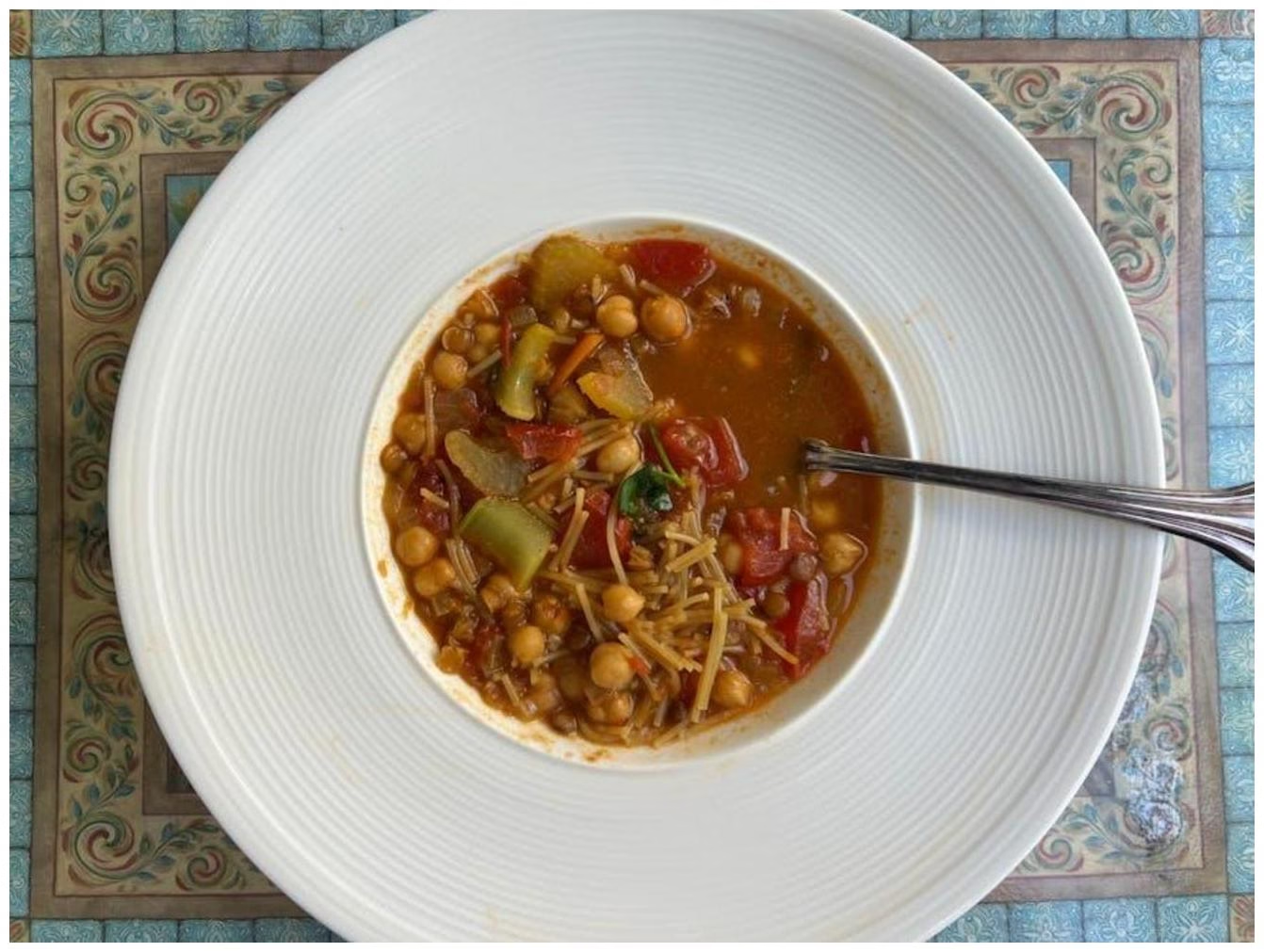
Lentil Chickpea Soup
Hearty and filling with a mix of lentils and chickpeas for sustained energy
Ingredients
- 2 cups dried red lentils
- 1 can (15 oz) chickpeas
- 1 onion (chopped)
- 3 carrots (sliced)
- 4 cups vegetable broth
- 2 tbsp olive oil
- 1 tsp cumin
- 1 bay leaf
- 4 cloves garlic (minced)
- Salt to taste
Directions
- Sauté onion, carrots, and garlic in olive oil
- Add lentils, chickpeas, and broth
- Simmer 30 mins, stirring occasionally
- Season with cumin, salt, and bay leaf
- Remove bay leaf before serving
Tips
- Use canned chickpeas for speed
- Add kale for extra protein
- Coat in sourdough bread for a meal
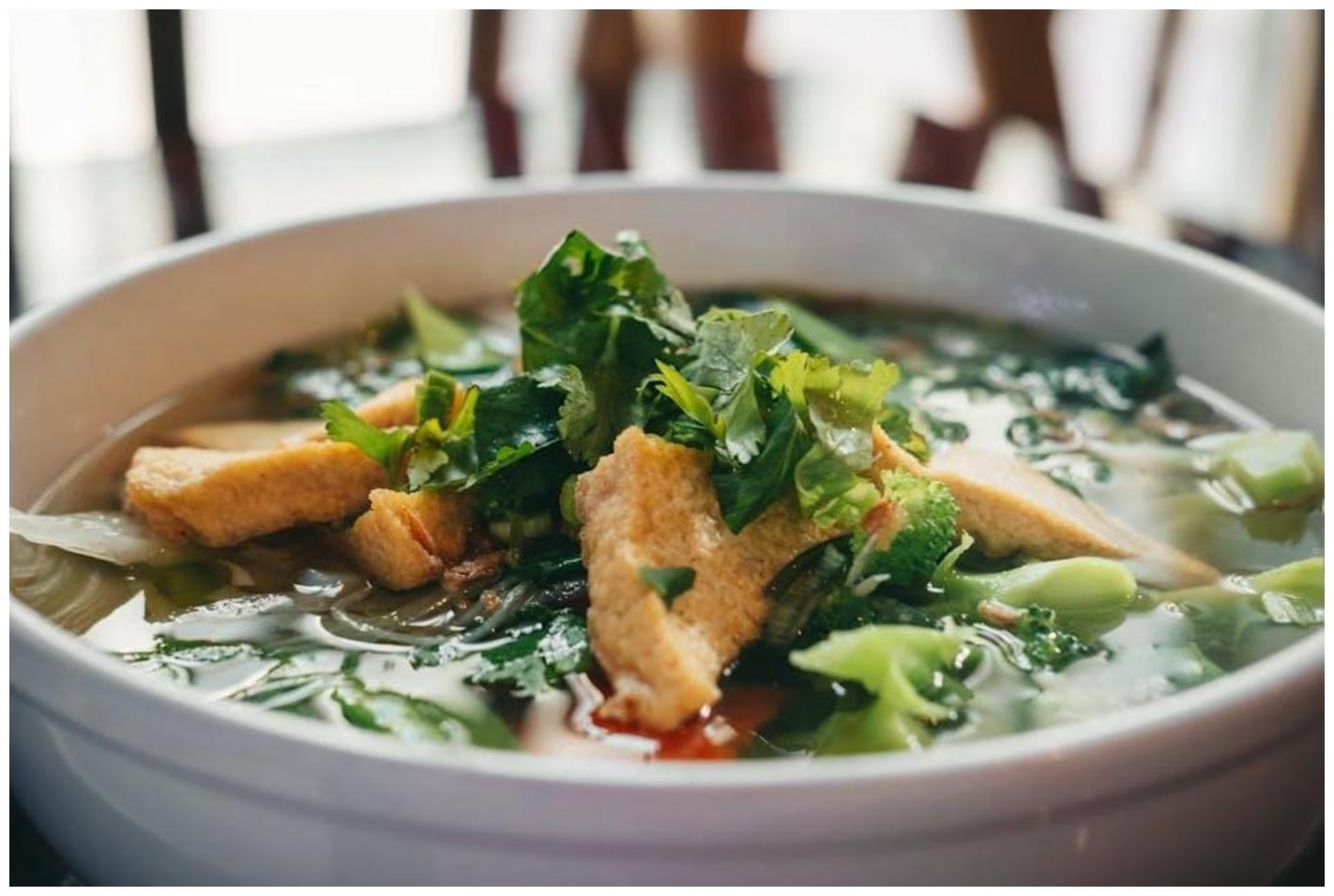
Tofu Veggie Soup
Quick 20-minute soup with firm tofu and seasonal vegetables
Ingredients
- 1 block firm tofu (cubed)
- 1 cup broccoli florets
- 1 cup cauliflower
- 1 cup shredded carrots
- 2 cups vegetable broth
- 1 tbsp soy sauce
- 1 tbsp maple syrup
- 1 tsp ginger (grated)
- 2 cloves garlic
Directions
- Sauté garlic and ginger
- Add broccoli, cauliflower, and carrots
- Pour in broth and tofu
- Cook 15 mins, stirring
- Season with soy sauce and maple syrup
Tips
- Freeze extra tofu cubes for quick meals
- Substitute with chickpeas
- Add spinach
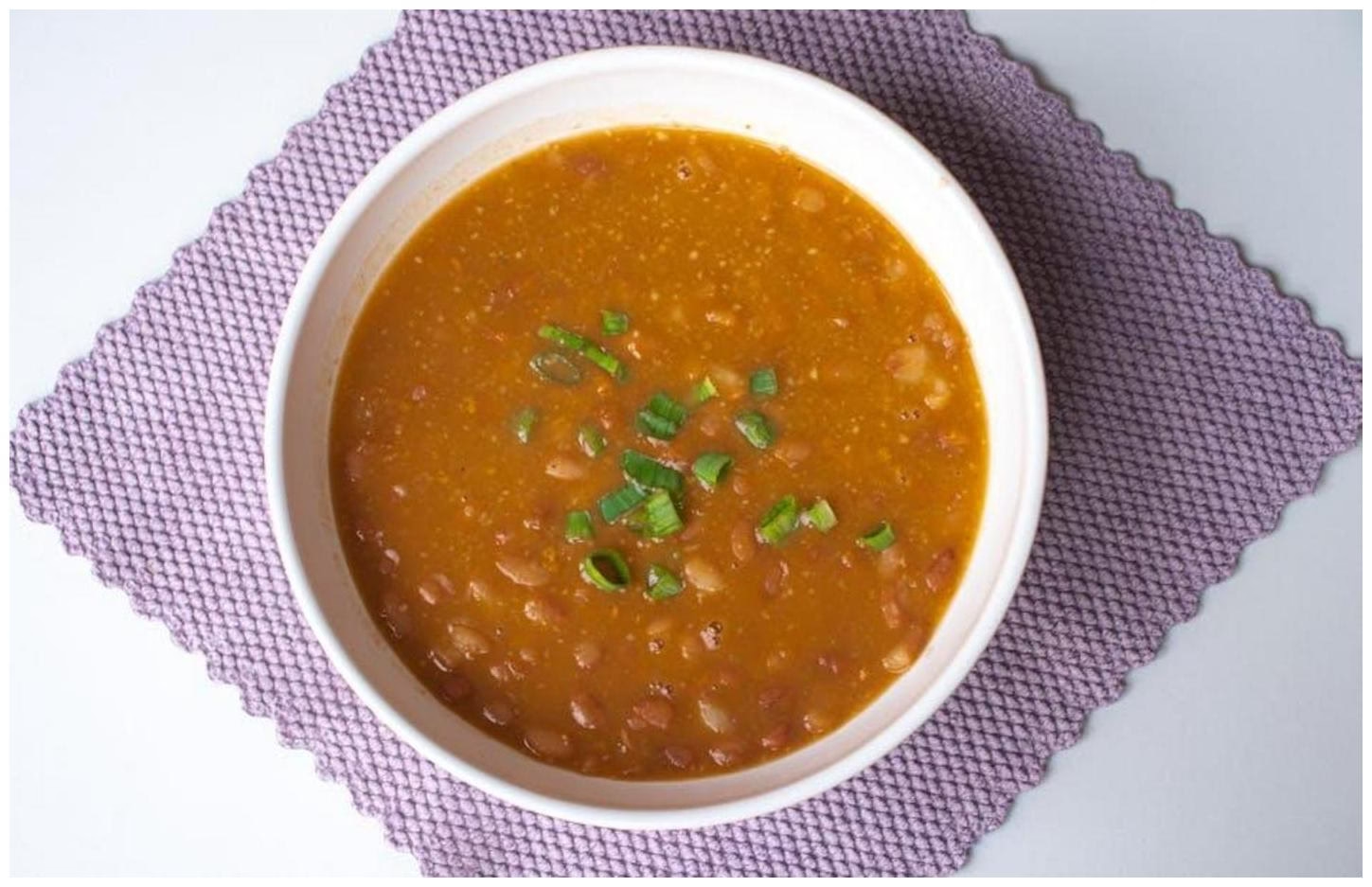
Quinoa Bean Soup
Protein-packed with quinoa and black beans
Ingredients
- 1 cup cooked quinoa
- 1 can black beans (rinsed)
- 1 cup diced tomatoes
- 1 bell pepper (chopped)
- 3 cups vegetable broth
- 1 tbsp cumin
- 1 tsp smoked paprika
- 1 tbsp olive oil
Directions
- Sauté pepper in olive oil
- Add tomatoes and beans
- Pour in broth and quinoa
- Season with cumin and paprika
- Simmer 20 mins
Tips
- Use canned beans for convenience
- Top with avocado
- Serve in mason jars
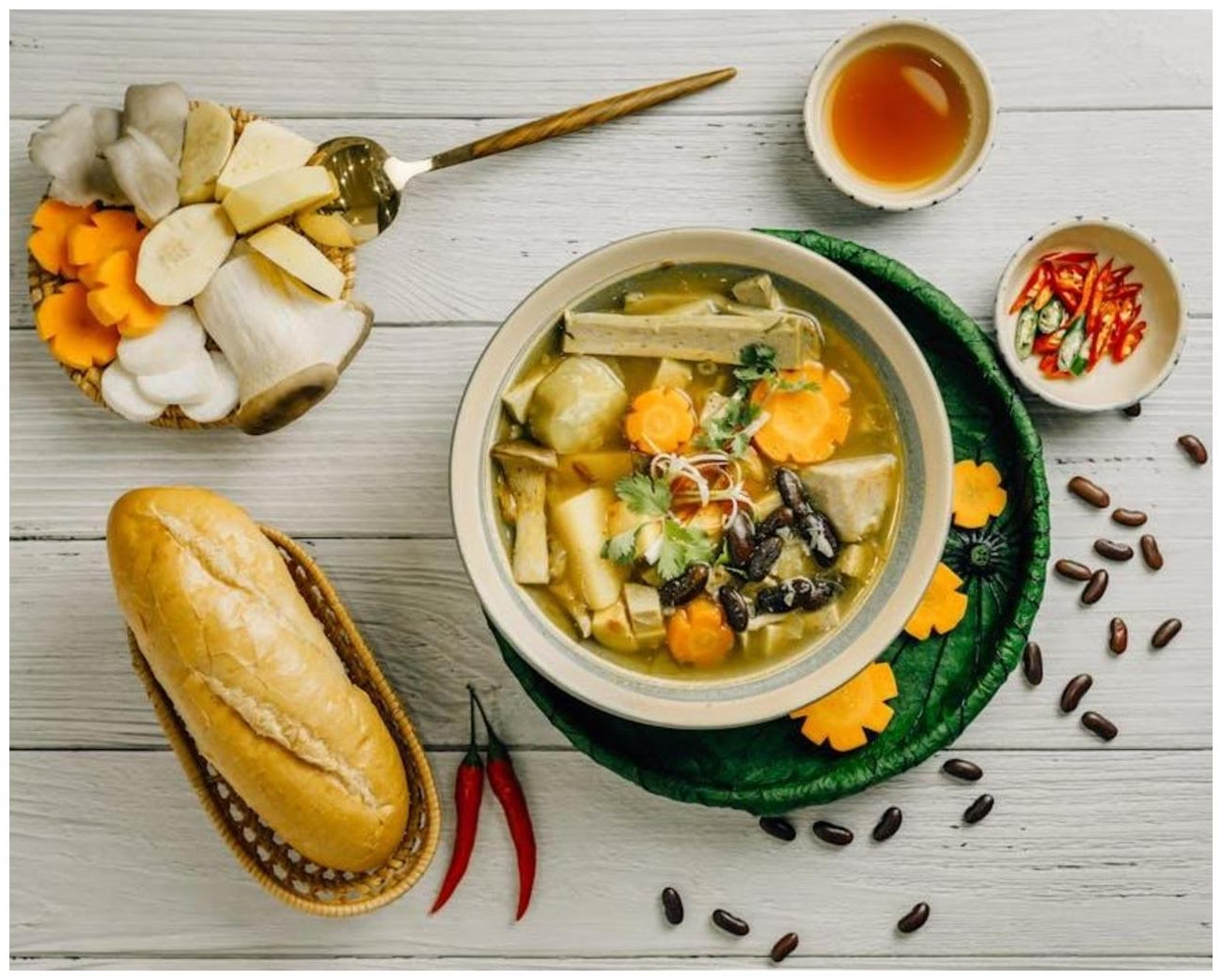
Mushroom Bean Soup
Earthy flavor with shiitake mushrooms and lentils
Ingredients
- 1 cup chopped shiitake mushrooms
- 1 cup red lentils
- 1 onion (diced)
- 2 cloves garlic
- 3 cups vegetable broth
- 1 tbsp tomato paste
- 1 tsp oregano
- 1 tbsp olive oil
Directions
- Sauté onion, garlic, and mushrooms
- Add lentils and broth
- Cook 25 mins, stirring
- Season with tomato paste and oregano
Tips
- Add kale or spinach for greens
- Use vegetable stock cubes
- Serve with crusty bread
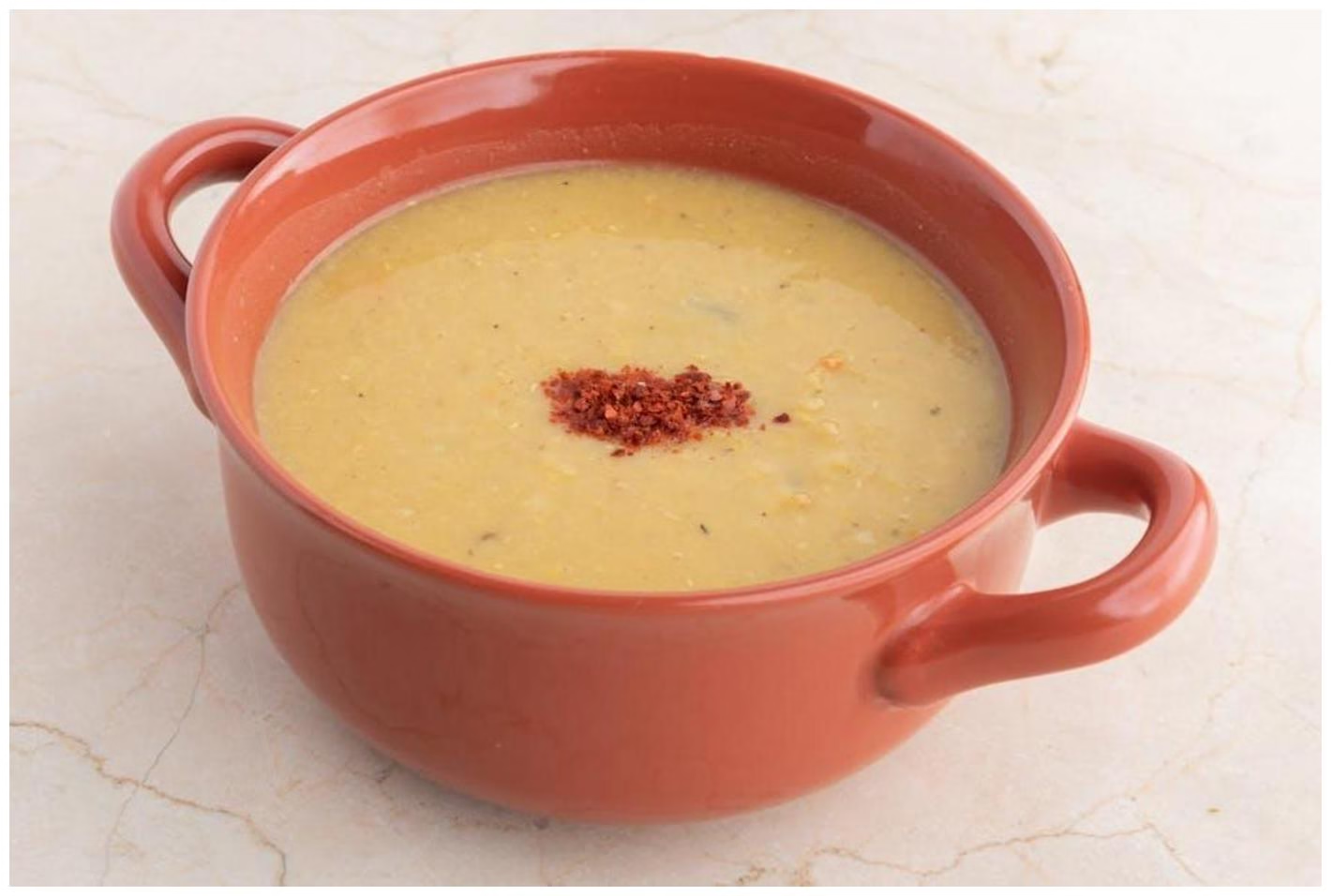
Vegan High Protein Soup — Delicious and Nutrient-Packed Comfort
Have you ever wondered how to pack a protein punch without relying on meat? If you’re a home cook or part of a busy family, a Vegan High Protein Soup might just be your new secret weapon. Imagine a steaming bowl loaded with plant-based protein, vitamins, and minerals, perfect for busy weeknights. But why stop there? This article dives into everything you need to know about Vegan High Protein Soup, from its history to modern twists.
Why choose a vegan approach? Well, plant-based proteins like lentils, chickpeas, and tofu aren’t just environmentally friendly—they’re versatile and delicious. Whether you’re cooking for one or a crowd, Vegan High Protein Soup can adapt to your schedule. It’s also a great way to sneak in extra nutrients without the fuss.
Curious about how this soup compares to non-vegan options? Or wondering if it’s truly high in protein? We’ll answer these questions and more. Let’s explore what makes Vegan High Protein Soup a standout choice for health-conscious eaters.
While many associate soup with lightness, Vegan High Protein Soup flips the script. By combining dense ingredients like beans or textured tofu, you create a satisfying meal. And don’t forget the Amazon affiliate links below for tools to enhance your soup-making journey—like a high-speed blender or a durable soup pot. Discover vegan soup essentials here.
Why Vegan High Protein Soup Matters
The Rise of Plant-Based Proteins
More people are adopting plant-based diets, but not everyone knows how to maximize protein intake. Vegan High Protein Soup offers a solution by using ingredients like quinoa or chickpeas, which are rich in amino acids. This makes it ideal for vegetarians, vegans, and even meat-eaters looking to diversify their meals. Plus, it’s a nod to ancestral diets that relied heavily on legumes!
Why It’s Perfect for Busy Families
Let’s be honest: preparing meals that everyone loves can be stressful. Vegan High Protein Soup simplifies this by requiring minimal prep—just throw ingredients in a pot and simmer. It’s also versatile for leftovers, making it a budget-friendly option for families with varying tastes. Who wouldn’t appreciate a soup that feeds four in 20 minutes?
Vegan High Protein Soup — The Science Behind the Flavor
Flavor and nutrition aren’t mutually exclusive. By roasting vegetables or toasting spices, you deepen the taste profile of your soup. For example, caramelized onions or garlic add sweetness without extra sugar. Ever wondered why some soups taste better after a day? It’s because flavors meld over time!
But how do you balance protein with taste? The key is layering umami. Ingredients like sun-dried tomatoes or nutritional yeast can mimic meatiness. This is where creativity comes in—experiment with beans, mushrooms, or even pea protein powder. Each adds a unique texture and depth.
Pairing Your Soup with Other Meals
One myth about Vegan High Protein Soup is that it’s a standalone meal. While it’s filling, combining it with a side of whole-grain bread or a crisp salad enhances its appeal. Think of it as a canvas—your ingredients are the paints. What’s your favorite way to serve it?
For busy families, variety is key. Pair the soup with roasted vegetables or a grain like quinoa. This not only boosts fiber but also keeps meals exciting. And don’t forget the nutrient density—such pairings ensure a balanced intake of carbs, proteins, and fats.
Step-by-Step Guide to Mastering Vegan High Protein Soup
Choosing the Right Base Ingredients
Start with a robust broth—vegetable or coconut works well. The base should complement your protein source, whether it’s lentils, tofu, or chickpeas. Ever used cooking liquid from risotto as a soup base? It adds an unexpected umami kick!
Maximizing Nutrient Retention
Cooking methods matter. Simmering gently preserves vitamins, while boiling can leach some nutrients. Cover your pot to retain moisture and flavor. Pro tip: Add acidic ingredients like lemon juice at the end to brighten flavors and lock in nutrients.
Common Mistakes to Avoid with Vegan High Protein Soup
Overcooking is a common error. Beans and lentils can become mushy if simmered too long. Aim for al dente textures for a hearty bite. Another pitfall? Skipping seasoning. Salt, herbs, and spices elevate the dish. A dash of smoked paprika or cumin can transform plain soup into gourmet.
Expert Tips and Best Practices
To save time, use frozen vegetables—they’re flash-frozen at peak freshness. No need to defrost! Also, batch-cook your soup. Make a large pot and freeze portions for quick meals later. This is especially useful for families with hectic schedules.
For a restaurant-quality finish, garnish thoughtfully. Fresh herbs, a drizzle of olive oil, or a dollop of vegan cream add visual appeal. And remember, Vegan High Protein Soup is adaptable—swap ingredients based on season or availability.
- Enhance Protein Content: Add protein powder or hemp seeds to boost amino acid profiles. This is great for smoothies or hearty soups. Try our lentil mix for extra protein.
- Reheat Smartly: Freeze portions in airtight bags. When reheating, add a splash of water to restore thickness. No one wants a soupy texture!
- Experiment with Textures: Blend part of the soup for creaminess. Use an immersion blender for ease. Complement with crispy croutons or toasted seeds for contrast.
- Leverage Leftovers: Turn soup into a grain bowl or frittata. Repurpose vegetables into salads or wraps. This reduces waste and keeps meals fresh.
- Use a Slow Cooker: Set it and forget it. Cook on low for 6-8 hours. Ideal for prepping meals on busy days. Don’t forget to stock up on tofu for quick additions.
What makes a soup truly high in protein?
Protein-rich ingredients like legumes, tofu, or quinoa are key. A Vegan High Protein Soup typically contains 15-20g of protein per serving by combining these sources. For example, lentil and chickpea combinations naturally pack fiber and protein.
Can I make this soup ahead?
Absolutely! Vegan High Protein Soup tastes better the next day as flavors mature. Store it in the fridge for up to 4 days or freeze for 3 months. Freezing is ideal for busy families to avoid daily cooking.
Is it safe to reheat frozen soup?
Yes, but ensure it’s thoroughly heated to 165°F (74°C) to kill bacteria.Vegan High Protein Soup freezes well in airtight containers. Label with dates to track freshness. Thaw in the fridge overnight before reheating.
Why does my soup lack protein?
The main issue is relying on low-protein vegetables alone. To fix this, add pulses like lentils or swap watery additives for denser ingredients. For a quick boost, try quinoa-based soups for instant protein.
Can kids eat vegan high protein soup?
Definitely! Make it fun by adding colorful veggies or serving with dips. Vegan High Protein Soup can be tailored to kids’ tastes with milder spices. Ensure it’s thick enough to hold their attention during meals.
What are the best beans for protein?
Chickpeas, lentils, and black beans are top choices. They’re affordable and versatile. For a creamy texture, mash some into the soup. Explore our mushroom bean blend for a hearty option.
How do I adjust spice levels?
Add spices gradually. Start with paprika or cumin, then adjust. Fresh herbs like cilantro or parsley can cut through richness. Remember, Vegan High Protein Soup is a canvas—taste and refine as you go.
Why choose vegan over non-vegan protein?
Vegan proteins are cholesterol-free and often richer in fiber. Non-vegan options may contain saturated fats. A Vegan High Protein Soup supports heart health and is easier to digest for some.
In summary, a Vegan High Protein Soup isn’t just a meal—it’s a lifestyle choice that aligns with health and sustainability. Whether you’re a busy parent or a health enthusiast, this soup offers flexibility and nutrition. Don’t forget to explore the Amazon links for tools that make preparation a breeze. What’s your go-to protein source in soup? Share your tips below!
Remember, the journey to better nutrition starts with small, flavorful steps. Vegan High Protein Soup proves you don’t have to compromise on taste or health. Try it today, and let your taste buds guide you to a happier, healthier kitchen.
Tips & Tricks
- Batch Prep for Convenience: Make large batches and freeze portions. This saves time on busy days and ensures you always have a nutritious meal. Use vacuum-sealed bags to retain flavor. Check our tofu options for easy stocking.
- Boost Flavor Without Calories: Use fresh herbs like basil or dill. They add aroma without extra fat. For a smoky taste, toast spices like cumin in a dry pan before adding.
- Upgrade with Superfoods: Add chia seeds or spirulina for extra nutrients. These ingredients blend seamlessly into soups. For a quick hack, mix in a scoop of protein powder. Quinoa-based recipes are great starters.
- Customize for Dietary Needs: Make it gluten-free by avoiding flour-based thickeners. Use bean puree instead. For dairy-free versions, skip cream and add cashew cream. This makes Vegan High Protein Soup inclusive for all eaters.
- Serve with a Side: Pair with whole-grain toast or a quinoa salad. This adds texture and balances the meal. Try our lentil soup mix for a hearty base.
- Fix Thin Soups: If your soup is too watery, simmer it longer or add a starch like oats. Alternatively, blend part of it for creaminess. This trick works for nearly any Vegan High Protein Soup variation.
- Use a Pressure Cooker: Reduce cooking time by 50% with a pressure cooker. It’s perfect for busy families. Pro tip: Sauté aromatics first for deeper flavor. Don’t skip this step!
- Store Wisely: Use glass containers for reheating. Avoid metal, as it can alter taste. Label with dates and contents. For long-term storage, freeze in single-serving portions. Visit our soup guides for storage tips.
Frequently Asked Questions
How much protein does a typical serving have?
A standard serving of Vegan High Protein Soup can range from 15-25g of protein, depending on ingredients. Using lentils or quinoa as a base boosts this. For reference, compare it to a cup of cooked lentils (18g protein). Adjust portions based on your needs.
Can I add meat to this soup?
Technically yes, but the focus here is vegan options. If you’re experimenting, add small amounts of lean meat. However, this shifts it from Vegan High Protein Soup to a hybrid dish. Stick to plant-based sources for authenticity and health benefits.
What’s the best way to thicken soup?
Natural thickeners include mashed potatoes, pureed beans, or cornstarch slurries. For a vegan fix, use blended oats or cashews. Avoid adding too much liquid after thickening. This ensures your Vegan High Protein Soup stays hearty.
Why does my soup taste bland?
Blandness often comes from under-seasoning. Add acid (lemon juice) or umami (soy sauce or nutritional yeast). Taste as you cook and adjust spices. For a quick fix, stir in a bit of hot sauce or roasted garlic. Vegan High Protein Soup should be bold and comforting.
Is this soup suitable for weight loss?
Yes, if made with low-fat ingredients. Focus on vegetables and lean proteins. Avoid creamy additives unless in moderation. Vegan High Protein Soup can be filling without excess calories. Pair with whole grains for sustained energy.
Can I use canned beans?
Absolutely! Drain and rinse canned beans to reduce sodium. For best results, soak dried beans overnight for better texture. Vegan High Protein Soup benefits from the convenience of canned beans without losing protein content.